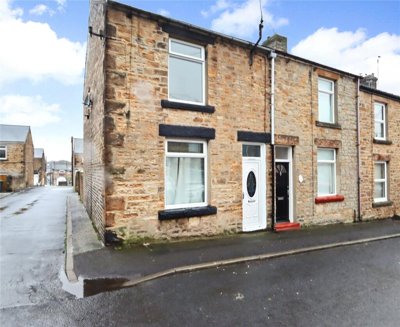
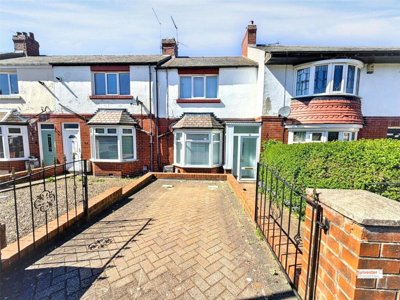
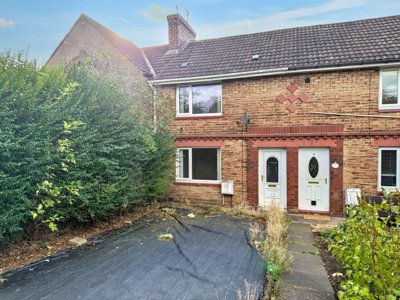
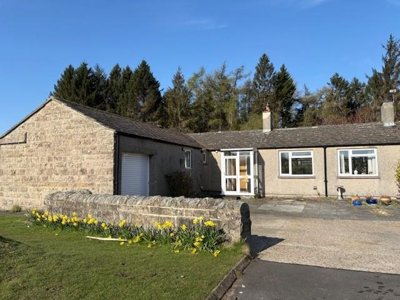
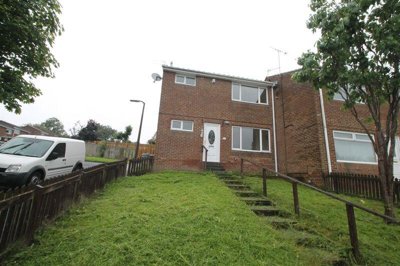
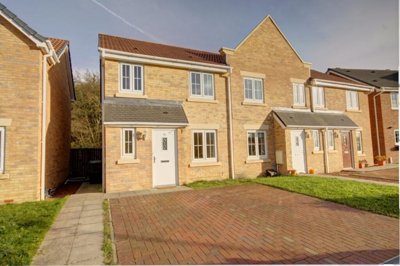
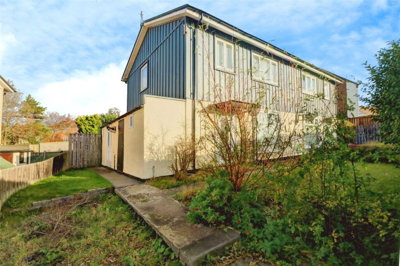
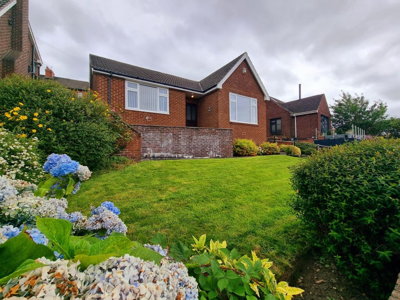
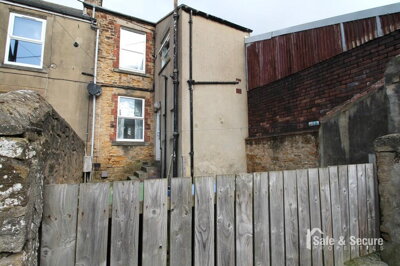
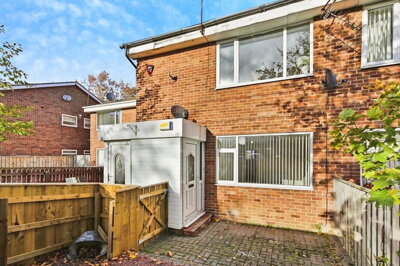
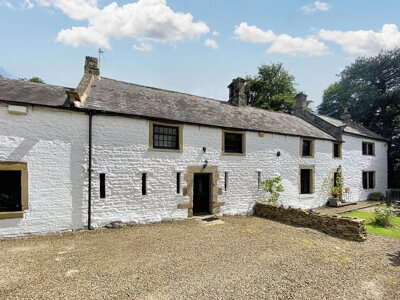
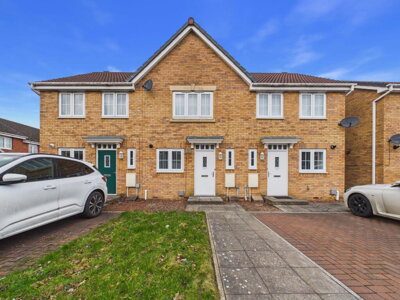
Browse 17 rental homes to rent in Shotley Low Quarter from local letting agents.
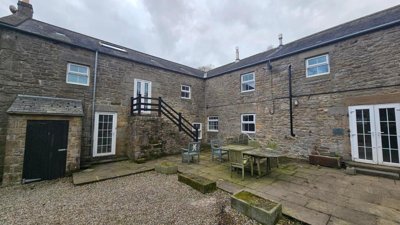
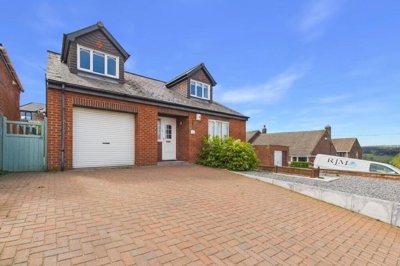
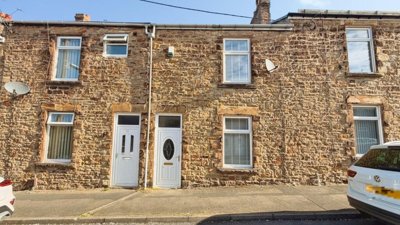
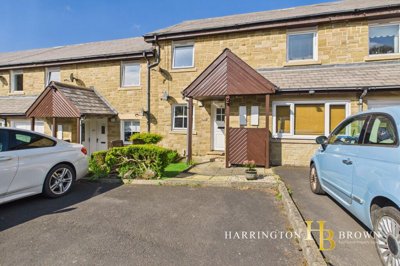
Shotley Low Quarter sits inside the wider rural Northumberland rental scene, where availability is usually tighter than in the towns. The parish is known for traditional stone buildings, a legacy that runs back through the Victorian era and earlier. Farmhouses, cottages, Shotley Hall Estate properties, and a scattering of twentieth century additions make up the stock. Most rentals are whole houses or bungalows, with flats and apartments appearing far less often than they do nationally.
Because Shotley Low Quarter is rural and a civil parish rather than a sizeable town, new rental listings turn up less often on the main property portals. Anyone looking here would do well to speak to local letting agents across the Derwent Valley corridor, including those handling homes in Consett, Hexham, and Corbridge. Supply is thin, so character homes with original stonework, fireplaces, or access to countryside walks can draw several enquiries at once. It pays to move quickly when something suitable comes up, and to have rental budget agreement in principle ready before the search begins.
The Shotley Bridge Conservation Area has a strong influence on the local market, and properties inside its boundary come with particular planning considerations. It covers the western bank of the River Derwent within Shotley Low Quarter, where scattered farmsteads and historic cores give the area much of its character. Many homes here are built with solid walls, so renters should think about heating bills and warmth as part of their decision. We can help explain what renting in this designated area means in practice.

Here, daily life is shaped by the landscape as much as by the parish’s industrial past. The name comes from the Low Quarter, an old division of the area, and the parish includes hamlets and farmsteads spread across the Derwent Valley. The River Derwent is central to that setting, running through a wooded valley that supports wildlife and gives residents room for walks and outdoor time. Ancient agricultural roots still show through, with working farms alongside former industrial sites that now add to the local story.
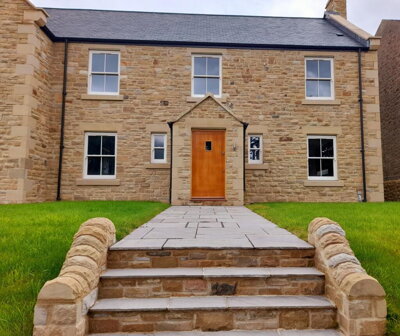
Shotley Bridge Conservation Area does a great deal to define Shotley Low Quarter’s character. On the western bank of the River Derwent, the Shotley Hall Estate and scattered farmsteads are treated as distinct historic cores within the designation. Local buildings often use quarried sandstone for walling, with squared coursed stonework on the principal elevations and random rubble on the less formal walls. Slate and terracotta tile are common on the roofs, in keeping with north Northumberland traditions. The Hopper Mausoleum in St Andrew's Churchyard on Greymare Hill is Grade I listed, a clear marker of the area’s architectural weight, while Shotley Hall, built in 1863 with dressed sandstone and ashlar dressings, shows the scale of Victorian building found in the parish.
For renters, Shotley Low Quarter offers a mix that is hard to find elsewhere, rural calm and real historical depth. The North Pennines Area of Outstanding Natural Beauty is close by, with bridleways and public footpaths opening up plenty of walking and cycling routes. Local amenities are modest, as you would expect in a rural place, but the wider Derwent Valley network of villages and towns fills in many gaps. Consett, long linked with steel production, has seen significant regeneration since the works closed in 1980 and now serves surrounding communities with shopping, education, and healthcare. We regularly help renters settle into this distinctive corner of Northumberland.
Another layer to life here comes from the Derwent Valley’s industrial heritage. Heavy industry has gone, but the traces remain in the landscape, alongside medieval field patterns and old trackways. Some properties tied to former collieries and ironworks may still sit within the parish boundaries, so renters should check the history and condition of any house they are considering. St John's Church at Snods Edge is also within the civil parish, and as a Grade II listed building it reflects the area’s ecclesiastical heritage and its local roots.

Families looking to rent in Shotley Low Quarter have education options within a reasonable journey. The parish falls under Northumberland’s education system, with primary schools serving the villages around it and larger secondary schools in nearby towns. St Andrew's Church on Greymare Hill is one of the area’s landmarks, and it speaks to the long presence of religious institutions in rural communities. Being close to County Durham may also open up some cross-border school choices, depending on admissions policies and catchment areas.
Most secondary pupils travel into Consett, where there are several options for older children. Across Northumberland, there are schools with good Ofsted ratings, and the rural nature of the county means transport links for school runs are already in place for more scattered communities. Sixth form provision can be found in larger towns including Hexham and Consett, while further education colleges are reachable in Newcastle upon Tyne and across the wider North East. We always advise checking catchments and admission arrangements carefully, as those details can shape where families choose to live.
Primary school choices are less immediate in Shotley Low Quarter, so most families travel to neighbouring villages or to the edge of Consett. Northumberland County Council usually manages school transport, with established bus routes serving the more dispersed communities. Term dates and the wider school calendar follow the Northumberland local authority schedule, which is worth folding into any move. We can talk through the educational options that matter most for a specific part of the parish.

Transport links reflect the parish’s rural setting, so most residents rely on private cars and local buses for everyday travel. The A68 runs through the wider area and gives a useful connection between Northumberland and County Durham, before joining the A1(M) motorway. That makes journeys to Newcastle upon Tyne, Durham, and Sunderland fairly direct by road, with typical travel times of 30 to 60 minutes depending on where you are headed and how busy the roads are. The Derwent Valley scenery makes the commute feel a good deal less ordinary than a city drive.
Bus services are the main scheduled public transport option, and they are less frequent than those in urban areas. They link Shotley Low Quarter and neighbouring villages with Consett, where rail and bus connections become easier to pick up. Hexham is usually the nearest place for train services, with direct routes to Newcastle upon Tyne and Carlisle. For anyone commuting to a regional centre, a private car is generally seen as essential here, though many people feel the quiet setting and nearby countryside make that compromise worthwhile.
Cyclists can make use of the rural lanes and bridleways that thread through the Derwent Valley, though the hills mean a decent level of fitness helps. The North Pennines AONB gives plenty of scope for outdoor recreation, and for many residents cycling is as much about leisure as getting from A to B. Remote workers may find the peace and space appealing, but broadband speeds should be checked before a tenancy is signed, as they vary across the parish. We can advise on the typical connectivity found in different parts of Shotley Low Quarter.

Renting in Shotley Low Quarter means thinking carefully about a few rural Northumberland realities. Older stone-built homes are common, so damp, roof condition, and outdated electrics can come up more often than in newer estates. In the conservation area, many properties have solid walls rather than cavity wall insulation, which affects heat retention and calls for a different approach to comfort. It is sensible to ask about the heating system, insulation standards, and any recent renovation work, especially with Northumberland’s colder months in mind.
The Derwent Valley geology brings its own set of issues, with slowly permeable, seasonally wet, acid loamy and clayey soils in the mix. Clay can shrink and swell, so foundations may be affected over time, particularly in drought or after long spells of wet weather. The wider Consett area also has a history of mining, and the coalfield character of Shotley Bridge means some homes may sit in former mining land where subsidence is worth checking. Properties inside or next to the Shotley Bridge Conservation Area may also face planning controls on extensions, alterations, or external changes.
Being close to the River Derwent is part of the appeal, but it also means flood risk should be checked for any property near the watercourse. Heavy rain can bring surface water flooding, especially on the lower parts of the valley floor. We recommend looking at the Environment Agency's flood risk maps for the exact address and asking current or former occupants whether flooding has ever been an issue. Homes on higher ground in the parish tend to face less flood risk, though they can be more exposed and cost more to heat.
There are also the practicalities of rural life to think about in Shotley Low Quarter. Broadband has improved in recent years, but speeds still vary and should be confirmed with current providers. Mobile reception can change from one spot to another depending on the network. Shops, pubs, and post offices are not evenly spread across the parish, so residents usually head into nearby towns for larger shops and specialist services. Sorting those details before you commit makes rural living here much easier to judge.

Before viewing properties, contact lenders or use Homemove's rental budget service to secure an agreement in principle. It shows letting agents that your finances are in order and gives you a clear picture of what you can afford, including council tax, utilities, and insurance. In Shotley Low Quarter’s limited market, having that budget confirmed can make a real difference.
It is well worth spending some time in Shotley Low Quarter and out through the Derwent Valley before making a decision. Stop by the local amenities, time the route to work, and get a sense of how the community feels day to day. That feel matters. You should also think about which part of the conservation area you prefer and whether being near the River Derwent suits your routine.
Because supply is tight in rural areas, it makes sense to register with several letting agents covering Shotley Bridge and the Derwent Valley corridor. A lot of the better properties are spoken for before they reach the major portals. Our network of local contacts can speed things up and put you among the first to hear about new listings.
As soon as you spot a suitable property, arrange a viewing without delay. In rural Shotley Low Quarter, the level of competition for quality rentals can catch people out. Come prepared with questions on condition, maintenance responsibilities, and any conservation area restrictions that might affect how you live there.
Should a property be offered, referencing checks usually follow, including credit history, employment verification, and landlord references. Your letting agent or landlord will then take you through the tenancy agreement. It is important to understand your responsibilities for maintenance, along with any limits on alterations to properties in the conservation area.
Once the tenancy agreement is signed, it is time to line up the move itself. Rural locations often call for more planning around internet installation, deliveries, and access to services nearby. A move-in inventory protects both tenant and landlord, and gives a clear record of the property’s condition. We recommend getting this done before you collect the keys.
There is no separate published rental price data for Shotley Low Quarter because so few properties are available in this civil parish. Across Northumberland, rents vary widely depending on property type and location, with two-bedroom cottages starting from around £600 per month and larger family homes commanding higher rents. Homes with character, such as original stonework, fireplaces, or conservation area status, can attract premium rents. For up-to-date pricing, we recommend speaking to local letting agents who can flag new listings as they appear. Our team can put you in touch with agents who specialise in Derwent Valley properties.
Shotley Low Quarter properties fall under Northumberland County Council for council tax. Bands run from A to H according to property value, and many of the traditional stone cottages and farmhouses are likely to sit in bands A to D because of their older construction and rural setting. You can check the exact band for any address on the Valuation Office Agency website. Council tax in Northumberland helps fund services such as education, highways, and waste collection.
As a small rural parish, Shotley Low Quarter has no schools within its immediate boundary. Primary education is provided by schools in surrounding villages, while secondary pupils usually go to schools in Consett or Hexham. Northumberland has a good reputation for education, with several schools achieving strong Ofsted ratings. Parents should always confirm the current catchment areas and admissions policies with Northumberland County Council before committing to a property, since boundaries can affect placements.
Public transport links here are limited compared with those in towns and cities. Bus services are the main option, connecting the parish with Consett and nearby villages. Train services mean travelling to larger stations in Hexham or Newcastle upon Tyne. Most residents see private vehicle ownership as essential for commuting and for reaching everyday services. Even so, the A68 offers solid road links to County Durham and the A1(M) motorway network, so regional travel by car is straightforward.
For anyone wanting rural living with strong countryside access, Shotley Low Quarter offers a remarkable quality of life. It suits renters who work in or around the Derwent Valley corridor, those who enjoy outdoor pursuits and scenic landscapes, and families who value community atmosphere over city convenience. The conservation area status and historic buildings, including the Grade I listed Hopper Mausoleum and Victorian Shotley Hall, give the parish plenty of character. The limited rental stock and rural transport constraints do need thought, but the reward is a chance to live in one of Northumberland’s most picturesque places.
In England, standard deposits for rental homes equal five weeks' rent, capped at a maximum of five weeks' rent where the annual rent is below £50,000. Renters also usually pay a holding deposit worth one week's rent to reserve a property, together with referencing fees and, at times, inventory check costs. Under the 2024-25 rental regulations, tenants have specific protections around deposit holding and return timescales. First-time renters should keep these upfront costs in mind alongside moving expenses.
Shotley Low Quarter lies on the western bank of the River Derwent, so homes near the river or in lower ground can carry some flood risk. The shape of the Derwent Valley means surface water flooding may occur during periods of heavy rainfall. Prospective renters should ask about flood history with current or previous occupants and check the Environment Agency's flood risk maps for the exact property location. Higher properties within the parish generally face less flood risk.
The rental market here is built mainly around traditional stone properties, including cottages, farmhouses, and homes linked to local estates. Much of the parish’s housing heritage uses locally quarried sandstone and slate or terracotta tile roofing. There are also newer properties from the twentieth century within the parish. Whole houses and bungalows are the most common, with fewer apartments on offer. Many rentals are period homes with character features, although some modernised options do exist. Because of the conservation area context, certain properties may come with restrictions on alterations.
From 4.5%
We can help you work out your rental budget before you begin looking at properties in Shotley Low Quarter.
From £49
Complete referencing checks required by landlords before you can secure your rental property.
From £75
Professional inventory documentation to protect both tenant and landlord interests at move-in.
From £60
Energy performance certificates required for all rental properties in England.
Budgeting for a tenancy in Shotley Low Quarter means looking beyond the monthly rent alone. Upfront costs usually start with a holding deposit equal to one week's rent to secure the property, then a security deposit equal to five weeks' rent. The deposit cap rules brought in by recent legislation mean deposits are limited to five weeks' rent for annual rents below £50,000, which gives renters some protection. Referencing fees, covering credit checks, employment verification, and landlord references, usually sit somewhere between £100 to £300 depending on the provider and how many applicants are involved.
While the tenancy runs, you will also need to account for monthly rent, council tax paid to Northumberland County Council, utility bills, and contents insurance. Homes with solid wall construction in rural areas can cost more to heat than modern insulated properties, so that is worth allowing for during Northumberland’s colder months. If the property has a large garden, there will be spring and summer maintenance too. Tenants handle minor repairs as set out in the tenancy agreement, while landlords usually take care of structural repairs and major maintenance.
For first-time renters in England, there is no longer stamp duty land tax on rental properties, but the upfront cash need is still substantial. We advise setting aside at least three months' rent before moving, to cover the deposit, first month's rent, referencing fees, and moving costs. Getting a rental budget agreement in principle before you start looking gives clarity over your position and shows readiness to letting agents and landlords in Shotley Low Quarter’s competitive rental market. We can guide you through the budgeting process and connect you with suitable financial services.
Properties to Rent In London

Properties to Rent In Plymouth

Properties to Rent In Liverpool

Properties to Rent In Glasgow

Properties to Rent In Sheffield

Properties to Rent In Edinburgh

Properties to Rent In Coventry

Properties to Rent In Bradford

Properties to Rent In Manchester

Properties to Rent In Birmingham

Properties to Rent In Bristol

Properties to Rent In Oxford

Properties to Rent In Leicester

Properties to Rent In Newcastle

Properties to Rent In Leeds

Properties to Rent In Southampton

Properties to Rent In Cardiff

Properties to Rent In Nottingham

Properties to Rent In Norwich

Properties to Rent In Brighton

Properties to Rent In Derby

Properties to Rent In Portsmouth

Properties to Rent In Northampton

Properties to Rent In Milton Keynes

Properties to Rent In Bournemouth

Properties to Rent In Bolton

Properties to Rent In Swansea

Properties to Rent In Swindon

Properties to Rent In Peterborough

Properties to Rent In Wolverhampton

Enter your details to see if this property is within your budget.
Loans, cards, car finance
Estimated property budget
Borrowing + deposit
You could borrow between
Typical borrowing
Monthly repayment
Est. at 4.5%
Loan-to-value
This is an estimate only. Your actual budget may vary depending on interest rates, credit history, and personal circumstances. For an accurate affordability assessment, speak to one of our free mortgage advisors.
This calculator provides estimates for illustrative purposes only and does not constitute financial advice. Your home may be repossessed if you do not keep up repayments on your mortgage. Estimates based on 4.5% interest rate, repayment mortgage. Actual rates depend on your circumstances.
Homemove is a trading name of HM Haus Group Ltd (Company No. 13873779, registered in England & Wales). Homemove Mortgages Ltd (Company No. 15947693) is an Appointed Representative of TMG Direct Limited, trading as TMG Mortgage Network, which is authorised and regulated by the Financial Conduct Authority (FRN 786245). Homemove Mortgages Ltd is entered on the FCA Register as an Appointed Representative (FRN 1022429). You can check registrations at NewRegister or by calling 0800 111 6768.

We use cookies to show you personalised content and improve your experience of our website. Find out more in our Privacy policy and Cookie policy.