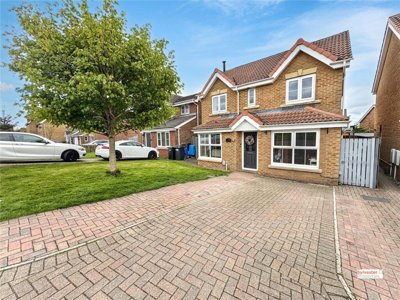
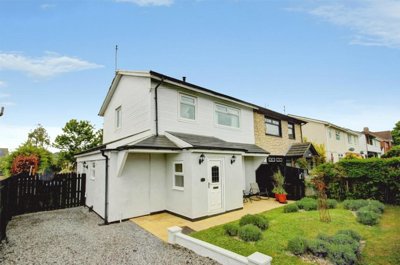
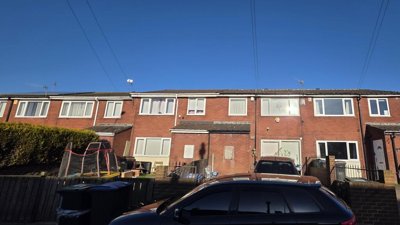
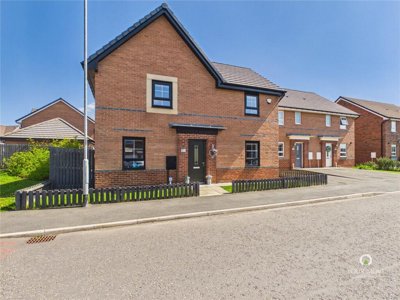
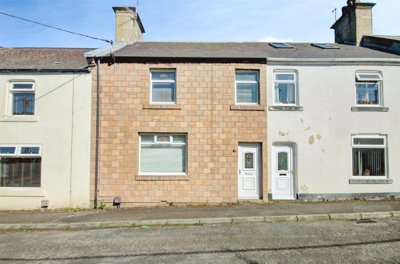
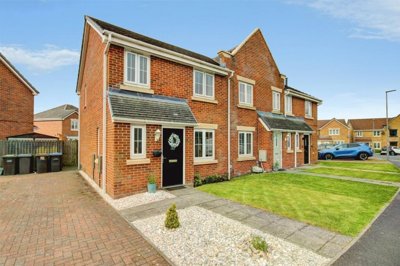
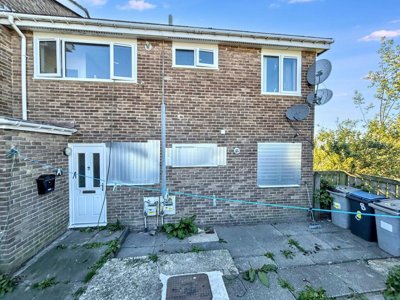
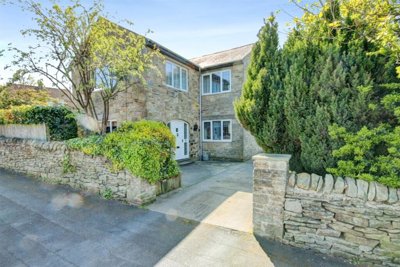
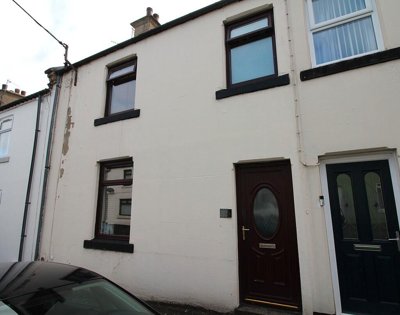
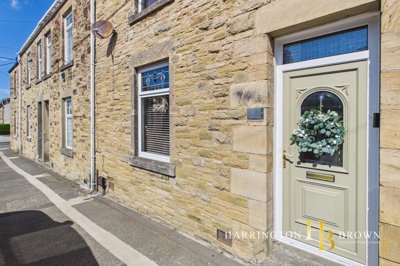
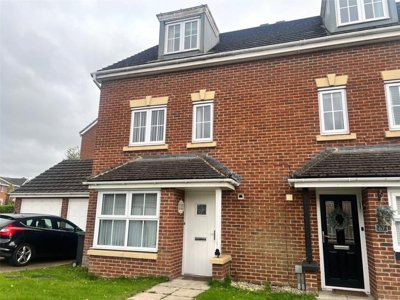
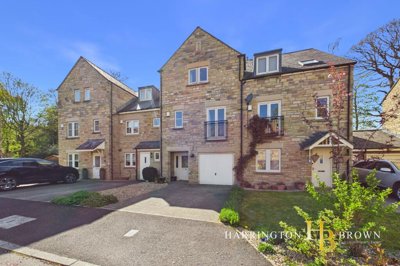
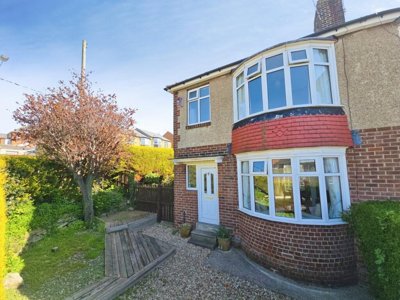
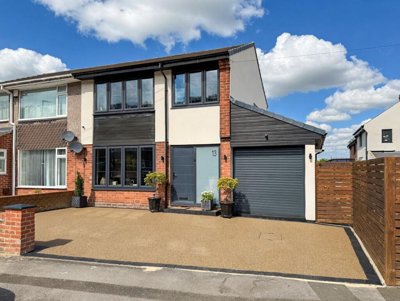
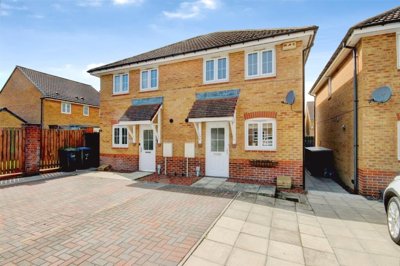
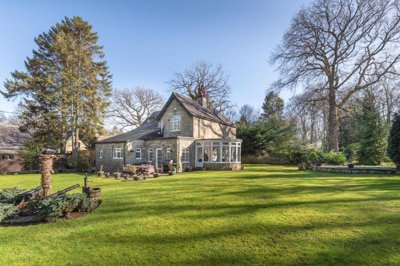
Browse 206 homes for sale in Shotley Low Quarter from local estate agents.
Shotley Low Quarter sits within the wider Northumberland rural housing market, where conservation areas and villages with strong heritage credentials tend to attract premium valuations. Because the civil parish has a small population and a scattered settlement pattern, specific transaction data is usually grouped with surrounding areas, yet comparable homes in the Derwent Valley corridor continue to draw steady demand. Within the Shotley Bridge Conservation Area, planning controls help keep the architectural character intact, and that is a major part of the village’s appeal.
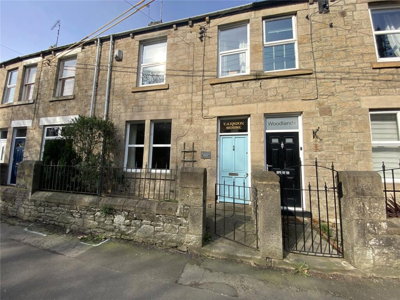
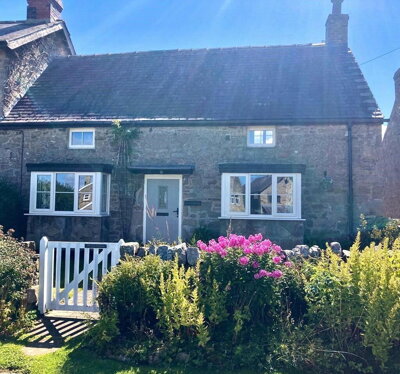
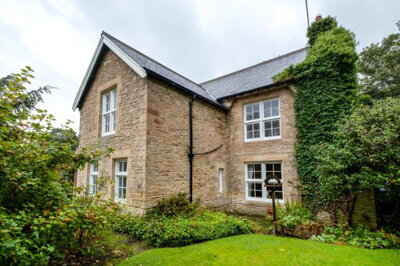
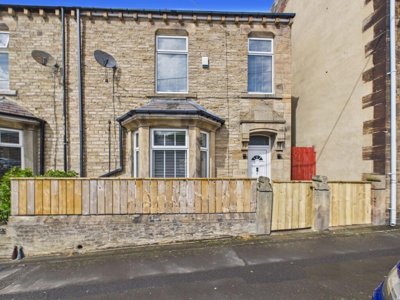
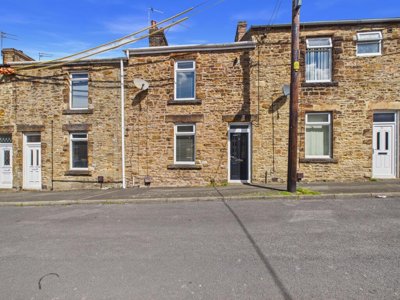
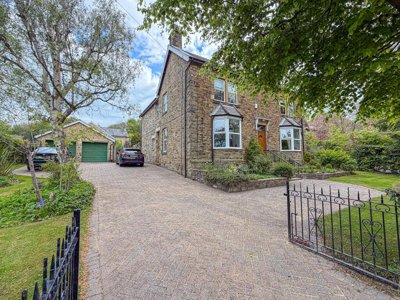
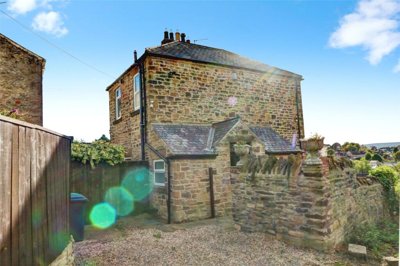
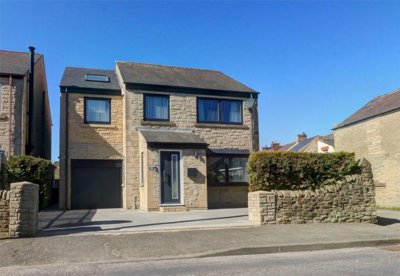
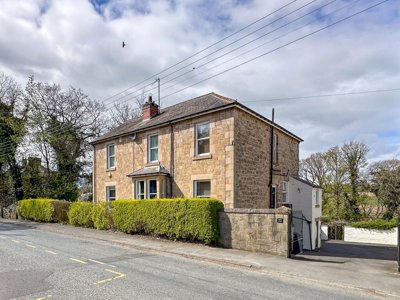
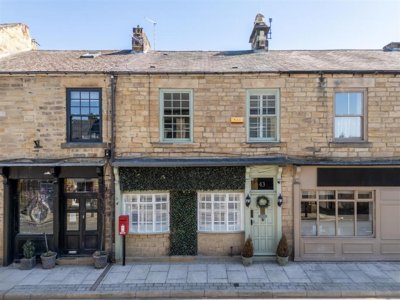
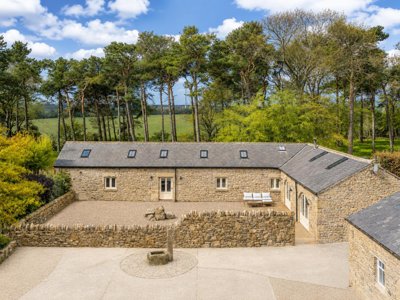
Stone-built houses are the norm here. Detached and semi-detached homes, traditional terraces, and converted farm buildings all reflect Shotley Low Quarter’s agricultural past. We also see locally quarried sandstone used for the walls, dressed ashlar on the more prominent elevations, and slate or terracotta tile roofs that define much of the conservation area. At the top end sit properties in the Shotley Hall Estate grounds, together with homes that have river frontage or valley views, while stone cottages in the hamlets give buyers a more approachable way into this sought-after location.
Heritage listings give the parish another layer of interest. Alongside Shotley Hall, buyers will come across Black Hedley Farmhouse, Crooked Oak Farmhouse, and Durhamfield Farmhouse, each tied to a different chapter of the area’s farming history. St Andrew’s Church is home to the Hopper Mausoleum, the only Grade I listed mausoleum in Northumberland, which says a great deal about the historical weight of the place. New build development is extremely limited across the civil parish, so the village atmosphere stays intact and homes rarely change hands.

Life in Shotley Low Quarter feels properly Northumberland in character, with a slower pace and the sort of neighbourly ties that tend to grow over time. The River Derwent marks the eastern edge, so riverside walks and fishing are close at hand, while the surrounding countryside brings public footpaths, cycling routes, and bridleways for year-round use. Set in a wooded valley, the landscape feels sheltered and quiet, though regional amenities remain within reach.
Community life here still has a rural rhythm. Residents gather for village events, support long-standing traditions, and keep hold of habits that have lasted for generations. With a population of 581, and no real shift between the 2011 and 2021 Census data, the parish looks stable rather than transient. That kind of consistency usually points to people choosing to stay, not just passing through.
Shotley Bridge is the nearest place for day-to-day needs, with convenience shopping, pubs, and local community facilities close by, while Consett and Durham broaden the picture with larger shops, healthcare, and cultural attractions within a sensible drive. Being between the North Pennines and the coast gives Shotley Low Quarter a rare range of landscapes for those who like variety. Cyclists have particular reason to pay attention to the scenic Derwent Valley Country Route, a traffic-free run along the river corridor that links into the wider Sustrans network for longer journeys.

For families, the parish has primary education provision in the local area, served through schools across the Derwent Valley communities. Because Shotley Low Quarter is rural, children usually attend primary schools in nearby villages, then move on to secondary schools in Consett or one of the surrounding market towns. Northumberland has a strong tradition of schooling, and schools across the county generally perform well in regional assessments, giving students a solid base for further and higher education.
The grammar school system in nearby Durham gives academically selective families another option, with access from Shotley Low Quarter through the established transport network. Catchment areas and admission policies matter here, so we always advise checking the detail for any property under consideration, as the position can vary quite a bit across rural Northumberland. School transport for homes in rural Shotley Low Quarter may also need checking, especially for secondary-age children travelling to Consett or Durham.
Early years places are available in the surrounding villages, with childcare and reception facilities for younger children. Older students also have further education colleges within a reasonable commute if they are working towards vocational or academic qualifications beyond GCSE level. Consett and the nearby market towns offer A-level and vocational courses, while Durham gives access to university education and the city’s well-known university campus.

Road connections are central to getting in and out of Shotley Low Quarter, and the village’s position in the Derwent Valley corridor links it to the surrounding towns and cities. The A68 runs through the wider area, tying Corbridge and Darlington together to the north and south, and the A694 gives access to Consett and Newcastle via the Metrocentre. For anyone commuting to Durham or Newcastle, driving times are manageable, but public transport needs more planning because rural bus services run to limited timetables.
Newcastle is around 40-50 minutes away by car, traffic depending, so Shotley Low Quarter can work for professional commuters who would rather have countryside around them than city convenience. Durham and Newcastle are the nearest rail options, both on the East Coast Main Line with services to London, Edinburgh and a full spread of national connections. The A1(M) brings the wider North East motorway network within easy reach, and Newcastle International Airport adds domestic and European flights for work or leisure.
Anyone relying on buses should take note that the rural services linking Shotley Low Quarter with neighbouring settlements run far less often than urban routes. Durham and Newcastle remain the nearest railway stations, both offering broad national rail links. For regular commuting or everyday travel, it pays to plan journeys in advance and check current timetables before setting out.

We would always suggest exploring Shotley Low Quarter properly before buying. Conservation area status can bring planning considerations of its own, and the rural setting means access routes and flood risk deserve a close look. It also helps to understand the local market, especially the shortage of new build homes and the price premium that period features usually attract. With so many listed buildings and conservation area properties in the parish, alterations and maintenance can vary quite a bit from one house to the next.
An agreement in principle is a sensible place to start before viewings begin. Conservation area homes with distinctive character features often call for specialist mortgage products, so it is worth speaking to a broker who knows rural and heritage property. Older houses can bring extra costs, from surveys through to renovation works. Unusual construction or a property in need of modernisation may also prompt closer lender scrutiny.
We always recommend seeing several properties, because it is the best way to understand the range on offer and spot what separates one part of the parish from another. Look closely at the condition of the traditional stonework, roof coverings, and any signs of damp or structural movement, all of which can crop up in period homes. Visiting at different times of day can also tell you a lot about light, noise, and atmosphere. Homes with river views or valley settings usually command a premium, while those needing renovation can suit buyers with the right experience.
Given the age of the housing stock in Shotley Low Quarter, a full survey is a must. A RICS Level 2 Survey suits a standard or semi-detached property and gives a detailed condition assessment, while a RICS Level 3 Building Survey is the better fit for listed buildings, period homes, or properties with unusual construction. Local geology and the area’s mining history make a professional assessment especially valuable. Soils in the Derwent Valley are usually slowly permeable and seasonally wet, so shrink-swell behaviour can affect foundations.
Choose a conveyancing solicitor who has real experience with rural and conservation area property. Our solicitors handle local authority searches, review planning permissions for alterations, and check that the title is clear. In Shotley Low Quarter, extra issues can include rights of way, agricultural covenants, or conservation area restrictions, all of which need specialist attention. Mining searches matter too, given the historical pit workings across the wider region.
Once the survey results are satisfactory and the legal work is finished, contracts are exchanged and the deposit is paid. Completion usually follows within weeks, and that is when the keys are handed over and the Shotley Low Quarter home becomes yours. After that, ownership is registered with the Land Registry, and banks, utilities, and the relevant authorities all need to be updated. Buildings insurance should be in place from completion, and any renovation timetable should be lined up with care.
Buying here means paying close attention to the character of rural Northumberland housing. Older stone-built homes dominate, so damp penetration, roof condition, and the state of the traditional building fabric all need proper scrutiny. Many conservation area properties have solid walls with no cavity insulation, which affects both thermal performance and the way any insulation upgrade should be approached. The locally quarried sandstone is tough, but weathering and mortar deterioration do happen over time, so pointing and masonry need a close look.
Because the River Derwent is so near, flood risk assessment should always form part of a purchase decision, especially for lower-lying plots or homes close to the riverbank. In rural settings, surface water drainage can also be an issue, so drainage and soakaway arrangements ought to be checked. Any listed building in the parish will need consent for alterations and modifications, which adds another layer to future renovation plans. If a property is leasehold or held on a share of freehold basis, service charges and maintenance arrangements for shared facilities need to be clear from the start.
Local geology matters here. The Derwent Valley soils are described as slowly permeable, seasonally wet, acid loamy and clayey soils, and they can show shrink-swell behaviour that affects deep foundations. Historical mining in the wider area, including pit workings that contributed to the partial collapse of St Andrew’s Church in 1836, means mining reports should be part of the conveyancing process. Any cracking, subsidence movement, or sticking doors and windows should be checked by a qualified surveyor before anyone goes ahead. Where external wall insulation has been installed, it is worth checking carefully for defects, as industry data links these systems to water ingress, timber decay, and mold growth that can affect occupant health.

For Shotley Low Quarter itself, transaction data is usually grouped with surrounding places because the parish is so small and the settlement pattern is scattered. Even so, homes in this conservation village and across the Derwent Valley corridor generally sit in line with premium rural Northumberland values. Stone-built period properties with character and river or valley views tend to achieve the strongest prices, while cottage-style homes and smaller farmsteads give a more accessible route into the local market. To get a feel for current values, we would compare live listings with similar homes across the region and keep an eye on the premium attached to conservation area status and listed building status where relevant.
Council tax for Shotley Low Quarter properties falls under Northumberland County Council. Bands run from A through to H based on value, and most traditional stone cottages and modest farmsteads usually sit in bands A to C, while larger period homes and Shotley Hall Estate residences may be placed higher because of their size and character. The specific band for any property can be checked on the Valuation Office Agency website or confirmed during the conveyancing process. Listed buildings may carry different valuation considerations that influence banding.
Primary schooling for the Shotley Low Quarter area is provided through village schools in the surrounding communities, with families choosing between local authority and faith schools according to catchment and preference. Secondary options are available in Consett and nearby towns, and grammar school places are on offer in Durham for academically selective pupils. Ofsted ratings should be checked directly for each school, since they are updated regularly and reflect current performance. Transport to school from rural Shotley Low Quarter may need verifying, particularly for older children heading further afield to Durham where links are less frequent.
Rural bus routes serve Shotley Low Quarter and link it to larger settlements, although they are noticeably less frequent than services in town. Durham and Newcastle are the nearest rail stations, both offering broad national connections, including East Coast Main Line services to London, Edinburgh and beyond. For regular travel, a car is close to essential in this parish. The Derwent Valley does provide traffic-free cycling routes, and the village’s position gives sensible driving access to Newcastle, Durham, and the wider region, with journeys to Newcastle city centre usually taking 40-50 minutes by car.
Several features make Shotley Low Quarter appealing to investors and to buyers looking for a dependable base. Conservation area status, limited supply, and the draw of rural Northumberland living all help support values over time. Properties within the Shotley Bridge Conservation Area are protected by planning controls that preserve character, while the Area of Outstanding Natural Beauty designation safeguards the surrounding landscape. The closure of the Consett steel works in 1980 reshaped the local economy, and the area has since settled into a desirable residential pattern with stable employment in public services, education, and local businesses. Renovation projects can present value opportunities for those with the right experience of heritage homes.
Stamp Duty Land Tax applies to property purchases in England and is charged at standard rates according to purchase price. For main residences bought at the current threshold, there is no SDLT on the first £250,000 of purchase price. Between £250,000 and £925,000, the rate is 5%, with higher rates on more expensive homes. First-time buyers can benefit from relief on the first £425,000, which removes SDLT on purchases up to that figure. Homes priced above £625,000 do not qualify for first-time buyer relief, whatever the buyer’s status. Our solicitors calculate and submit the SDLT return as part of the conveyancing work, and additional-property or non-resident relief comes with different rates.
From £350
A detailed inspection of a standard or semi-detached property, ideal for most homes in Shotley Low Quarter. It includes condition assessment, defect diagnosis, and professional advice.
From £500
A detailed building survey for older properties, listed buildings, and period homes. It gives a thorough assessment of construction, defects, and renovation needs.
From £499
Legal support for your property purchase, with local searches, title checks, and contract preparation included. A practical choice for rural and conservation area transactions.
From 4.5%
Compare mortgage deals from leading lenders, including specialist products for rural and heritage properties. Our advisers can help identify the right finance for your purchase.
Budgeting properly for a purchase in Shotley Low Quarter means looking beyond the asking price. Stamp Duty Land Tax is a major part of the bill, with standard rates applying to residential purchases in England. For a typical home in Shotley Low Quarter, SDLT is charged at 5% on the portion of price above £250,000. First-time buyers may qualify for relief on the first £425,000, which lowers the cost for purchases below that level. Properties priced above £625,000 do not qualify for first-time buyer relief, whatever the buyer’s status.
Beyond stamp duty, you will need to allow for solicitor fees for conveyancing, which usually sit between £500 and £1,500 depending on complexity. Older homes in Shotley Low Quarter may also need extra searches, including mining and geological reports because of historical mining in the wider region. The clayey soils of the Derwent Valley can make foundation assessments sensible where construction is unusual or there are signs of movement.
Survey fees should also be part of the budget. A RICS Level 2 Survey starts from around £350 for standard properties, while RICS Level 3 Surveys for period homes or listed buildings begin from £500 upwards. With the age and construction of many Shotley Low Quarter homes, that kind of investment is well placed. Mortgage arrangement fees, broker fees, and lender valuation charges can add more on top. Buildings insurance needs to be in place from completion, and it is wise to allow for moving costs, any renovation work, and furnishing the new home. Keeping the full cost picture in view helps us approach a Shotley Low Quarter purchase with confidence and fewer surprises at completion.

Properties for Sale In London

Properties for Sale In Plymouth

Properties for Sale In Liverpool

Properties for Sale In Glasgow

Properties for Sale In Sheffield

Properties for Sale In Edinburgh

Properties for Sale In Coventry

Properties for Sale In Bradford

Properties for Sale In Manchester

Properties for Sale In Birmingham

Properties for Sale In Bristol

Properties for Sale In Oxford

Properties for Sale In Leicester

Properties for Sale In Newcastle

Properties for Sale In Leeds

Properties for Sale In Southampton

Properties for Sale In Cardiff

Properties for Sale In Nottingham

Properties for Sale In Norwich

Properties for Sale In Brighton

Properties for Sale In Derby

Properties for Sale In Portsmouth

Properties for Sale In Northampton

Properties for Sale In Milton Keynes

Properties for Sale In Bournemouth

Properties for Sale In Bolton

Properties for Sale In Swansea

Properties for Sale In Swindon

Properties for Sale In Peterborough

Properties for Sale In Wolverhampton

Enter your details to see if this property is within your budget.
Loans, cards, car finance
Estimated property budget
Borrowing + deposit
You could borrow between
Typical borrowing
Monthly repayment
Est. at 4.5%
Loan-to-value
This is an estimate only. Your actual budget may vary depending on interest rates, credit history, and personal circumstances. For an accurate affordability assessment, speak to one of our free mortgage advisors.
This calculator provides estimates for illustrative purposes only and does not constitute financial advice. Your home may be repossessed if you do not keep up repayments on your mortgage. Estimates based on 4.5% interest rate, repayment mortgage. Actual rates depend on your circumstances.
Homemove is a trading name of HM Haus Group Ltd (Company No. 13873779, registered in England & Wales). Homemove Mortgages Ltd (Company No. 15947693) is an Appointed Representative of TMG Direct Limited, trading as TMG Mortgage Network, which is authorised and regulated by the Financial Conduct Authority (FRN 786245). Homemove Mortgages Ltd is entered on the FCA Register as an Appointed Representative (FRN 1022429). You can check registrations at NewRegister or by calling 0800 111 6768.

We use cookies to show you personalised content and improve your experience of our website. Find out more in our Privacy policy and Cookie policy.