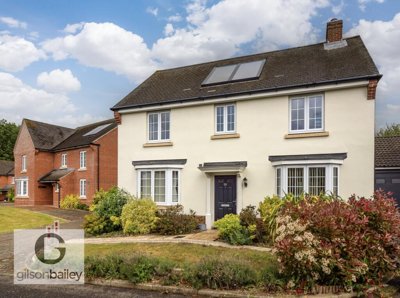
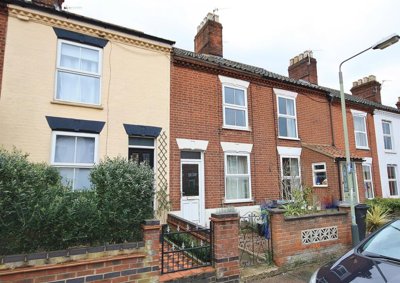
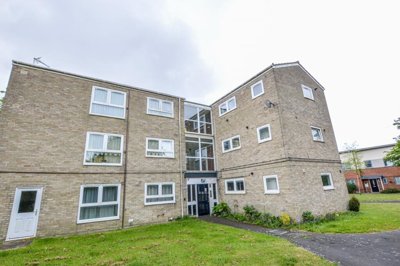
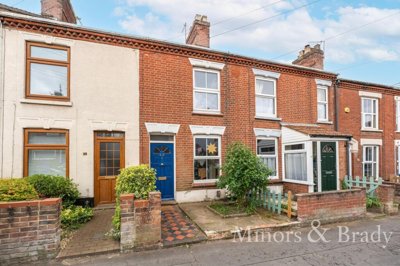
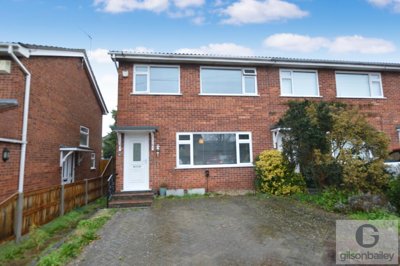
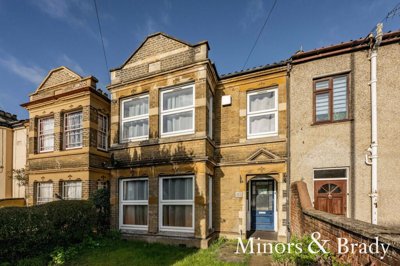
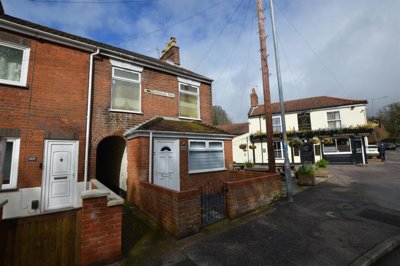
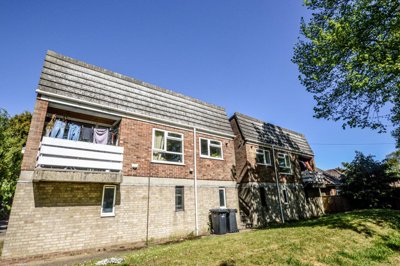
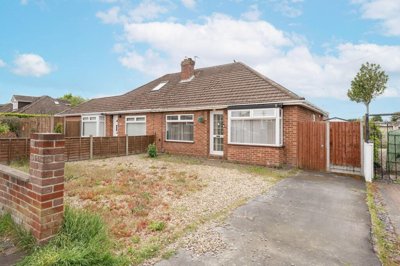
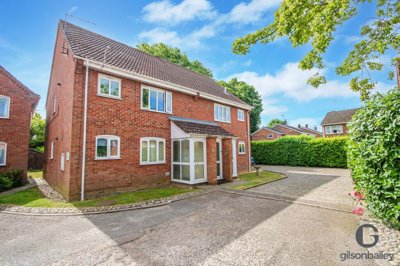
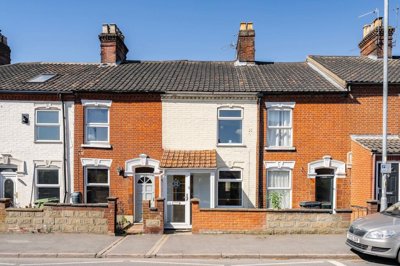
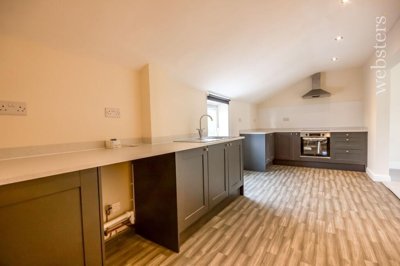
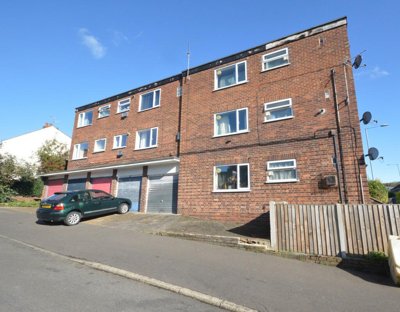
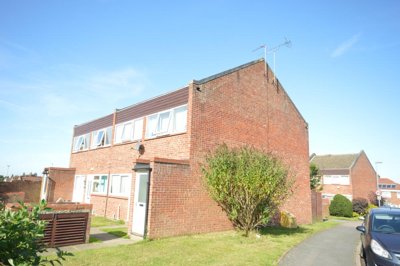
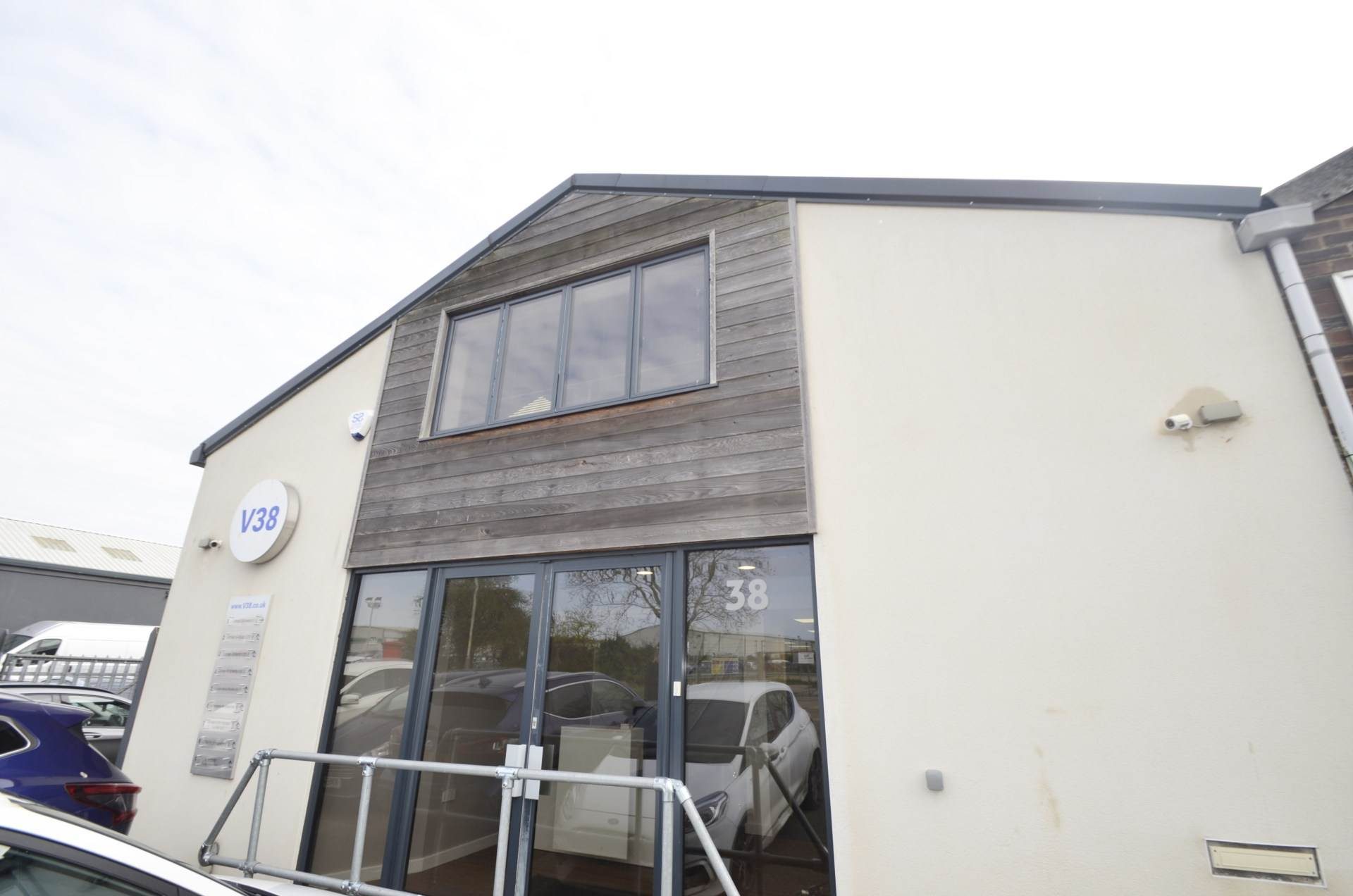
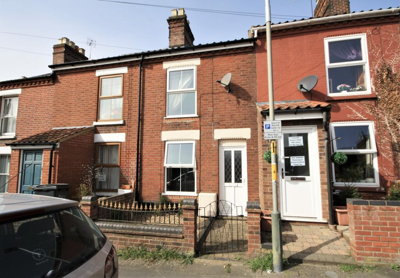
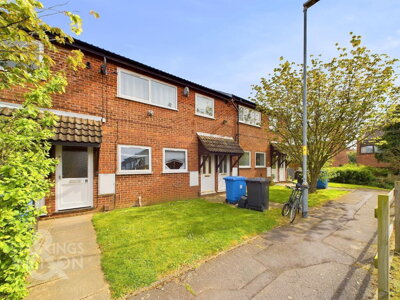
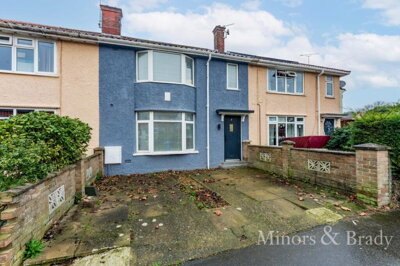
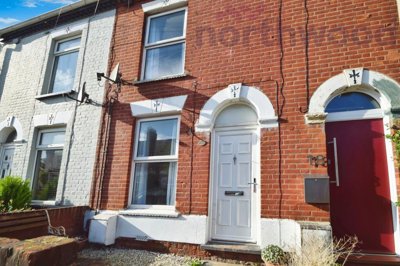
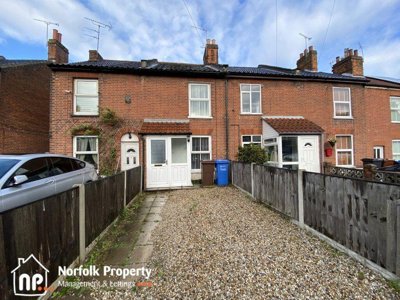
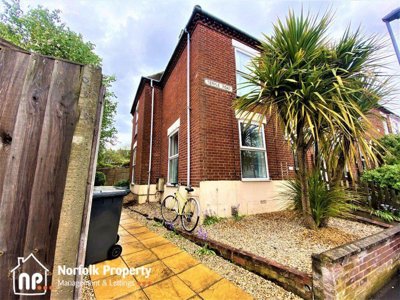
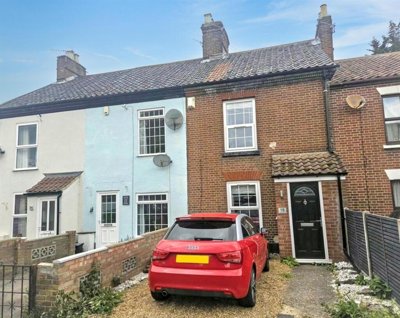
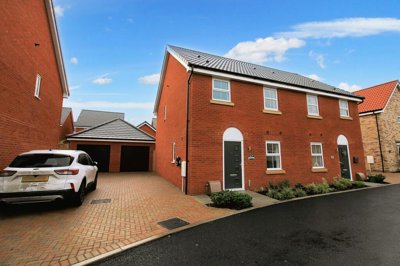
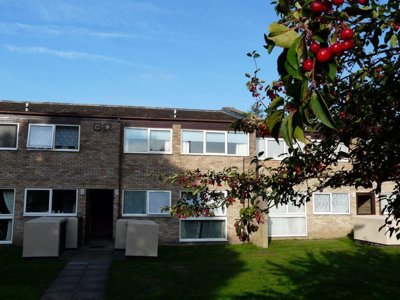
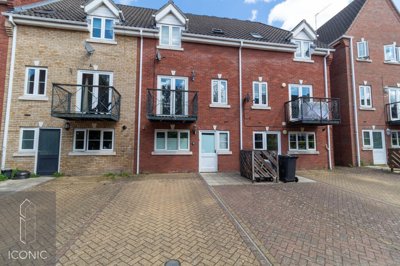
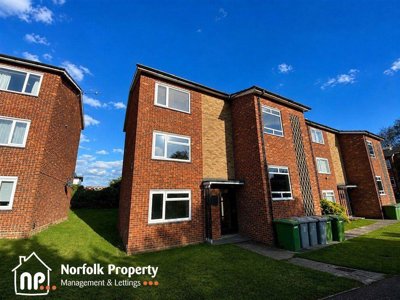
Browse 91 rental homes to rent in Old Catton from local letting agents.
homedata.co.uk records show that Old Catton’s average sold price over the last year sits in the £280,823 to £284,000 range, which is a solid indicator of the local market’s mid-range feel. Detached homes average about £357,776 to £361,660, semi-detached homes sit around £255,069 to £270,329, terraced homes are roughly £235,848 to £238,727, and flats average about £150,083. Those figures point to a market with clear demand for family-sized homes, while still leaving room for renters who prefer a smaller footprint. For anyone planning to rent for a few years, that mix usually means the strongest competition is for well-kept houses close to amenities and transport.
Sales activity has been modest rather than frantic, with PropertyResearch.uk recording 33 sales in Old Catton’s locality in 2025. Detached properties made up 42.4% of sales in that year, so the area leans more toward larger homes than compact starter stock. Price movement has been steady too, with one set of market data showing a 0.6% rise over 12 months and another indicating values were broadly similar to the previous year but about 6% below the 2022 peak of £302,243. That combination suggests a mature market, where renters are more likely to find consistency than dramatic price swings.

Old Catton feels like a village that has grown into a practical northern Norwich address without losing its own identity. The area sits within Broadland and works well for people who want a quieter home base, especially if they do not want the noise and parking pressure that can come with central urban living. Because the research points to detached homes dominating sales, the local housing character leans toward established streets, private gardens, and a more spacious layout than many compact city districts. That makes it attractive to renters who want a steadier neighbourhood with a recognisable residential rhythm.
The supplied research does not give a full demographic table, but the housing mix tells a clear story. A 42.4% detached sales share in 2025 suggests a place that appeals strongly to families, couples with pets, and movers who value room for day-to-day life. In practice, that often means more interest in two and three-bedroom houses than in studio-style stock. It also means renters should move quickly when a good home comes up, because the better houses tend to be remembered by local applicants for all the right reasons.
Old Catton also works well for people who want a sensible balance between convenience and calm. The market is not hyperactive, and that gives the area a more settled feel than places driven by short stays or student demand. At the same time, the average sold price band around £280,823 to £284,000 shows this is not a bargain-basement pocket, so quality, condition, and location still matter. We help renters read that balance properly, so you can tell the difference between a decent listing and a home that genuinely suits how you live.
Families looking at Old Catton usually want to know how easy it is to reach good schools, and the honest answer is that the supplied research does not name specific institutions or Ofsted grades. That means I would treat this as a search area where you should verify catchments, admissions rules, and travel times before you apply. Norfolk and the wider Norwich area give parents a broader choice than a small village alone would suggest, which is useful if you need primary, secondary, or sixth-form options within a realistic commute. The key is to shortlist homes only after checking how the school run will actually work on a wet weekday morning.
For renters with children, I would focus on three checks rather than just a school name. First, confirm the current catchment map with the relevant local authority. Next, look at walking or driving time from the property, not just the straight-line distance. Finally, ask whether the tenancy comes with parking, safe pavement access, and enough space for prams, bikes, or school bags, because those small details make a big difference once term starts.
Old Catton’s family-oriented housing mix makes it a sensible base for education-led moves. Detached and semi-detached homes generally give households more room for homework spaces, storage, and visiting relatives, which is one reason the area feels well suited to settled family life. If you are relocating for a school place, I would also check bus routes and backup childcare arrangements before committing to a tenancy. That extra planning often matters more than the headline location alone.
Commuters use Old Catton as a northern Norwich base because it gives you a quieter home setting while keeping the city within easy reach. The supplied research does not list exact rail times or bus frequencies, so I would avoid guessing and instead check live routes before you arrange your move. What matters most is that the area is close enough to Norwich to suit city workers, but far enough out to offer a calmer residential pace. For many renters, that combination is the main reason Old Catton stays on the shortlist.
For drivers, the local road pattern is usually the deciding factor rather than the postcode itself. If you rely on commuting by car, check how quickly you can reach your usual route during school-run and rush-hour periods, not just on a quiet Sunday afternoon. Parking also deserves attention, because family homes in this type of area can still have variable driveway space, on-street rules, or tighter turning space than you expect. A viewing that includes a parked-car reality check is always more useful than a fast look at the front elevation.
Public transport matters just as much for renters who do not want a second car. Norwich acts as the main rail and city bus hub for the wider area, so Old Catton works best when you are happy to connect into the city rather than live beside a station platform. If your job depends on predictable timing, check the first and last services for your route before you make an offer. That simple step often saves frustration later, especially for shift workers and hybrid workers with fixed office days.
Start with a realistic monthly figure and get a rental budget agreement in principle before you book viewings, so you only chase homes you can comfortably afford.
Decide whether you need parking, garden space, school access, or a quicker route into Norwich, then narrow the search to homes that match your day-to-day routine.
Look closely at heating, glazing, damp, storage, and parking, and test whether the home feels easy to live in at different times of day.
Have ID, employer details, references, and income evidence ready, because good homes in Old Catton can move quickly once the right applicant appears.
Check the deposit amount, tenancy length, break clause, pet rules, and any service or maintenance responsibilities before you sign anything.
Before you collect keys, confirm inventory, meter readings, broadband setup, and contact details for repairs so the first week runs smoothly.
Rental checks in Old Catton should focus on condition as much as on location. The supplied research does not flag a specific flood hotspot, conservation area, or shrink-swell risk, so I would ask street-by-street questions rather than rely on a broad assumption. If a home sits in a flat or low-lying position, check drainage, gutters, garden levels, and whether the landlord has had any recent water or damp issues. For a house that looks immaculate on the surface, a second look at seals, loft insulation, and ventilation can save hassle later.
Flats need a slightly different approach, especially where block rules or service costs are involved. Tenants do not usually pay service charges directly, but those costs can affect how well the building is maintained and how the landlord prices the rent. If you are viewing a leasehold flat, ask about parking permits, bin storage, communal cleaning, and noise transfer between floors. Those details matter in a quieter village-edge area like Old Catton, where many renters want a more peaceful everyday routine.
Older houses can be especially appealing here, but they deserve a careful eye. I would check for dated electrics, old boilers, patch repairs, and any signs of previous alteration that might not match the rest of the home. Because the market leans toward family-sized stock, practical features such as a driveway, shed space, and decent broadband can be just as valuable as a larger lounge. The best rental choice is rarely the prettiest listing photo, it is the property that stays comfortable once you are living there week after week.
The supplied research does not include a verified average rent, so I would not guess a figure. For market context, homedata.co.uk records show average sold prices around £280,823 to £284,000 over the last year, which tells you Old Catton sits in a solid mid-range housing market. Detached homes are much pricier than flats, so rents will vary a lot depending on size, finish, and whether parking or a garden is included. For live asking rents, keep checking our Old Catton search on home.co.uk.
Council tax in Old Catton is set by Broadland District Council, and the band depends on the individual property. Smaller flats and modest terraces usually sit lower than larger detached family homes, but the exact band has to be checked for each address. I always tell renters to confirm the band before they agree to the tenancy, because it affects the total monthly cost. The estate agent should be able to point you to the correct listing information quickly.
The supplied research does not name specific schools or give Ofsted ratings, so I cannot rank schools from the data here. The practical next step is to check Norfolk County Council admissions and compare the nearest primary, secondary, and sixth-form options against your travel needs. Families usually look at catchment, walking safety, and the school-run route rather than choosing on reputation alone. That approach gives a much better fit for real life in Old Catton.
Old Catton is reasonably well placed for Norwich-bound travel, which makes it workable for city commuters. The research supplied does not include timetable data, so you should check live bus and rail connections before moving day. In general, the area suits people who are happy to connect into Norwich rather than live beside a station. If you travel at fixed times, test the route during peak hours before you commit.
Yes, for many renters it is a very sensible choice. The housing market is stable, detached homes dominate sales at 42.4% of the 2025 mix, and the area has a settled village feel that works well for families and long-term tenants. Prices have been broadly steady too, with one dataset showing a 0.6% rise and another placing values about 6% below the 2022 peak. If you want space, calm, and access to Norwich, Old Catton is worth serious attention.
For a rental, expect the usual upfront costs such as a holding deposit, tenancy deposit, and the first month’s rent in advance, plus moving and utility setup costs. In England, tenancy deposits are normally capped at five weeks’ rent for most tenancies, so you should never be asked for an unlimited deposit. If you later compare renting with buying, the current purchase thresholds are 0% up to £250,000, 5% from £250,000 to £925,000, 10% from £925,000 to £1.5 million, and 12% above that, with first-time buyers getting 0% up to £425,000 and 5% from £425,000 to £625,000. That wider cost picture can be useful if Old Catton becomes your long-term base.
Detached homes are the biggest feature in the local sales mix, which is one reason the area feels so family-led. homedata.co.uk records show detached homes around £357,776 to £361,660 on average, while semis, terraces, and flats sit lower, with flats averaging about £150,083. That spread gives renters a useful range of options, from lower-maintenance homes to larger plots and more internal space. If you need a house rather than an apartment, Old Catton is usually a better fit than a compact city-centre district.
From 4.5%
Compare rental budget rates and find the best deal
From £499
Get help with tenancy checks and application readiness
From £350
A detailed report for properties you plan to live in long term
Renting in Old Catton usually means planning for more than just the monthly figure on the listing. A holding deposit can secure the property while checks are completed, then a tenancy deposit and the first month’s rent typically follow once the agreement is ready to sign. Utilities, council tax, broadband, moving costs, and any parking or permit charges should all be built into the first few months of your budget. That is why I always suggest a rental budget agreement in principle before you start booking viewings, especially in a market where the best homes can attract attention quickly.
Energy bills are worth checking as carefully as the rent itself. Ask for the EPC, confirm the heating type, and find out whether the windows, insulation, and boiler are likely to keep costs manageable through the colder Norfolk months. In a neighbourhood like Old Catton, where many homes are family-sized and detached, running costs can vary more than renters expect. A home that looks only slightly cheaper on paper can end up costing more once council tax, heat, and transport are added together.
If you are weighing renting against buying later, the current 2024-25 purchase-fee thresholds are also useful context. The rates are 0% up to £250,000, 5% from £250,000 to £925,000, 10% from £925,000 to £1.5 million, and 12% above £1.5 million, with first-time buyers paying 0% up to £425,000 and 5% from £425,000 to £625,000. That does not change a tenancy itself, but it helps you see where Old Catton sits if your next move is a purchase rather than another rent. For now, the smartest move is to compare whole-household costs, not just the advertised monthly rent, before you choose a home.
Properties to Rent In London

Properties to Rent In Plymouth

Properties to Rent In Liverpool

Properties to Rent In Glasgow

Properties to Rent In Sheffield

Properties to Rent In Edinburgh

Properties to Rent In Coventry

Properties to Rent In Bradford

Properties to Rent In Manchester

Properties to Rent In Birmingham

Properties to Rent In Bristol

Properties to Rent In Oxford

Properties to Rent In Leicester

Properties to Rent In Newcastle

Properties to Rent In Leeds

Properties to Rent In Southampton

Properties to Rent In Cardiff

Properties to Rent In Nottingham

Properties to Rent In Norwich

Properties to Rent In Brighton

Properties to Rent In Derby

Properties to Rent In Portsmouth

Properties to Rent In Northampton

Properties to Rent In Milton Keynes

Properties to Rent In Bournemouth

Properties to Rent In Bolton

Properties to Rent In Swansea

Properties to Rent In Swindon

Properties to Rent In Peterborough

Properties to Rent In Wolverhampton

Enter your details to see if this property is within your budget.
Loans, cards, car finance
Estimated property budget
Borrowing + deposit
You could borrow between
Typical borrowing
Monthly repayment
Est. at 4.5%
Loan-to-value
This is an estimate only. Your actual budget may vary depending on interest rates, credit history, and personal circumstances. For an accurate affordability assessment, speak to one of our free mortgage advisors.
This calculator provides estimates for illustrative purposes only and does not constitute financial advice. Your home may be repossessed if you do not keep up repayments on your mortgage. Estimates based on 4.5% interest rate, repayment mortgage. Actual rates depend on your circumstances.
Homemove is a trading name of HM Haus Group Ltd (Company No. 13873779, registered in England & Wales). Homemove Mortgages Ltd (Company No. 15947693) is an Appointed Representative of TMG Direct Limited, trading as TMG Mortgage Network, which is authorised and regulated by the Financial Conduct Authority (FRN 786245). Homemove Mortgages Ltd is entered on the FCA Register as an Appointed Representative (FRN 1022429). You can check registrations at NewRegister or by calling 0800 111 6768.

We use cookies to show you personalised content and improve your experience of our website. Find out more in our Privacy policy and Cookie policy.