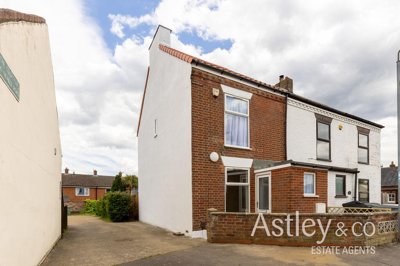
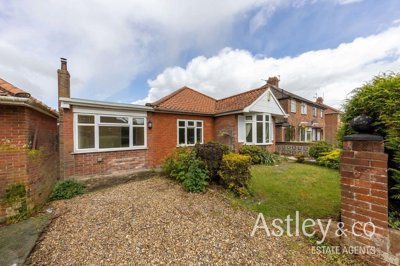
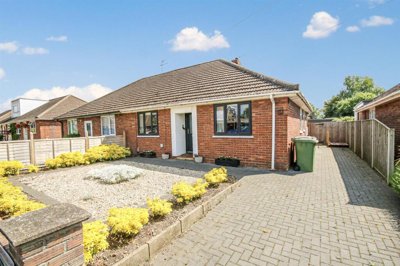
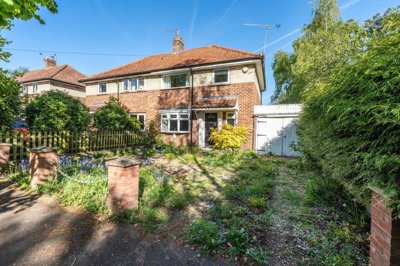
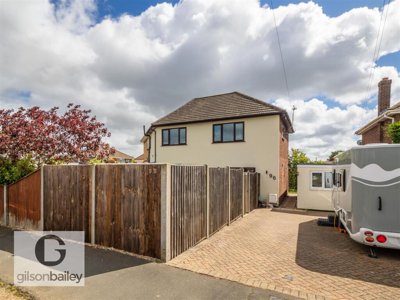
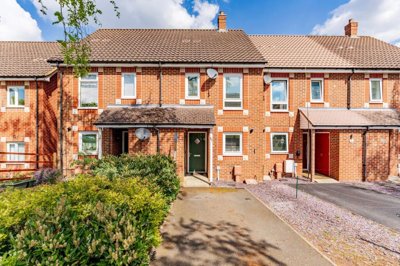
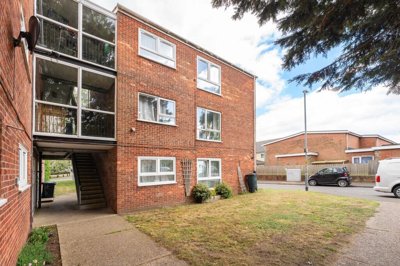
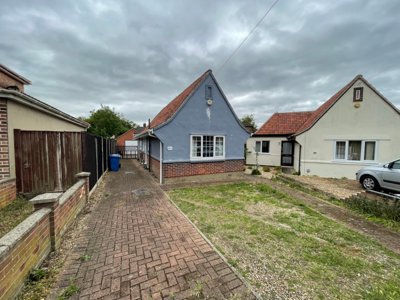
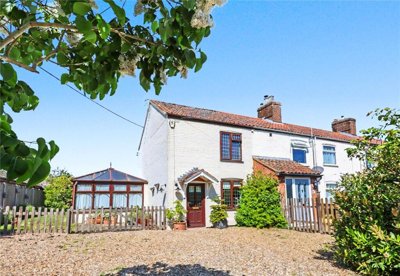
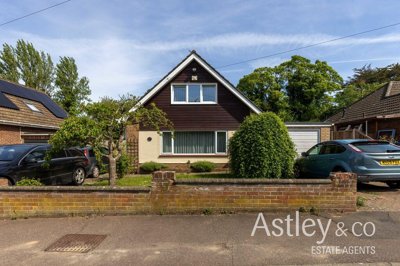
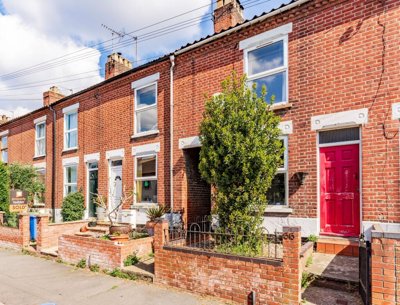
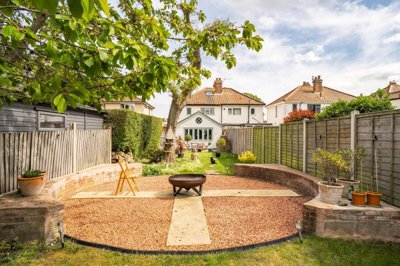
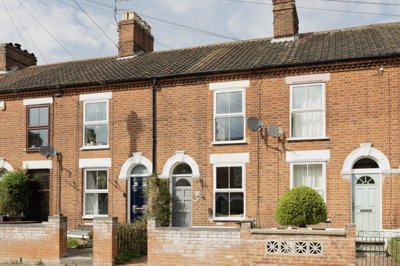
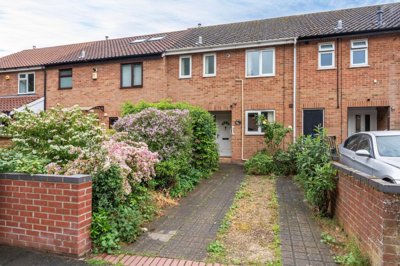
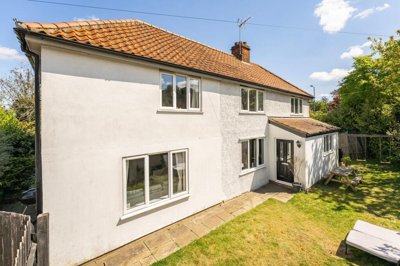
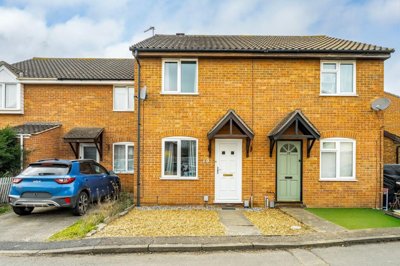
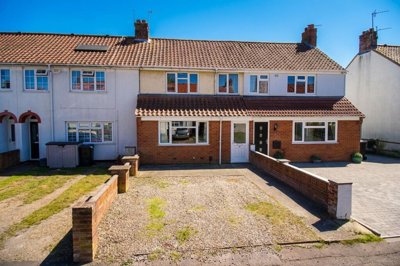
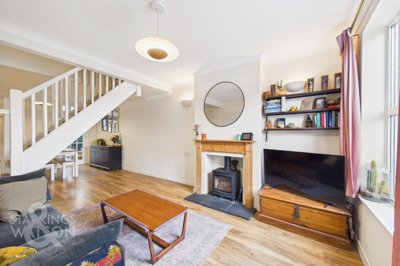
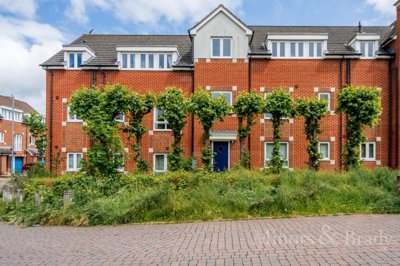
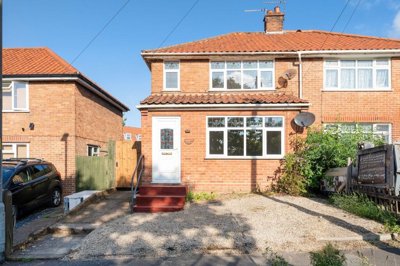
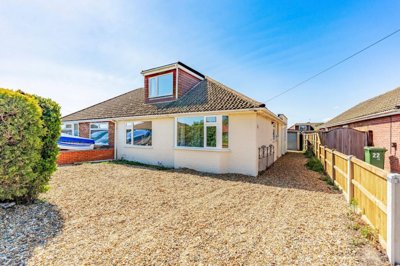
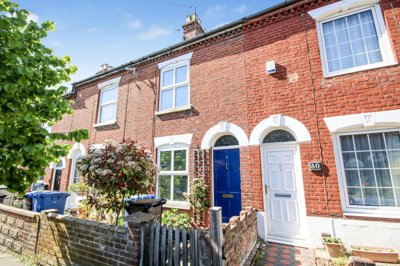
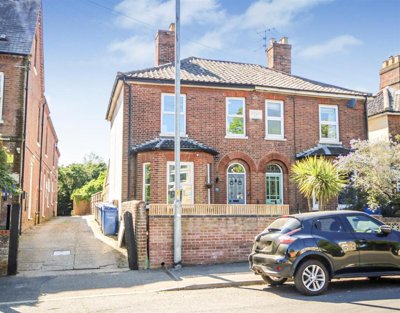
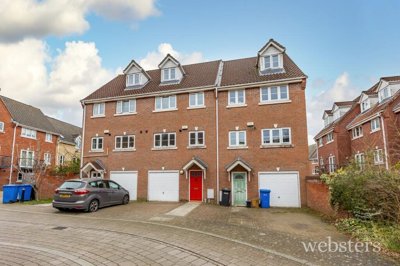
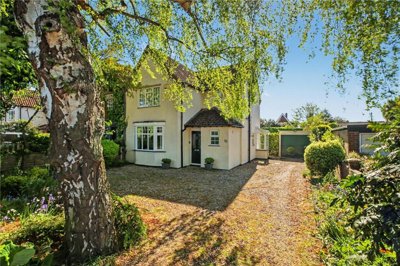
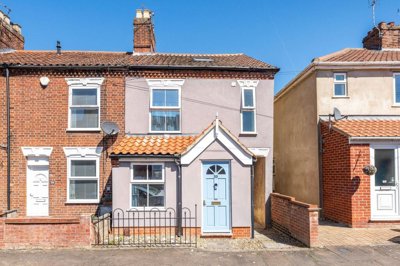
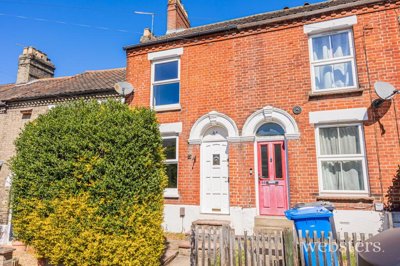
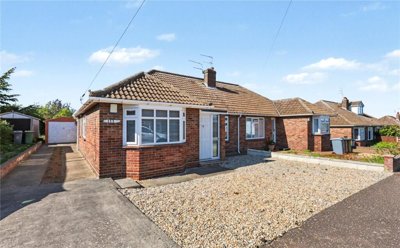
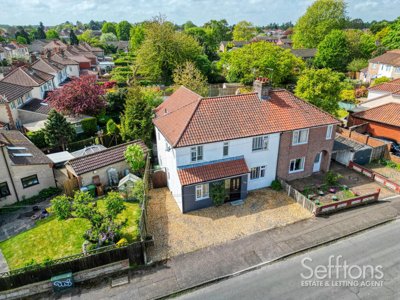
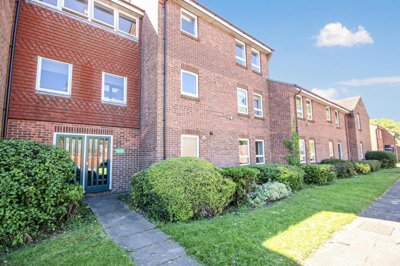
Browse 637 homes for sale in Old Catton from local estate agents.
homedata.co.uk records show that prices in Old Catton have been broadly flat over the last 12 months, with the market hovering around the £281,761 average sold price. That leaves the area roughly 6% below the 2022 peak of £302,243, so buyers have not been chasing a steeply rising market. Detached homes remain the headline option at about £361,596, which is well above the overall average and reflects the appeal of larger plots and family-sized layouts. For a buyer, that means house type matters as much as postcode, because a terrace, semi and detached home can sit in very different price brackets.
Detached properties accounted for 42.4% of sales in 2025, which tells you the area is still heavily house-focused. The live market also includes new-build choices, including 2-bedroom apartments and 2, 3 and 4-bedroom houses, although the supplied research does not verify a named scheme or postcode. That makes it important to compare finish, parking and running costs as well as headline price. Buyers who want value at the lower end of the range may find flats around £150,083 and terraces around £238,727 provide a useful entry point, while semis tend to sit in the middle.

Old Catton sits in Broadland on the north side of Norwich, so daily life here feels tied to the city while still keeping a village identity. The research points to a housing mix where detached homes lead sales, which usually means gardens, driveways and a bit more space between neighbours. That suits buyers who want a settled residential setting rather than a dense urban street pattern. It also hints at a market that appeals to owner-occupiers who plan to stay put, not just short-term investors.
Essential local amenities are part of the appeal, because the area works best when day-to-day needs can be handled without long trips across the county. The supplied research does not give a formal geology note, flood map or conservation profile, so plot-specific checks matter more than assumptions about the whole neighbourhood. Buyers should still judge each home on access, outlook, garden levels and surrounding streets. For many movers, Old Catton offers the practical middle ground between a quieter home base and quick access to Norwich services, shopping and employment.
Detailed school performance data was not included in the supplied research, so the safest approach is to check current admissions rather than rely on a broad postcode reputation. Families looking in Old Catton usually start with local primary provision, then compare nearby Norwich secondary options and sixth forms by travel time, catchment and inspection history. That matters because a home can sit only a few streets outside your preferred boundary, even when it looks ideal on paper. If school access is a major reason for your move, ask the council and the schools directly before you commit to an offer.
Old Catton benefits from being close enough to Norwich to widen your education choices, which is useful if you want more than a single village catchment. The practical advantage is flexibility, because parents can often consider both local and city-based routes without giving up a neighbourhood feel. We have not quoted Ofsted grades here since they were not part of the supplied data, so the current inspection report should be checked for each school on your shortlist. A mortgage agreement in principle also helps if you need to move quickly for a home that sits in the right admissions area.
Buyers with younger children should think about the school run as part of the purchase, not as an afterthought. Journey length, drop-off congestion and parking around school gates can shape everyday life far more than a glossy brochure does. For that reason, a viewing should include the route to the schools you would actually use, not just the route suggested by a map app. In a place like Old Catton, convenience and catchment together often decide which properties stand out.
Old Catton’s location on the northern side of Norwich gives it a strong practical position for commuters. Bus links into Norwich are the everyday transport backbone, while drivers can reach the city’s outer routes and the wider Broadland road network without much detour. That mix works well for households that want a quieter home base but still need city access for work, shopping or school runs. Parking also tends to feel easier here than in the centre of Norwich, which is one reason family houses with driveways are so popular.
Rail travel is handled through Norwich station, which opens the door to London Liverpool Street and other East Anglian destinations. Faster services to London are typically under two hours, so the area can work for people who travel regularly but do not need to commute every day by train. Cyclists should test the route from a shortlist property to local bus stops, shops and the station approach, because small junctions can change the feel of a daily trip. Checking road conditions at peak times is a smart move too, especially if your commute overlaps with the school run.

Start with a mortgage agreement in principle so you know your budget and can move quickly when the right Old Catton home comes up.
Compare live asking prices on home.co.uk with sold-price evidence from homedata.co.uk, then judge each home by type, size, parking and condition.
Visit in daylight and again later if you can, because traffic, parking and street noise can feel very different at school-run or evening hours.
A RICS Level 2 survey is a sensible choice for most conventional homes here, especially if the property is older or has visible wear.
Get conveyancing started early so searches, title checks and enquiries do not hold up your purchase when the seller is ready to move.
Once finance, survey and legal work are in place, you can exchange with more confidence and complete on a date that suits your chain.
The first check in Old Catton is the house itself, because the area’s strongest value tends to sit in detached and semi-detached homes rather than in very high-density stock. Older properties should be inspected for roof condition, damp, guttering and any signs of previous alterations, especially if the home has been extended. The research does not point to a specific area-wide structural problem, but that does not remove the need for a proper survey. Good buying here is about matching the right plot and layout to your long-term plans.
Flood risk has not been flagged as a named issue in the supplied research, yet every Norfolk purchase should still include a plot-by-plot check. Surface water, drainage and garden levels can vary street by street, so it is worth asking how the property behaves after heavy rain. Conservation status and listed building detail were also not verified, which means planning history should be checked before you assume an extension or window change was straightforward. If the property is on a busy route or near a school-run corridor, a second viewing at the right time of day can reveal more than the first.
Flats need a slightly different approach, because the lower entry price around £150,083 can be attractive but service charges, ground rent and lease length may shape the real cost. Ask for the lease term, the size of the annual charge and whether any major works are planned. For houses, focus on freehold boundaries, driveway rights and whether parking is shared or allocated. A good Old Catton purchase is usually the one where the price, the plot and the practical upkeep all line up cleanly.
homedata.co.uk records show the average sold price in Old Catton is about £281,761 over the last year. Detached homes sit much higher at roughly £361,596, while semis are around £255,069, terraces about £238,727 and flats near £150,083. That range means the market offers options for buyers at very different budgets. It also shows why house type matters so much here, because the same area can look affordable or premium depending on the property style.
Council tax in Old Catton depends on the individual property, so homes can fall into any of the standard bands from A to H. Bills are set through the local Broadland area tax system, with the final amount affected by the home’s band and the local precepts in force. A flat and a detached family house can sit in very different bands, even on the same street. The safest move is to check the band for the specific address before you make an offer.
The supplied research does not include verified school performance data for Old Catton, so the best answer is to check current catchments and inspection reports before you buy. Families usually compare nearby primary options first, then look at secondary schools and sixth forms across Norwich and Broadland. Catchment lines can shift, so a home that looks ideal on a map may not sit in the boundary you want. If schooling is a priority, contact the schools and the admissions team before you rely on any online listing.
Old Catton is well placed for everyday travel into Norwich, with buses doing most of the day-to-day work. Norwich station provides the rail link for longer trips, including London Liverpool Street and other East Anglian destinations. Drivers also benefit from a decent road position on the north side of the city, which keeps access practical for work and shopping. Peak-time traffic can still slow short journeys, so it is worth checking your route at the time you would normally travel.
The market looks steady rather than speculative, which suits buyers who want a long-term hold rather than a quick flip. homedata.co.uk records show prices have been broadly flat over the last 12 months, and that gives investors a clearer view of yield versus capital growth. Detached homes make up a strong share of sales, while flats provide a lower entry point for those chasing affordability. If you are buying to let or planning for future resale, the strongest prospects are usually the homes with good parking, sensible layouts and easy access to Norwich.
For a standard buyer, current SDLT rules charge 0% up to £250,000, then 5% on the portion from £250,000 to £925,000. On the Old Catton average sold price of £281,761, that works out at about £1,588.05 in stamp duty for a main residence purchase. First-time buyers pay 0% up to £425,000, so a purchase at that average price would attract no SDLT if relief applies. If you are buying a second home, ask your solicitor to calculate any extra surcharge before you exchange.
Detached homes are the strongest category in the research, accounting for 42.4% of sales in 2025. That points to a market where family space, gardens and parking are highly valued. Semis are the next most useful middle ground for buyers who want more room without stretching to a detached price. Flats and terraces still matter, though, because they give first-time buyers and downsizers a way into the area.
From 4.5%
Compare mortgage rates and secure your agreement in principle
From £499
Expert solicitors to handle searches, contracts and completion
From £350
Homebuyer report for conventional homes and older properties
Stamp duty is one of the easiest costs to underestimate, so it helps to work it out early rather than after you have found the right home. For the current rules, a standard buyer pays 0% up to £250,000, then 5% from £250,000 to £925,000, 10% from £925,000 to £1.5 million and 12% above that. First-time buyers pay 0% up to £425,000 and 5% from £425,000 to £625,000, with no relief above £625,000. That means a first-time buyer at the Old Catton average price would pay no SDLT, while a typical mover would pay tax only on the slice above £250,000.
Using the local average sold price of £281,761, a standard home mover would pay about £1,588.05 in stamp duty before legal fees, survey costs and mortgage charges. A detached home at around £361,596 would trigger a larger bill, so the price bracket can change your upfront budget quite quickly. If you are buying a flat or a lower-priced terrace, the tax cost may be lighter, but leasehold costs can still add up. When you are comparing homes in Old Catton, factor in stamp duty alongside the deposit so your offer stays realistic.
Properties for Sale In London

Properties for Sale In Plymouth

Properties for Sale In Liverpool

Properties for Sale In Glasgow

Properties for Sale In Sheffield

Properties for Sale In Edinburgh

Properties for Sale In Coventry

Properties for Sale In Bradford

Properties for Sale In Manchester

Properties for Sale In Birmingham

Properties for Sale In Bristol

Properties for Sale In Oxford

Properties for Sale In Leicester

Properties for Sale In Newcastle

Properties for Sale In Leeds

Properties for Sale In Southampton

Properties for Sale In Cardiff

Properties for Sale In Nottingham

Properties for Sale In Norwich

Properties for Sale In Brighton

Properties for Sale In Derby

Properties for Sale In Portsmouth

Properties for Sale In Northampton

Properties for Sale In Milton Keynes

Properties for Sale In Bournemouth

Properties for Sale In Bolton

Properties for Sale In Swansea

Properties for Sale In Swindon

Properties for Sale In Peterborough

Properties for Sale In Wolverhampton

Enter your details to see if this property is within your budget.
Loans, cards, car finance
Estimated property budget
Borrowing + deposit
You could borrow between
Typical borrowing
Monthly repayment
Est. at 4.5%
Loan-to-value
This is an estimate only. Your actual budget may vary depending on interest rates, credit history, and personal circumstances. For an accurate affordability assessment, speak to one of our free mortgage advisors.
This calculator provides estimates for illustrative purposes only and does not constitute financial advice. Your home may be repossessed if you do not keep up repayments on your mortgage. Estimates based on 4.5% interest rate, repayment mortgage. Actual rates depend on your circumstances.
Homemove is a trading name of HM Haus Group Ltd (Company No. 13873779, registered in England & Wales). Homemove Mortgages Ltd (Company No. 15947693) is an Appointed Representative of TMG Direct Limited, trading as TMG Mortgage Network, which is authorised and regulated by the Financial Conduct Authority (FRN 786245). Homemove Mortgages Ltd is entered on the FCA Register as an Appointed Representative (FRN 1022429). You can check registrations at NewRegister or by calling 0800 111 6768.

We use cookies to show you personalised content and improve your experience of our website. Find out more in our Privacy policy and Cookie policy.