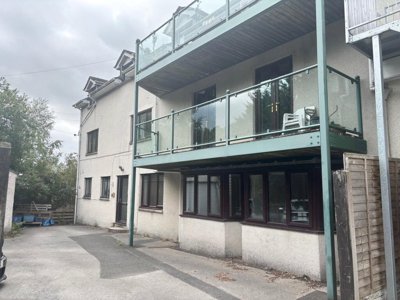
Browse 1 rental home to rent in Milnthorpe, Westmorland and Furness from local letting agents.
Studio apartments feature open-plan living spaces without separate bedrooms, incorporating sleeping, living, kitchen, and bathroom facilities. The Milnthorpe studio market includes properties in modern apartment complexes, converted Victorian and Georgian buildings, and purpose-built developments.
£0/m
0
0
0
Source: home.co.uk
Showing 0 results for Studio Flats to rent in Milnthorpe, Westmorland and Furness.
The rental market in Milnthorpe reflects the broader property trends affecting the LA7 7 postcode area, where house prices saw an 11.7% decrease in the last year after accounting for inflation. This market correction has created opportunities for renters, as some property owners have shifted from selling to letting, expanding the available stock. The majority of properties available for rent in Milnthorpe tend to be semi-detached and terraced houses, mirroring the sales market where semi-detached properties command around £268,200 and terraced homes average approximately £260,000. Our local agent network reports consistent enquiry levels from tenants seeking both period character homes and modern convenience.
Several new housing developments are reshaping Milnthorpe's property landscape. The Meadows development on Beetham Road by Oakmere Homes represents the largest recent addition, featuring 111 houses, six bungalows, and eight apartments, with 19 units designated as affordable housing. This mix of housing types has diversified what was traditionally a village of period stone properties, introducing apartments and bungalows that appeal to renters at different life stages. Smaller developments such as the Cross Keys Hotel site planning application and completed projects like St Anthony's Close have also contributed to the village's housing stock.
For renters, the diversity of new build options means access to properties with contemporary energy efficiency standards alongside historic character homes. Modern apartments and bungalows on The Meadows development offer easier maintenance and lower heating costs compared to traditional limestone buildings, making them particularly attractive for older tenants or those new to the area. Meanwhile, the ongoing development activity signals continued investment in the village infrastructure, supporting community facilities and local services that benefit all residents.

Milnthorpe's character is defined by its distinctive limestone architecture, a direct result of the village's location on Carboniferous limestone geology. Buildings throughout the village showcase locally quarried pale grey stone, often rendered or roughcast with limewash historically, and roofed with the characteristic blue-grey slate from Kirkby Moor. The Conservation Area encompasses The Square, the graveyard of St Thomas' Church, and connecting lanes between Haverflatts Lane and Main Street, preserving the historic core that dates back centuries. Thirteen Grade II listed buildings including Harmony Hall, the Market Cross, and the Cross Keys Hotel form an architectural heritage that gives Milnthorpe its unique sense of place.
The village supports a population of approximately 2,150 residents and maintains a surprising range of amenities for its size. Local industry includes a remarkable 300-year-old comb making business, alongside farming and tourism that capitalise on Milnthorpe's position as a convenient Lake District stop-off point. Nearby attractions such as Levens Hall with its famous topiary gardens and the Lakeland Wildlife Oasis draw visitors to the area, while the village itself offers practical facilities including convenience shops, traditional pubs, and professional services. The Bela and Kent rivers shape the western edge of the village, creating flood plains that demand attention when considering property locations, though the village centre occupies a relatively safe flattish shelf of land between the hills and the estuary.
The area's economic character blends traditional trades with contemporary employment. Farming remains important in the surrounding countryside, while tourism provides seasonal work tied to Lake District visitor traffic. Milnthorpe's position on the A6 trunk road and proximity to Kendal ensures reasonable access to broader employment markets, while the village itself supports local businesses serving the residential community. For renters, this means the opportunity to live in a village with genuine character and community spirit while maintaining connections to larger employment centres.

Families considering renting in Milnthorpe will find educational provision within the village and the surrounding Westmorland and Furness area. St Thomas' Primary School serves the village's youngest residents, with the 19th-century St Thomas' Church overlooking The Green as a local landmark and a reminder of the area's heritage. The school draws pupils from Milnthorpe itself and surrounding hamlets, creating a community feel typical of rural primary education. Parents should visit the school and speak with staff about current capacity and admissions arrangements before committing to a rental property.
For secondary education, students typically travel to nearby schools in Kendal or further afield, making transport connections an important consideration for families with school-age children. Options include both grammar schools and comprehensive schools in the surrounding towns, with admissions determined largely by catchment area policies and selective entrance criteria. The journey times involved mean that families should factor school transport arrangements into their rental location decisions, particularly if relying on public transport or staggered school start times across siblings.
Sixth form provision and further education colleges are accessible in Kendal and Lancaster, offering academic and vocational routes for older students. Kendal College provides a range of vocational courses, while the University of Lancaster is within reasonable commuting distance for older students pursuing higher education. When renting property in Milnthorpe, confirming school places and understanding transport arrangements to educational institutions should form part of your planning process, ideally before signing a tenancy agreement.

Milnthorpe sits at a strategic crossroads in south Cumbria, offering reasonable connectivity despite its village setting. The village lies on the A6 trunk road, providing direct access to Kendal to the north and Lancaster to the south, while the M6 motorway is reachable within a short drive, connecting residents to the broader national road network. For commuters working in larger towns, journey times can be manageable, though those accustomed to urban public transport may need to adapt to more car-dependent lifestyles. Local bus services operated by Stagecoach and other providers connect Milnthorpe with surrounding villages and towns, but frequency may be limited compared to urban areas.
Rail connections are available at nearby stations including Kendal and Carnforth, providing access to the wider rail network including services to Manchester, Leeds, and Glasgow. The village's position means that car travel remains essential for many residents, and parking provision at rental properties can be a significant consideration when choosing a home. Those without vehicles should carefully research current bus timetables and consider whether the village's limited public transport will meet their daily needs for work, shopping, and social activities.
Cyclists will find some routes available through the South Lakes, though the local terrain includes undulating limestone hills that can present challenges for less experienced riders. The Kent and Bela river valleys offer some flatter cycling options, while the nearby Lake District roads attract both leisure and commuting cyclists. For those working in the Lake District tourism sector, local agriculture, or the service industries that support Milnthorpe's resident and visitor populations, the village's central position offers reasonable access to employment across the region.

Before viewing properties, secure a rental budget agreement in principle from a lender. This document demonstrates your financial capacity to letting agents and landlords, giving your application credibility when competing against other potential tenants. In Milnthorpe's competitive rental market, having your finances arranged before viewing properties can make the difference between securing a home and missing out.
Spend time exploring different neighbourhoods within and around Milnthorpe before committing to viewings. Consider proximity to the River Bela flood plain in the western village, local amenities on The Square and Main Street, school catchments, and transport connections. Understanding the Conservation Area boundaries can help you identify properties with specific planning considerations that may affect modifications or improvements.
Contact local letting agents to arrange viewings of available rental properties in Milnthorpe. Take notes on property condition, maintenance needs, and any signs of damp or roof issues common in older limestone buildings. Ask about lease terms, included fixtures, and landlord responsibilities for maintenance of the historic fabric. We recommend viewing properties in different weather conditions if possible to assess heating efficiency and any water penetration issues.
The rental market in Milnthorpe reflects the broader property trends affecting the LA7 7 postcode area, where house prices saw an 11.7% decrease in the last year after accounting for inflation. This market correction has created opportunities for renters, as some property owners have shifted from selling to letting, expanding the available stock. The majority of properties available for rent in Milnthorpe tend to be semi-detached and terraced houses, mirroring the sales market where semi-detached properties command around £1,100 pcm and terraced homes average approximately £260,000. Our local agent network reports consistent enquiry levels from tenants seeking both period character homes and modern convenience.
Once you have agreed to rent a property, your landlord will require tenant referencing checks covering credit history, employment verification, and previous landlord references. In Milnthorpe, where rental properties can attract multiple enquiries, having your referencing documentation prepared in advance helps speed up the process. Prepare payslips, bank statements, and contact details for previous landlords to avoid delays in securing your chosen property.
Review the tenancy agreement carefully, noting the deposit amount, rent payment schedule, and any specific conditions relating to the property's historic character. Your deposit will be protected in a government-approved scheme within 30 days of receiving it, and you should receive written confirmation of this. Before moving day, conduct a thorough inventory check with your landlord or letting agent to document the property's condition and avoid disputes when you eventually move out.
Renting in Milnthorpe requires awareness of local environmental factors that may not affect properties in other areas. The village's proximity to the Rivers Kent and Bela and the tidal reaches of Morecambe Bay means that flood risk should be carefully considered when choosing a property location. Properties on the western edges of the village, closer to the flood plain, may face higher insurance costs or potential disruption during extreme weather events. We recommend asking landlords for any history of flooding and checking the Environment Agency flood risk maps before committing to a tenancy in the LA7 7 area.
The age and construction of Milnthorpe's housing stock presents both opportunities and considerations for renters. Traditional limestone buildings offer excellent thermal mass and period character, but older properties may have issues with damp penetration due to the slightly porous nature of local stone. Look for signs of damp on walls, particularly in older rendered properties, and check the condition of slate roofs, which may require maintenance on properties of any age. Properties within the Conservation Area may have restrictions on modifications, so clarify what changes you can make before signing a tenancy agreement.
Energy efficiency varies considerably across Milnthorpe's mixed housing stock. Historic stone buildings may have solid walls without cavity insulation, resulting in higher heating costs during Cumbria's cold winters. Newer developments like The Meadows on Beetham Road should offer better thermal performance, with modern construction meeting current building regulations. We recommend requesting an EPC certificate and considering the long-term running costs of any property you are considering. Ground rent and service charges on apartments should be clearly explained by landlords, as these ongoing costs can significantly affect the true cost of renting.

For older properties, particularly those in the Conservation Area or with listed building status, we strongly recommend booking a RICS Level 2 Survey before committing to a tenancy. These professional inspections typically cost between £400 and £1,000 depending on property size, and can identify structural concerns, damp in limestone walls, slate roof condition, or other maintenance needs that might not be apparent during viewings. A thorough survey gives you negotiating leverage and ensures you understand the property's condition before taking on a tenancy.
Properties in Milnthorpe fall under Westmorland and Furness Council's jurisdiction. Council tax bands range from A to H based on property value, with most residential properties in the village falling within bands A through D. Historic properties, those with unusual characteristics, and properties in the Conservation Area may have unusual valuations due to their character features. Contact Westmorland and Furness Council directly or check the council tax band on the property listing before budgeting for your move to Milnthorpe.
St Thomas' Primary School serves Milnthorpe and the surrounding area for primary education, with the distinctive 19th-century St Thomas' Church overlooking the school grounds. For secondary education, families typically consider schools in nearby towns including Kendal Grammar School and other options in the wider area, with transport arrangements being an important factor in location decisions. School performance changes over time, so we recommend checking current Ofsted ratings and understanding admissions policies before committing to a rental property in the area.
Milnthorpe has limited public transport provision compared to larger towns, with local bus services connecting the village to surrounding communities and towns including Kendal and Lancaster. Rail services are accessible via stations in the wider area, though car travel remains the most practical option for most daily activities. Those relying on public transport should research current bus timetables carefully and consider the implications for commuting to work or accessing services. Many Milnthorpe residents find that car ownership is practically necessary for daily life, though the village's compact centre allows for walking to local amenities.
Milnthorpe offers a distinctive living experience that appeals to those seeking village character, natural surroundings, and access to the Lake District without city prices. The village has a friendly community atmosphere with local shops, pubs, and services meeting day-to-day needs, while the limestone architecture and Conservation Area create genuine visual appeal. However, the limited public transport, potential flood risk near the river, and the age of much housing stock are practical considerations that renters should factor into their decision. Recent new developments like The Meadows have expanded housing options, and the rental market can be competitive for properties in good condition.
Specific rental price data for Milnthorpe is not publicly tracked in the same way as sale prices, but the sales market provides useful context. Average sale prices in the LA7 7 postcode area range from £260,000 to £325,000 depending on property type and source, with detached properties achieving £427,000-£481,000, semi-detached homes around £268,000, and terraced properties approximately £260,000. Rental prices typically reflect a percentage of these sale values, with actual rents depending on property size, condition, and current market competition. Contact local letting agents in Milnthorpe for current rental pricing on specific property types you are interested in.
Flood risk is a genuine consideration when renting in Milnthorpe due to the village's position near the estuarine flood plain of the Rivers Kent and Bela and the upper tidal reaches of Morecambe Bay. The western parts of the village are closest to these flood risk areas, while the village centre on higher ground may be less susceptible to riverine flooding. We recommend requesting information about any flooding history from your landlord and checking Environment Agency flood risk maps before committing to a tenancy. Properties in flood-risk zones may have higher insurance premiums, and you should consider whether your belongings would be adequately covered by your own contents insurance.
Milnthorpe has a designated Conservation Area and 13 Grade II listed buildings, representing a significant proportion of historic property stock for a village of its size. Listed buildings include Harmony Hall, the Market Cross, Milnthorpe Bridge over the River Bela, and various houses along Church Street and Park Road. If you are renting a listed building or a property within the Conservation Area, you should understand that there may be restrictions on modifications and alterations. These properties often require specialist maintenance approaches using traditional materials and methods, which can affect both the character and the maintenance responsibilities associated with the tenancy.
Standard deposits for rental properties in England are capped at five weeks' rent where the annual rent is less than £50,000. For a property renting at £850 per month, this would equate to a £3,692 deposit. You will typically also pay a holding fee to reserve a property while referencing is completed, often equivalent to one week's rent at £850. Other costs may include reference fees, inventory check fees, and the first month's rent in advance. As a first-time renter, your deposit remains protected in a government-approved scheme, and you should receive written confirmation of this within 30 days.
Understanding the full cost of renting in Milnthorpe requires budgeting beyond simply the monthly rent. The initial costs include a security deposit typically capped at five weeks' rent, a holding fee to reserve the property during referencing usually equivalent to one week's rent, and the first month's rent in advance. For a property priced at £850 per month, you would need approximately £4,925 ready before moving day, comprising one month's rent at £850, a deposit of £3,654, and a holding fee of £850. Additional costs include moving expenses, potential furniture purchases, and connection fees for utilities and internet services.
Ongoing costs during your tenancy include council tax typically bands A through D for most Milnthorpe properties under Westmorland and Furness Council, utility bills, and contents insurance. Properties with poor energy efficiency, particularly solid-walled stone cottages without cavity insulation, may incur higher heating costs during Cumbria's cold winters. Ask the landlord for recent utility bills and check the EPC rating before committing. By budgeting carefully for all these costs, you can ensure that renting in Milnthorpe remains affordable throughout your tenancy and avoid any financial surprises during your occupation of the property.
Properties to Rent In London

Properties to Rent In Plymouth

Properties to Rent In Liverpool

Properties to Rent In Glasgow

Properties to Rent In Sheffield

Properties to Rent In Edinburgh

Properties to Rent In Coventry

Properties to Rent In Bradford

Properties to Rent In Manchester

Properties to Rent In Birmingham

Properties to Rent In Bristol

Properties to Rent In Oxford

Properties to Rent In Leicester

Properties to Rent In Newcastle

Properties to Rent In Leeds

Properties to Rent In Southampton

Properties to Rent In Cardiff

Properties to Rent In Nottingham

Properties to Rent In Norwich

Properties to Rent In Brighton

Properties to Rent In Derby

Properties to Rent In Portsmouth

Properties to Rent In Northampton

Properties to Rent In Milton Keynes

Properties to Rent In Bournemouth

Properties to Rent In Bolton

Properties to Rent In Swansea

Properties to Rent In Swindon

Properties to Rent In Peterborough

Properties to Rent In Wolverhampton

Enter your details to see if this property is within your budget.
Loans, cards, car finance
Estimated property budget
Borrowing + deposit
You could borrow between
Typical borrowing
Monthly repayment
Est. at 4.5%
Loan-to-value
This is an estimate only. Your actual budget may vary depending on interest rates, credit history, and personal circumstances. For an accurate affordability assessment, speak to one of our free mortgage advisors.
This calculator provides estimates for illustrative purposes only and does not constitute financial advice. Your home may be repossessed if you do not keep up repayments on your mortgage. Estimates based on 4.5% interest rate, repayment mortgage. Actual rates depend on your circumstances.
Homemove is a trading name of HM Haus Group Ltd (Company No. 13873779, registered in England & Wales). Homemove Mortgages Ltd (Company No. 15947693) is an Appointed Representative of TMG Direct Limited, trading as TMG Mortgage Network, which is authorised and regulated by the Financial Conduct Authority (FRN 786245). Homemove Mortgages Ltd is entered on the FCA Register as an Appointed Representative (FRN 1022429). You can check registrations at NewRegister or by calling 0800 111 6768.

We use cookies to show you personalised content and improve your experience of our website. Find out more in our Privacy policy and Cookie policy.