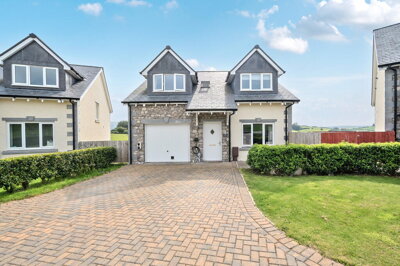
Browse 1 home new builds in Milnthorpe, Westmorland and Furness from local developer agents.
£250k
17
0
110
Source: home.co.uk
Source: home.co.uk
Semi-Detached
4 listings
Avg £269,239
Terraced
4 listings
Avg £253,250
End of Terrace
3 listings
Avg £260,000
Cottage
2 listings
Avg £280,000
Apartment
1 listings
Avg £124,700
Detached
1 listings
Avg £495,000
Semi-Detached Bungalow
1 listings
Avg £185,000
terraced
1 listings
Avg £250,000
Source: home.co.uk
Source: home.co.uk
Milnthorpe's property market reflects its dual nature as both a historic rural village and a convenient Lake District gateway. Detached properties command the highest prices here, averaging around £446,667 according to home.co.uk listings data, with semi-detached homes selling for approximately £266,696 and terraced properties at around £232,500. This pricing structure makes Milnthorpe notably more affordable than villages deeper within the Lake District National Park, where similar detached properties regularly exceed £600,000. The LA7 7 postcode covering Milnthorpe saw 118 property sales over the past two years, indicating steady transaction volumes for a settlement of this size.
Price trends show some fluctuation in recent periods, with home.co.uk data indicating either a 13% annual increase or a 6% decline depending on the comparison period, while the LA7 7 postcode experienced an 11.7% price fall in the last year after adjusting for inflation. These variations reflect broader national market dynamics alongside local factors including housing supply constraints noted in recent planning applications. Despite this volatility, Milnthorpe remains attractive to buyers seeking period properties, with the village centre designated as a Conservation Area and 13 properties listed at Grade II, ranging from charming cottages to historic farmhouses and the distinctive St Anthony's Tower folly.
New build activity is bringing fresh options to the market. The Meadows development by Oakmere Homes on Beetham Road will deliver 111 houses, six bungalows, and eight apartments upon completion, with 19 units designated as affordable housing for the local community. A smaller development behind the Cross Keys Hotel will add five three-bedroom properties, while St Anthony's Close by Highbrook Homes represents a recent addition of eight executive four-bedroom homes to the local stock. Harmony Hill on Harmony Hill itself delivered ten high-quality homes including four two-bedroom flats, four two-bedroom houses, and two three-bedroom houses, demonstrating ongoing investment in village housing stock.

Life in Milnthorpe centres on its intimate village atmosphere where limestone buildings line the streets in hues of grey, cream, and weathered white, many with the distinctive blue-grey slate roofs that have characterised local architecture since the early 18th century. The village maintains a population of approximately 2,149 residents who enjoy the benefits of a close-knit community without sacrificing access to the Lake District's world-class landscape on their doorstep. Local trade continues through traditions such as a comb-making business that has operated for over 300 years, alongside farming enterprises and tourism-related employment that sustain the local economy.
Residents benefit from everyday amenities including a primary school, convenience shopping, and traditional public houses serving local ale and hearty Cumbrian fare. The village serves as a natural stopping point for coaches travelling to the Lake District, bringing seasonal visitors who support local businesses while reinforcing Milnthorpe's role as a gateway community. Weekend markets and village events foster community spirit, while the proximity to Morecambe Bay means coastal walks and birdwatching opportunities are available just a short journey away. The nearby Lakeland Wildlife Oasis provides family-friendly entertainment, while Levens Hall with its famous topiary gardens offers historic interest within easy reach.
The underlying geology of Milnthorpe has shaped both its built environment and character, with Carboniferous limestone quarried locally for centuries providing the distinctive cream and grey tones of village buildings. The limestone is slightly porous, which historically led to buildings being covered in render or roughcast and protected with limewash, creating the layered aesthetic visible in older properties throughout the conservation area. This same geology creates the gently undulating landscape of low limestone hills that forms a beautiful backdrop to daily life, while the proximity to the estuarine flood plain of the Rivers Kent and Bela means careful consideration of flood risk is essential when evaluating properties in lower-lying areas.

Families considering Milnthorpe will find educational provision centred on Milnthorpe Primary School, which serves the village and surrounding rural communities as the main primary educational establishment. The school provides education for children from reception through to Year 6, with small class sizes enabling individual attention and strong community connections between staff, pupils, and families. Several other primary schools in nearby villages including Heversham and Storth cater to families across the wider catchment area, providing options for those seeking smaller settings or specific educational approaches.
For families seeking grammar school provision, the highly selective QES (Queen Elizabeth School) in Kirkby Lonsdale serves the wider area and regularly achieves excellent academic results. Entrance is based on the Cumbria grammar school selection test taken during primary education, with places highly competitive among applicants from across South Cumbria and North Lancashire. Independent schooling options in the broader Lake District region provide alternative pathways for families seeking specialist academic or holistic education provision, with several well-regarded establishments accessible with appropriate travel arrangements.
Further education opportunities are readily accessible in nearby Kendal and Lancaster, with sixth form colleges and further education institutions offering comprehensive curriculum provision including A-levels, vocational qualifications, and apprenticeships. The proximity to Lancaster University, approximately 25 miles distant, adds long-term educational appeal for families planning for children's university education while enjoying village life during the preceding years. Kendal College provides further education pathways including vocational courses and apprenticeships that serve the local economy, while Lancaster and Morecambe Bay College offers technical and professional qualifications accessible via public transport links.

Milnthorpe sits at the intersection of the A591 and A6 roads, providing straightforward connections to the regional centres of Kendal approximately 10 miles to the north and Lancaster around 20 miles to the south. The M6 motorway junction 36 is approximately 15 miles east, offering direct access to the national motorway network and connecting Milnthorpe to Preston, Blackpool, and Manchester beyond. Daily commuters to larger employment centres find the village practical despite its rural setting, with journey times of approximately 45 minutes to an hour to major business districts in good traffic conditions. The A591 scenic route north to Windermere and Grasmere provides particularly beautiful journeys during less busy periods.
Public transport options include bus services operating along the A591 corridor, connecting Milnthorpe with Kendal, Windermere, and Lancaster. The X6 and 555 services provide regular links to key destinations including Lake District towns and railway stations. However, train travellers need to travel to nearby stations including Kendal, Carnforth, or Lancaster for mainline rail services, which provide regular connections to Manchester, Leeds, Birmingham, and London. The nearest direct service to London Euston is available from Lancaster, with journey times of approximately two and a half hours to the capital.
For cycling enthusiasts, the National Cycle Network passes through the area, offering scenic routes through the limestone countryside and connections to longer distance cycling holidays. Route 90 of the National Cycle Network provides traffic-free options where possible, while local lanes can be quiet and pleasant for experienced cyclists, though the hilly terrain requires appropriate fitness levels. Parking provision within the village is adequate for a settlement of its size, with on-street parking throughout the village centre and modest car parks serving The Square and surrounding streets. Visitors to the village during peak seasons may find parking more limited, particularly during summer weekends and school holiday periods.

Before viewing properties, obtain a mortgage agreement in principle from a lender to understand your budget and demonstrate your seriousness to sellers. Given Milnthorpe's property prices ranging from approximately £240,000 to £280,139 on average, most buyers will fall within the lower SDLT bands, with first-time buyers potentially paying no stamp duty on purchases up to £425,000. Local mortgage brokers familiar with the Westmorland and Furness area can advise on rates and options available for Cumbrian property purchases.
Spend time exploring Milnthorpe's different neighbourhoods, checking flood risk zones via gov.uk flood warnings, understanding the Conservation Area boundaries, and identifying any listed buildings that may require specialist surveys. Many properties in the village centre fall within the designated Conservation Area covering The Square, St Thomas' Church graveyard, and connecting lanes between Haverflatts Lane and Main Street, where additional planning controls apply. The proximity of some properties to the River Bela flood plain warrants particular attention when evaluating individual homes.
Local estate agents active in Milnthorpe and the surrounding Westmorland and Furness area can alert you to new listings before they appear online, giving you a competitive advantage in this sought-after village location. With limited stock frequently noted in planning applications as insufficient for local demand, early registration provides crucial access to properties coming to market, particularly for desirable period homes in the conservation area.
Visit multiple properties to compare condition, noting that many homes feature traditional limestone construction and slate roofing that may show age-related wear. A RICS Level 2 survey is recommended for most properties to identify defects before purchase, particularly given the prevalence of older construction where damp penetration through porous limestone, slate deterioration, and outdated electrics represent common concerns. Properties at Harmony Hill, St Anthony's Close, and other recent developments may require different survey approaches.
Appoint a conveyancing solicitor with experience in Cumbrian property transactions to handle legal work, searches, and contract exchange. Completion typically follows exchange by two to four weeks, with keys handed over on the agreed date. Your solicitor will conduct local searches including flood risk assessment, mining records if applicable, and planning history checks specific to Westmorland and Furness Council requirements.
Property buyers in Milnthorpe should pay particular attention to the construction materials and age of buildings, as many homes are constructed from the local Carboniferous limestone that, while durable, can be slightly porous and susceptible to damp penetration if render or pointing has deteriorated. Look carefully at the condition of slate roofing, which has been the predominant roofing material since the early 18th century, as individual slates can crack or slip over time, particularly on older properties that may not have been re-roofed recently. The blue-grey slates from Kirkby Moor were traditionally laid in graduated or diminishing courses, a craftsmanship detail that may be compromised by previous repairs using inappropriate materials.
Flood risk requires careful consideration when purchasing in Milnthorpe, as the village sits immediately west of the wide estuarine flood plain formed by the Rivers Kent and Bela and the upper tidal reaches of Morecambe Bay. Check the Environment Agency flood risk maps for specific postcodes and consider whether surface water flooding affects particular streets or elevations. Properties in lower-lying areas near the River Bela warrant particular scrutiny, and buildings insurance costs may reflect the proximity to flood risk zones. United Utilities has noted surface water management considerations for local developments, indicating this remains an ongoing concern for the area.
Buyers interested in older properties should verify whether they fall within the designated Conservation Area, which covers the village centre around The Square and St Thomas' Church graveyard, as well as connecting lanes between Haverflatts Lane and Main Street. Properties within this area may be subject to additional planning controls requiring consent for external alterations, extensions, or significant changes. Listed building status, affecting 13 properties in the civil parish, imposes even stricter requirements and may necessitate specialist surveys and conservation-approved materials for any works. Notable listed buildings include Harmony Hall with its garden wall and gate piers, the Cross Keys Hotel, and the historic Market Cross, each representing different aspects of Milnthorpe's heritage.

Understanding the traditional construction methods used in Milnthorpe properties helps buyers appreciate the character and potential maintenance needs of homes across the village. The predominant building material throughout Milnthorpe is locally quarried natural limestone, exploited from the Carboniferous limestone geology that underlies the wider area. This pale grey limestone produced hard but slightly permeable masonry that has been used for centuries in village construction, from humble cottages to substantial farmhouses and the Victorian St Thomas' Church that dominates the village skyline.
Historical construction techniques in Milnthorpe reflect practical adaptations to local materials and climate. Because of the slightly porous nature of the limestone, many early buildings would have been covered in render or roughcast and protected with limewash, creating the layered aesthetic that remains visible in older properties throughout the conservation area. This traditional lime-based approach allows the walls to breathe, managing moisture effectively, and buyers should be alert to properties where this original finish has been replaced with cement-based renders that can trap moisture and cause deterioration of the underlying stone.
Roofing throughout Milnthorpe predominantly features slate, often blue-grey slates from Kirkby Moor cut to different lengths for graduated or diminishing courses that create the distinctive visual character of older properties. This traditional slating technique requires skilled craftsmanship and appropriate maintenance, with repairs needing to match the original materials and patterns. Early buildings in Milnthorpe may have been roofed in marsh reed thatch before slate became the preferred material from the early 18th century onwards. Surrounding buildings near development sites in South and East Milnthorpe generally feature dark grey slate roofs with stone facings, grey or sand-coloured pebbledash, or white painted render, demonstrating the range of traditional external finishes found across the village.
Average house prices in Milnthorpe range from £240,000 to £280,139 depending on the data source consulted, with homedata.co.uk reporting approximately £240,000 (median) and home.co.uk around £280,139 (average). Detached properties average significantly higher at around £446,667, while semi-detached homes sell for approximately £266,696 and terraced properties around £232,500. Recent market activity in the LA7 7 postcode indicates some price correction, with an 11.7% year-on-year decline after inflation adjustment, though the village remains attractive to buyers seeking Lake District access at relatively accessible price points compared to more central Lake District locations where comparable properties regularly exceed £500,000.
Properties in Milnthorpe fall under Westmorland and Furness Council administration, with council tax bands ranging from A through to H depending on property value and size. The majority of standard family homes in the village typically fall within bands A to C, which are among the lower council tax bands nationally. First-time buyer properties at the Meadows development on Beetham Road and similar affordable housing schemes may qualify for specific banding considerations. Specific bandings can be verified via the Valuation Office Agency website or your solicitor during the conveyancing process, as accurate banding affects ongoing running costs for the property.
Milnthorpe Primary School serves the village and surrounding rural communities as the main local primary education provider, with several other primary schools in nearby villages including Heversham and Storth catering to families across the wider catchment area. Secondary education options include grammar school entry to QES in Kirkby Lonsdale for academically suitable pupils, while comprehensive secondary schools in Kendal and Lancaster provide alternatives accessible via school transport routes that serve the surrounding villages. Families should verify current catchment areas and admissions policies directly with schools and the local education authority, as arrangements may change and proximity to schools can significantly affect property values in this area.
Milnthorpe has moderate public transport connections, with bus services operating along the A591 corridor providing links to Kendal, Windermere, and Lancaster at reasonable frequencies. The X6 and 555 services connect the village to Lake District destinations and railway stations, while exact service intervals should be confirmed with current timetables as rural bus services can vary seasonally. Rail connections require travel to nearby stations including Kendal, Carnforth, or Lancaster, where regular services operate to Manchester, Leeds, Birmingham, and London Euston. For commuters working in Preston or Manchester, the combination of local bus or car travel to the nearest station plus train services makes daily commuting feasible if somewhat time-intensive compared to urban areas with direct urban rail networks.
Milnthorpe offers several factors that may appeal to property investors, including its position as a Lake District gateway attracting tourism-related rental demand and its relatively accessible price point compared to central Lake District villages where property prices are significantly higher. A recent planning application acknowledged insufficient housing stock in the area, stating that "many people move out of the area to find housing, which in turn drives away business and the town's viability and vitality." This suggests ongoing demand for quality homes that could support both rental yields and capital appreciation over time. However, investors should carefully consider flood risk for specific properties, the conservative nature of the local market, and the requirements of any proposed rental strategy including planning consent for holiday lets if applicable.
Stamp Duty Land Tax on a property purchase in Milnthorpe follows standard national thresholds, with no SDLT payable on purchases up to £250,000, 5% on the portion between £250,001 and £925,000, 10% on the next slice up to £1.5 million, and 12% on any amount exceeding £1.5 million. Given that Milnthorpe's average property prices of around £280,139 fall just above the standard SDLT threshold, most standard purchases will incur only the 5% charge on amounts exceeding £250,000. First-time buyers purchasing residential property up to £625,000 qualify for enhanced relief, paying 0% on the first £425,000 and 5% on amounts between £425,001 and £625,000. Your solicitor will calculate the exact amount based on your specific purchase price and circumstances.
Flood risk is a significant consideration when purchasing in Milnthorpe, as the village sits immediately west of the wide estuarine flood plain formed by the Rivers Kent and Bela and the upper tidal reaches of Morecambe Bay. Properties in lower-lying areas particularly near the River Bela require careful evaluation, and the Environment Agency flood risk maps should be consulted for specific postcodes before making an offer. Surface water flooding can also affect particular streets and elevations, especially during periods of heavy rainfall. Buildings insurance costs may be higher for properties with identified flood risk, and mortgage lenders may require flood risk assessments as part of their lending criteria. Despite these considerations, many properties in higher areas of the village are not significantly affected by flood risk, and appropriate mitigation measures may be available for some properties.
Several new build developments are active or recently completed in Milnthorpe, providing options for buyers seeking modern construction with contemporary amenities. The Meadows development by Oakmere Homes on Beetham Road represents the largest current scheme, delivering 111 houses, six bungalows, and eight apartments including 19 affordable housing units. A smaller development behind the Cross Keys Hotel will add five three-bedroom properties, while St Anthony's Close by Highbrook Homes offers executive four-bedroom homes. Harmony Hill on Harmony Hill itself provides recent examples of modern housing development in the village. New build properties typically come with NHBC or similar warranty coverage and may offer energy efficiency advantages over older period properties, though they lack the character and established gardens of traditional limestone homes.
Beyond the property purchase price, buyers in Milnthorpe should budget for several additional costs that together can add several thousand pounds to the total expenditure. Stamp Duty Land Tax applies at standard national rates, with no charge on purchases up to £250,000, 5% on amounts between £250,001 and £925,000, 10% on amounts from £925,001 to £1.5 million, and 12% on any value exceeding £1.5 million. Given that Milnthorpe's average property prices of around £280,139 fall just above the standard SDLT threshold, most buyers will incur only the 5% charge on the portion of their purchase price exceeding £250,000, making total SDLT costs relatively modest compared to purchases in higher-value areas.
First-time buyers purchasing residential property in Milnthorpe benefit from enhanced SDLT relief, paying 0% on the first £425,000 and 5% on amounts between £425,001 and £625,000, provided the purchase price does not exceed £625,000 and the buyer meets all eligibility criteria. This relief applies to the majority of first-time buyer purchases in Milnthorpe given local price levels, potentially saving buyers thousands of pounds compared to standard SDLT rates. Buyers should verify their eligibility with their solicitor or financial adviser as conditions apply, including requirements regarding previous property ownership and intended use of the purchased property.
Solicitor conveyancing fees typically range from £500 to £1,500 depending on the complexity of the transaction and whether the property is freehold or leasehold, with leasehold properties requiring additional legal work including ground rent and service charge investigations. Survey costs should be factored in, with RICS Level 2 surveys averaging £400 to £1,000 for properties in the Milnthorpe price range, rising for larger or more complex properties including substantial period homes with multiple extensions or unusual construction. Additional costs include land registry fees, local authority search fees covering Westmorland and Furness Council records, environmental searches, drainage and water searches, mortgage arrangement fees if applicable, and removal costs, which together can add a further £2,000 to £5,000 to the total budget depending on property value and individual circumstances.

Properties New Builds In London

Properties New Builds In Plymouth

Properties New Builds In Liverpool

Properties New Builds In Glasgow

Properties New Builds In Sheffield

Properties New Builds In Edinburgh

Properties New Builds In Coventry

Properties New Builds In Bradford

Properties New Builds In Manchester

Properties New Builds In Birmingham

Properties New Builds In Bristol

Properties New Builds In Oxford

Properties New Builds In Leicester

Properties New Builds In Newcastle

Properties New Builds In Leeds

Properties New Builds In Southampton

Properties New Builds In Cardiff

Properties New Builds In Nottingham

Properties New Builds In Norwich

Properties New Builds In Brighton

Properties New Builds In Derby

Properties New Builds In Portsmouth

Properties New Builds In Northampton

Properties New Builds In Milton Keynes

Properties New Builds In Bournemouth

Properties New Builds In Bolton

Properties New Builds In Swansea

Properties New Builds In Swindon

Properties New Builds In Peterborough

Properties New Builds In Wolverhampton

Enter your details to see if this property is within your budget.
Loans, cards, car finance
Estimated property budget
Borrowing + deposit
You could borrow between
Typical borrowing
Monthly repayment
Est. at 4.5%
Loan-to-value
This is an estimate only. Your actual budget may vary depending on interest rates, credit history, and personal circumstances. For an accurate affordability assessment, speak to one of our free mortgage advisors.
This calculator provides estimates for illustrative purposes only and does not constitute financial advice. Your home may be repossessed if you do not keep up repayments on your mortgage. Estimates based on 4.5% interest rate, repayment mortgage. Actual rates depend on your circumstances.
Homemove is a trading name of HM Haus Group Ltd (Company No. 13873779, registered in England & Wales). Homemove Mortgages Ltd (Company No. 15947693) is an Appointed Representative of TMG Direct Limited, trading as TMG Mortgage Network, which is authorised and regulated by the Financial Conduct Authority (FRN 786245). Homemove Mortgages Ltd is entered on the FCA Register as an Appointed Representative (FRN 1022429). You can check registrations at NewRegister or by calling 0800 111 6768.

We use cookies to show you personalised content and improve your experience of our website. Find out more in our Privacy policy and Cookie policy.