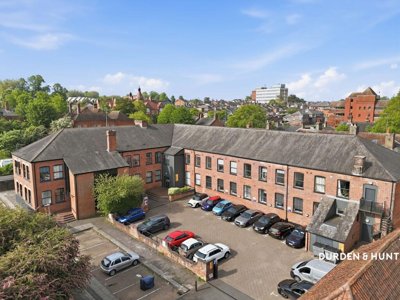
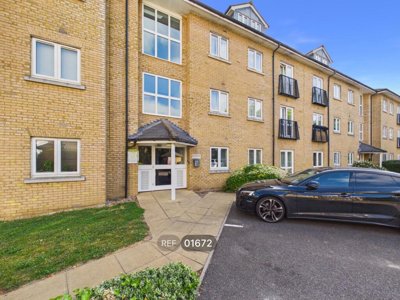
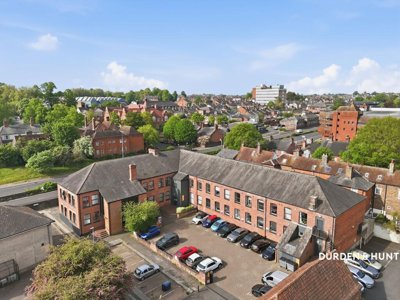
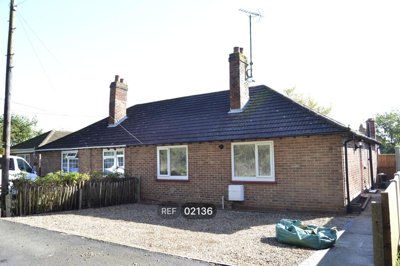
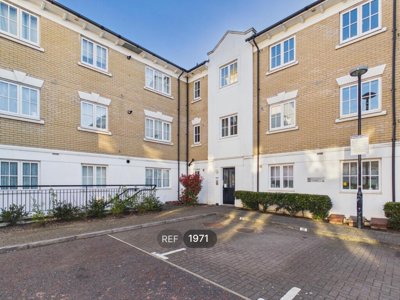
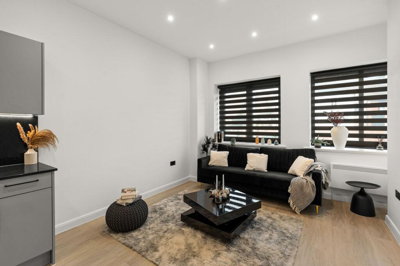
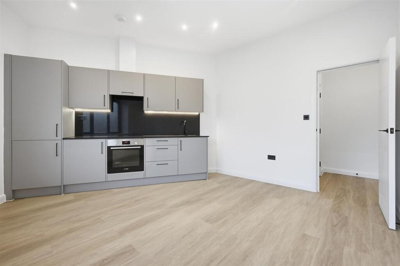
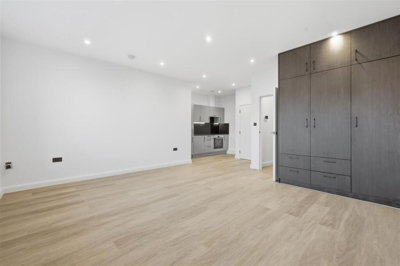
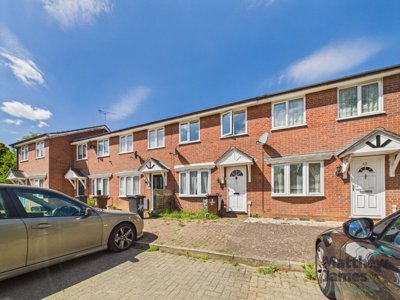
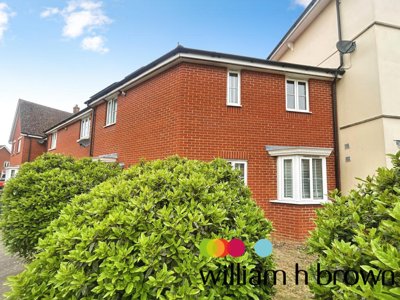
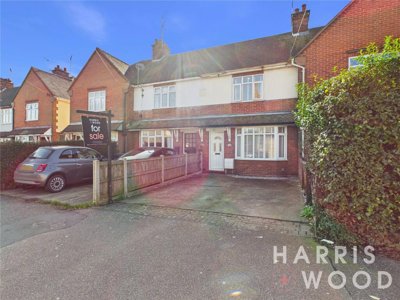
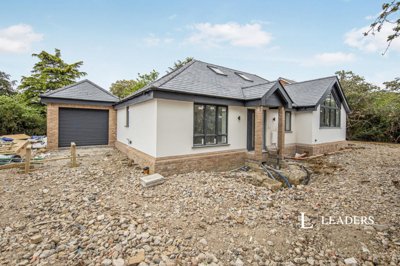
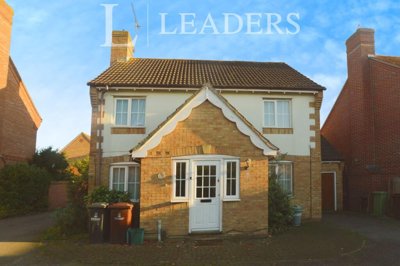
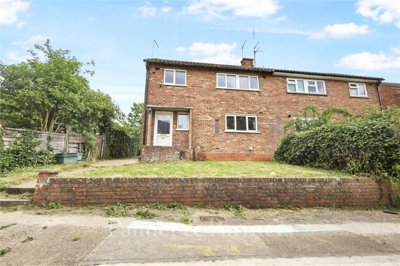
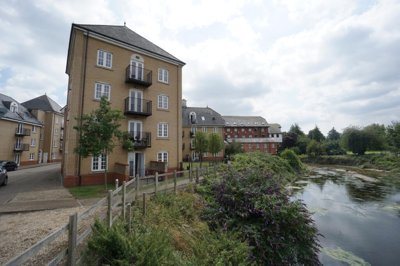
Browse 248 rental homes to rent in Mile End from local letting agents.
The rental market in Mile End is shaped by its position within Colchester rather than by a standalone village market, so demand tends to track the town's schools, stations and commuter links. That usually means well-presented flats and smaller family homes attract attention quickly, especially when they are close to bus routes, local shops or an easy road out to the A12. Because the research supplied for this page relates to a different Mile End in London, it is best to treat those figures as a mismatch and check live availability for this Essex area instead. We guide you toward the homes that make sense here, not a postcode in another part of the country.
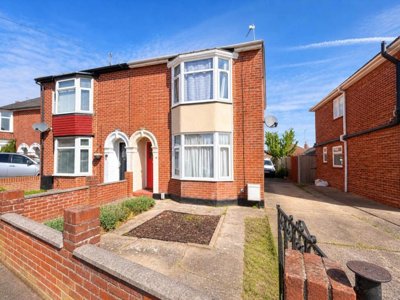
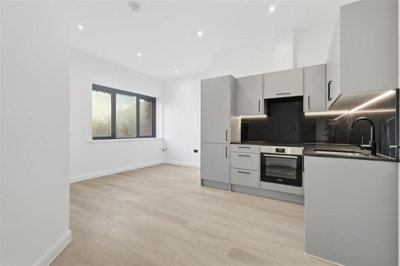
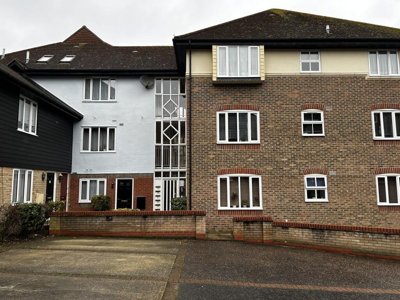
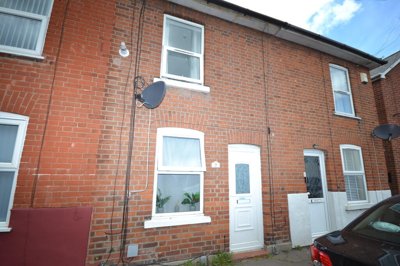
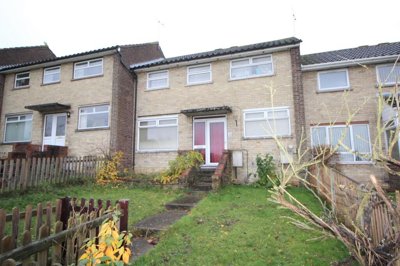
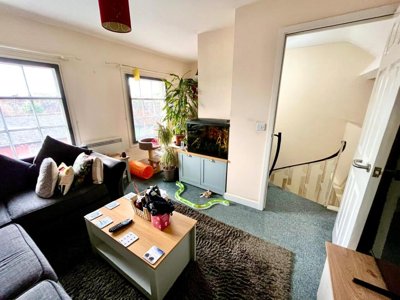
In practical terms, renters in Mile End can expect a mix of older terraces, converted homes and modern flats, with the strongest interest often going to properties that are easy to maintain and simple to commute from. The local stock in Colchester also means some homes are better suited to long-term family occupation, while others are more appealing to students, sharers or single professionals. If you are comparing options, look closely at how much space you get for the rent, how far the nearest station or bus stop is, and whether the property has parking. A rental budget agreement in principle is a smart move before you start viewings, because it helps you act quickly when the right home appears.

Mile End has a suburban Colchester feel, with enough everyday convenience to make life easy and enough space around it to feel calmer than the busiest central streets. You are close to the wider shopping, dining and leisure offer of Colchester, yet you can still find homes that feel practical rather than over-centralised. That balance suits renters who want a neighbourhood base rather than a city-centre lifestyle. It also makes the area attractive to people who work locally or split their time between home and the office.
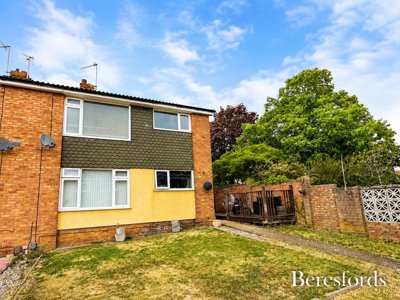
Green space is one of the reasons many renters stay in this part of Colchester. High Woods Country Park is a major draw for walks, exercise and dog owners, while Castle Park and the town centre give you a different kind of open space and weekend routine. The area also has a mixed housing story, with older brick-built homes, post-war estates and newer flats all sitting within the same wider local market. That mix gives Mile End a lived-in character and means different streets can feel quite distinct from one another.
The wider Colchester setting also matters if you are sensitive to building condition and local ground conditions. Older homes in Essex can show damp, ventilation issues or movement if maintenance has been neglected, so a careful viewing is always worthwhile. Mature streets, established planting and mixed-age housing can look attractive, but they also mean you should check window seals, rooflines and internal warmth before you commit. Our local knowledge helps you read the neighbourhood as well as the floorplan.
Families renting in Mile End usually look across the wider Colchester school network, because catchment and admissions matter more than the name of one street. That can include well-known selective and comprehensive options in the town, along with local primaries that feed into nearby secondary routes. Schools often compared by parents include Colchester County High School for Girls, Colchester Royal Grammar School, The Gilberd School and Philip Morant School and College, depending on age, catchment and commute. The exact fit will always depend on your address, so checking the latest admissions area before you sign is time well spent.
Primary places are often the first question for household movers, especially if you want an easy school run and an area that feels settled. Mile End's appeal here comes from being part of a larger town with a broad choice of education options rather than relying on a single local campus. Sixth form and further education choices are also strong across Colchester, including Colchester Sixth Form College, while the University of Essex adds to the area's student and academic presence. That mix can support a lively rental market, particularly for homes that work well for longer-term family occupation or professional sharers.
School demand can influence how quickly certain homes let, especially properties that sit neatly within popular routes to established primaries and secondaries. A house with a straightforward school run, off-street parking and sensible storage often stands out more than a slightly larger home in a less convenient spot. Parents often value quiet side streets, safe walking routes and good access to buses just as much as raw square footage. If education is high on your list, we help you compare the practical side of living in Mile End, not just the postcode on the listing.
Commuting from Mile End is one of its biggest strengths, especially for renters who split time between Colchester, the surrounding Essex towns and London. Colchester's rail network gives you a workable route to London Liverpool Street in around an hour on the fastest services, while also keeping Ipswich and other regional destinations within reach. That makes the area practical for people who want a town base with strong outward connections. The right rental home here can reduce the stress of the weekly routine quite a bit.
Road access is another reason the area stays popular. The A12 and A120 are the key routes most people rely on, giving you access to broader Essex, Suffolk and the national motorway network without having to cut across the whole town first. Bus services into Colchester town centre and the station are important too, particularly if you do not want to depend on a second car. For many renters, this combination of rail, road and bus links is what turns Mile End from a convenient district into a genuinely useful home base.
Cycling and local walking routes are worth considering as well, particularly if you want to keep everyday travel costs down. The terrain around Colchester is generally manageable for regular cycling, and shorter journeys into the town centre can be practical if your daily routine is flexible. Parking is the detail that often decides whether a property feels easy or awkward, so check for on-street restrictions, driveway space and any permit requirements before you commit. A viewing that includes the street outside, not just the living room, often tells you a lot about daily life in the area.
Start by comparing Mile End with nearby parts of Colchester so you understand commute times, school routes and the style of homes on offer. Set your monthly ceiling early and get your rental budget agreement in principle before you arrange viewings.
Decide whether you need a flat, a terrace or a family house, then check parking, storage, outdoor space and access to buses or the station. In Mile End, the most convenient home is often the one that trims time off your weekday travel.
Visit once in daylight and, if possible, again later in the day so you can judge traffic, parking and background noise. A quiet street on paper can feel very different during the school run or the evening return commute.
Have ID, references, income evidence and right-to-rent documents ready so you can move fast when you find the right home. Good rentals in Colchester can attract interest quickly, especially when the property is clean, well kept and close to transport.
Before you sign, read the inventory and inspect every room for damp, scuffs, heating issues and appliance condition. Photograph anything that concerns you, because that record is useful when you move out later.
Make sure you understand the holding deposit, security deposit, first month's rent and the exact move-in date before you pay anything. Once everything is agreed, sort council tax, utilities and your forwarding address so the move feels organised rather than rushed.
Older homes in Mile End can be charming, but they also deserve a slower viewing. Look closely at roof condition, window seals, ventilation and signs of damp, especially in terraces and converted properties that may have seen years of use. Colchester homes with solid walls or older layouts can feel cosy when well maintained, yet less forgiving if insulation or airflow has been neglected. A quick glance is not enough on an older property, so take time to inspect the practical details room by room.
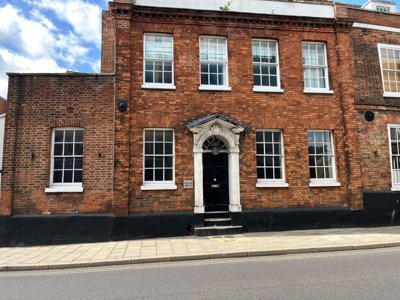
Conservation areas and listed buildings in the wider Colchester area can bring character, but they may also limit what a landlord can change and what you can do as a tenant. If you rent a flat, ask who is responsible for service charges, communal repairs and any planned works, because those costs can affect how stable the property feels over time. Leasehold arrangements are especially worth checking where flats are involved, since ground rent and management issues can sit behind the scenes. Clear answers at the start are better than surprises once you have settled in.
Flood risk is another box worth ticking, particularly for lower-lying streets or homes close to drainage channels and busy road edges where surface water can collect after heavy rain. The area's older building stock can also be affected by movement if the home has shallow foundations, mature trees nearby or poor maintenance history. That does not make Mile End a problem area, but it does mean a careful survey-style mindset helps, even when you are renting rather than buying. Our advice is simple: inspect the structure, ask direct questions and never skip the boring details.

We do not have a verified average rental price for Mile End, Colchester in the research pack provided for this page. The price figures supplied to us relate to Mile End in London E3, which is a different market and should not be used as the benchmark for this Essex location. For live local pricing, check current home.co.uk listings and compare flats, terraces and family homes on the streets that work for your commute. Our search helps you narrow the range by property type rather than relying on a figure from the wrong area.
Council tax in Mile End, Colchester is set by Colchester City Council, and the band depends on the individual property rather than the area name alone. Smaller flats are usually in lower bands than larger houses, but there is no single band that fits every address. Ask the letting agent for the exact band before you apply, because it affects your monthly budget straight away. It is one of the easiest costs to overlook when you are focused on rent.
Families often compare Colchester County High School for Girls, Colchester Royal Grammar School, The Gilberd School and Philip Morant School and College, depending on age and catchment. Primary options across Colchester also matter a great deal, because a short and simple school run can shape daily life more than anything else. Admissions areas change, so the best school for your household depends on your exact address and your child's age. Checking the latest catchment map before you sign is the safest approach.
Mile End is well placed for Colchester's wider transport network, which is one reason renters keep looking here. Colchester station offers direct rail links to London Liverpool Street in around an hour on the fastest services, and bus routes into the town centre help if you do not want to depend on the car. The A12 and A120 are also close by, so regional travel is straightforward. That mix makes the area especially useful for commuters who need options.
For many renters, yes, because Mile End offers a practical Colchester base with access to schools, transport and everyday amenities. The area suits people who want a neighbourhood feel without losing easy links to the town centre or the station. It also gives you a good spread of property types, so singles, sharers and families can all find something workable. The best fit usually comes down to the street, the property condition and how much parking or outdoor space you need.
For most rentals in England, the holding deposit can be up to one week's rent and the security deposit is usually capped at five weeks' rent if the annual rent is under £50,000. There should be no banned tenant fees, so you should only pay permitted charges that are set out clearly before you move. If you are also thinking about buying later, the current purchase deposit rules are 0% up to £250k, 5% from £250k to £925k, 10% from £925k to £1.5m and 12% above that, with first-time buyer relief up to £425k and partial relief to £625k. A rental budget agreement in principle helps you line up the costs before you start viewing.
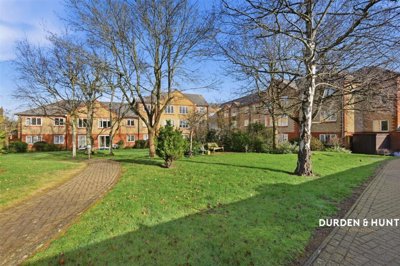
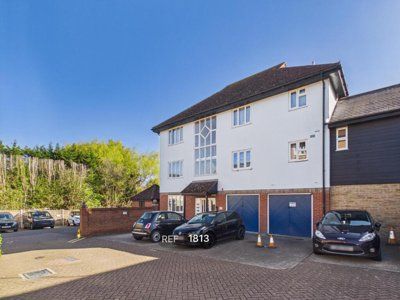
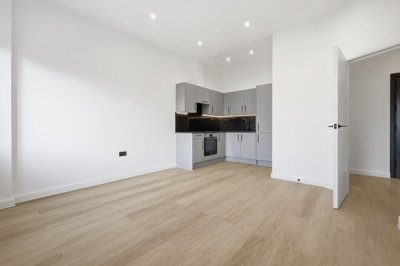
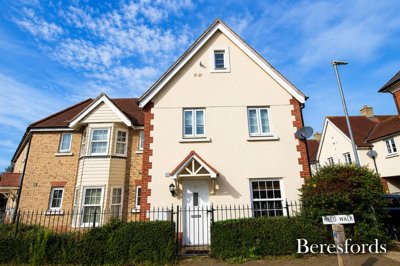
The local housing mix in Mile End is broad, with older terraces, converted homes, post-war blocks and newer flats all part of the picture. That variety is useful for renters because it creates different price points and different levels of maintenance. If you want low upkeep, a modern flat may suit you best, while a terrace can offer more space and a stronger sense of home. The right choice depends on how long you plan to stay and how much work you want the property to do for you.
From 4.5%
Compare rental budget rates and find the best deal
From £499
Check your references and move faster
From £120
Check energy performance before you commit
From £350
Useful for older homes and future buyers
Renting costs in Mile End are usually made up of the rent itself, the holding deposit, the security deposit, the first month's rent and the practical move-in expenses that sit around them. It helps to budget for cleaners, storage, moving vans, utility set-up and any furniture you still need, because those extras can change the real cost of moving quite a bit. Homes near the station or with easier parking can also save you time and transport spend later on, which is part of the affordability picture that matters in day-to-day life. Before you pay anything, ask for a clear breakdown so you know exactly what is due and when.
If you are also weighing up a future purchase, the current deposit rules in England are worth having in the back of your mind. The thresholds are 0% up to £250k, 5% from £250k to £925k, 10% from £925k to £1.5m and 12% above £1.5m, while first-time buyers get 0% up to £425k and 5% from £425k to £625k. That matters if Mile End is likely to be a stepping stone rather than a permanent rental, because it helps you plan the next move well before you are ready to buy. For now, the key is to keep your rental budget realistic so the right home stays comfortably within reach.
Properties to Rent In London

Properties to Rent In Plymouth

Properties to Rent In Liverpool

Properties to Rent In Glasgow

Properties to Rent In Sheffield

Properties to Rent In Edinburgh

Properties to Rent In Coventry

Properties to Rent In Bradford

Properties to Rent In Manchester

Properties to Rent In Birmingham

Properties to Rent In Bristol

Properties to Rent In Oxford

Properties to Rent In Leicester

Properties to Rent In Newcastle

Properties to Rent In Leeds

Properties to Rent In Southampton

Properties to Rent In Cardiff

Properties to Rent In Nottingham

Properties to Rent In Norwich

Properties to Rent In Brighton

Properties to Rent In Derby

Properties to Rent In Portsmouth

Properties to Rent In Northampton

Properties to Rent In Milton Keynes

Properties to Rent In Bournemouth

Properties to Rent In Bolton

Properties to Rent In Swansea

Properties to Rent In Swindon

Properties to Rent In Peterborough

Properties to Rent In Wolverhampton

Enter your details to see if this property is within your budget.
Loans, cards, car finance
Estimated property budget
Borrowing + deposit
You could borrow between
Typical borrowing
Monthly repayment
Est. at 4.5%
Loan-to-value
This is an estimate only. Your actual budget may vary depending on interest rates, credit history, and personal circumstances. For an accurate affordability assessment, speak to one of our free mortgage advisors.
This calculator provides estimates for illustrative purposes only and does not constitute financial advice. Your home may be repossessed if you do not keep up repayments on your mortgage. Estimates based on 4.5% interest rate, repayment mortgage. Actual rates depend on your circumstances.
Homemove is a trading name of HM Haus Group Ltd (Company No. 13873779, registered in England & Wales). Homemove Mortgages Ltd (Company No. 15947693) is an Appointed Representative of TMG Direct Limited, trading as TMG Mortgage Network, which is authorised and regulated by the Financial Conduct Authority (FRN 786245). Homemove Mortgages Ltd is entered on the FCA Register as an Appointed Representative (FRN 1022429). You can check registrations at NewRegister or by calling 0800 111 6768.

We use cookies to show you personalised content and improve your experience of our website. Find out more in our Privacy policy and Cookie policy.