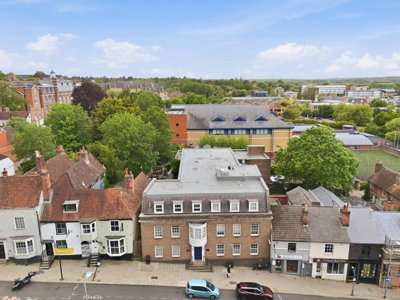
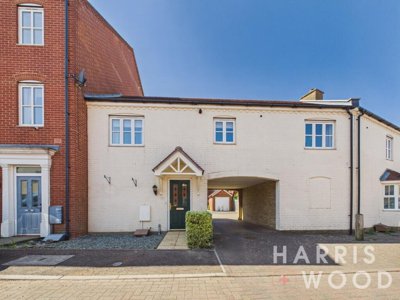
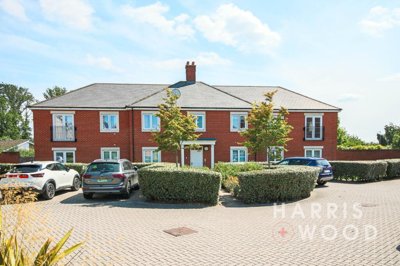
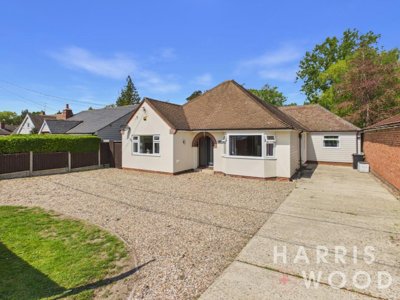
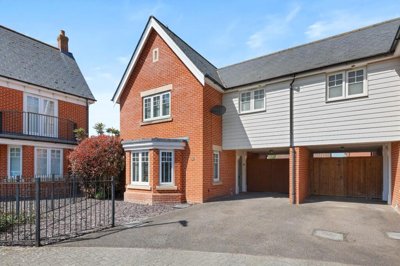
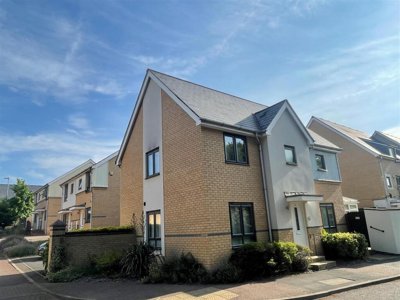
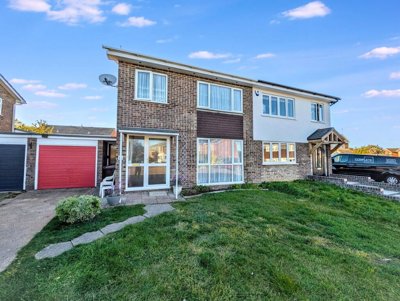
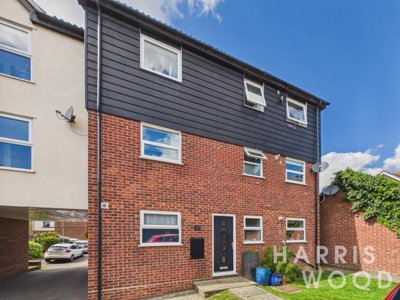
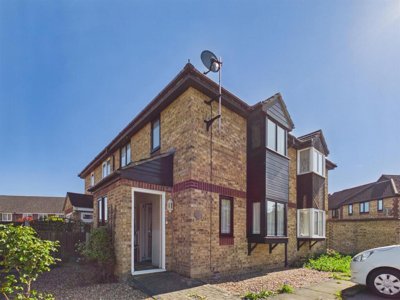
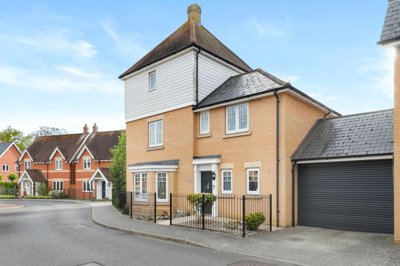
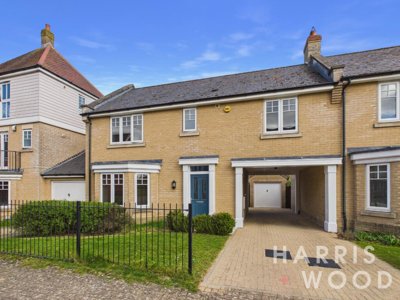
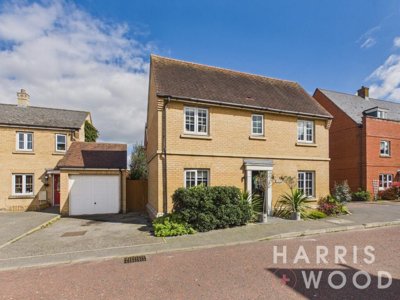
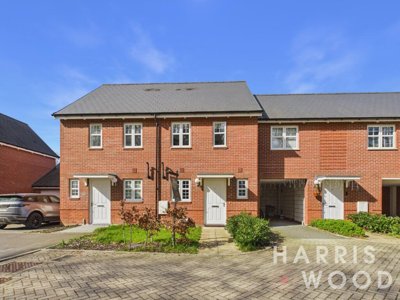
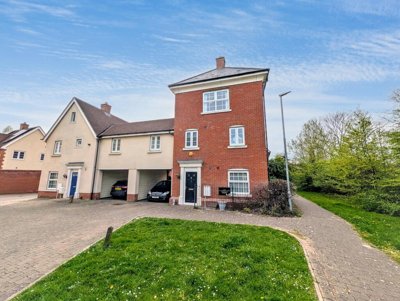
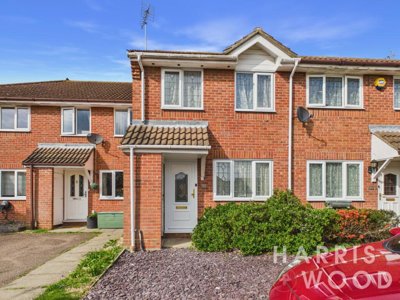
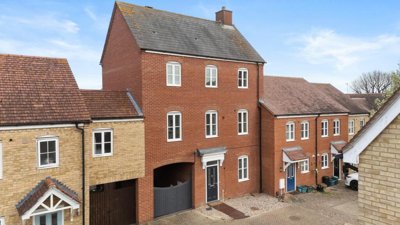
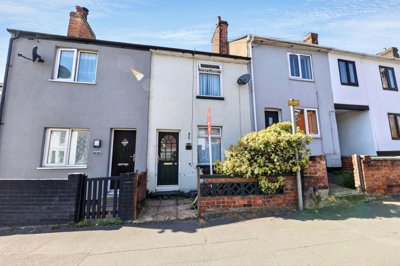
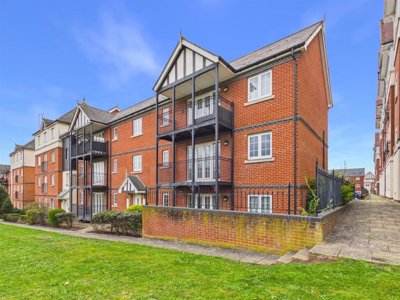
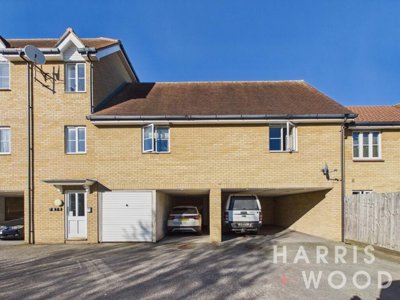
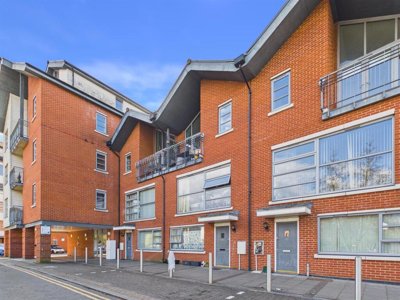
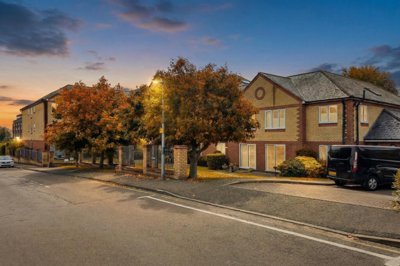
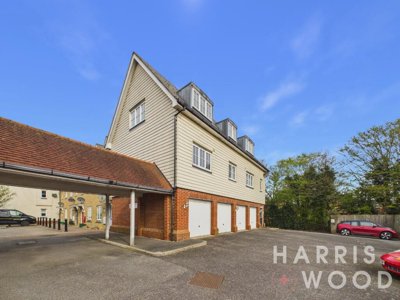
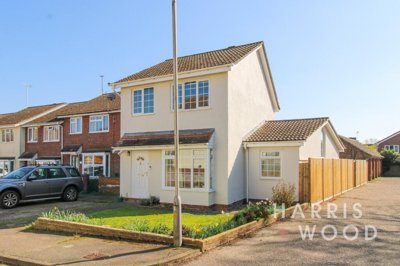
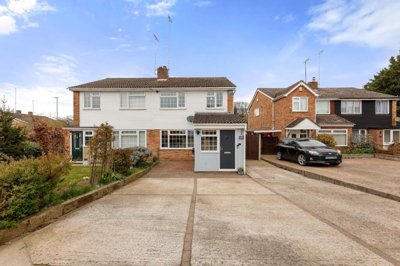
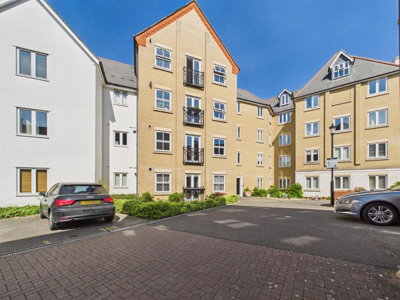
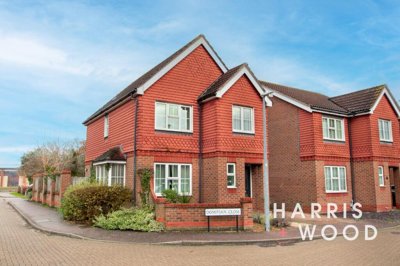
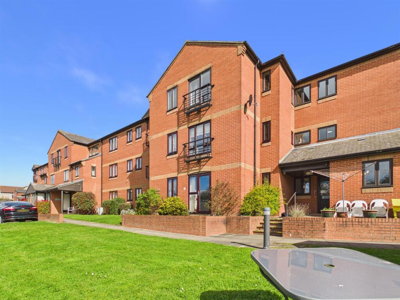
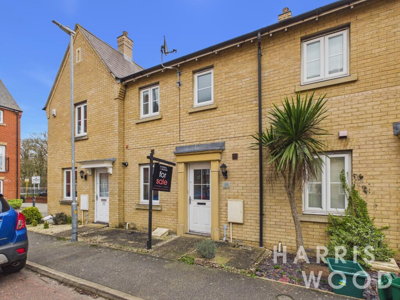
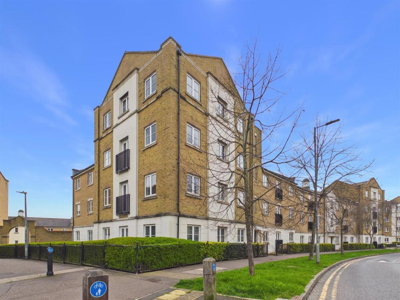
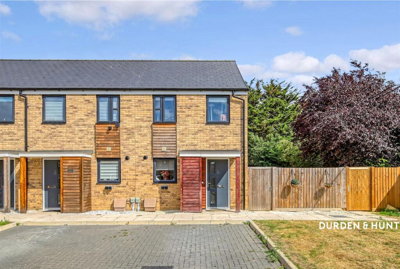
Browse 1,142 homes for sale in Mile End from local estate agents.
Mile End in Colchester is the kind of place where the market can shift street by street, because the housing mix is broad and the location works for several types of buyer. Expect to see a combination of family terraces, semis, maisonettes and flats, with some homes offering generous gardens or off-street parking and others appealing through price, convenience or low-maintenance living. Buyers often compare this area with surrounding Colchester neighbourhoods because it offers a sensible balance between value, access and day-to-day practicality. That balance helps keep demand steady, especially for homes that are ready to move into.
The strongest interest usually comes from first-time buyers, upsizers and landlords looking for dependable rental demand from Colchester’s employment base. A home close to commuter routes, schools and the town centre can attract attention quickly, particularly if it has modern kitchens, updated electrics or a usable outdoor space. When sellers price sensibly and present well, properties here can move at a brisk pace. If you want the best chance of securing the right place, monitor live listings regularly and be ready to act once your mortgage agreement in principle is in place.

Mile End feels like a working part of Colchester rather than a purely commuter village, which gives it a grounded and practical character. Many buyers appreciate the fact that they can reach everyday services, supermarkets, clinics and the wider town without needing to plan a long journey. That convenience suits busy households, shift workers and anyone who wants an easier school run or shopping routine. The area also benefits from its position on the northern side of Colchester, where access to the town’s road network is often more straightforward than in the tighter streets closer to the centre.
Housing in Mile End tends to appeal to a wide range of household types, from young professionals to families and older movers who want to stay within Colchester but reduce maintenance. The street scene is usually more suburban than central, with estates, cul-de-sacs and mixed residential roads sitting alongside some older homes and newer infill development. That variety means buyers can compare a modest flat with a larger family house without leaving the neighbourhood. For many people, that flexibility is a major selling point because it allows them to stay local as their needs change.
Local life is shaped by the everyday essentials rather than tourist attractions, which gives the area a calm, useful feel. Buyers often look for proximity to parks, bus stops, schools, medical facilities and quick access to Colchester’s retail and employment zones. The wider district also gives residents an easy route into the historic town centre when they want restaurants, cultural events or a day out around Castle Park. It is a practical base that works well for buyers who want Colchester on the doorstep without being right in the middle of the busier streets.
Families looking in Mile End usually focus on the wider Colchester school network, because catchment and admissions can change what is realistic from one address to the next. Well known options in the town include Colchester Royal Grammar School, Colchester County High School for Girls and The Gilberd School, alongside a number of respected primary schools serving the north Colchester area. The best fit depends on the age of your children, the type of home you buy and where the property sits within the admissions map. For that reason, it pays to check both the school’s admissions policy and the latest Ofsted report before you make an offer.
Education is one of the reasons Mile End remains popular with moving families, especially those who want to stay in Colchester for the long term. Primary school runs are often easier here than in more central locations, and the suburb can also be convenient for sixth form and college travel across the town. Colchester Sixth Form College and Colchester Institute are important local choices for older pupils and students progressing into further education. A home that works for the school run can save a great deal of time during the week, which is why buyers with children often prioritise this part of Colchester first.
Parents should also think about everyday logistics such as walking routes, road crossings and how busy the surrounding streets feel at school start and finish times. In some pockets, being a short distance from a strong primary or selective secondary can add real value to a property search because it makes the day-to-day routine much simpler. If you are comparing homes in Mile End, it is worth planning the route at different times of day and checking whether the house sits within a practical catchment for the schools you want. That extra research can make a big difference later on.
Mile End is well placed for buyers who need straightforward access to the Colchester road network and regular public transport. The A12 corridor is one of the biggest advantages for motorists, giving a direct route north and south for work, family visits and weekend trips. Colchester North is the station most commuters rely on, and buyers often choose this part of town because rail travel to London and other East Anglian centres is more convenient from here than from more rural addresses. For anyone balancing hybrid working with regular office days, that combination can be especially attractive.
Bus services are another useful part of the picture, particularly for households that prefer not to use the car for every journey. Links into the town centre, nearby retail zones and employment areas make the suburb workable for teenagers, older residents and commuters who need a simple back-up option. Cycling can also be practical for local trips, although route choice matters because some roads are busier than others at peak times. If you are viewing a property, check how easy it is to reach the nearest stop, station or cycle route from the front door rather than assuming the whole area feels equally accessible.
Parking is a factor that should not be overlooked in Mile End, especially on streets with a mixture of family homes, flats and higher-density housing. Some properties offer driveways or allocated spaces, while others rely on on-street parking that can feel tight in the evening. Buyers who commute by train often value walking access to the station, but they still need to think about visitors, deliveries and school-day loading. A quick look at the street at different times will often tell you far more than a single daytime viewing ever could.
Secure a mortgage agreement in principle before you arrange viewings, so you know your budget and can move quickly when the right home appears.
Compare Mile End roads by parking, bus links, school access, noise levels and property style, because the neighbourhood can feel different from one pocket to the next.
Visit in daylight and again later in the day if you can, so you can judge traffic, parking pressure and how settled the street feels.
Choose a RICS Level 2 Survey for a standard home, or a more detailed Level 3 survey if the property is older, altered or showing signs of movement.
Your conveyancer will handle searches, title checks and contract questions, which is especially useful if the home is leasehold or in a more complex ownership setup.
Once searches, mortgage offer and legal checks are all finished, set your move date, arrange removals and plan utilities in advance.
Older homes in Mile End and the wider Colchester area can be full of character, but they also need careful checking. Look closely at roofs, gutters, pointing, damp staining and any signs of past movement, especially in properties that have been extended or converted over the years. A survey is particularly useful if the house is pre-1980, because older wiring, heating systems and insulation can add hidden cost after completion. Buyers who spot those issues early are far better placed to budget realistically and negotiate with confidence.
Flats deserve a separate round of checks because service charges, ground rent, lease length and management quality can affect the true cost of ownership. A low asking price can become less attractive if the lease is short or major works are due, so ask for the paperwork early. If you are considering a maisonette or apartment near busier routes, listen for noise and check whether windows, parking or bin storage are practical for your lifestyle. These details matter as much as the kitchen finish when you plan to live there for several years.
Some parts of Colchester have conservation sensitivities or older building stock nearby, so it is sensible to ask whether any planning rules, restrictions or historic requirements apply to the home you want. Even when a property is not listed, alterations such as loft conversions, replacement windows or rear extensions can still need proper sign-off. Surface water drainage and local flood mapping are also worth checking, particularly if a property sits on a lower section of road or near older drainage routes. A careful buyer looks beyond the décor and makes sure the structure, paperwork and location all stack up.
We do not have a verified Mile End, Colchester sold-price average in the supplied research, and the figures provided to us relate to Mile End, London E3 instead. For an accurate local picture, compare current asking prices on home.co.uk with sold-price data on homedata.co.uk. That gives you a much better sense of what homes are really worth in this part of Colchester. If you are serious about a purchase, look at both live listings and completed sales before making an offer.
Council tax bands vary by property, so the exact band depends on the home’s size, type and official valuation. In Colchester, you will usually need to check the listing, the seller’s paperwork or the local council records for the correct band. A compact flat may sit lower than a larger family house, while modern or extended homes can be higher. Always build the band into your monthly budget before you decide how much to offer.
Families often look toward Colchester Royal Grammar School, Colchester County High School for Girls and The Gilberd School, together with local primaries serving the north Colchester area. The right school for your family depends on admissions rules, catchment and whether your child needs a selective or non-selective route. It is wise to check Ofsted reports and the latest admissions policies before you commit to a move. A home that looks ideal on paper can be less practical if the school run does not work.
Mile End is generally well connected for a Colchester suburb, especially for buyers who want quick access to Colchester North station and the main road network. Rail commuters can usually travel toward London and other East Anglian destinations with relative ease, while local buses help with trips into the town centre and around the wider area. Car users benefit from the A12 corridor, which is one of the biggest transport advantages for this part of town. If commuting matters to you, check the route from the front door rather than relying on the postcode alone.
Mile End can appeal to investors because it draws a mix of commuters, families and people who want access to Colchester’s jobs, schools and transport links. Flats and smaller homes near useful amenities are often easier to let, while family houses can attract longer-term tenants who want stability. As with any investment, the real return depends on entry price, running costs, void periods and local demand. Use current listings and sold data together before making a decision.
For standard buyers in England, stamp duty is 0% up to £250,000, 5% from £250,000 to £925,000, 10% from £925,000 to £1.5 million, and 12% above £1.5 million. First-time buyers pay 0% up to £425,000 and 5% from £425,000 to £625,000, with no first-time buyer relief above £625,000. Your final bill depends on the purchase price and whether you are buying an additional home. A solicitor or mortgage adviser can help you calculate the exact figure before exchange.
Yes, a survey is strongly recommended for older homes, especially those that may have damp, roof wear, timber issues or signs of movement. In an area with a broad mix of housing ages, a RICS Level 2 Survey is often a sensible starting point for a conventional property. A Level 3 survey is better for older, altered or more complex homes. Spending a little more on a survey can save far more later if it highlights defects before you commit.
Flats can work very well here, especially for first-time buyers, commuters and investors who value lower maintenance and a simpler lock-up-and-leave setup. The key checks are the lease length, service charges, ground rent and how well the block is managed. Parking, noise and communal repairs can also affect value over time. If the paperwork looks clear and the costs are sensible, a flat can be a very practical choice in Mile End.
From 4.5%
Compare mortgage rates and secure an agreement in principle before you start viewings
From £499
Expert solicitors to handle searches, contracts and completion
From £350
Homebuyer report for standard houses and flats in Mile End
From £60
Check energy performance and understand likely running costs
Stamp duty is one of the biggest upfront costs to plan for when buying in Mile End, Colchester, and the current England thresholds are straightforward to map out. Standard rates are 0% up to £250,000, 5% from £250,000 to £925,000, 10% from £925,000 to £1.5 million and 12% above £1.5 million. First-time buyers get relief up to £425,000, then pay 5% from £425,000 to £625,000, with no first-time buyer relief above that upper limit. If you are buying a second home or an investment property, your solicitor should also check whether any additional surcharge applies.
Stamp duty is only part of the cost, so it helps to budget for the deposit, mortgage fees, legal fees, survey costs and moving expenses as well. Buyers who are early in the process should also keep a buffer for searches, removals, furniture and small repair jobs after completion. A clear budget makes the whole search feel calmer, especially if you are comparing a few properties in different price brackets. Once you know what you can afford in full, you can focus on the homes that really fit your plans rather than stretching for the wrong one.
Properties for Sale In London

Properties for Sale In Plymouth

Properties for Sale In Liverpool

Properties for Sale In Glasgow

Properties for Sale In Sheffield

Properties for Sale In Edinburgh

Properties for Sale In Coventry

Properties for Sale In Bradford

Properties for Sale In Manchester

Properties for Sale In Birmingham

Properties for Sale In Bristol

Properties for Sale In Oxford

Properties for Sale In Leicester

Properties for Sale In Newcastle

Properties for Sale In Leeds

Properties for Sale In Southampton

Properties for Sale In Cardiff

Properties for Sale In Nottingham

Properties for Sale In Norwich

Properties for Sale In Brighton

Properties for Sale In Derby

Properties for Sale In Portsmouth

Properties for Sale In Northampton

Properties for Sale In Milton Keynes

Properties for Sale In Bournemouth

Properties for Sale In Bolton

Properties for Sale In Swansea

Properties for Sale In Swindon

Properties for Sale In Peterborough

Properties for Sale In Wolverhampton

Enter your details to see if this property is within your budget.
Loans, cards, car finance
Estimated property budget
Borrowing + deposit
You could borrow between
Typical borrowing
Monthly repayment
Est. at 4.5%
Loan-to-value
This is an estimate only. Your actual budget may vary depending on interest rates, credit history, and personal circumstances. For an accurate affordability assessment, speak to one of our free mortgage advisors.
This calculator provides estimates for illustrative purposes only and does not constitute financial advice. Your home may be repossessed if you do not keep up repayments on your mortgage. Estimates based on 4.5% interest rate, repayment mortgage. Actual rates depend on your circumstances.
Homemove is a trading name of HM Haus Group Ltd (Company No. 13873779, registered in England & Wales). Homemove Mortgages Ltd (Company No. 15947693) is an Appointed Representative of TMG Direct Limited, trading as TMG Mortgage Network, which is authorised and regulated by the Financial Conduct Authority (FRN 786245). Homemove Mortgages Ltd is entered on the FCA Register as an Appointed Representative (FRN 1022429). You can check registrations at NewRegister or by calling 0800 111 6768.

We use cookies to show you personalised content and improve your experience of our website. Find out more in our Privacy policy and Cookie policy.