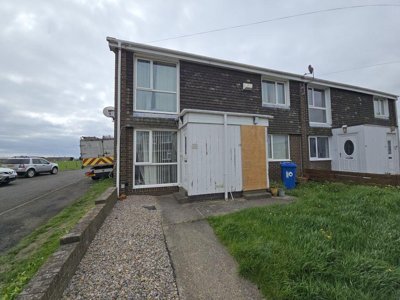
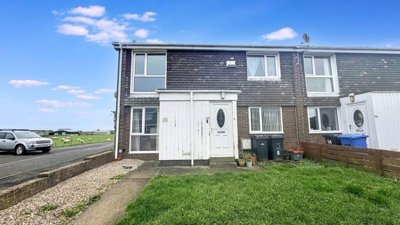
Browse 2 rental homes to rent in Ellington and Linton from local letting agents.
Studio apartments feature open-plan living spaces without separate bedrooms, incorporating sleeping, living, kitchen, and bathroom facilities. The Ellington And Linton studio market includes properties in modern apartment complexes, converted Victorian and Georgian buildings, and purpose-built developments.
Ellington and Linton’s rental market mirrors the wider feel of this Northumbrian parish, with a broad mix of homes to suit different household sizes and budgets. The sales market gives useful context too, because average sold prices in Ellington have sat anywhere from approximately £191,000 to £226,000 depending on the reporting period and data source, while Linton has shown similar levels at around £190,688. Those figures point to strong underlying value in the local housing stock, and that feeds through into a healthy rental market with homes available at a range of price points.
By property type, the figures shift quite a lot. Detached homes in the area tend to sit higher, usually between £274,000 and £317,000, while semi-detached properties generally come in at £186,000 to £223,000. Terraced homes are more accessible, at roughly £109,000 to £134,000, which is why they appeal to first-time buyers and investors. That split shapes the rental market as well, so similar home types tend to command rents that broadly follow their sale values, giving renters real choice across different sizes and brackets.
New build work has added welcome variety to housing in Ellington, especially at the Saxon Vale development, where recent transactions show ongoing demand for modern homes in a village setting. Properties there, on roads such as Holly Way, Primrose Way, and Ivy Close, have sold for between £145,000 and £215,000 in recent months, which shows how strongly buyers have responded to contemporary construction in the village. It sits neatly alongside the traditional homes that define much of the parish, so renters can look at both period character and newer specifications. Across Ellington and Linton, that mix gives people a choice between Northumbrian charm and the convenience of modern features.

Ellington and Linton capture Northumbrian village life at its most familiar, with a close-knit feel set among rural surroundings that help explain why Northumberland is so well loved. The parish has two separate village centres, each with its own character, yet both share the same strong sense of community. Local amenities include village shops, traditional pubs serving local ales, and day-to-day facilities that cover everyday needs without long trips into larger towns.
Life here moves at a very different pace from nearby urban centres, which makes Ellington and Linton appealing to those who want countryside calm without the pressure and cost of city living. Neighbours tend to know one another, village events are well supported, and there is a practical kind of mutual support that is harder to find in busier places. That community spirit is easy to feel. Regular gatherings, local traditions, and a welcoming atmosphere all sit alongside the established village character that long-term residents value.
The surrounding Northumberland landscape is a real draw for anyone who likes being outdoors, with countryside walks, cycling routes, and bridleways all available from the village centres. Because the area sits between Morpeth and the coast, residents can reach the Northumberland Coast Area of Outstanding Natural Beauty, the heather-covered hills of the North Pennines, and the historic sites of the Scottish Borders without much trouble. For outdoor-minded renters, that mix of scenery and practical village living works well. The A1 trunk road also keeps Newcastle within reach for day trips or evenings out, with journey times usually around 35 minutes by car.

Families looking to rent in Ellington and Linton will find schooling available both locally and in nearby towns, which makes the area a sensible option for households with children of different ages. Primary school children usually attend one of the village primary schools or schools in surrounding villages that serve the parish well. Those smaller settings often come with strong community links, committed teaching staff, and the individual attention that can make a real difference in the early years of education.
For secondary education, pupils from Ellington and Linton normally travel into Morpeth, where there is a wider spread of secondary schools and sixth form options to suit different strengths and career plans. Schools there have good reputations for academic achievement and extracurricular activities, and the daily commute is manageable for many families thanks to public transport links. By car, the journey from the village to Morpeth secondary schools is typically 15-20 minutes, and school bus services are available for those without private transport.
Further and higher education are easy enough to reach through the strong road links to Newcastle, where there are universities, further education colleges, and a wide range of vocational courses for students of all ages. Young people from the village have gone on to successful careers in many fields, helped by a grounding in community values and access to quality education. We would strongly advise families to check catchment areas and admissions criteria before committing to a rental property, as they vary and can affect school access. Popular schools can be competitive, so early planning gives children the best chance of a place where it matters.

Transport from Ellington and Linton is built around well-kept roads that connect the villages efficiently to towns and cities across the North East. The A1 trunk road runs close by and forms the main route north towards Scotland and south towards Newcastle upon Tyne, Sunderland, and beyond. That makes commuting by car entirely realistic for people working in larger urban centres, with journeys into Newcastle usually taking around 30-40 minutes depending on traffic and the part of the city you are heading to.
Local bus services link Ellington and Linton with Morpeth and surrounding villages, although the timetable is naturally less frequent than you would find in town. For the odd trip into town or a shopping run, the buses are useful enough, but people commuting daily usually depend on a car. Most households find private transport essential for day-to-day life here, even if the service levels have improved in recent years as demand has grown.
The East Coast Main Line handles rail travel from major stations in Newcastle and Berwick-upon-Tweed, opening up direct links to London, Edinburgh, and many other places across the UK. Because Ellington and Linton are rural, you generally need a car or bus to reach the station, with Pegswood or Morpeth usually the nearest options. For commuters heading into Newcastle or other regional centres, strong road access and the rise of flexible and remote working make village life more workable than it once was. For many residents, the lifestyle benefits more than make up for the extra travel, especially when compared with urban congestion and the cost that comes with it.

Before you view rental properties in Ellington and Linton, it helps to secure a rental budget agreement in principle so you know exactly what you can afford each month, including rent and other costs. That groundwork keeps your search focused on realistic options and shows landlords and letting agents that you are serious when you enquire, which can be a useful edge where several people want the same home.
Start by searching for available rentals across Ellington and Linton on Homemove and other property platforms, then filter by bedrooms, price range, and property type. Once you have a shortlist, arrange viewings and look beyond the interior condition and specification. Check the neighbourhood, how close the property is to shops and schools, and whether the commute to work or other regular destinations will actually suit your routine.
Before you apply for a particular property, compare similar rental prices in the Ellington and Linton area so your offer sits comfortably with current market conditions. The village market may move more steadily than an urban one, but well-presented homes and properties with sought-after features can still attract plenty of interest, especially family houses near local schools.
After the terms are agreed on a rental property, the letting agent or landlord will normally ask for references, proof of identity, right to rent documents, and employment verification. Keep everything ready and reply quickly to any reference requests so you do not lose time securing the home you want, particularly as landlords in a competitive rental market may have several interested applicants waiting in the wings.
Read the tenancy agreement carefully before you sign, especially the deposit amount, lease length, notice period requirements, and any conditions that apply to the property. In England, your deposit must be protected in a government-approved scheme within 30 days of the tenancy start date, and your landlord or letting agent should give you the details of that protection.
Plan the move properly, carry out a full inventory check when you arrive, and take dated photographs of the property condition so you have a record if any dispute arises at the end of the tenancy. Any differences or existing issues should be reported to the landlord in writing straight away, so they are logged as move-in matters rather than later being blamed on your tenancy.
Renting in a rural Northumberland village like Ellington and Linton brings a few considerations that do not crop up as often in urban markets, and knowing them helps you choose a home that really suits how you live. The parish includes traditional stone-built properties that have plenty of character and solid construction, but older buildings also come with maintenance responsibilities that differ from modern homes. Thick walls, original windows, and traditional building methods all add to the appeal, while also asking for a bit more thought when it comes to upkeep.
Heating systems in older rural homes need a close look, because properties in Ellington and Linton may use oil, LPG, or electric heating rather than mains gas, which is more common in towns and cities. That fuel choice has a direct effect on running costs, and oil and LPG both bring regular deliveries plus tank maintenance that should be built into your budget. Getting clear on the heating system, how efficient it is, and what it usually costs to run gives you a much firmer grip on affordability and helps avoid a nasty surprise in the first winter.
Conservation rules may limit the changes tenants can make, so it is sensible to check any planning restrictions or permitted development limits before committing to a rental if you like to personalise your space. You should also look carefully at boundaries, outbuildings, and gardens during viewings, because the rental agreement will usually set out who is responsible for what. If the property sits in an area with flood risk, ask for the specific flood risk assessment and make sure you understand what you need to do if flooding occurs, because that provides important protection and peace of mind. Broadband speeds and mobile signal are worth checking too, since they can vary across the parish and matter a great deal for home working and streaming.

Rental prices in Ellington and Linton vary according to property type and condition, while comparable homes elsewhere in Northumberland can give a useful guide when you are planning your budget. Two-bedroom homes in similar rural villages usually sit between £500-£700 per month, and larger family homes with three or four bedrooms attract higher rents because of the extra space and, often, bigger gardens. For the most accurate live pricing in this village market, our live listings or local letting agents are the best place to start.
Homes in Ellington and Linton fall under Northumberland County Council's jurisdiction, and council tax bands differ from property to property depending on the home’s assessed value. The bands run from A through to H, with Band A as the lowest charge and usually applied to properties valued at under £40,000, while Band H properties are valued at over £320,000. It is worth checking the exact band for any home you are considering, because council tax is part of the regular monthly cost of renting and can have a real impact on your budget.
Any specific Ofsted ratings and performance data for schools serving Ellington and Linton should be checked on the official Ofsted website, because inspection results are updated regularly and can change over time. Primary schools in the surrounding villages generally serve the local community well, with a strong reputation for dedicated teaching and a positive learning environment that parents value. For secondary education, the choices in nearby Morpeth offer solid options, and families are wise to look closely at performance data, catchment boundaries, and school visits before choosing a rental property.
Public transport in Ellington and Linton includes local bus services to Morpeth and surrounding towns, though service frequency is naturally more limited than in towns and cities because the parish is rural. Weekday timetables usually have reduced weekend services, so private transport is very helpful for commuting and day-to-day trips. For rail travel, the nearest stations are in surrounding towns, so you will need to travel on by bus or car, although Newcastle and Berwick-upon-Tweed provide excellent cross-country rail links across the UK when you need them.
Ellington and Linton offer a strong quality of life for families who want peaceful village living with Northumberland countryside on the doorstep and a warm community atmosphere. The area suits people who value outdoor recreation, good schools within a reasonable drive, and a slower pace that gives children room to explore and play safely. Good road links to Newcastle and other regional centres keep commuting practical for working parents, while local shops and amenities cover everyday needs without long journeys. It is an especially good fit for families, remote workers, and anyone who wants green space, community spirit, and the neighbourly feel that urban living often struggles to match.
In England, standard rental deposits are capped at five weeks' rent under the Tenant Fees Act 2019, based on your annual rental income and set as the highest security deposit a landlord can legally ask for. Before you start searching, getting a rental budget agreement in principle helps you understand what you can afford and shows landlords that you are financially prepared, which can matter a great deal for desirable homes. You may also need to budget for referencing costs, administration charges, and check-in fees, although the rules limit what landlords and agents can charge, so ask for a full cost breakdown before you apply.
From 4.5% APR
Get pre-approved for your rental budget in Ellington and Linton to strengthen your application
From £50
Complete referencing checks early to speed up your rental application
From £100
A professional inventory helps protect your deposit at the end of the tenancy
From £85
Energy performance certificates for rental properties
Getting the full cost of renting in Ellington and Linton clear from the outset takes a bit of care, but it saves stress later. The security deposit, capped at five weeks' rent under the Tenant Fees Act 2019, must be protected in a government-approved deposit protection scheme within 30 days of your tenancy start date, so you can recover it at the end of the tenancy provided there are no legitimate deductions for damage or unpaid rent. A professional inventory records the property's condition at move-in and becomes the key reference point for any deductions at the end, which is why that first inventory check matters so much.
Before you begin your search in Ellington and Linton, securing a rental budget agreement in principle gives you a clear view of your financial capacity and puts you in a stronger position when you apply for homes in what can still be a competitive market. That pre-approval tells landlords that you have already been assessed as able to afford the rent, which can make all the difference when several applications come in for the same property. With your finances organised and documents ready, you also come across as professional and serious, qualities that landlords in a village community tend to value.
Other moving costs to plan for when renting in Ellington and Linton include removal expenses, utility connection fees, and, in some cases, contents insurance to protect your belongings once you are in the property. First-time renters in the area should also allow for setting up utility accounts, which may involve connection charges for services such as internet where installation is needed in homes that have not been recently tenanted. Because village properties can have different utility arrangements from urban homes, you may also encounter oil deliveries, LPG supplies, or solid fuel requirements that city renters are less likely to face. Factoring those extra costs into your moving budget helps keep the move into your new village home smooth and avoids unwanted financial pressure.
Properties to Rent In London

Properties to Rent In Plymouth

Properties to Rent In Liverpool

Properties to Rent In Glasgow

Properties to Rent In Sheffield

Properties to Rent In Edinburgh

Properties to Rent In Coventry

Properties to Rent In Bradford

Properties to Rent In Manchester

Properties to Rent In Birmingham

Properties to Rent In Bristol

Properties to Rent In Oxford

Properties to Rent In Leicester

Properties to Rent In Newcastle

Properties to Rent In Leeds

Properties to Rent In Southampton

Properties to Rent In Cardiff

Properties to Rent In Nottingham

Properties to Rent In Norwich

Properties to Rent In Brighton

Properties to Rent In Derby

Properties to Rent In Portsmouth

Properties to Rent In Northampton

Properties to Rent In Milton Keynes

Properties to Rent In Bournemouth

Properties to Rent In Bolton

Properties to Rent In Swansea

Properties to Rent In Swindon

Properties to Rent In Peterborough

Properties to Rent In Wolverhampton

Enter your details to see if this property is within your budget.
Loans, cards, car finance
Estimated property budget
Borrowing + deposit
You could borrow between
Typical borrowing
Monthly repayment
Est. at 4.5%
Loan-to-value
This is an estimate only. Your actual budget may vary depending on interest rates, credit history, and personal circumstances. For an accurate affordability assessment, speak to one of our free mortgage advisors.
This calculator provides estimates for illustrative purposes only and does not constitute financial advice. Your home may be repossessed if you do not keep up repayments on your mortgage. Estimates based on 4.5% interest rate, repayment mortgage. Actual rates depend on your circumstances.
Homemove is a trading name of HM Haus Group Ltd (Company No. 13873779, registered in England & Wales). Homemove Mortgages Ltd (Company No. 15947693) is an Appointed Representative of TMG Direct Limited, trading as TMG Mortgage Network, which is authorised and regulated by the Financial Conduct Authority (FRN 786245). Homemove Mortgages Ltd is entered on the FCA Register as an Appointed Representative (FRN 1022429). You can check registrations at NewRegister or by calling 0800 111 6768.

We use cookies to show you personalised content and improve your experience of our website. Find out more in our Privacy policy and Cookie policy.