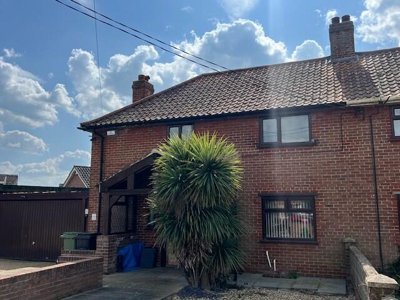
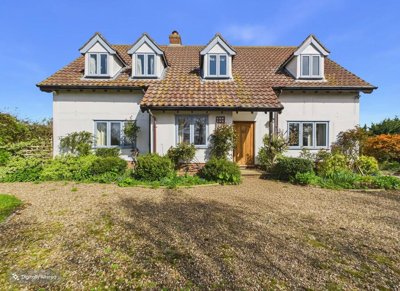
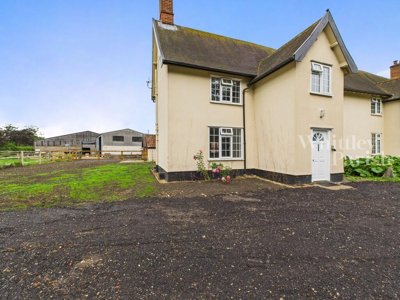
Browse 3 rental homes to rent in Dickleburgh and Rushall from local letting agents.
The Dickleburgh And Rushall property market offers detached, semi-detached, and terraced houses spanning various price ranges and neighbourhoods. Each listing includes detailed property information, photographs, and direct contact with the marketing agent.
We see the rental market in Dickleburgh and Rushall following the wider South Norfolk pattern, where demand for village homes stays steady year round as families and individuals are drawn to rural living without losing access to essential services. The sales side is lively too, with average prices around £307,500 and more recent valuations reaching £362,000, but renting gives people a flexible step before committing to a purchase. Detached properties tend to attract the highest rents because of their generous gardens, rural setting, and the appeal that comes with village life, while semi-detached homes remain a practical choice for smaller households and young families looking for their first taste of it.
IP21 4, which covers Dickleburgh and the nearby villages, has seen plenty of activity, with approximately 150 property transactions recorded recently and half of those sales sitting between £2,560 and £3,690 per square metre. That level of movement points to a healthy market, and it carries through into lettings, where well-priced homes often prompt several enquiries within days of listing. In South Norfolk villages, rents usually compare favourably with similar homes in Norwich and other urban areas, so Dickleburgh and Rushall suit renters who want space, character, and proper Norfolk countryside rather than city convenience.
Across South Norfolk villages, our inspectors regularly see the same things make homes more appealing to tenants. Fireplaces, exposed beams, and traditional wooden floors often support stronger rents and longer stays. Gardens matter too, especially where public amenity space is limited, and off-road parking is a real advantage when public transport is thin on the ground. Knowing what tenants value helps us focus on the right homes in this competitive village market.

Dickleburgh and Rushall give you the classic Norfolk village setting, with knapped flint and red brick buildings, open countryside views, and the sort of community feeling that larger developments rarely match. The civil parish brings together the twin villages of Dickleburgh and Rushall, linked by country lanes and bordered by farmland that shapes the rural character of South Norfolk, with homes ranging from charming 18th-century cottages to solid mid-century family houses. Village life gathers around the pub, village hall, and parish church, where people come together for summer fetes, harvest celebrations, and the social ties that make the place feel so distinctive.
Walks are one of the big draws here. Fields, meadows, and hedgerow-lined footpaths criss-cross the parish and lead on to neighbouring villages where you can find extra amenities. Diss gives residents the nearest full range of shops and services, including major supermarkets, independent retailers, and a weekly market, while other market towns are close enough for healthcare appointments and leisure facilities. The village itself brings the quieter side of rural living, dark skies for stargazing, birdsong instead of traffic, and the steady pace of agricultural life all around you.
Agricultural heritage, Norfolk red brick and flint, and strong community bonds combine to create a setting that feels closely tied to the county’s pastoral identity. For renters thinking about village life, the lower costs compared with urban properties can mean more space for the money, and a quality of life that would cost far more in towns or cities, while still keeping essential services within reach by car or on the limited public transport that serves the area.

Families renting in Dickleburgh and Rushall have a range of educational options within a sensible travelling distance across South Norfolk, although the rural setting means school runs need careful planning and often involve a fair bit of driving. Primary education is available in surrounding villages, including Pulham Market, with many families travelling to Diss or Harleston for infant and junior places that come with broader curricula and well-established reputations. Because catchment areas are rural, it makes sense to look closely at property availability and school admissions before committing to a tenancy, since distance from schools can shape the whole daily routine and affect how work and childcare fit together.
Secondary education is mainly accessed in nearby towns, with many students travelling to Diss, where schools serve the wider rural catchment and benefit from established transport links. Children from Dickleburgh and Rushall usually rely on school transport services run by Norfolk County Council, but we always suggest checking the route and availability for a specific address before signing a tenancy agreement. If educational access matters most, homes closer to school bus routes and roads such as the A140 can take a lot of pressure out of the school run and keep costs down.
Sixth form and further education are concentrated in larger centres such as Diss, Norwich, and Ipswich, so older students need to think carefully about transport before choosing a village rental. Some families move nearer to education as children get older, and renting makes that easier because it allows housing to change with family needs without the hassle of selling. Diss also has the nearest library services, which give students of all ages useful study space and educational resources.

Getting around Dickleburgh and Rushall is mostly a matter of road links, which connect the village to surrounding towns and to Norwich, the regional capital about 20 miles east of the parish. The A140 runs through nearby areas and gives access to Norwich city centre and the east Norfolk coast, although some homes are reached by country lanes that need a bit of caution in winter, when shorter daylight hours and occasional flooding can affect conditions. Our team visits properties across South Norfolk often, and we know that homes closer to the main road network usually make commuting and day to day trips easier, especially where the village itself lacks certain services.
Diss railway station sits on the Norwich to London Liverpool Street main line about 5 miles from the village centre, and direct trains to the capital take approximately 90 minutes, which makes London commuting workable for some while still enjoying village life. Advance booking often brings down fare costs for regular travellers, and the station has parking for those driving in from the village, although spaces can be tight at busy times. Rail services across East Anglia are generally dependable, though bank holidays and seasonal maintenance can bring engineering works that need a backup plan.
Bus services between village communities and market towns run to limited timetables, so anyone without a private car needs to factor transport availability into rental plans, because rural routes simply cannot match the frequency of urban services. In a village location, everyday essentials such as supermarkets, GP surgeries, and pharmacies are usually reached by driving to nearby towns, which makes a vehicle close to essential for comfortable living. Cycling routes vary across the rural network, and there are some pleasant rides along quieter country lanes linking neighbouring villages and beauty spots, but commuting by bicycle to Diss or Harleston is still a challenge for most people.

Get a rental budget agreement in principle before you start viewing homes in Dickleburgh and Rushall, because it shows letting agents and landlords that you are financially ready and helps you see exactly what monthly rent and extra costs sit within reach. That preparation strengthens your position against other applicants and stops time being wasted on properties outside your budget in this busy South Norfolk village market, where good-value rentals can attract several enquiries fast.
Browse available rentals in Dickleburgh and Rushall through Homemove and the local letting agents serving South Norfolk, and set up alerts for new listings because village homes can draw interest within days of appearing. Many of the local agents in Diss and Harleston handle village properties, and building a relationship with them can open the door to homes before they reach the main portals. It is also sensible to widen the search to nearby villages if your requirements are not met within Dickleburgh and Rushall, as the IP21 4 postcode sector covers a range of property types and price points.
Arrange viewings for homes that match your needs, and if you can, visit at different times of day so you can judge noise from nearby farmland, neighbour activity, and the general feel of the surrounding countryside. Village renting brings different issues from urban lettings, including seasonal farm noise, limited street lighting on country lanes, and the reality of longer journeys to shops and services. Ask the landlord or agent about recent works, any planned maintenance, and why the current tenancy is ending.
Once you find the right property, submit your tenant application quickly with references, proof of income, and identification, because competitive village rentals can attract more than one application within days of listing. A rental budget agreement in principle gives your application extra weight against other interested parties, showing both serious intent and financial ability, which landlords value when choosing between applicants. If the application succeeds, be ready to move promptly, because tenancy start dates often have to fit around the landlord’s schedule and existing notice periods.
Referencing checks usually cover employment, previous landlord references, and credit history, and they can take anything from several days to two weeks depending on employer response times and how thorough the referencing company is. Allow extra time if you are moving from outside the local area, or if a previous landlord is slow to reply, because delays can push back the tenancy start date and put the property at risk of going to someone else. Some landlords also ask for extra references from employers or personal contacts, so it helps to have those details ready.
Read the tenancy terms closely before you sign, and check the deposit amount, which should be protected in a government-approved scheme, along with the notice periods that apply and any property-specific conditions, such as garden upkeep or pet restrictions. On moving day, complete the inventory carefully, recording the condition of fixtures, fittings, and appliances with dated photographs so there is clear evidence at the end of the tenancy if deposit deductions are questioned. South Norfolk Council deals with council tax for the area, so set up direct debits straight away to avoid missed payments that could harm your credit rating.
In a rural village like Dickleburgh and Rushall, renting involves a few extra factors that do not matter as much in urban areas, especially the way the property sits within the surrounding countryside and the agricultural activity that shapes village life. Flood risk assessments are still worth a look even though there are no major watercourses running through the village itself, because surface water drainage in rural areas can be very different from the more extensive systems found in towns. We have seen period homes in South Norfolk with damp or structural movement linked to drainage issues, so asking about the property’s history and any previous drainage work gives useful reassurance before you commit.
Parts of the village may fall within a conservation area, which can restrict external alterations and mean planning permission is needed for changes that would be allowed elsewhere, so it is wise to check with South Norfolk Council about any designation affecting the property you have in mind. Rural homes often depend on private water supplies or shared drainage systems instead of mains connections, and understanding that before you move in helps avoid surprises later. Ask directly whether the property is on mains drainage or uses a private system, and include the maintenance duties and costs of private systems in your budget.
Village homes in Norfolk often use traditional materials such as red brick, knapped flint, and clay tile roofing, and those materials need a different approach to maintenance than modern construction, so it helps to understand the age and build of the rental property. Properties built before 1970 may still have older electrical systems that need updating, so check whether the wiring has been inspected or improved recently before moving in. It is also worth asking about insulation, heating, and double glazing, since larger rooms and solid walls can push heating bills higher than in many modern urban homes.

Specific rental price data for Dickleburgh and Rushall is not tracked publicly in the same way as sales prices, but rents in South Norfolk villages generally sit below urban comparables, with two-bedroom cottages typically ranging from £700 to £950 per month depending on condition and location. Larger family homes with three or four bedrooms may reach £1,000 to £1,400 monthly, while detached properties command a premium because of their generous gardens and rural position within the village. Homes nearer main roads and village amenities such as the local pub often sit slightly higher, while properties needing renovation or carrying dated interiors may come in at the lower end of those ranges.
Dickleburgh and Rushall fall under South Norfolk Council’s jurisdiction, and council tax bands for typical village properties run from A to E depending on size and valuation. Band A homes face the lowest annual charge and are usually smaller cottages or converted properties, while Band E properties, often larger detached houses in better positions, pay considerably more. You can check the exact band for any rental home through South Norfolk Council’s online portal or the listing details supplied by your letting agent, and council tax still has to be paid whether you rent or buy.
There are no schools within Dickleburgh and Rushall itself, so families look to nearby options including primary schools in surrounding villages such as Pulham Market and the market towns of Diss and Harleston, where Ofsted-rated Good and Outstanding schools serve the wider rural catchment. Secondary education is usually taken up in Diss, where schools draw pupils from across South Norfolk and benefit from established transport links, although some families choose Harleston or other nearby towns depending on programmes and personal circumstances. If access to education is a priority, school transport should be confirmed before you commit to a rental property, because the daily commute can add a fair amount of time and cost to family life.
Public transport from Dickleburgh and Rushall is limited, with bus services running to reduced schedules that are typical of rural Norfolk routes and may provide only two or three services daily on certain lines. Diss is the nearest railway station, with direct services to Norwich and London Liverpool Street and journey times of approximately 90 minutes to the capital, so occasional trips to the city are possible, though daily commuting needs careful timetable planning. Anyone without a private vehicle should check bus timetables with Transport for Norfolk and think hard about whether village living fits their day to day transport needs before renting here, because supermarket trips, medical appointments, and social plans all need transport arranged in advance.
Dickleburgh and Rushall offer a strong quality of life for renters who want genuine Norfolk village living, a real sense of community, and easy access to countryside that brings daily chances for walking and outdoor time. The atmosphere suits families and retirees who value peace, traditional pub culture, and the rhythm of rural seasons, although limited local amenities do mean regular trips to nearby towns for shopping, dining, and entertainment. Properties also offer good value beside similar rural locations closer to Norwich, with rental prices in the IP21 4 postcode sector giving more space and character per pound than comparable homes in the city or its immediate outskirts, which makes the village appealing for anyone putting space and Norfolk character ahead of convenience.
Standard deposits for rental homes in South Norfolk are usually five weeks' rent, capped under the Tenant Fees Act 2019, and they must be protected in a government-approved deposit protection scheme within 30 days of being paid. Holding deposits used to secure a property are generally one week's rent, and they are refundable if you decide not to proceed or if the landlord does not take the home off the market. The legislation allows payments for rent, council tax, utilities, and replacement keys, and any agent or landlord asking for charges outside those categories should be reported to Trading Standards because those fees are prohibited and may point to poor practice.
From 4.5%
We help you work out what you can afford before the search begins, and our budget agreements give your rental applications more weight in competitive village markets.
From £99
We complete referencing checks covering employment, credit history, and previous landlord references to support your tenancy application.
From £85
Energy Performance Certificates are required for all rental properties, and they assess the energy efficiency of your potential village home.
Budgeting for a rental in Dickleburgh and Rushall means looking beyond the monthly rent, because the first move-in costs can be significant and deserve proper planning before the search starts. The deposit, typically five weeks' rent, is protected in a government-approved scheme under the Tenant Fees Act 2019 and returned at the end of the tenancy after any legitimate deductions for damage or unpaid rent. You may also pay a holding deposit equal to one week's rent to secure the property while referencing checks are carried out, which shows serious intent to the landlord and to any competing applicants looking at the same home.
Those upfront costs can run into several thousand pounds depending on the property, so building them into your moving budget helps prevent financial pressure at the start of the tenancy, when you may also be covering moving costs, new furniture, and utility connection fees. Ongoing outgoings go beyond the advertised rent and include council tax from South Norfolk Council, gas, electricity, and water bills that may be higher in village homes because of solid wall construction and larger rooms, plus internet and telephone services that can bring installation charges in rural areas. Village properties may cost more to heat than modern urban flats, so asking about insulation levels and heating system efficiency before you commit will help you budget properly for the months ahead.
Tenant insurance offers useful protection for your belongings and is a sensible addition to monthly spending, with policies from a range of providers covering personal possessions, liability, and, in some cases, temporary accommodation if the property becomes uninhabitable. Getting a comprehensive rental budget agreement in principle before you begin your search helps you see exactly what you can afford, so you can approach enquiries about homes in this appealing South Norfolk village with confidence. Our team can put you in touch with partners who provide rental budget assessments, helping you present a strong application when you find the right rental property in Dickleburgh and Rushall.
Properties to Rent In London

Properties to Rent In Plymouth

Properties to Rent In Liverpool

Properties to Rent In Glasgow

Properties to Rent In Sheffield

Properties to Rent In Edinburgh

Properties to Rent In Coventry

Properties to Rent In Bradford

Properties to Rent In Manchester

Properties to Rent In Birmingham

Properties to Rent In Bristol

Properties to Rent In Oxford

Properties to Rent In Leicester

Properties to Rent In Newcastle

Properties to Rent In Leeds

Properties to Rent In Southampton

Properties to Rent In Cardiff

Properties to Rent In Nottingham

Properties to Rent In Norwich

Properties to Rent In Brighton

Properties to Rent In Derby

Properties to Rent In Portsmouth

Properties to Rent In Northampton

Properties to Rent In Milton Keynes

Properties to Rent In Bournemouth

Properties to Rent In Bolton

Properties to Rent In Swansea

Properties to Rent In Swindon

Properties to Rent In Peterborough

Properties to Rent In Wolverhampton

Enter your details to see if this property is within your budget.
Loans, cards, car finance
Estimated property budget
Borrowing + deposit
You could borrow between
Typical borrowing
Monthly repayment
Est. at 4.5%
Loan-to-value
This is an estimate only. Your actual budget may vary depending on interest rates, credit history, and personal circumstances. For an accurate affordability assessment, speak to one of our free mortgage advisors.
This calculator provides estimates for illustrative purposes only and does not constitute financial advice. Your home may be repossessed if you do not keep up repayments on your mortgage. Estimates based on 4.5% interest rate, repayment mortgage. Actual rates depend on your circumstances.
Homemove is a trading name of HM Haus Group Ltd (Company No. 13873779, registered in England & Wales). Homemove Mortgages Ltd (Company No. 15947693) is an Appointed Representative of TMG Direct Limited, trading as TMG Mortgage Network, which is authorised and regulated by the Financial Conduct Authority (FRN 786245). Homemove Mortgages Ltd is entered on the FCA Register as an Appointed Representative (FRN 1022429). You can check registrations at NewRegister or by calling 0800 111 6768.

We use cookies to show you personalised content and improve your experience of our website. Find out more in our Privacy policy and Cookie policy.