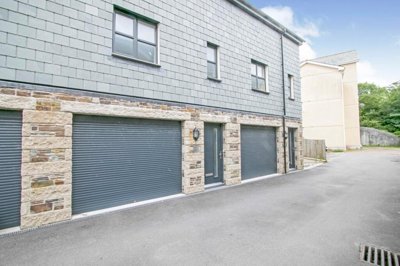
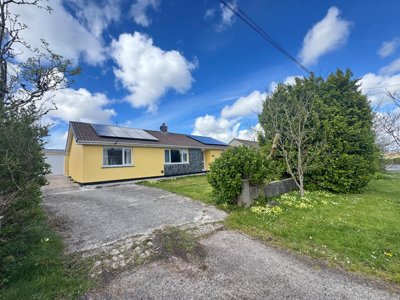
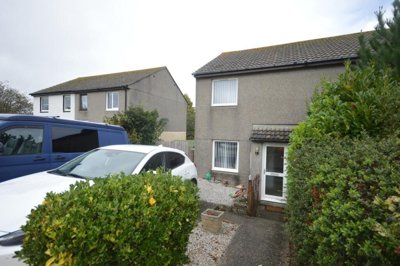
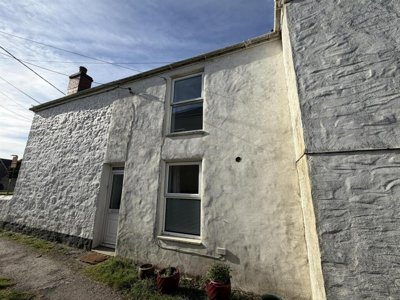
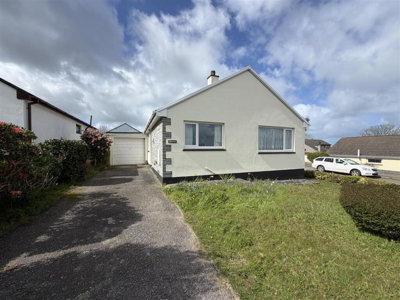
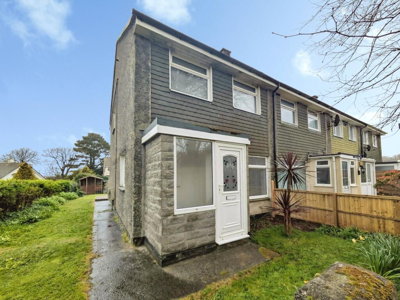
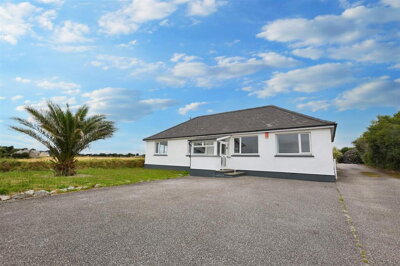
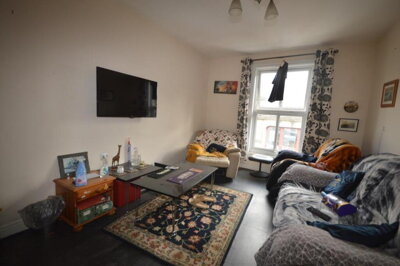
Browse 16 rental homes to rent in Carn Brea from local letting agents.
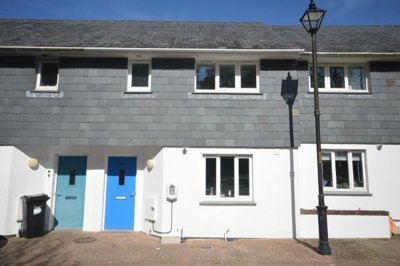
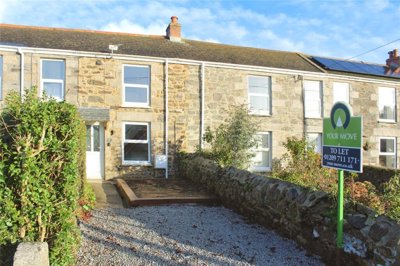
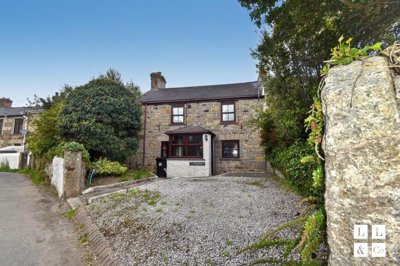
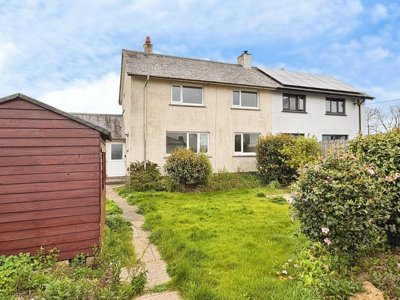
The Carn Brea property market offers detached, semi-detached, and terraced houses spanning various price ranges and neighbourhoods. Each listing includes detailed property information, photographs, and direct contact with the marketing agent.
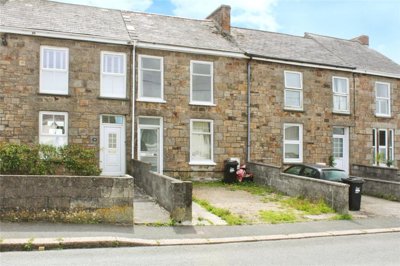
Carn Brea’s rental market covers plenty of ground, from traditional terraces to semi-detached family homes and detached properties that make the most of the area’s elevated position and wide views. Our current listings reflect that spread. The local housing stock also speaks to Carn Brea’s history, with many homes built from the granite and killas stone so closely tied to the Cornish mining landscape. In the village centre, renters often find exposed stone walls, sash windows and fireplaces, while newer arrivals to the market bring more modern fittings and energy-efficient upgrades.
Across Carn Brea, rental choices are shaped quite sharply by locality. The ownership market shows average prices from around £162,500 in the village centre to approximately £289,000 for homes on Carn Brea Lane, and that gap feeds through into rents too. Larger detached houses usually achieve higher monthly rents than compact flats or older terraces. Our search results set out the current options clearly, so you can compare what is available and see what fits your budget. We would also suggest looking at several parts of the parish, as each one has its own feel and price range.
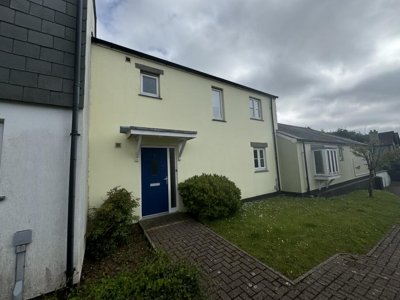
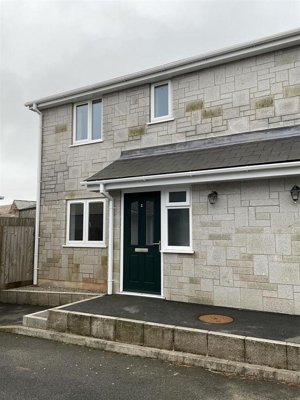
Some of the newer-build stock sits around Carn Brea Lane and Pool, giving renters modern specifications without the upkeep that older homes can bring. Valley View Park in neighbouring Tuckingmill includes contemporary semi-detached houses with EV charging points, while areas near Redruth offer newer developments with updated kitchen and bathroom fittings. For anyone after character, the village centre and Conservation Areas still hold granite-built homes with the sort of charm that gives Carn Brea its identity. Our listings span all price brackets, and we can help weigh up character, condition and cost.

At the centre of daily life here is the huge granite outcrop that shapes the skyline and gives Carn Brea its name. Sitting at the summit, Carn Brea Castle, a 14th-century Grade II listed building, is the area’s best-known landmark and can be seen for miles. The civil parish has approximately 8,000 residents, so there is a lively community feel, but Camborne and Redruth are close enough for wider amenities. Regular events, active neighbourhood groups and traditional pubs all help to keep that village atmosphere going.
Since mining declined, Carn Brea’s economy has changed a great deal, though the industrial past is still visible in the buildings and landscape. Around Pool and Tuckingmill there has been investment in education and innovation, including the Cornwall College campus and the Heartlands development, which brings community space and work opportunities. For renters, that means local jobs without having to head off to a bigger city each day. Heartlands, once a working mine, now has a cinema, cafe and community spaces, a neat example of the area reshaping itself while keeping hold of its heritage.
Carn Brea Hill and Tuckingmill fall within a Conservation Area, and that helps keep the built environment looking distinct and well cared for. In fact, the whole of Carn Brea is designated a conservation area, so changes to rental properties may need consent from Cornwall Council. The designation protects the appearance of the place and supports property values too. Renters get a well-kept setting, while landlords are encouraged to maintain homes to the standard expected in a conservation area.

Families looking at rentals in Carn Brea have a fair choice of schools within reach. Several primary schools in nearby towns and villages serve younger children, while Camborne and Redruth provide secondary options for the wider area. Regular bus services through Carn Brea make those schools accessible, and Cornwall College’s nearby campus adds further options for older students and adults looking at vocational or degree-level study. It is sensible to check catchments before committing, because they can change depending on where in the parish the property sits.
For households focused on education, we would urge a close look at catchments and admission arrangements before a tenancy is agreed. The Cornish education system includes both academy schools and community schools, and each has its own policy and record. School buses run to secondary schools from different parts of the Carn Brea parish, though routes and availability vary with location. Our property listings include approximate distances to local schools, which makes it easier to narrow things down. Visiting schools before applying for a property is also a good move, as it gives a proper feel for the environment.
Beyond school-age provision, Cornwall College’s nearby campus gives Carn Brea residents adult learning options as well, from vocational courses to higher education programmes. That presence also supports jobs and local facilities. For renters planning to stay long term, being able to access further education without travelling into a larger town is a real plus. The Pool Vision document points to ongoing investment around Pool Cross in education and innovation, so that side of local provision looks set to strengthen in the years ahead.

Transport is one of Carn Brea’s stronger points for renters. The village sits neatly within the Camborne-Redruth conurbation and has quick access to the A30 trunk road, Cornwall’s main east-west route. From there, journeys reach Truro and, for longer trips beyond the peninsula, the M5 motorway at Exeter. Camborne’s mainline railway station is also close by, with regular services to Truro, Plymouth and London Paddington, so commuting to more distant jobs is possible for some residents. Our team can point you towards homes with the best transport links for your routine.
First Kernow bus services link Carn Brea with the neighbouring towns and the coast, giving regular connections to Camborne and Redruth. The parish is fairly well covered by routes that follow the main roads through the area, although anyone in a more secluded property may still want a car for day-to-day ease. Cycling can work well too, thanks to the relatively flat surrounding land and the scenic country lanes, though the hillier terrain around the granite outcrop needs a bit of planning. Parking is another mixed bag, as some older terraces have very little off-street space while others come with driveways or allocated bays.
From Camborne railway station, direct services reach major destinations, and the journey to London Paddington takes around four and a half hours. For renters who work in Truro or elsewhere in Cornwall, the A30 gives dependable road access across the county. Carn Brea’s position between Camborne and Redruth means people can tap into a wide transport network without paying the coastal premium that often comes with similar connectivity. We would suggest keeping commuting patterns in mind when choosing a property, because some parts of the parish are better placed than others for main routes.

Before you start viewing homes in Carn Brea, sort out a rental budget agreement in principle with a financial provider. It shows how much rent you can afford, which gives estate agents and landlords more confidence in your application. Our partners offer quick online rental budget checks that take only a few minutes, and we recommend getting this done before you book viewings so the search runs more smoothly and your interest looks serious.
Take time to look around the different parts of the Carn Brea parish before settling on an area. Think about schools, bus routes, local shops and your workplace. The village centre, Tuckingmill and the areas near Pool each have their own character, as well as different distances to everyday amenities. Our team can talk you through the feel of each neighbourhood and help you weigh up what matters most, from easy transport access to being close to the granite outcrop and its walking trails.
Our property search is a good place to start if you are matching rentals to a budget and a wish list. Once you have spotted homes of interest, arrange viewings and use the time to check the condition, ask about tenancy terms and meet the current occupants or landlord if possible. With older houses, especially those built from granite or killas stone, keep an eye out for weathering or signs that specialist maintenance may be needed. We can join you on viewings too, if you would like an extra pair of expert eyes.
Where a home is over 50 years old, or has unusual construction, a RICS Level 2 survey is well worth booking before you commit. Carn Brea’s mining past and its many older granite buildings mean a professional survey can pick up issues such as subsidence, damp or structural movement that may not show during a routine viewing. We work with qualified surveyors who know local building methods and the defects common in Cornish properties. Survey costs usually sit between £400 and £700, depending on value and condition.
Once the right property comes up, read the tenancy agreement carefully before signing anything. Make sure the deposit protection scheme, notice periods, rent review arrangements and any property-specific conditions are all clear. In Carn Brea, conservation area restrictions may affect certain changes, and our team can talk through how that might shape your tenancy. If any clause is unclear, ask for it to be explained before you commit.
Before moving day, arrange the inventory check-in and sort out utilities, council tax and contents insurance. In rented homes across Cornwall, it also makes sense to think about coastal weather and the effect it can have on roof condition and drainage. Our team can give you checklists and practical guidance for settling in, including details of local utility providers and insurance companies that know Cornish properties well.
Renting in Carn Brea brings a few local considerations that do not always crop up elsewhere. The granite geology and the area’s mining history mean ground stability can matter, and some locations may carry subsidence risk because of old workings below the surface. Older homes built from granite and local killas stone are sturdy, but it is still wise to look for cracking, sticking doors or uneven floors. A thorough survey can pick up problems before you go any further.
The materials used in Carn Brea homes reflect both the geology and the industrial past of the area. Traditional buildings usually combine granite with killas, a local country stone with darker brown to red hues, and roofs were once slate, although many now have cement-slurried or artificial coverings. Check roofing closely when you view, and look for any sign of water ingress, especially where older coverings remain. Cornwall’s coastal weather can wear roofing down quickly, particularly on homes exposed to prevailing winds and driving rain.
Because Carn Brea sits within a Conservation Area, some changes to a rented home may need Cornwall Council’s consent. If you plan to install satellite dishes, replace windows or carry out external alterations, it is best to check with the local planning authority first. Those restrictions often help preserve character and the street scene, which is one reason the area looks so distinctive. For renters, the trade-off is a pleasing setting with limits on what can be changed during the tenancy. We would also suggest speaking to the landlord before agreeing to anything.

Our property search includes rentals across Carn Brea, with prices shaped by property type, size, condition and exact location. The local sales market shows averages from around £162,500 in the village centre to approximately £289,000 for homes on Carn Brea Lane. Rental levels tend to follow that pattern, so larger detached houses usually attract higher monthly rents than compact flats or terraces. For the latest rental listings and pricing, speak to local estate agents. Our team can talk through current market conditions and help you stay within budget.
For council tax, properties in Carn Brea sit under Cornwall Council’s jurisdiction. Bands run from A to H depending on assessed value, with most traditional cottages and terraced homes sitting in the lower bands and larger detached homes usually in mid-range bands. You can check the exact band for a property on the Cornwall Council website or in the listing details. When planning your budget, remember to add council tax to rent and utilities so the monthly cost feels manageable.
Primary schools in the wider Camborne-Redruth area serve Carn Brea, and secondary schools can be reached by school bus services. Cornwall College’s nearby campus adds further and higher education options, including vocational courses and degree programmes. Before choosing a rental, it pays to research catchments and admission criteria, since availability changes with location in the parish. Our listings give approximate distances to local schools, which helps families narrow the search. Visiting schools before committing to a tenancy is also sensible, as it gives a proper sense of the environment and facilities.
First Kernow runs regular bus services that connect Carn Brea with Camborne, Redruth and surrounding places. Camborne railway station offers mainline services to Truro, Plymouth and London Paddington, and the nearby A30 trunk road gives road links across Cornwall and onwards to the M5 motorway. Even so, people living in the more isolated parts of the parish may find a car necessary for full convenience. Our team can advise on homes with the strongest transport access, depending on commuting needs and lifestyle.
Carn Brea gives renters a mix of historic character, a strong community spirit and useful connectivity. It is a quieter option than coastal locations, yet still close to the amenities found in nearby towns. The Conservation Area designation helps keep the local environment attractive and well maintained, while Cornwall College and Heartlands support jobs and community facilities. With mining heritage visible across the landscape and transport links that work well, Carn Brea suits people who value architectural character and a close-knit atmosphere. Our team has local knowledge that goes beyond what appears in the listings.
For rented homes, the standard deposit is five weeks' rent, and it must be protected in a government-approved scheme under the Tenant Fees Act 2019. You may also need the first month's rent in advance, and in some cases referencing fees, although letting agent fees have been restricted under that law. Some landlords ask for a larger deposit where there are higher-risk factors such as pets, or may want a guarantor if rental history is limited. Plan for that, and check each landlord or letting agent’s requirements before you start. Our team can talk through the likely costs and help you get your finances ready.
Carn Brea’s old mining activity means some homes can face ground stability issues linked to historic workings. The granite outcrop and the surrounding area have a long copper and tin mining history, and that can affect conditions below ground in certain spots. Cornwall’s coastal weather can also be hard on properties, especially roof condition and resistance to driving rain, with salt corrosion and fixing fatigue possible on older exposed homes. Conservation Area rules help preserve character, though they can also limit some changes. For older houses, a professional RICS Level 2 survey is a sensible step before you commit.
When you view rentals in Carn Brea, keep an eye out for damp, which is common in older Cornish homes built from granite and killas stone. Check the roofing materials as well, because traditional slate roofs may have been partly replaced with cement-slurried coverings or artificial tiles. Cracking around walls, especially near door and window openings, can point to structural movement and may link to historic mining activity. For any older home, particularly those over 50 years old or with unusual construction methods, we would advise a proper inspection or survey before you go ahead.
Get pre-approved for your rental budget with our quick online check
From 4.5%
Comprehensive referencing services to support your rental application
From £99
Professional survey recommended for older properties in Carn Brea's mining district
From £400
Energy performance certificate for your rental property
From £85
It helps to understand the costs of renting before you find the right home in Carn Brea, so the budget feels under control. The standard deposit is five weeks' rent, and it must be placed in a government-approved deposit protection scheme within 30 days of receipt. That protection means you should be able to recover the money at the end of the tenancy, as long as there is no damage beyond normal wear and tear or unpaid rent. Your landlord also has to tell you which scheme holds the deposit, and we suggest keeping every record of correspondence about it.
There are usually further upfront costs too, most often the first month's rent in advance and, in some cases, referencing fees, although letting agent fees have been restricted under the Tenant Fees Act 2019. A landlord may ask for a guarantor, particularly where a renter is new to the area or has limited rental history. If you are taking on an older Carn Brea property, it can also be sensible to set aside money for repairs or improvements that the landlord may ask you to handle. A rental budget agreement in principle before viewings can speed up applications and shows landlords and letting agents that your finances are in good shape.
When you work out the cost of renting in Carn Brea, remember to include the ongoing bills as well as the rent and deposit. That means council tax, in bands A to H depending on property value, plus utilities, contents insurance and, in some cases, parking fees or service charges. Our team can give you a clear breakdown of the usual costs for different parts of the Carn Brea parish, so you can see the full financial commitment before you agree to a tenancy. We are open about costs, and we will not spring hidden fees or charges on you.
Properties to Rent In London

Properties to Rent In Plymouth

Properties to Rent In Liverpool

Properties to Rent In Glasgow

Properties to Rent In Sheffield

Properties to Rent In Edinburgh

Properties to Rent In Coventry

Properties to Rent In Bradford

Properties to Rent In Manchester

Properties to Rent In Birmingham

Properties to Rent In Bristol

Properties to Rent In Oxford

Properties to Rent In Leicester

Properties to Rent In Newcastle

Properties to Rent In Leeds

Properties to Rent In Southampton

Properties to Rent In Cardiff

Properties to Rent In Nottingham

Properties to Rent In Norwich

Properties to Rent In Brighton

Properties to Rent In Derby

Properties to Rent In Portsmouth

Properties to Rent In Northampton

Properties to Rent In Milton Keynes

Properties to Rent In Bournemouth

Properties to Rent In Bolton

Properties to Rent In Swansea

Properties to Rent In Swindon

Properties to Rent In Peterborough

Properties to Rent In Wolverhampton

Enter your details to see if this property is within your budget.
Loans, cards, car finance
Estimated property budget
Borrowing + deposit
You could borrow between
Typical borrowing
Monthly repayment
Est. at 4.5%
Loan-to-value
This is an estimate only. Your actual budget may vary depending on interest rates, credit history, and personal circumstances. For an accurate affordability assessment, speak to one of our free mortgage advisors.
This calculator provides estimates for illustrative purposes only and does not constitute financial advice. Your home may be repossessed if you do not keep up repayments on your mortgage. Estimates based on 4.5% interest rate, repayment mortgage. Actual rates depend on your circumstances.
Homemove is a trading name of HM Haus Group Ltd (Company No. 13873779, registered in England & Wales). Homemove Mortgages Ltd (Company No. 15947693) is an Appointed Representative of TMG Direct Limited, trading as TMG Mortgage Network, which is authorised and regulated by the Financial Conduct Authority (FRN 786245). Homemove Mortgages Ltd is entered on the FCA Register as an Appointed Representative (FRN 1022429). You can check registrations at NewRegister or by calling 0800 111 6768.

We use cookies to show you personalised content and improve your experience of our website. Find out more in our Privacy policy and Cookie policy.