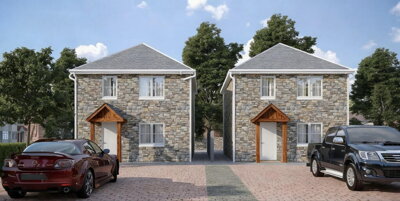
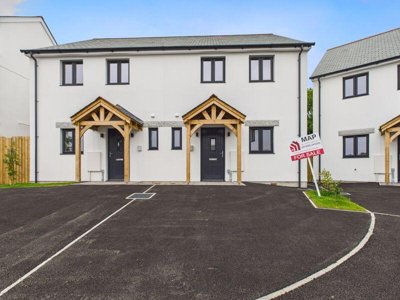
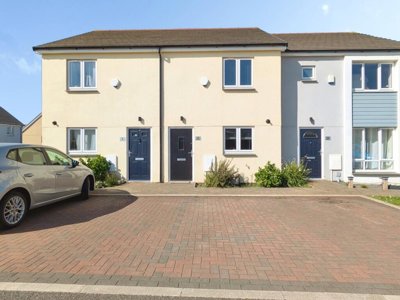
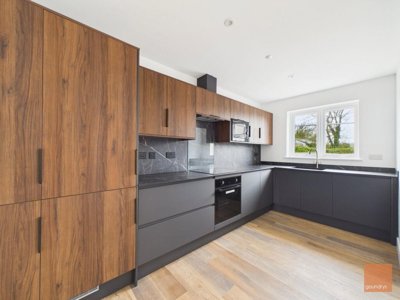
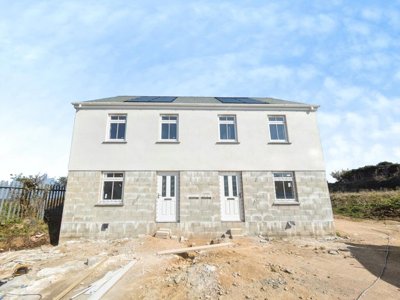
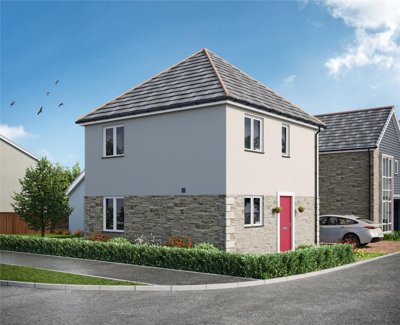
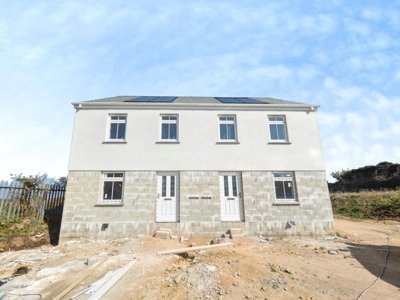
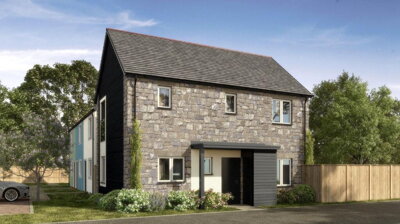
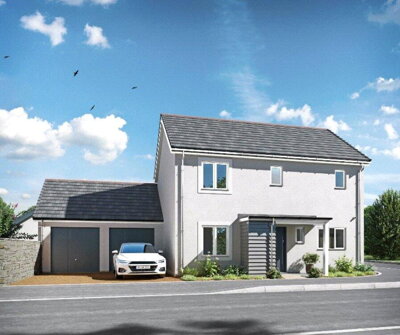
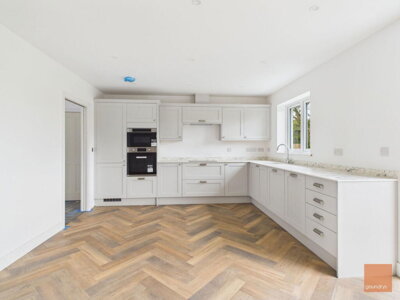
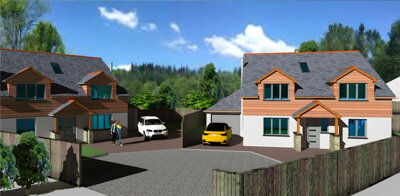
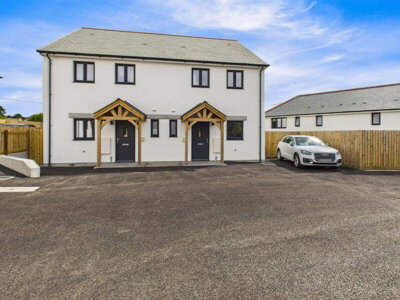
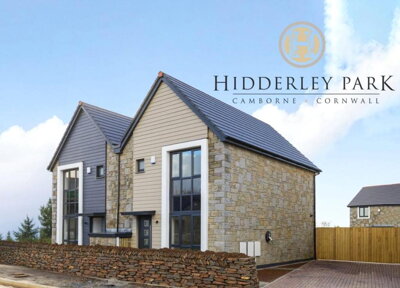
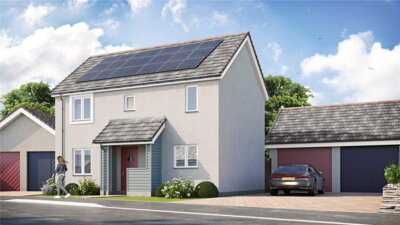
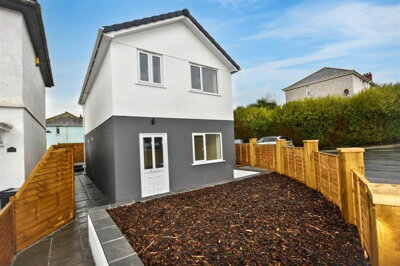
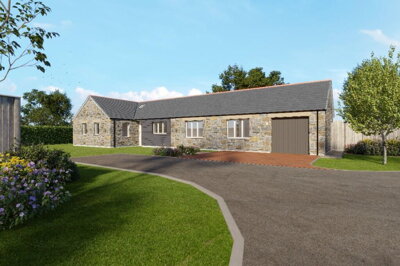
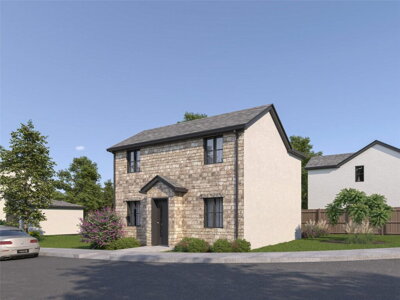
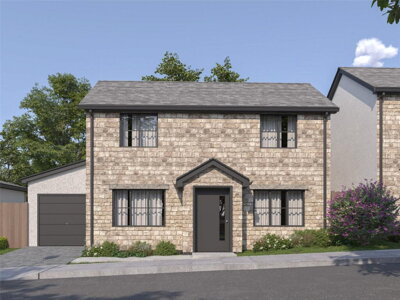
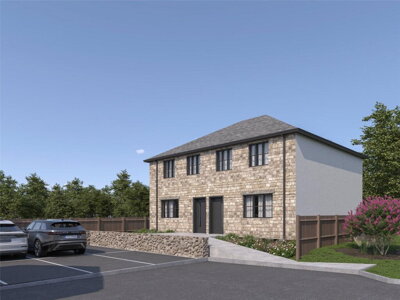
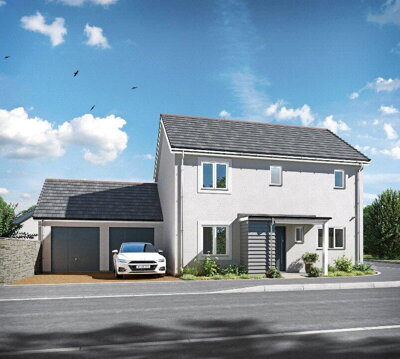
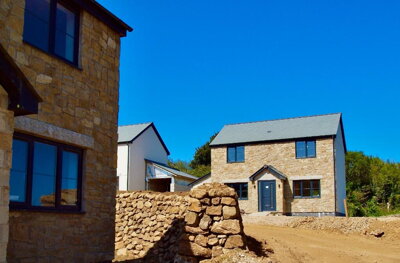
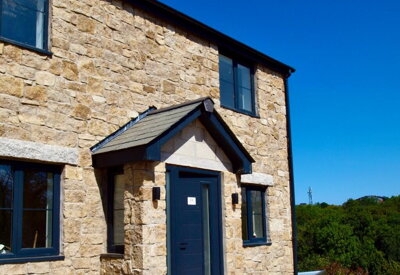
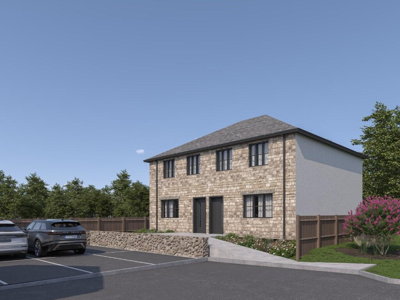
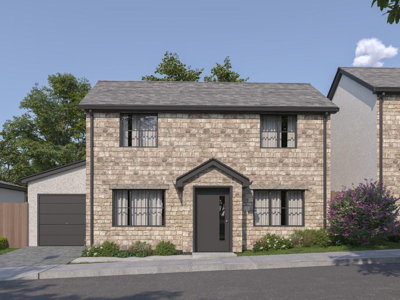
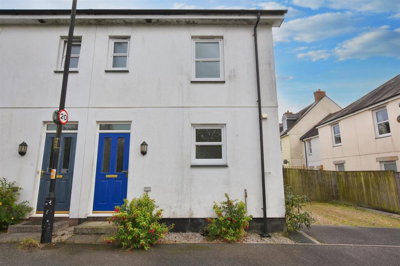
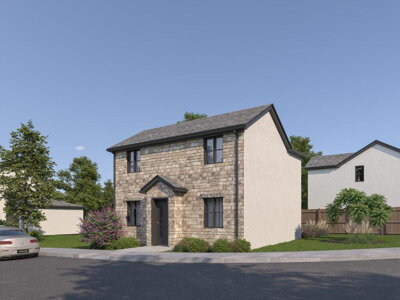
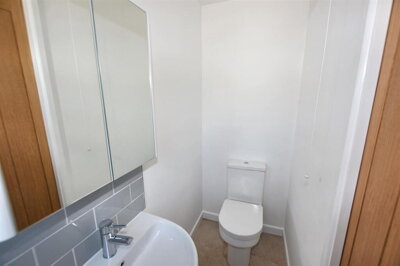
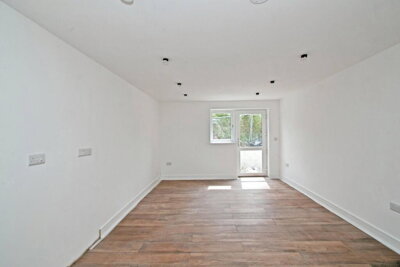
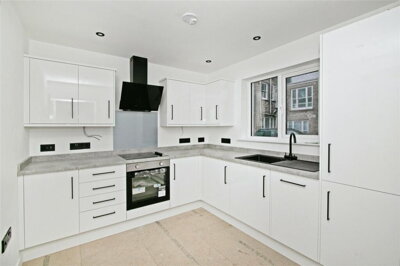
Browse 29 homes new builds in Carn Brea from local developer agents.
Carn Brea’s property market is shaped by a mix of housing types and tightly defined local pockets. homedata.co.uk shows average house prices at around £63,000 across the wider area, but that headline figure hides big swings between neighbourhoods. Along Carn Brea Lane in the Pool area, homes average £289,167, with detached properties typically changing hands at £316,250 and semi-detached houses at around £235,000. In Carn Brea Village, the average is £162,500, which shows just how sharply values can shift within this compact parish.
Over the last year, prices have eased in most parts of the market. homedata.co.uk records Carn Brea Village down 38% from its 2023 peak of £281,250, while Carn Brea Lane is 11% below the 2021 peak of £297,500. That has opened up a few more entry points for buyers wanting a foothold in this historically important place. Activity has held up too, with around 135 sales in the wider Carn Brea and Redruth area over the past twelve months, so the market still has reasonable movement despite tougher conditions elsewhere.
A look at home.co.uk shows new-build choices in the TR15 postcode area, including Valley View Park in nearby Tuckingmill. There are three-bedroom semi-detached houses from £295,000 and detached homes from £385,000, both with electric vehicle charging points. Redruth adds more options, from two-bedroom reverse-level homes at £229,500 to three-bedroom new builds in Camborne at £375,000. Savills also lists larger four and five-bedroom detached new homes with countryside aspects available in the Carn Brea vicinity.

Living in Carn Brea means living with a striking landscape first and foremost. The granite hilltop has shaped settlement here since Neolithic times, and it still gives the parish its sense of place. Despite being close to larger towns, the civil parish keeps a strong community feel, with local facilities serving homes spread across the lower slopes and the surrounding plain. Mining heritage is still easy to spot, from converted engine houses to the streetscapes built in local granite and killas stone.
The local economy draws strength from its place in the Camborne-Redruth conurbation. Jobs range across education, retail, light manufacturing and the creative sector, with facilities such as the Design and Making Centre in the former Stables and School building playing a part. Cornwall College and Heartlands both act as community hubs, for learning as well as leisure. Day-to-day needs are covered by convenience shops, traditional pubs and recreational facilities, while Camborne and Redruth broaden the choice for shopping, healthcare and services.
Across Carn Brea, the landscape shifts from the wild heathland on the hill itself to pastoral fields and homes below. Ancient ramparts and prehistoric settlements on the summit speak to thousands of years of occupation, and Carn Brea Castle, remodelled in the 18th century and now a Grade II listed building, is still one of the area’s most recognisable landmarks. The whole of Carn Brea is designated a conservation area, which helps protect the built environment with its granite construction, slate roofs and traditional Cornish detailing.

Families in Carn Brea have a number of primary school options to look at. Several serve the local residential areas, and there are more choices in nearby Camborne and Redruth. Catchment boundaries matter here, so it is sensible to check the exact address before assuming a school place. Cornwall’s admissions rules are geography-based, and that can make a real difference to which schools are available for a particular home.
For older pupils, the wider Camborne-Redruth area has several established secondary schools that draw students from Carn Brea and the surrounding parishes. Cornwall College in nearby Pool adds further and higher education, with vocational and academic courses for school leavers and adults. Local planning papers have also identified the college campus as a community hub, which underlines how important this cluster of education facilities is to the area.
If we are looking at older homes in Carn Brea, it is worth remembering that some of the historic stock sits near former school buildings that have since been converted for residential use. Being close to well-regarded schools can support both resale values and rental demand, so catchment areas are not a side issue for family buyers. For admissions or performance questions, the Ofsted website and Cornwall Council’s admissions information are the places to check.

Transport from Carn Brea benefits from its position in the middle of Cornwall’s old mining heartland. Camborne is nearby and offers direct rail services from Camborne station on the main line between Penzance and London Paddington. From there, the journey to London Paddington is approximately 5 hours, while Truro is about 45 minutes away, with links across the West Country and further afield. Redruth station is also within easy reach and provides similar services plus extra local connections.
Road links are centred on the A30 trunk road, Cornwall’s main arterial route. It runs through or close to Carn Brea, giving access to Truro, the north coast and the M5 motorway for Bristol and beyond. Local bus services from different operators link Carn Brea with Camborne, Redruth and nearby villages, although some routes are sparse, particularly in the evenings and at weekends. For most households, having a car still makes daily life easier.
For walkers and cyclists, there are several routes that tie the residential areas to town centres and employment areas. Former mineral railway lines have, in places, been turned into footpaths and cycle routes, which makes for a scenic and traffic-free way to get about. The hill around Carn Brea is another matter, though. It is steep in places, so less experienced cyclists will need to factor that into their commute.

We can help you compare current listings and spot the price differences between places such as Carn Brea Village and Carn Brea Lane. Looking at recent sale prices and property types will help you set a budget and narrow down which parts of the parish fit what you need. It is also sensible to weigh up schools, transport and the conservation area rules before you commit.
Before you book viewings, get a mortgage agreement in principle. It shows estate agents and sellers that you are in a position to proceed. Carn Brea’s range of price points means there is something to suit different borrowing needs, from first-time buyer schemes to larger family mortgages. Our recommended mortgage brokers know the Cornwall market well and can talk you through the options.
Once you have a shortlist, arrange viewings and take time to look at both the property itself and the street scene around it at different times of day. In an area with a mining past, we would pay close attention to damp, roof condition and any sign of structural movement. Our platform puts you in touch with local estate agents so you can arrange viewing times that work.
Before you complete, arrange a professional survey so the property’s condition is properly assessed. In Carn Brea, damp, roof decay and possible subsidence from historic mining workings are the main things to watch for. A Level 2 survey in Cornwall typically costs between £400 and £700, while older homes or listed buildings may need the more detailed Level 3 report.
Next, appoint a conveyancing specialist to deal with the legal side of the purchase. Your solicitor will carry out searches, review the contract and stay in touch with the Land Registry and your mortgage lender. For properties in a conservation area such as Carn Brea, there may also be extra checks around planning permissions and restrictions.
After the surveys, searches and mortgage arrangements are all in place, contracts are exchanged and the deposit is paid. Completion usually follows within days or weeks, and that is when the keys to your new Carn Brea home are handed over. Our recommended solicitors can guide you through each stage.
Properties in Carn Brea need careful inspection because of the area’s construction history and the local environment. Traditional buildings are mainly built from granite and local killas stone, with slate or cement-slurry roof coverings. Those methods can bring problems such as damp penetration, mortar deterioration and timber decay. When viewing older homes, check the walls for moisture ingress, look over the roof for missing or damaged slates, and keep an eye out for cracking that could point to movement.
The mining past brings its own questions for buyers. Historic copper and tin mining left underground workings that can affect ground stability in some spots. Homes built on, or close to, former mine sites may be vulnerable to subsidence, so surveys should look closely at those risks. A RICS Level 2 or Level 3 survey will flag any concerns and assess the property’s structural integrity.
Because the whole of Carn Brea is a conservation area, restrictions can apply to alterations, extensions and exterior changes. Anyone thinking about renovation or modification should check Cornwall Council’s planning portal to see what is currently allowed. Listed buildings such as Carn Brea Castle and the former Stables and School need special consent for most works. Those historic designations can carry a premium, but they also bring character that newer homes rarely match.
Flood risk needs checking for each individual property in Carn Brea, as comprehensive data on flood risk zones was not available. Cornwall gets significant rainfall, and the local topography can funnel surface water through certain parts of the area. Ask sellers about any previous flooding and look at the property’s position in relation to local watercourses and drainage systems. During conveyancing, your solicitor should also request drainage and water authority searches.

Our inspectors often come across damp, roof decay and subsidence in Carn Brea homes because of the granite construction, the mining history and Cornwall’s weather. A RICS Level 2 survey, from £400 in Cornwall, can pick up these issues before you commit and may save thousands in surprise repair bills. For older granite properties or listed buildings, our team usually recommends the more detailed Level 3 assessment, since it gives a fuller picture of the building’s complexity.
Prices in Carn Brea vary sharply from one part of the civil parish to another. homedata.co.uk shows an overall figure of approximately £63,000, though that is heavily affected by the range of homes available. Carn Brea Village is more typically around £162,500, while Carn Brea Lane near Pool averages £289,167. Detached homes usually sell for about £316,250 and semi-detached houses for roughly £235,000. Recent movements have seen corrections of 11% to 38% across different segments, which has brought more accessible entry points for buyers.
Council tax in Carn Brea sits under Cornwall Council’s jurisdiction. The band depends on the assessed value of the property, starting at Band A for lower-value homes and rising through the higher bands for more expensive places. A terraced home in Carn Brea Village priced at around £150,000 might fall into Band B or C, while a detached property on Carn Brea Lane close to £300,000 could be Band D or E. To confirm the exact band, check the Valuation Office Agency website or the Cornwall Council council tax pages, where annual schedules list the charges for each band.
Families in Carn Brea have several primary schools in the civil parish, with more options across Camborne and Redruth. The right school depends on the address and individual circumstances, because Cornwall uses a catchment-based admissions system. Ofsted ratings are available on the Ofsted website, and Cornwall Council’s school admissions information will help you work out the schools linked to your home. For older students, Cornwall College in nearby Pool offers further and higher education, with courses from vocational diplomas through to degree-level qualifications.
Carn Brea sits close to both Camborne and Redruth railway stations, so direct services to Truro, Plymouth and London Paddington are within reach. Local buses link the area with nearby towns and villages, although some routes are less frequent than others. The A30 trunk road gives wider road access across Cornwall and out to the M5 motorway beyond. Even so, car ownership is still useful for getting to local services and jobs, especially with the hilly terrain.
There are a few reasons Carn Brea may interest property investors. Its historic character, conservation status and proximity to major employers such as Cornwall College and the expanding Heartlands development give it some solid fundamentals. Recent corrections in TR15 prices could also create opportunities for medium to long-term investors. Even so, anyone buying to let should think carefully about mining-related subsidence risk, conservation restrictions on rental properties and the level of local tenant demand before going ahead.
Stamp Duty Land Tax applies to property purchases in England, and the current 2024-25 thresholds mean no SDLT is due on homes up to £250,000. Between £250,001 and £925,000, the rate is 5%, then 10% applies from £925,001 to £1.5 million, and 12% is charged above £1.5 million. First-time buyers get relief on the first £425,000, then pay 5% on the portion between £425,001 and £625,000. With Carn Brea’s typical prices, plenty of purchases will sit in the lower tax bands or qualify for first-time buyer relief.
Budgeting properly for a Carn Brea purchase means looking beyond the asking price. Buyers also need to allow for Stamp Duty Land Tax, solicitor fees, survey costs and other related expenses. On a typical Carn Brea property at the village average of £162,500, a standard rate buyer would pay no SDLT, because the threshold is £250,000. That is a sizeable saving compared with buying in more expensive parts of England, where SDLT starts from the first pound.
First-time buyers in Carn Brea benefit from the higher relief threshold, which lifts the zero-rate point to £425,000. In practice, that means most homes in the area’s usual price range will not trigger SDLT for qualifying first-time buyers. For higher-value properties approaching £300,000 or more, SDLT would apply at 5% on the amount above £425,000. Homes priced above £625,000 do not qualify for first-time buyer relief at all, so standard rates apply from the first pound above £250,000.
There are still other buying costs to plan for. Mortgage arrangement fees typically run from £0 to £2,000, depending on the lender and the product selected. In Cornwall, a RICS Level 2 HomeBuyer Report usually costs between £400 and £700, although older homes, non-standard construction or listed status can add £150 to £400. Conveyancing often starts from £499 for standard transactions, with extra charges for search packages, Land Registry fees and bank transfer costs. Building insurance should be in place from exchange, and removals costs will vary depending on distance and the amount you are moving.

Properties New Builds In London

Properties New Builds In Plymouth

Properties New Builds In Liverpool

Properties New Builds In Glasgow

Properties New Builds In Sheffield

Properties New Builds In Edinburgh

Properties New Builds In Coventry

Properties New Builds In Bradford

Properties New Builds In Manchester

Properties New Builds In Birmingham

Properties New Builds In Bristol

Properties New Builds In Oxford

Properties New Builds In Leicester

Properties New Builds In Newcastle

Properties New Builds In Leeds

Properties New Builds In Southampton

Properties New Builds In Cardiff

Properties New Builds In Nottingham

Properties New Builds In Norwich

Properties New Builds In Brighton

Properties New Builds In Derby

Properties New Builds In Portsmouth

Properties New Builds In Northampton

Properties New Builds In Milton Keynes

Properties New Builds In Bournemouth

Properties New Builds In Bolton

Properties New Builds In Swansea

Properties New Builds In Swindon

Properties New Builds In Peterborough

Properties New Builds In Wolverhampton

Enter your details to see if this property is within your budget.
Loans, cards, car finance
Estimated property budget
Borrowing + deposit
You could borrow between
Typical borrowing
Monthly repayment
Est. at 4.5%
Loan-to-value
This is an estimate only. Your actual budget may vary depending on interest rates, credit history, and personal circumstances. For an accurate affordability assessment, speak to one of our free mortgage advisors.
This calculator provides estimates for illustrative purposes only and does not constitute financial advice. Your home may be repossessed if you do not keep up repayments on your mortgage. Estimates based on 4.5% interest rate, repayment mortgage. Actual rates depend on your circumstances.
Homemove is a trading name of HM Haus Group Ltd (Company No. 13873779, registered in England & Wales). Homemove Mortgages Ltd (Company No. 15947693) is an Appointed Representative of TMG Direct Limited, trading as TMG Mortgage Network, which is authorised and regulated by the Financial Conduct Authority (FRN 786245). Homemove Mortgages Ltd is entered on the FCA Register as an Appointed Representative (FRN 1022429). You can check registrations at NewRegister or by calling 0800 111 6768.

We use cookies to show you personalised content and improve your experience of our website. Find out more in our Privacy policy and Cookie policy.