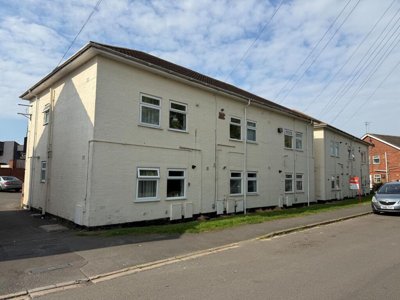
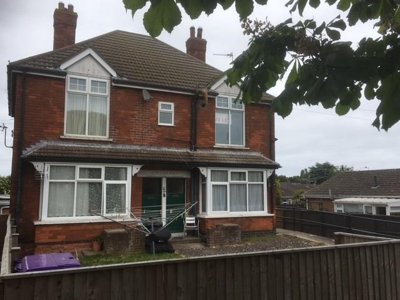
Browse 2 rental homes to rent in Burgh le Marsh from local letting agents.
Studio apartments feature open-plan living spaces without separate bedrooms, incorporating sleeping, living, kitchen, and bathroom facilities. The Burgh Le Marsh studio market includes properties in modern apartment complexes, converted Victorian and Georgian buildings, and purpose-built developments.
Burgh le Marsh’s rental scene sits within the wider East Lindsey market, with homes that suit different budgets and household setups. Recent market data puts the average house price at £227,902, but rental values still vary widely by size, condition and finish. Detached homes sit at the top end, at around £280,317, and tend to appeal to families wanting more living space and a garden. Semi-detached properties, averaging approximately £195,500, are among the most familiar house types across Lincolnshire villages and give couples and small families a solid mix of space and affordability.
At the smaller end of the market, terraced homes in Burgh le Marsh usually sell for around £156,000, while flats average £100,000. That points to more accessible options for first-time renters or anyone after a simpler, easier-to-manage home. Over the last 12 months, prices locally have fallen by approximately 2.6% overall, and 33 property sales were recorded in the last year. We often find that a shift like this can feed into lettings, with some landlords more willing to offer competitive terms to attract strong tenants in a village people actively want to live in.
There is a seasonal rhythm to renting here. Demand usually lifts in spring and summer, when families would rather move outside the school year. Even so, Burgh le Marsh is a small village market, so the number of available rentals tends to stay limited all year compared with bigger towns. We’d advise moving quickly when a suitable place appears, especially around the village centre or close to the primary school, where good homes can draw several enquiries in a short time.

The housing stock in Burgh le Marsh covers several building periods, and a notable share dates from before 1919, especially inside the designated Conservation Area. That older character shapes the rental market, because many homes were built using traditional methods that are quite different from newer construction. In the village, that often means solid brick walls, timber floor structures, and pitched roofs finished with slate or clay tiles. Homes from the inter-war period (1919-1945) and post-war development phases (1945-1980) widen the mix further, and later properties may include cavity wall construction.
Older cottages in Burgh le Marsh often come with the details renters like most, original fireplaces, exposed beams and traditional window styles. They do, however, tend to ask a bit more of both landlord and tenant than a newer home would. Single-glazed windows and solid walls without modern insulation are still common features, so they deserve proper thought before taking on a tenancy. Semi-detached family houses from different periods usually offer more familiar layouts and can suit households that want straightforward accommodation without quite so many maintenance concerns.
There is newer housing in the village too, and that brings modern insulation standards, double glazing and better energy efficiency into the local rental mix. For tenants focused on lower utility bills and fewer maintenance worries, those homes can be the obvious fit. When we look at rentals in Burgh le Marsh, the age and build type of the property tell us a lot about likely running costs, upkeep responsibilities and any limits that may apply within the Conservation Area.

Life in Burgh le Marsh has that classic English village feel, with a strong community and a slower pace than most urban areas. In the centre, traditional buildings set the tone, and the Grade I listed St Peter and St Paul's Church stands out immediately on the skyline. It is one of the clearest signs of the village’s medieval origins, which stretch back several centuries. Much of this historic core sits within the Conservation Area, helping preserve the character that makes Burgh le Marsh distinct within East Lindsey.
The local economy draws support from tourism along the nearby Lincolnshire coast, with hospitality and leisure creating work for local residents. Agriculture still matters in the surrounding countryside as well, giving the area a broader economic base. Day to day, the village is served by local shops and the primary school, which cuts down the need to travel elsewhere for essentials. Community events and shared facilities help knit people together, and that is a big part of why Burgh le Marsh appeals to families and to those wanting a more connected neighbourhood. The population mix spans different age groups, with long-established residents living alongside newer arrivals drawn by the quality of life and lower costs than in larger towns.
Day-to-day living here is practical rather than flashy. Burgh le Marsh has the basics covered with a local shop for groceries and everyday items, plus village pubs for meals and a bit of social life without getting in the car. For bigger shops, medical appointments or specialist services, most people look to Skegness, around 15 minutes away by car, while Spilsby is closer for extra facilities at roughly 10 minutes. The flat Lincolnshire landscape also makes cycling workable for short trips when the weather behaves, and the village gives fairly straightforward access to the Lincolnshire Wolds Area of Outstanding Natural Beauty for time outdoors.

Education in Burgh le Marsh is centred on the village primary school, which serves both the village itself and the surrounding catchment area. For families renting locally, having a school in the village can make a real difference to the morning routine and adds to the area’s appeal for households with children. Primary schools in Lincolnshire follow the standard national curriculum, and many offer before and after-school care that helps working parents. The village school is closely tied to the local community, and its smaller scale can mean more individual attention than is typical in larger urban settings.
For secondary education, families generally look to schools in nearby East Lindsey market towns such as Spilsby and Louth, both of which act as education centres for surrounding villages. Catchment areas and admissions matter, so we would always suggest checking the details before choosing between rental properties. Post-16 options widen out further, with sixth form places at secondary schools and further education colleges in larger towns including Skegness and Horncastle. Taken together, Burgh le Marsh still offers families reasonable access to full schooling options without making long-distance daily travel a necessity.
Families renting in Burgh le Marsh should check current school catchment arrangements directly with the local education authority, because those boundaries can change and are not always reflected in marketing details. It is also sensible to look into school transport for secondary pupils travelling into surrounding towns, as that can shape how practical village living feels for older children. We also recommend reading the latest Ofsted inspection reports, so the choice is based on educational quality as well as location.

Transport in and out of Burgh le Marsh is shaped by its rural setting, and the car remains the main way most residents get around. The village is still within workable reach of the main road routes linking Lincolnshire communities to larger towns and cities. For commuters heading to places such as Skegness, Spilsby or Boston, driving is generally realistic, with journey times often falling between 20 to 45 minutes depending on destination and traffic. The A158 is a key east-west route in this part of the county, connecting the coast with inland locations including Lincoln.
Public transport is available, mainly through bus services linking Burgh le Marsh with nearby villages and towns, although the frequency is naturally lower than in built-up areas. Anyone relying on buses should work timetables into daily planning and check how well services line up with regular journeys. For travel further afield, the nearest railway stations are in larger towns, with routes onward to places including Lincoln, Nottingham and Peterborough. Cycling can be a pleasant option for local trips as well, though the flat Lincolnshire landscape can feel exposed in poor weather. Parking in the village is generally manageable, but we always suggest confirming whether a specific property has off-street parking.
The village has regular bus links to main destinations including Skegness, Spilsby and Louth, which is important for residents without a car. Skegness, around 15 minutes away, also opens up wider transport choices, including bus station connections across Lincolnshire and further afield. Rail users usually look to Skegness for access to the broader network, while Boston and Lincoln offer extra options for longer journeys. In practice, where a rental sits within the village can affect commuting quite a bit, so we always factor bus routes and road access into the property search.

Renting in Burgh le Marsh is not just about the house itself, local ground conditions can matter too. The village stands on clay soils, including boulder clay deposits, and these can lead to shrink-swell movement that affects foundations. Older buildings are often the ones where this is most relevant, so it is sensible to look carefully for cracking or signs of movement during a viewing. If there is any doubt, a RICS Level 2 Survey can flag structural concerns before we commit to a tenancy, which may save a lot of cost and stress later on.
Flood risk is another point we would take seriously in Burgh le Marsh. Some parts of the village are vulnerable to surface water flooding, especially lower-lying spots, and heavy rainfall can affect individual properties. Before agreeing a tenancy, it makes sense to ask about flood history and check Environment Agency flood maps. Homes inside the Conservation Area may also come with restrictions on alterations, so any tenant thinking about changes should confirm what needs consent from both landlord and local authority. Because many village properties are older, wiring and insulation do not always match modern expectations, and a careful viewing plus a professional survey can help pick up safety issues or needed improvements.
Homes built before 1919 come with their own set of practical considerations in Burgh le Marsh. Solid brick walls without modern damp-proof courses are common, and those can be prone to rising damp where ground levels have changed or pointing has worn away. Timber floor structures may show woodworm or dry rot, particularly where ventilation is poor, so floor timbers are worth checking during viewings. Older porches and extensions with flat roofs often show leaking or ponding, while cast iron gutters and soil pipes need a close look at condition. Because solid wall construction is typical in these houses, heating bills can be higher than in newer homes, and that should go into the budget from the start.
Budgeting properly makes the rental process much easier. Under current tenant fee legislation, deposits for rental properties with annual rent below £50,000 are capped at five weeks rent. For example, a property renting at £800 per month would require a maximum deposit of £3,429. That deposit must be protected in a government-approved tenancy deposit scheme within 30 days of receipt, which gives protection during the tenancy and supports recovery of the deposit at the end, subject to any deductions for damage or unpaid rent.
There is more to plan for than the deposit alone. Upfront costs can include the first month's rent, any referencing fees charged by letting agents, and the cost of moving itself. Some landlords will also ask for a holding deposit while references are checked, and that is usually set against the main deposit or the first month's rent. Then there are the ongoing bills, utility setup costs, council tax contributions and contents insurance all need to be built into the figures. In Burgh le Marsh, council tax bands depend on the property and East Lindsey District Council sets the local rates.
Contents insurance is particularly worth considering in older homes, where original fittings and features may carry real value. Some landlords also ask tenants to hold their own liability insurance, so it helps to check that point early rather than at the last minute. First-time renters should also be aware that relief on Stamp Duty land tax applies to purchased properties, not to rental agreements. Before committing, we would always ask the letting agent for a full breakdown of costs and check which payments are refundable and which are not.
Before starting viewings, we recommend getting a rental budget agreement in principle so the numbers are clear from the outset. Rent is only part of it, council tax, utilities and moving expenses all need to be included as well. Burgh le Marsh has a spread of property types at different price points, and a firm budget makes it much easier to focus on the right options.
Current rental listings in Burgh le Marsh can be browsed through Homemove, which gives a good sense of what is available against your requirements. The local mix can run from terraced cottages up to detached family houses. Availability moves around regularly, though, so it pays to keep checking and to be ready to move quickly when the right property appears.
Once a few properties stand out, book viewings and use them properly. We would look not just at the house condition, but also at where it sits in the village and how close it is to the amenities that matter day to day. Parking, garden space and the state of any included appliances are all worth attention. Seeing more than one property also helps build a better feel for the local market before making a decision.
Once we decide to move ahead with a property, the next step is usually an application form followed by tenant referencing. That normally covers credit checks, employment verification and landlord references from previous rentals. Having the paperwork ready in advance can make the whole process move much faster.
After successful referencing, the tenancy agreement is issued for signature. This is the point where we would check every term carefully, including the rent amount, deposit amount, tenancy duration and any special conditions. An inventory check may also be arranged at this stage so the property condition is properly recorded from the beginning.
The deposit then needs to be arranged, and under current tenant fee legislation it is capped at five weeks rent for properties with annual rent below £50,000. After that, it is a matter of setting the move-in date, collecting keys from the agent or landlord, and completing the inventory check before settling into a new Burgh le Marsh home.
There is no separate published rental price dataset just for Burgh le Marsh, but recent market data puts the village’s average house price at £227,902. In most places, rents broadly track sale values, so the likely range runs from lower-priced terraced homes and flats up to detached family houses at the top end. Detached properties sell for around £280,317, which suggests larger family rentals would sit higher too. For a live picture of pricing, we would look at current listings through Homemove, as that is the clearest view of what landlords are asking right now for each type of property in the village.
Burgh le Marsh falls within East Lindsey District Council, and council tax bands run from A to H according to the value and characteristics of the property. The exact band depends on the individual home, with larger or newer properties typically attracting higher charges than smaller or older ones. Band D is the median banding for many standard homes locally. It is always worth confirming the specific band before taking a tenancy, because council tax sits alongside rent and utilities as a regular monthly outgoing.
There is a primary school in Burgh le Marsh serving the village and its surrounding catchment, usually for children aged 5 to 11 years. For secondary education, families often look to nearby market towns such as Spilsby, which has secondary school provision, or travel on to Skegness or Louth for further choice. The best fit will depend on individual factors including catchment boundaries, Ofsted ratings and a child’s specific educational needs. We would always suggest checking current Ofsted reports and admissions policies before making a rental decision in the area.
Public transport from Burgh le Marsh is shaped by the fact that it is a rural village. For most residents without a car, bus services are the main option, linking the village with surrounding towns and villages, but they are generally less frequent than urban routes and often run several times daily rather than hourly. The nearest railway stations are found in larger Lincolnshire towns, with onward connections into the wider rail network for places such as Lincoln, Nottingham and beyond. For regular commuting to nearby centres like Skegness or Spilsby, many residents find the car is simply the more practical choice.
For tenants after a quieter Lincolnshire base, Burgh le Marsh has a lot going for it. The village combines genuine historic interest, including a Conservation Area and listed buildings, with practical day-to-day features such as local shops and a primary school. Around 2,096 residents live across 960 households, which gives the place a close-knit feel without it seeming cut off. The Lincolnshire coast is nearby for leisure, and within the village itself there is the sort of character and scale many renters actively seek. The one trade-off is supply, because the local rental market is modest and good properties do not always stay available for long.
For any Burgh le Marsh rental with annual rent below £50,000, the deposit is capped at five weeks rent under current tenant fee regulations. It must be protected in a government-approved scheme within 30 days, then returned at the end of the tenancy less any valid deductions for damage or unpaid rent. Other costs need planning too, first month's rent upfront, possible referencing fees charged by letting agents, and the expense of setting up utilities and council tax accounts. Some agents also ask for a holding deposit during referencing, usually taken off the main deposit or the first month's rent. We would always ask for every charge in writing before committing.
Plenty of homes in Burgh le Marsh were built before 1919, especially within the Conservation Area, and that age brings particular inspection points. Damp is common in solid wall buildings without modern damp-proof courses, roof coverings may be older and need maintenance, and timber floors can suffer from rot or woodworm. The clay soils locally can also contribute to movement, so cracks in walls deserve attention. Electrical installations in older houses may fall short of current expectations, and insulation standards are often lower than in newer stock. A RICS Level 2 Survey before committing to an older property can help identify these issues and support discussions with the landlord about condition and possible improvements.
Anyone renting in Burgh le Marsh should give flood risk proper thought. Environment Agency mapping shows parts of the village as susceptible to surface water flooding, with lower-lying locations and properties close to watercourses or drainage channels facing higher risk in heavy rainfall. The village is not on the coast itself, but its low-lying position within the wider East Lindsey landscape still makes water management relevant. We would check the Environment Agency flood maps for the exact address and ask the landlord about any previous flooding. If a property has known risk, insurance costs may be higher too, and that can feed into the rent or be passed on separately to tenants.
Burgh le Marsh gives renters a fairly broad choice of property types for a village of its size. Terraced cottages are often among the more affordable options, especially period homes that bring character but can need a bit more upkeep. Semi-detached houses tend to strike the middle ground, with enough room for families or couples without the highest rental costs. Detached homes usually command the top rents because of their size, privacy and garden space, and that keeps them popular with families needing extra rooms. Flats and smaller units sit at the more accessible end for single occupants or couples who want straightforward accommodation with lower running costs.
Properties to Rent In London

Properties to Rent In Plymouth

Properties to Rent In Liverpool

Properties to Rent In Glasgow

Properties to Rent In Sheffield

Properties to Rent In Edinburgh

Properties to Rent In Coventry

Properties to Rent In Bradford

Properties to Rent In Manchester

Properties to Rent In Birmingham

Properties to Rent In Bristol

Properties to Rent In Oxford

Properties to Rent In Leicester

Properties to Rent In Newcastle

Properties to Rent In Leeds

Properties to Rent In Southampton

Properties to Rent In Cardiff

Properties to Rent In Nottingham

Properties to Rent In Norwich

Properties to Rent In Brighton

Properties to Rent In Derby

Properties to Rent In Portsmouth

Properties to Rent In Northampton

Properties to Rent In Milton Keynes

Properties to Rent In Bournemouth

Properties to Rent In Bolton

Properties to Rent In Swansea

Properties to Rent In Swindon

Properties to Rent In Peterborough

Properties to Rent In Wolverhampton

Enter your details to see if this property is within your budget.
Loans, cards, car finance
Estimated property budget
Borrowing + deposit
You could borrow between
Typical borrowing
Monthly repayment
Est. at 4.5%
Loan-to-value
This is an estimate only. Your actual budget may vary depending on interest rates, credit history, and personal circumstances. For an accurate affordability assessment, speak to one of our free mortgage advisors.
This calculator provides estimates for illustrative purposes only and does not constitute financial advice. Your home may be repossessed if you do not keep up repayments on your mortgage. Estimates based on 4.5% interest rate, repayment mortgage. Actual rates depend on your circumstances.
Homemove is a trading name of HM Haus Group Ltd (Company No. 13873779, registered in England & Wales). Homemove Mortgages Ltd (Company No. 15947693) is an Appointed Representative of TMG Direct Limited, trading as TMG Mortgage Network, which is authorised and regulated by the Financial Conduct Authority (FRN 786245). Homemove Mortgages Ltd is entered on the FCA Register as an Appointed Representative (FRN 1022429). You can check registrations at NewRegister or by calling 0800 111 6768.

We use cookies to show you personalised content and improve your experience of our website. Find out more in our Privacy policy and Cookie policy.