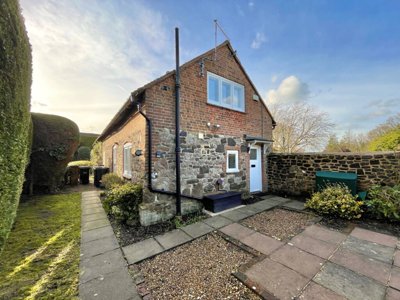
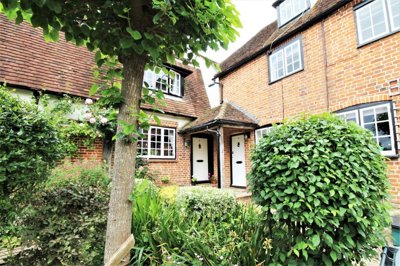
Browse 2 rental homes to rent in Wrotham, Tonbridge and Malling from local letting agents.
The 2 bed house market features detached, semi-detached, and terraced properties with two separate bedrooms plus living spaces. Properties in Wrotham range from Victorian and Edwardian period homes to modern new builds, with pricing varying across different neighbourhoods.
£0/m
0
0
0
Source: home.co.uk
Showing 0 results for 2 Bedroom Houses to rent in Wrotham, Tonbridge and Malling.
Our rental overview for Wrotham centres on a current average rent of £4,375 pcm, and we use that figure as the clearest guide for the local market.
Wrotham’s property market has held up well, with house prices in the TN15 7 postcode area rising by 11.3% over the last year, which says plenty about demand in this sought-after spot. Sold prices across the last 12 months averaged around £545,000, yet renting follows its own pattern and gives a more affordable way in for anyone not ready to buy. Homes to rent in Wrotham can be anything from compact one and two-bedroom apartments to large four and five-bedroom family houses, and the average rent sits at £4,375 pcm, shaped by size, condition, and where the property falls within the village.
Close to larger employment centres, the village still manages to keep rental rates competitive beside central Kent locations. Local work is spread across retail, real estate, manufacturing, and construction, so there is no shortage of varied jobs for residents. Major industrial proposals, including Panattoni warehousing facilities expected to create 140-265 full-time jobs, should add further support to the economy and keep rental demand firm. In the TN15 area, 38 property sales were recorded in the past year, a sign of active market conditions for buyers and renters alike.

At the centre of Wrotham sits its historic High Street, where traditional Kentish architecture runs alongside centuries of heritage. There are 64 listed buildings in the village, among them one Grade I listed structure, four Grade II* properties, and 59 Grade II listed buildings, an unusually dense collection of historic assets. The Old Palace includes parts dating back to before 1340, while Wrotham Place dates from circa 1590. Brown stock bricks, weatherboard cladding, and clay peg tile roofs shape the streetscape and reflect long-standing Kentish building methods. A walk through the conservation area at Butts Hill brings timber-framed cottages and flint-walled gardens into view, and that protected setting still gives the village its character.
Everyday life here is backed up by a useful mix of local amenities, from traditional pubs and a village shop to community facilities that help residents feel settled. Wrotham falls within Tonbridge and Malling Borough Council, so local services are available without losing the village feel. Census figures show employment split across retail at 16%, real estate at 14%, manufacturing at 13%, and construction at 10%, alongside low unemployment and a high share of self-employed workers. With major industrial development continuing nearby, the village remains appealing to professionals who want countryside living and career prospects in the same place.
For many professionals, the draw is simple, country surroundings without giving up commuting convenience. Historical census data from 2001 recorded 759 households in the village, though that figure has grown as Wrotham has developed. The Kent Downs setting opens up plenty of cycling and walking routes, with public footpaths and bridleways that can be reached directly from the village for leisure time. Community events and local facilities help preserve the strong village atmosphere that both long-term residents and newer arrivals value. Industrial proposals, including those near the Moto Truckstop, continue to widen local economic opportunities.

Families renting in Wrotham have several education choices within a sensible distance, covering children from early years through to secondary age. The village has long links with primary education, and local primary schools continue to serve the immediate community and give younger children a steady start. Kent has a strong standing for education, with schools across the wider Tonbridge and Malling area often posting good national assessment results. Current school performance data and admission catchment areas should always be checked, as they can shape the choices available for rented homes.
Across the surrounding area, secondary schools are well established, and many pupils travel to Sevenoaks, Tonbridge, or Borough Green for lessons. Kent County Council publishes detailed school performance data through government databases, so current Ofsted ratings and exam results are easy to research for schools in the wider area. School transport services and local bus routes make the journey to secondary schools across the region more manageable. For households needing childcare or early years places, Wrotham and nearby villages offer a range of settings to suit different needs.
Sixth form and further education choices are within commuting reach in the larger towns nearby, giving renters with older children a full educational pathway. Schools in Sevenoaks and Tonbridge provide extensive sixth form provision, while further education colleges across the region deliver vocational and academic courses. Anyone looking for property to rent in Wrotham should confirm current school allocations with Tonbridge and Malling Borough Council, as arrangements can differ depending on individual circumstances. Homes closer to the village centre may give quicker access to school bus routes serving schools further afield.

Despite its rural setting, Wrotham is well connected and works well for commuters heading to London or the wider Southeast. The village sits close to the A20 and A25 roads, which makes the M20 motorway straightforward to reach for journeys to Maidstone, Ashford, and the Channel ports. Borough Green station offers rail services into London Bridge in approximately 50 minutes, keeping regular commuting practical for people working in the capital. Those same road links also make travel to Tonbridge, Sevenoaks, and the Medway towns much easier.
Local bus services run between Wrotham and neighbouring villages, which helps anyone without a car reach more railway stations and everyday amenities. Routes along the A20 and A25 connect residents with Borough Green, Platt, and other nearby villages, so transport options do not stop at the parish boundary. Borough Green and Wrotham station offers regular train services, though timetables should be checked as frequencies can change during the day. For people working in Sevenoaks or Tonbridge, bus services can be a useful alternative to driving.
Walking and cycling are easy to build into daily life here, thanks to the Kent Downs surroundings and the public footpaths and bridleways that lead straight out from the village. Public footpaths spread from the village centre into the countryside, giving plenty of routes through the Kent Downs National Landscape. Parking is mixed across Wrotham, with some properties offering off-street spaces and others depending on on-road parking. Transport needs are worth factoring into any search, especially for anyone who commutes often or needs specific parking arrangements.

A rental budget agreement in principle is a sensible first step before viewing properties in Wrotham, because it shows what can be afforded from the outset. That early financial check also strengthens an application and keeps the search focused on realistic homes within budget. These agreements are usually arranged through letting agents or mortgage brokers, and they give a clear view of the monthly rent that can be sustained from income.
Different parts of Wrotham, and the villages around it, reward a bit of thought before choosing where to live. Proximity to schools, transport links, and local amenities all matter, and so does whether the village centre, with its historic High Street and conservation area, feels right compared with quieter outskirts near the Kent Downs. Nearby communities such as Platt or Borough Green, both within the TN15 postcode, offer their own character, from period homes near the centre to newer properties on developments like Orchard Mill on Battlefields Road.
Once suitable properties to rent in Wrotham have been identified, viewings are the time to test the basics properly. We would look at the condition of the property, room sizes, and overall suitability, then check for damp, the age and construction type, and the layout of the garden boundaries and parking. Homes in Wrotham range from historic timber-framed cottages with character features to modern houses on newer developments, so construction type matters when estimating maintenance needs. Properties in or near the conservation area at Butts Hill need extra attention, because permitted development rights may be more limited.
New build activity is changing the local housing picture. Orchard Mill on Battlefields Road offers three, four, and five-bedroom homes, with prices starting from £479,995 for three-bedroom properties, £629,995 for four-bedroom homes, and £785,000 for five-bedroom properties. Barden Croft, on the same road, starts from £630,000 for larger homes. Castle Grange on Battlefields Road has entry-level prices from £249,995, while Fernham Homes is bringing forward a collection of three and four-bedroom homes due for completion in Winter 2026. Water Tower Place in nearby Platt includes a converted water tower plus seven new four and five-bedroom detached and semi-detached homes. With the current average rent in Wrotham at £4,375 pcm, these schemes may open up rental opportunities once build rates finish.
Should a property look right, the next stage is usually tenant referencing, which covers credit history, employment status, and rental history. It helps to have the paperwork ready, including payslips, bank statements, and references from previous landlords, because that keeps the application moving. Referencing typically costs between £100 and £300 depending on the agency, and those fees usually cover credit checks, employment verification, and previous landlord references. Some agencies also bundle all of that into a single referencing package for convenience.
After referencing has been completed and any surveys have been read through, the tenancy agreement is signed and sets out the rent amount, deposit requirements, duration, and the rest of the terms. It is important to understand responsibilities around maintenance, utilities, and any restrictions before committing. Standard deposits in England are capped at five weeks' rent and must be held in a government-approved scheme. The agreement should also be read carefully for repair obligations and maintenance duties, especially in heritage properties with timber framing or flint walls.
Renting in Wrotham brings a few local issues that are less common in more urban areas. Because the village sits within the Kent Downs National Landscape and includes a conservation area designation, some properties face planning restrictions on exterior alterations, extensions, or major changes. Homes in or near the conservation area at Butts Hill need particular care, as permitted development rights may be more limited than elsewhere. Before a tenancy is agreed, it is worth clarifying with the landlord or agent which alterations or improvements would be allowed during the term.
The local geology matters here, because Wrotham lies on chalk downs but also includes areas with underlying clay formations near Wrotham Heath. Where soils are clay-rich, shrink-swell ground movement can affect foundations over time. The chalk geology of the Kent Downs is usually stable, yet the clay pockets in some parts of the area mean it is sensible to ask about foundation type and any history of structural movement. The British Geological Survey holds data on ground conditions that can help with specific property risks.
Flood investigation reports have highlighted surface water flooding risks in nearby areas such as Borough Green Road and Busty Lane, both of which sit beside the Busty Stream. High risk means a greater than 3.3% chance of flooding each year, and the topography along Borough Green Road can lead to out-of-bank flows during heavy rainfall. Renters should ask about flood risk for any specific property and think about suitable insurance. Homes on higher ground within the village usually face lower surface water flood risk.
With so many older homes in Wrotham, including a large number of listed buildings from the 16th century onwards, traditional features deserve close attention. Timber framing, flint walls, clay peg tile roofs, and original windows can all need specialist maintenance, so it helps to understand the landlord’s approach to repairs before signing. Newer developments in the area, including those using contemporary brickwork and construction methods such as Lambs Tudor Textured bricks, come with different maintenance demands and may suit renters who prefer a more recent build with fewer heritage considerations.
Electrical systems are not uniform across the village, and that is worth bearing in mind. Ten families on Pilgrims Way in Wrotham suffered an eight-month power outage because of a fault in an underground transformer and an access dispute, which showed how vulnerable local infrastructure can be. Anyone renting should check the condition of electrical systems and consumer units, particularly in older homes where wiring may date from pre-1980s periods. Modern fuse boards and adequate amperage matter for today’s electrical demands.

For older homes or those needing renovation, a RICS Level 2 survey is often a wise move before the tenancy agreement is signed. Wrotham’s heritage properties and the presence of 64 recorded listed buildings mean a clear picture of condition can help prevent repair surprises later on. Common issues in older Wrotham properties include damp caused by poor ventilation or ageing weatherproofing, structural movement in traditional buildings, and roof defects that are typical of period homes with clay peg tiles. A survey usually costs between £400 and £800 for standard residential properties in Kent.
Tenancies in Wrotham sit within Tonbridge and Malling Borough Council, which sets council tax bands using property valuations from the Valuation Office Agency. The bands run from A through H, and most homes in the village fall within bands C through E, depending on size, age, and location. Band D is often used as the reference point for an average property in the area. Anyone considering a rental should confirm the council tax band for the property in question, since it is part of the ongoing cost of living there, alongside utility bills and other outgoings. Council tax bills can be checked on the Tonbridge and Malling Borough Council website.
Families in Wrotham have access to primary schools serving the village and surrounding areas in the TN15 postcode. Kent County Council keeps detailed school performance data through government databases like the Schools Performance Comparator, so current Ofsted ratings and examination results across the wider Tonbridge and Malling area can be researched with ease. Secondary options include schools in nearby Borough Green, Sevenoaks, and Tonbridge, all reachable by school transport services or local bus routes along the A20 and A25. Catchment areas should always be checked with Kent County Council, because they can affect access from one address to the next. Homes on the edge of the village may sit in different catchments from properties in the centre.
Public transport is decent for a village of this size. Borough Green and Wrotham station provides rail services to London Bridge, with journey times of approximately 50 minutes, so regular commuting is realistic for many residents. Local bus routes link Wrotham with surrounding villages and towns including Platt, Borough Green, and Sevenoaks, which gives access to more railway stations and shopping facilities. The A20 and A25 roads run through or close to the village, adding further bus connections to larger centres. Even so, private vehicle ownership is useful for anyone working irregular hours, needing flexibility, or getting to amenities where buses are limited.
For renters wanting rural character without losing practicality, Wrotham offers a strong quality of life. The village combines a close community, Kentish countryside in the Kent Downs National Landscape, and transport links to major employment centres including London. Homes to rent range from historic cottages with timber framing and flint walls to modern family houses on developments such as Castle Grange and Orchard Mill, so there is a broad spread of household types and budgets. Professionals, families, and retirees are all drawn here by the quiet village feel, good schools, and access to the Kent Downs, while local industrial development continues to create jobs and support the rental market.
Rental prices in Wrotham vary according to property type and condition, but the wider market gives useful context. Average sold prices in the TN15 7 postcode area have reached approximately £545,000, with detached properties averaging £743,000-£749,000, semi-detached properties around £515,000, terraced properties averaging £301,000-£351,000, and flats around £198,000. Rents generally reflect size, the number of bedrooms, garden space, and transport links, and the current average rent stands at £4,375 pcm. Newer homes on developments such as Orchard Mill and Barden Croft may command higher rents because of their modern build quality and stronger specifications.
Anyone considering a rental in Wrotham should look carefully at flood risk before signing up. The village itself sits on relatively stable chalk geology, but nearby areas including Borough Green Road and Busty Lane have been identified in flood investigation reports as having high surface water flood risk, with a greater than 3.3% chance of flooding each year. Those roads lie beside the Busty Stream, where the topography can channel rainwater during heavy rainfall. Renters should ask the landlord or agent about flood risk for the specific property and check whether there has been any previous flooding. Contents insurance should be arranged properly, and the tenancy agreement should make clear who is responsible for flood damage. Properties on higher ground in the village generally face lower risk.
Budgeting for the full cost of renting in Wrotham helps avoid surprises later in the process. Under the Tenant Fees Act 2019, the standard security deposit for rental homes in England is capped at five weeks' rent and must be protected in a government-approved scheme such as the Deposit Protection Service, MyDeposits, or the Tenancy Deposit Scheme. That protection means the deposit should be returned at the end of the tenancy, minus any legitimate deductions for damage or unpaid rent, provided the home is handed back in the same condition as when it was taken on. Landlords have 30 days from receipt of the money to protect it.
Taking a property in Wrotham usually means paying a security deposit of five weeks' rent, which is capped under the Tenant Fees Act 2019 and protected through a government-approved tenancy deposit scheme such as the Deposit Protection Service, MyDeposits, or the Tenancy Deposit Scheme for the duration of the tenancy. Tenant referencing fees may also apply for credit checks, employment verification, and previous landlord references, and these typically range from £100 to £300 depending on the agency. Upfront moving costs include the first month's rent and the deposit, so renters should allow for approximately six weeks' rent in total at the start of the tenancy based on the average rent of £4,375 pcm. Other likely costs include inventory check fees, usually between £80 and £200, admin charges, and, where relevant, the cost of obtaining a rental budget agreement in principle before viewings.
Older homes in Wrotham, especially those with heritage features or those in conservation areas, can bring extra maintenance considerations. The village has 64 listed buildings, including Grade I, Grade II*, and Grade II structures, so the tenancy agreement should be checked carefully for responsibilities around repairs, decorations, and alterations to avoid disputes at the end. Heritage properties may need specialist contractors for maintenance, which can affect both the pace and the cost of repairs. Tenants also need to plan for council tax, utility bills, contents insurance, and any service charges for flats or apartments. A thorough inventory check at the start of the tenancy offers important protection for the deposit and records any existing issues that should not be put down to occupation of the property.
Properties to Rent In London

Properties to Rent In Plymouth

Properties to Rent In Liverpool

Properties to Rent In Glasgow

Properties to Rent In Sheffield

Properties to Rent In Edinburgh

Properties to Rent In Coventry

Properties to Rent In Bradford

Properties to Rent In Manchester

Properties to Rent In Birmingham

Properties to Rent In Bristol

Properties to Rent In Oxford

Properties to Rent In Leicester

Properties to Rent In Newcastle

Properties to Rent In Leeds

Properties to Rent In Southampton

Properties to Rent In Cardiff

Properties to Rent In Nottingham

Properties to Rent In Norwich

Properties to Rent In Brighton

Properties to Rent In Derby

Properties to Rent In Portsmouth

Properties to Rent In Northampton

Properties to Rent In Milton Keynes

Properties to Rent In Bournemouth

Properties to Rent In Bolton

Properties to Rent In Swansea

Properties to Rent In Swindon

Properties to Rent In Peterborough

Properties to Rent In Wolverhampton

Enter your details to see if this property is within your budget.
Loans, cards, car finance
Estimated property budget
Borrowing + deposit
You could borrow between
Typical borrowing
Monthly repayment
Est. at 4.5%
Loan-to-value
This is an estimate only. Your actual budget may vary depending on interest rates, credit history, and personal circumstances. For an accurate affordability assessment, speak to one of our free mortgage advisors.
This calculator provides estimates for illustrative purposes only and does not constitute financial advice. Your home may be repossessed if you do not keep up repayments on your mortgage. Estimates based on 4.5% interest rate, repayment mortgage. Actual rates depend on your circumstances.
Homemove is a trading name of HM Haus Group Ltd (Company No. 13873779, registered in England & Wales). Homemove Mortgages Ltd (Company No. 15947693) is an Appointed Representative of TMG Direct Limited, trading as TMG Mortgage Network, which is authorised and regulated by the Financial Conduct Authority (FRN 786245). Homemove Mortgages Ltd is entered on the FCA Register as an Appointed Representative (FRN 1022429). You can check registrations at NewRegister or by calling 0800 111 6768.

We use cookies to show you personalised content and improve your experience of our website. Find out more in our Privacy policy and Cookie policy.