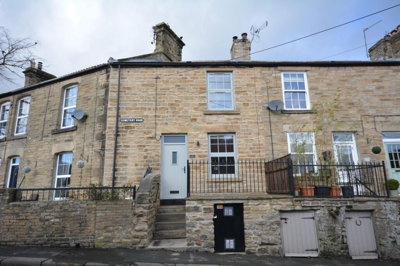
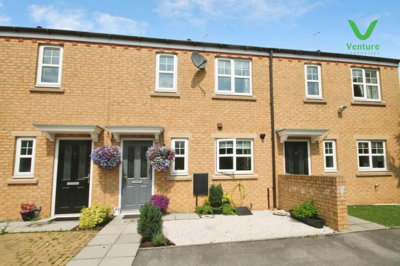
Browse 2 rental homes to rent in Witton-le-Wear from local letting agents.
The Witton Le Wear property market offers detached, semi-detached, and terraced houses spanning various price ranges and neighbourhoods. Each listing includes detailed property information, photographs, and direct contact with the marketing agent.
The rental market here sits on top of a sold-price story that is more varied than many village postcodes. homedata.co.uk records show Witton-le-Wear prices were 38% down on the previous year across the wider area, yet DL14 0AX was up 7.8% over the same period, which is a strong reminder that local streets do not always move together. High Street was 9% down year on year, while Wear Terrace was 53% below its 2020 peak. That sort of spread usually points to an established village market where condition, plot size and street position matter a great deal.
For renters, that matters because it often means homes are individual rather than interchangeable. A small village like Witton-le-Wear can have periods with very limited live stock, then a property appears and attracts attention quickly on home.co.uk. We have not found verified active new-build developments strictly within the postcode area, so the homes that come up are more likely to be existing houses and flats than brand-new schemes. When a place has that kind of profile, the best approach is to watch the listings closely and move fast once the right property appears.

Witton-le-Wear has the feel of a small, lived-in village where the housing market is shaped by streets, not towers or big estates. In the postcode DL14 0AX, semi-detached homes account for around 65% of recorded transactions, followed by detached and terraced properties, which gives a useful clue about the local character. That mix usually translates into a neighbourhood of family houses, modest terraces and a smaller share of flats. For renters, it is a good sign if you want something rooted and residential rather than a high-turnover apartment scene.
Local life here is best understood through the scale of the place. The research pack does not give a verified population, household count or employer profile for the exact village boundary, so we would not pretend the data is stronger than it is. What we can say is that the area reads as settled and selective, with property values that shift by street and by home type. That tends to reward people who spend time on the ground, walk the street and judge the home in context.
Because the pack did not verify geology, flood risk zones, listed-building concentrations or conservation boundaries, each property deserves its own check. That is especially true in smaller County Durham villages where the same postcode can contain older homes, altered houses and very different maintenance histories. Ask the agent about drainage, roof condition, parking and any local restrictions before you commit. A careful viewing in a place like this often tells you more than a broad market summary ever will.
Families moving to Witton-le-Wear should treat school research as a street-by-street task rather than assuming one village-wide catchment. The research pack does not verify a single named primary or secondary school for the exact boundary, so it is safest to check County Durham admissions maps and the latest Ofsted reports before you offer. That includes nursery, primary, secondary and sixth-form options if you are moving with children of different ages. A house that looks ideal on paper can sit just outside the catchment you need.
School transport is another question worth asking early. Rural and village locations can have very different arrangements depending on the exact road, the term timetable and the age of the child, so the nearest school is not always the one that matters most. If a home is being viewed for family life, ask the letting agent which schools current tenants use and how pupils normally get there. That simple conversation can save a lot of stress later.
Parents often find the best approach is to shortlist homes and schools together rather than separately. Once you know the property, you can work out walking distance, bus access, wraparound care and whether a second car would be needed. Where exact school data is limited, the practical questions become even more useful. A calm village setting can be a strength for family renters, but only if the daily routine actually works.
Transport planning in Witton-le-Wear is best done from the exact postcode rather than the village name alone. The research pack does not give verified rail journey times or a confirmed bus list for the boundary, so we would not guess at links that need checking in real life. For most renters, that means looking at the property as a car-first or mixed-mode location until the route is confirmed. If you commute daily, map the journey at rush hour as well as in off-peak conditions.
Parking should be treated as a major part of the decision here. Village homes can vary a lot, from properties with clear off-road space to streets where on-road parking becomes the real daily challenge. Ask about turning space, visitor parking, shared access and whether a van, second car or work vehicle would fit without friction. In a smaller place, those practical details often matter more than they would in a city flat.
Public transport can still work well, but only when the timetable fits your life. Our advice is to check the nearest bus stop, the first service in the morning and the last one home before you sign a tenancy. If you are splitting time between home and office, or fitting in school runs, even a modest delay can change the whole rental experience. A property that looks central on the map can feel quite different once you rely on real journeys.
Arrange a rental budget agreement in principle first, then decide the monthly ceiling you can live with after bills, travel and council tax.
Compare High Street, Wear Terrace and the wider DL14 0AX area, because homedata.co.uk shows street-level variation in value and that often mirrors differences in condition and layout.
Small-village stock can change quickly on home.co.uk, so be ready to view as soon as a suitable property appears.
Check heating, parking, broadband, maintenance history, tenancy length and any local restrictions before you get attached to a home.
Provide references, right-to-rent documents and proof of income early, as that is usually the stage where avoidable delays creep in.
Go through the check-in report room by room, photograph the condition and raise any issues before you move your belongings in.
Small-village renting works best when you inspect the details that bigger markets sometimes let people ignore. Because the research did not verify flood maps, geology, conservation areas or listed-building clusters for Witton-le-Wear, it is sensible to ask directly about drainage, insulation, roof age and any history of local water ingress. If the property is older, check whether windows, walls and heating have been maintained properly, especially if the home has been extended or altered over time. A good landlord will answer clearly and provide documents to back it up.
Flats need a different kind of attention from houses. Ask whether the tenancy sits within a leasehold building, how service charges are handled, who manages common parts and whether any ground rent or block maintenance affects the property behind the scenes. For houses, ask about shared drives, boundaries, rights of way and who is responsible for fences, gardens and external repairs. In a village setting, those issues can matter as much as the decor because they affect day-to-day living.
Street-level price changes in the local sold market also suggest you should judge each home individually. homedata.co.uk shows High Street and Wear Terrace moving very differently over time, which is a good reminder that condition and location still win over postcode averages. Use the viewing to check noise, access, parking and the feeling of the street at different times of day. If the home works practically, the rest of the move becomes much easier.
The research pack does not include a verified average asking rent for Witton-le-Wear, so we will not invent one. home.co.uk is the place to check live rental listings when they appear, because the village can have limited stock and prices can change quickly. For context, homedata.co.uk records show sold prices around £154,417 to £165,301 over the last year, which helps explain why individual streets can behave differently.
Witton-le-Wear sits within County Durham, but the council tax band depends on the exact property, not the village name. Most letting listings will show the band, and the safest check is the specific address on the council or agent paperwork. If the band is missing from the advert, ask before you apply so your monthly budget is accurate.
The research pack does not verify a best-school shortlist for the exact village boundary. I would start with the nearest County Durham primary and secondary options, then check Ofsted, admissions criteria and distance from the street you are considering. Families should also ask about school transport and wraparound care, because those details often matter more than the school name alone.
Verified rail times and bus frequencies were not confirmed in the research, so transport should be checked for each individual property. In a village setting like this, many renters rely on a combination of car use and local bus links rather than assuming a rail commute. Before you commit, test the route at the time you would normally travel.
It can be a very good fit if you want a quieter County Durham village with a settled feel. homedata.co.uk records show a softer wider market, down 38% year on year, but also clear street variation, which usually suits renters who prefer established homes and a slower pace. If you want easy city-centre energy, this may feel too calm, but for a residential base it has a lot going for it.
For most rentals, expect a holding deposit of up to one week's rent and a tenancy deposit capped at five weeks' rent. Some agents also charge for references or administration-related steps, although many costs are now built into the process, so ask for a full fees sheet before you commit. You should also budget for moving costs, meter readings, and contents insurance if you want to protect your belongings.
Yes, we recommend it before you start viewing. A rental budget agreement in principle helps you focus on properties you can genuinely afford, which is useful when stock is limited and good homes can move quickly. It also makes your offer stronger because the landlord or agent can see that your finances are already organised.
From 4.5%
Compare affordability and find a monthly figure that works before you book viewings
From £499
Get help with checks, paperwork and offer readiness
From £99
Review energy efficiency and likely running costs before you commit
From £350
Useful if you are also considering a purchase in the area or want extra property checks
Renting in Witton-le-Wear is usually about managing the upfront costs carefully, then keeping monthly outgoings under control. A holding deposit is commonly used to reserve the home, and a tenancy deposit is usually capped at five weeks' rent for most tenancies. Add in the first month’s rent, moving costs, utilities and contents cover, and the total can move quickly if you have not planned ahead. That is why we push a rental budget agreement in principle before you start viewing.
The local setting can also affect your monthly budget in quieter ways. If you need a car for commuting or school runs, fuel and parking may matter more than in a city rental, while council tax, broadband and heating can vary from one property to the next. Ask the agent for a full breakdown before you apply, and check whether any bills are included or excluded. Clear numbers make it much easier to compare one Witton-le-Wear home against another.
If you are weighing up renting against buying in the future, the current home purchase thresholds are 0% up to £250,000, 5% from £250,000 to £925,000, 10% from £925,000 to £1.5m and 12% above that. First-time buyers currently pay 0% up to £425,000 and 5% from £425,000 to £625,000, with no relief above £625,000. That does not change your rental quote, but it is useful context if a village move is part of a longer-term plan. For now, the smartest move is to keep the tenancy costs clear and make sure the home fits your budget from day one.
Properties to Rent In London

Properties to Rent In Plymouth

Properties to Rent In Liverpool

Properties to Rent In Glasgow

Properties to Rent In Sheffield

Properties to Rent In Edinburgh

Properties to Rent In Coventry

Properties to Rent In Bradford

Properties to Rent In Manchester

Properties to Rent In Birmingham

Properties to Rent In Bristol

Properties to Rent In Oxford

Properties to Rent In Leicester

Properties to Rent In Newcastle

Properties to Rent In Leeds

Properties to Rent In Southampton

Properties to Rent In Cardiff

Properties to Rent In Nottingham

Properties to Rent In Norwich

Properties to Rent In Brighton

Properties to Rent In Derby

Properties to Rent In Portsmouth

Properties to Rent In Northampton

Properties to Rent In Milton Keynes

Properties to Rent In Bournemouth

Properties to Rent In Bolton

Properties to Rent In Swansea

Properties to Rent In Swindon

Properties to Rent In Peterborough

Properties to Rent In Wolverhampton

Enter your details to see if this property is within your budget.
Loans, cards, car finance
Estimated property budget
Borrowing + deposit
You could borrow between
Typical borrowing
Monthly repayment
Est. at 4.5%
Loan-to-value
This is an estimate only. Your actual budget may vary depending on interest rates, credit history, and personal circumstances. For an accurate affordability assessment, speak to one of our free mortgage advisors.
This calculator provides estimates for illustrative purposes only and does not constitute financial advice. Your home may be repossessed if you do not keep up repayments on your mortgage. Estimates based on 4.5% interest rate, repayment mortgage. Actual rates depend on your circumstances.
Homemove is a trading name of HM Haus Group Ltd (Company No. 13873779, registered in England & Wales). Homemove Mortgages Ltd (Company No. 15947693) is an Appointed Representative of TMG Direct Limited, trading as TMG Mortgage Network, which is authorised and regulated by the Financial Conduct Authority (FRN 786245). Homemove Mortgages Ltd is entered on the FCA Register as an Appointed Representative (FRN 1022429). You can check registrations at NewRegister or by calling 0800 111 6768.

We use cookies to show you personalised content and improve your experience of our website. Find out more in our Privacy policy and Cookie policy.