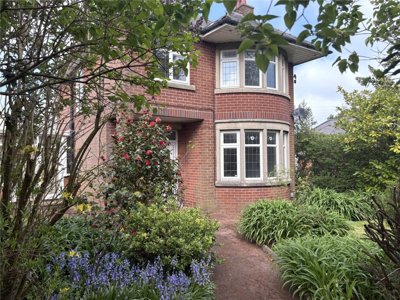
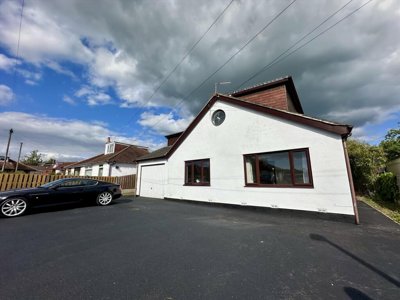
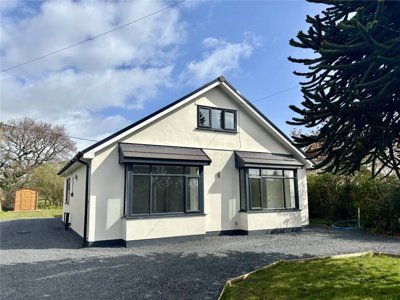
Browse 3 rental homes to rent in Winmarleigh, Wyre from local letting agents.
The Winmarleigh property market offers detached, semi-detached, and terraced houses spanning various price ranges and neighbourhoods. Each listing includes detailed property information, photographs, and direct contact with the marketing agent.
£0/m
0
0
0
Source: home.co.uk
Showing 0 results for Houses to rent in Winmarleigh, Wyre.
Winmarleigh’s rental market leans heavily towards larger homes, because approximately 65% of the housing stock is made up of detached properties with generous living space and gardens. Around 25% is semi-detached, which gives families a solid middle ground without the higher cost usually attached to bigger detached houses. Terraced homes and flats account for less than 10%, so most rental choices here tend to be more spacious, which suits family life and home working well.
As of early 2026, average house prices in Winmarleigh are approximately £359,500, with detached homes at about £475,000 and semi-detached properties around £280,000. That price backdrop feeds directly into the local rental picture, where rents usually reflect the size and standard of the homes on offer. homedata.co.uk shows prices rising by 1.4% over the past twelve months, which points to continued demand in this sought-after rural setting. Over the same period, 12 sales were recorded locally, a fair level of activity for a village of this size.
In Winmarleigh, rents usually sit between £850 and £1,500 per month, depending on the type of property and the amount of space on offer. Detached family houses sit at the top end, and homes with several bedrooms and sizeable gardens will often come in above £1,200 per month. Semi-detached homes and older cottages are usually easier on the budget, commonly landing between £850 and £1,100 per month. A view over the River Wyre or a particularly favoured spot in the village can push the price up, while properties needing renovation, or those in less convenient positions, may be marketed more keenly.

Small even by village standards, Winmarleigh has a population of approximately 600 to 700 people living across roughly 250 to 300 households. That helps create the sort of close community where people often know each other by name. At its centre is St Luke's Church and the designated Conservation Area around it, which helps protect the historic feel of the village core, including period homes, farmhouses, and converted agricultural buildings. There is also an active village hall, regular local events, and the kind of pastoral setting that draws in families and anyone wanting a break from busier urban areas.
The local economy is still rooted mainly in agriculture, and farming remains a visible part of daily life as well as a source of work for some residents. Even so, Winmarleigh’s position makes commuting straightforward, and many people travel into Garstang, Preston, and Lancaster using the road links that connect the village to those larger employment centres. That balance of rural calm and workable commuting is a big part of the appeal for professionals. Traditional pubs, local services, and community facilities also mean residents can cover day-to-day needs without always heading into a bigger town.
The village hall is one of the main social anchors in Winmarleigh, with regular events through the year such as village fetes, quiz nights, and seasonal celebrations. Outside the built-up core, the countryside opens up quickly, with good walking across farmland and beside the River Wyre, and public footpaths that suit a short evening walk as much as a longer weekend outing. Local pubs add to that sense of place, serving traditional gastropub food and acting as familiar meeting points for village life.

Most properties in Winmarleigh follow a traditional Lancashire pattern, with red brick walls and slate or tiled roofs. Some of the older cottages and farmhouses include stonework too, especially buildings dating from before 1919, when local stone was used more often in agricultural construction. You will also see rendered finishes on some homes, which adds a bit of variety to the street scene. From our side, understanding these materials matters because they can affect upkeep, repair needs, and how efficiently a home holds heat.
There is a broad mix of ages in the local housing stock. A notable share of Winmarleigh properties dates from before 1919, especially the farmhouses, barns, and original cottages that shape much of the village’s character. Homes built between 1945 and 1980 make up another sizeable group, and these often have cavity wall construction, which usually performs better for insulation than older solid wall buildings. Post-1980 development is less common here than in larger towns, so renters will generally see fewer newer-build options and more traditional homes with character.
Solid wall construction is common in older homes around Winmarleigh’s historic core, and it does not behave in quite the same way as modern cavity wall construction. In practical terms, that can mean different insulation performance and higher heating costs through the winter, which matters when tenants are working out monthly outgoings. Larger gardens can also bring mature trees, attractive in themselves but sometimes relevant to foundation movement because of the local clay geology. We would always suggest viewing at different times of day, and if possible in different weather conditions, so you get a fuller sense of light levels, heating performance, and ground conditions.

For families thinking about renting in Winmarleigh, there are educational options within easy reach, even though the village itself is small. Primary schooling is usually accessed in nearby villages and towns rather than in the village centre, and several schools are only a short drive away with good local reputations. Catchment areas and admissions criteria are worth checking carefully before settling on a rental property, because places can be competitive in popular rural spots.
Several nearby primary schools are rated Good or Outstanding by Ofsted, and village families can usually reach them by car or school transport. Garstang schools are especially popular with many Winmarleigh households, helped by established reputations and strong community connections. Travel times vary a little depending on which school you choose, but most can be reached within 15 to 20 minutes by car. Before taking on a rental, it is sensible to confirm school transport arrangements, because that can shape everyday family logistics more than people expect.
For secondary education, families usually look towards schools in Garstang, Thornton, and Poulton-le-Fylde, all of which are reachable from Winmarleigh by school transport or car. These schools provide GCSE and A-Level courses, and some also offer specialist subjects and a wider extracurricular programme. Sixth form options are available in Garstang for those wanting to stay local, or in Lancaster for students looking for broader subject choice. If education is high on your list, we think school visits and a clear understanding of admissions arrangements should be part of the property search from the start.

Commuting from Winmarleigh is more practical than many people expect. The village has good road access, with straightforward links to the A6 and onward connections to the M6 motorway, giving residents usable routes towards Preston, Lancaster, Manchester, and other destinations. Preston city centre is approximately 30 minutes away by car, and Lancaster is reachable in a similar time. For people who need access to major business centres but prefer village life at home, that positioning is a real advantage.
Bus services link Winmarleigh with nearby places such as Garstang and Knott End, although they are not as frequent as urban routes. During weekday daytime hours, buses typically run hourly, with a reduced service in the evenings and at weekends. Rail users usually head to Preston or Lancaster, where stations offer direct services to London, Edinburgh, and Birmingham. Many commuters drive to the station and park there, but it is worth checking parking availability at the larger stations before relying on that routine.
The Lancashire countryside around Winmarleigh is relatively flat, which gives cyclists a practical option for shorter local journeys. Minor roads can make for pleasant routes, and the level terrain is manageable for a wide range of fitness levels. That said, rural cycling still calls for care, especially where agricultural traffic is common during harvest periods. Some residents mix cycling with public transport, using local roads to reach nearby amenities before taking a bus or driving onward to larger towns.

Anyone renting in Winmarleigh should look at a few local factors that do not always come up in urban lettings. One of them is the River Wyre. Because parts of the village and surrounding land sit low near watercourses, some properties may face flood risk during heavy rainfall or when the river rises. We would ask about any flood history, check the Environment Agency flood risk maps, and look at whether suitable resilience measures are in place. In some cases, higher buildings insurance costs in flood-affected areas may also feed through into service charges.
The ground conditions matter here as well. Winmarleigh sits on glacial till overlying Sherwood Sandstone, and the local clay soils can carry a moderate to high shrink-swell risk. Homes close to large trees, or those built on shrinkable clay, may be more vulnerable to subsidence or gradual foundation movement. That is especially worth bearing in mind with older buildings from before 1919, including many farmhouses and cottages, which may also have solid wall construction affecting insulation and heating efficiency. For tenants, that often comes back to budgeting properly for winter heating costs.
Around St Luke's Church, the Conservation Area designation brings planning restrictions that can affect alterations, extensions, and external changes to some properties. Listed buildings in the village, including several farmhouses, barns, and the church itself, are subject to tighter protections still. For long-term tenants, that can matter because the scope to make changes may be limited. Service charges can also apply to flats and some other properties, and these may cover grounds maintenance, building insurance, and management fees, with costs varying quite a bit from one home to another.
Before you start booking viewings, it helps to spend a bit of time in Winmarleigh on different days and at different times. That gives you a better read on traffic, noise from farming activity, and the general feel of the village. We would also suggest trying the local shops, pubs, and other amenities to see whether the lifestyle really fits. Commuting needs should be checked in practical terms, not assumed. A walk around early in the morning and again in the evening can tell you things a daytime visit may miss, from wildlife noise to farm operations and the rhythm of village life.
Before starting the search, arrange a rental budget agreement in principle. This document from a lender sets out how much you can afford to spend on rent each month and shows landlords that you are a serious applicant with the finances to back it up. Having it ready can speed the process along and may help when you are competing for well-liked properties in a village location like this. The usual process involves proof of income and a credit history check, and the agreement is generally valid for 90 days.
Once you have found a few suitable rental properties in Winmarleigh, get in touch with the letting agents or landlords and arrange viewings. While you are there, inspect the condition closely and make a note of any damage, wear, or maintenance issues already present. Ask directly about lease terms, notice periods, and what the rent includes, whether that is utilities, council tax, or parking. We would pay particular attention to damp, the state of fixtures and fittings, and how well the heating system performs, especially in older homes where these points come up more often.
When the right property comes up, it is best to submit the application promptly with your references, proof of income, and rental budget agreement. In rural areas such as Winmarleigh, landlords may also ask for previous landlord references to confirm your tenancy record. The letting agent will usually deal with credit checks and referencing for the landlord, and that process commonly takes one to two weeks. Having everything prepared beforehand can make a real difference to how quickly matters move.
Before move-in day, there should be a detailed inventory check recording the condition of the property and anything included in it. This protects both sides by setting a clear baseline for the deposit return when the tenancy ends. If you can, attend in person and flag any discrepancies or concerns before signing the inventory. It is also wise to photograph existing damage or signs of wear and tear, because a good record at the start can help avoid disputes later on.
After the tenancy begins, spend some time getting to know the practical side of the property, including the heating controls, water shut-off points, and any appliances. We would also get registered with local doctors and dentists sooner rather than later, because waiting times for appointments in rural areas can be longer. Introducing yourself to neighbours and joining in with village hall events can make settling in easier. In a close-knit place like Winmarleigh, those early relationships often help people feel at home more quickly.
Detailed rental figures for Winmarleigh can be hard to pin down, but the market broadly follows local property values, with average house prices around £359,500. Monthly rents typically fall between £850 and £1,500 depending on the size and type of home, and detached family houses usually sit at the top of that range. Semi-detached homes and cottages tend to offer a more affordable entry point, often around £850 to £1,100 per month. Homes nearer the River Wyre, especially those with river views, may command a premium, while properties needing renovation or sitting in less accessible spots can be more competitively priced. Because the village has a mainly detached housing stock, renters often get more space for their money than they would in an urban equivalent.
Winmarleigh falls within Wyre Borough Council, and council tax bands locally range from A to E depending on the value and type of property. Band A homes will typically pay around £1,200 to £1,400 a year, while Band D properties are usually approximately £1,800 to £2,000 annually. Most detached family houses are likely to sit in Bands D or E, with smaller cottages and terraced homes more often in Bands B or C. It is important to include that cost in the overall budget alongside rent and utilities, because council tax can be a sizeable ongoing expense and is easy for first-time renters to underestimate.
Schooling for Winmarleigh families is usually centred on the surrounding villages and towns, where several primary schools rated Good or Outstanding by Ofsted can be reached with a short drive. Garstang and nearby areas provide a number of the main primary options, many accessible by car or school transport. For older pupils, secondary schools in Garstang, Thornton, and Poulton-le-Fylde are the usual choices, while sixth form provision is nearest in Garstang or Lancaster. Parents should still check current admissions rules and transport arrangements carefully, because catchment areas can affect places and school transport from the village may vary depending on the child’s circumstances and the school selected.
Transport in Winmarleigh is workable, but it is very much village rather than urban. Bus services connect the village with Garstang and Knott End, though they are more limited than town services and typically run hourly during daytime hours. Preston and Lancaster provide the nearest railway stations, both reachable by car in approximately 30 minutes. For most commuters, a private vehicle remains the main option, helped by the village’s road links to the A6 and the M6 motorway. Anyone planning to live here without a car should check bus timetables in detail before committing, especially for weekend and evening travel.
For many renters, Winmarleigh offers the sort of quality of life that is hard to find in larger places. There is a strong community feel, attractive countryside, and homes that often provide more room than urban equivalents. St Luke's Church and the Conservation Area give the centre of the village a distinct character, while the nearby River Wyre adds walking and cycling opportunities. It is not perfect for everyone, though. Public transport is limited, agricultural traffic and seasonal noise are part of the setting, and some amenities or specialist services will mean travelling elsewhere. Still, for families and professionals who want community, countryside, and more space, it is a very appealing place to rent.
In Winmarleigh, the usual rental deposit is equivalent to five weeks rent, which is the maximum a landlord can legally hold under the Tenant Fees Act. That deposit must be protected in a government-approved tenancy deposit scheme and is returned at the end of the tenancy, less any agreed deductions for damage or unpaid rent. Other costs mentioned can include referencing fees of approximately £150 to £250, a tenancy agreement fee, and sometimes an inventory check fee of around £100 to £200. Tenants will also need to cover council tax, utility bills, and contents insurance. For first-time renters, it is worth budgeting for moving costs as well, including furniture for an unfurnished property and any utility or internet connection charges.
Before signing a tenancy agreement, it helps to understand the full cost of renting in Winmarleigh. The upfront outlay normally starts with a security deposit equal to five weeks rent, held in a government-approved tenancy deposit protection scheme for the duration of the tenancy. On top of that, tenants are often told to budget for referencing fees, covering credit checks, employment verification, and previous landlord references, typically between £150 and £250 depending on the agency. There may also be an inventory check fee of approximately £100 to £200 for the professionally prepared condition report used to protect both tenant and landlord.
Beyond the rent itself, monthly costs include council tax payable to Wyre Borough Council, plus gas, electricity, water, internet, and phone services. In winter, rural homes in Winmarleigh can cost more to heat, especially older properties with solid walls or weaker insulation. Tenants should also allow for contents insurance, which will usually cost between £10 and £25 per month depending on the cover chosen. If this is your first rental, do not forget the one-off costs either, such as removals, furniture for an unfurnished place, and possible storage during the move.
As part of planning a move to Winmarleigh, it is worth setting up a rental budget agreement in principle before you start looking seriously. That kind of pre-qualification shows landlords what you can afford and gives you a clearer idea of the rent level that is comfortable in practice. Because the village is within reach of employment centres such as Preston and Lancaster, some renters find the overall cost compares well with city lettings while giving them more room. Spacious homes, a settled community atmosphere, and a countryside setting all add to the value on offer here.
From 4.5%
Get your rental budget pre-approved so we know what you can comfortably afford.
From £150
Complete the referencing checks early so we can help strengthen your rental application.
From £100
Professional inventory documentation gives us a clear record and helps protect your deposit.
From £80
Energy performance certificate for rental properties
Properties to Rent In London

Properties to Rent In Plymouth

Properties to Rent In Liverpool

Properties to Rent In Glasgow

Properties to Rent In Sheffield

Properties to Rent In Edinburgh

Properties to Rent In Coventry

Properties to Rent In Bradford

Properties to Rent In Manchester

Properties to Rent In Birmingham

Properties to Rent In Bristol

Properties to Rent In Oxford

Properties to Rent In Leicester

Properties to Rent In Newcastle

Properties to Rent In Leeds

Properties to Rent In Southampton

Properties to Rent In Cardiff

Properties to Rent In Nottingham

Properties to Rent In Norwich

Properties to Rent In Brighton

Properties to Rent In Derby

Properties to Rent In Portsmouth

Properties to Rent In Northampton

Properties to Rent In Milton Keynes

Properties to Rent In Bournemouth

Properties to Rent In Bolton

Properties to Rent In Swansea

Properties to Rent In Swindon

Properties to Rent In Peterborough

Properties to Rent In Wolverhampton

Enter your details to see if this property is within your budget.
Loans, cards, car finance
Estimated property budget
Borrowing + deposit
You could borrow between
Typical borrowing
Monthly repayment
Est. at 4.5%
Loan-to-value
This is an estimate only. Your actual budget may vary depending on interest rates, credit history, and personal circumstances. For an accurate affordability assessment, speak to one of our free mortgage advisors.
This calculator provides estimates for illustrative purposes only and does not constitute financial advice. Your home may be repossessed if you do not keep up repayments on your mortgage. Estimates based on 4.5% interest rate, repayment mortgage. Actual rates depend on your circumstances.
Homemove is a trading name of HM Haus Group Ltd (Company No. 13873779, registered in England & Wales). Homemove Mortgages Ltd (Company No. 15947693) is an Appointed Representative of TMG Direct Limited, trading as TMG Mortgage Network, which is authorised and regulated by the Financial Conduct Authority (FRN 786245). Homemove Mortgages Ltd is entered on the FCA Register as an Appointed Representative (FRN 1022429). You can check registrations at NewRegister or by calling 0800 111 6768.

We use cookies to show you personalised content and improve your experience of our website. Find out more in our Privacy policy and Cookie policy.