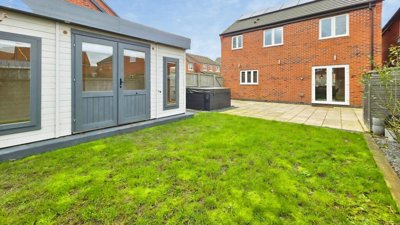
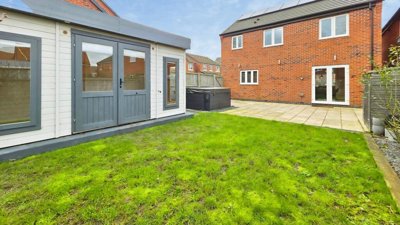
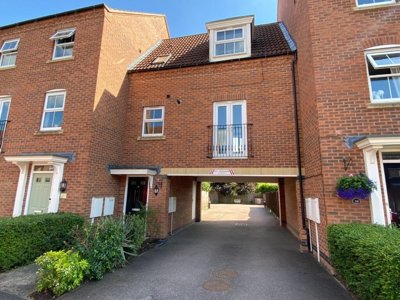
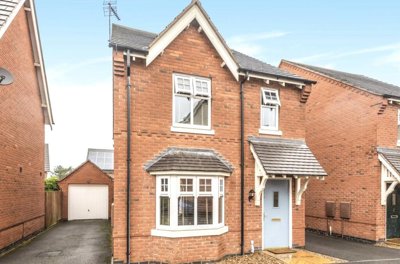
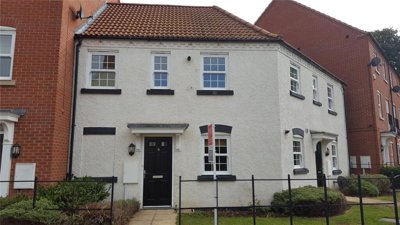
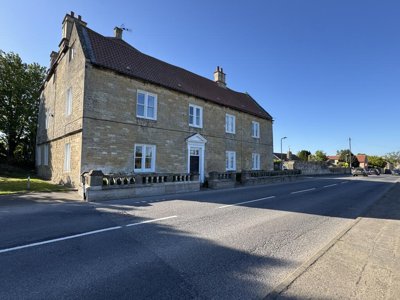
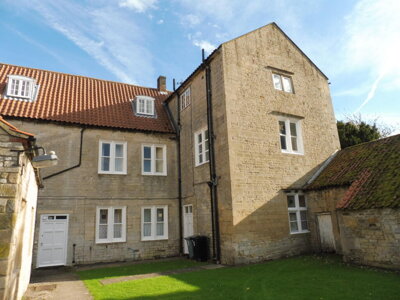
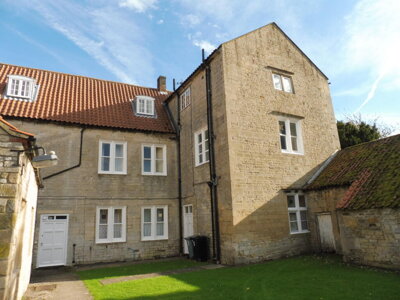
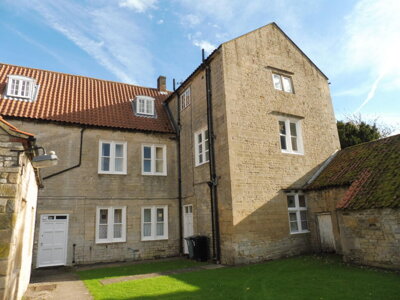
Browse 10 rental homes to rent in Wilsford from local letting agents.
Wilsford's rental scene sits within North Kesteven's wider market, and recent data puts the average house price at £323,250. Detached homes are nearer £370,000 on average, which suits the demand for generous family houses with gardens and off-street parking that is so typical of rural Lincolnshire. Semi-detached homes average about £230,000, while terraces come in at roughly £200,000. The overall picture is steady, with a minus 1.5% adjustment over the past twelve months, in line with broader national property trends.
Rental choice is limited in the village, but what is available tends to be the sort of stock we would expect here, stone-fronted cottages, characterful semi-detached homes, and the odd detached house that suits family life. Because Wilsford is so small, available homes can move quickly, so we would suggest registering early with local letting agents if a move is serious. There are no new build developments within the village itself, so most rentals are older character properties, and some may need work to insulation, heating, or electrical wiring when the budget is being worked out.
Local building materials tell their own story here. Wilsford properties are usually built from traditional brick and Lincolnshire limestone, which gives the village its look, with stone-fronted cottages and red brick terraces adding to the Conservation Area's character. Most of the housing stock dates from before 1945, so many rented homes have solid walls rather than modern cavity insulation. That matters for heating bills and for the sort of upkeep period homes often ask of us.

Wilsford is an appealing choice for renters after a proper Lincolnshire village setting. It lies on the southern edge of the Lincolnshire Limestone escarpment, with the River Slea nearby and wetlands that draw local wildlife. The centre has kept its historic feel, and the brick and Lincolnshire limestone buildings give the Conservation Area its particular look. Footpaths through the surrounding farmland link the village with neighbours, while the wider North Kesteven countryside offers miles of public footpaths and bridleways for anyone keen on walking.
Village life in Wilsford has a strong communal thread, with seasonal gatherings and support for long-standing traditions. The settlement is small, just 309 residents, so amenities are limited, but the village hall and local church give people somewhere to meet and organise activities. For shops, restaurants and leisure, most people head to Sleaford, where a broader range of facilities is usually around 15 minutes by car. The A15 and A17 make that practical, and they also open up the rest of Lincolnshire for those with a car.
Outdoor space is one of North Kesteven's real strengths. The Jurassic limestone geology of the escarpment makes for interesting ground underfoot, and the River Slea valley supports a wide range of wildlife. Public footpaths lead towards Ancaster and Woolsthorpe, and the wider Lincolnshire Wolds are within reach too. For families, the mix of countryside, fresh air and space to roam makes Wilsford a good setting for bringing up children away from urban pressure.

Education needs a bit of planning here, because Wilsford does not have a primary school of its own. Children usually go to schools in nearby villages or into Sleaford, with transport arrangements handled by Lincolnshire County Council. The nearest primaries serve the surrounding villages and are often valued for the smaller class sizes and the individual attention that can bring. Catchment areas and admissions rules deserve careful checking, since places can be competitive in popular rural spots.
Secondary schooling is available in Sleaford and Grantham, both reachable by regular bus services or by car. Sleaford has several secondary schools serving the wider North Kesteven area, and Grantham adds more choice, including King’s School, the historic grammar school. It is sensible to look at current school performance data, including recent Ofsted ratings, before making a decision. Good secondary schools in these market towns play a big part in demand for family rentals around Wilsford.
Post-16 choices are also within reach. Sleaford has sixth form provision at local schools, while Grantham offers further education options such as Grantham College. Lincoln, around 20 miles from Wilsford, expands the picture again with the University of Lincoln among its tertiary options. For families with children nearing secondary school age, sorting out education plans should sit near the top of the rental checklist.

Road links are the main transport story in Wilsford, which makes the village workable for commuters heading to nearby towns or further afield. The A15 runs through the region, giving a direct route north to Lincoln and south towards Peterborough and the wider motorway network. The A17 provides east-west links, joining Sleaford to Newark and eventually the A1 trunk road. Those connections mean typical journeys of 20-30 minutes to Lincoln city centre, 15 minutes to Sleaford, and about 45 minutes to Grantham.
Public transport is more limited, as you would expect in a rural settlement. Buses link Wilsford with nearby towns, but evening and weekend services are thin on the ground. The nearest railway stations are in Sleaford and Grantham, where East Midlands Railway services run to Peterborough, Nottingham and London St Pancras. Grantham is the better bet for London, with regular trains taking around 75 minutes. Anyone without a car should check the timetables carefully and make sure the connections match work and day-to-day life.
For anyone working in Lincoln, the A15 offers a straightforward run through the Lincolnshire countryside, though winter frost and ice can make the less-treated rural roads need extra care. The route crosses the limestone escarpment and opens up views across the Witham Valley, which is part of the appeal for many commuters. Quite a few people choose Wilsford for exactly that balance, rural character on one hand, practical access on the other.

Before we start searching, we advise speaking to a local mortgage broker or financial adviser about a rental budget agreement in principle. Once borrowing capacity is confirmed, applications with letting agents tend to look stronger. For budgeting, a financial adviser can help us work out what rent sits comfortably within income, existing commitments and day-to-day lifestyle needs.
We always suggest spending time in the village itself, looking at the amenities, transport links and whether the area really fits the way we live. Go at different times of day and on different days of the week, because the feel of the place can change. Local community social media groups can also give a more honest picture of village life before any move is agreed.
A sensible next step is to contact estate and letting agents across the North Kesteven and Sleaford area and register interest. In smaller villages such as Wilsford, a landlord may be dealt with directly, or through a nearby town-based agent. It is worth asking about homes that are due to come available, since properties in villages like this are often known within agent networks before they are publicly listed.
Once suitable homes are on the table, book viewings and take your time over condition, maintenance and overall fit. For older homes in the Conservation Area, it pays to look past the first impression and check for structural issues or any sign of damp and repairs. Photographs taken during the viewing help when comparing one property with another later on.
After a tenancy has been agreed, the landlord will usually ask for referencing checks, including credit history, employment verification and landlord references. Having those documents ready can speed things up. With everything to hand, most checks can be completed within a few days.
Before moving in, a thorough inventory should record the property's condition. That protects both tenant and landlord, and it helps avoid disputes when the tenancy ends. In period homes with original features, we would want the inventory to note fireplaces, sash windows and period woodwork in particular.
Renting in Wilsford means paying close attention to issues that are specific to a rural Lincolnshire setting. Because the village sits on the edge of the Lincolnshire Limestone escarpment and near the River Slea, anyone looking at a property should investigate flood history and drainage arrangements. Detailed local investigation is needed for Wilsford itself, but nearby watercourses mean that ground floor homes and properties in lower-lying spots deserve extra scrutiny on flood resilience and insurance matters.
Most rental homes in Wilsford are likely to be older properties, which fits the village's Conservation Area status and its listed buildings. That character is part of the attraction, but it can also bring practical issues, from damp-proof courses that may have failed to heating systems that need upgrading, and electrical installations that may fall short of current safety standards. We would ask for current gas safety certificates and electrical condition reports before signing anything. Where solid walls are involved, heating costs can be higher than in a modern build, so energy efficiency ratings, where they are available, deserve close attention. The village's historic status can also mean planning restrictions on alterations.
The local geology adds another layer to think about. In parts of the Lincolnshire Limestone escarpment, Jurassic clay deposits can create shrink-swell conditions that affect homes with shallow foundations. Serious movement is uncommon in well-kept properties, but cracks in walls or around door frames can point to historic movement. Any concerns should go straight to the landlord or letting agent, and a professional survey can provide extra confidence about structural condition.

There is not much specific rental data for Wilsford because the village is so small, but rents here are likely to follow the wider North Kesteven market. For purchase, the average house price stands at about £323,250, with detached properties averaging around £370,000. In rental terms, larger detached homes often sit in the £1,200-£1,500 per month range, while smaller terraced cottages or semi-detached homes may come in at £700-£950 per month, depending on condition and specification. The most current figures are usually found by speaking to local letting agents in Sleaford.
Council tax for Wilsford properties falls under North Kesteven District Council, and each home is placed in a band from A through H according to assessed value. Because many of the village's homes are older, some cottages and terraces built before modern property valuations may sit in the lower bands. Larger detached houses, or more recently built homes, are more likely to fall into bands C through F. To check the band for a specific rental, we would use the North Kesteven District Council website or ask the landlord before moving ahead.
Wilsford does not have a school within the village, so children usually travel to schools in surrounding villages or nearby towns. Primary options cover the wider rural area, which means parents need to look closely at catchment schools and admissions arrangements. For secondary education, Sleaford and Grantham are the nearest centres, and each has several choices. Recent Ofsted inspection reports and performance data should be read alongside the admission boundaries before a rental decision is made.
Public transport from Wilsford reflects its small rural setting, so buses are the main alternative to driving. They link the village with nearby towns such as Sleaford, though services are limited, especially in the evenings and at weekends. The nearest rail stations are in Sleaford and Grantham, where East Midlands Railway runs to Peterborough, Nottingham and London. Grantham is the quicker route into the capital, at about 75 minutes. Anyone relying on buses or trains should check the current timetables against work and lifestyle needs.
Wilsford offers a strong quality of life for renters who want peace, countryside and access to larger towns. The Conservation Area status, historic buildings such as St Mary's Church, and the setting within attractive Lincolnshire countryside all add to its appeal. The village has a genuine close-knit feel, while Sleaford nearby, and the road links towards Lincoln and Grantham, keep services and employment within reach. The main trade-off is the limited choice of local amenities, plus the practical need for a car if we want to make full use of the area and reach services that are not available in the village.
In England, standard rental deposits are capped at five weeks rent for annual rents below £50,000. In Wilsford, that usually puts deposits somewhere between £700 and £1,500, depending on the home and the agreed rent. We also need to budget for the first month's rent in advance, any holding deposit while referencing is completed, and any arrangement fees some letting agents still charge for processing an application. Under the Tenant Fees Act 2019, landlords cannot ask for certain fees, although permitted costs can include a reasonable holding deposit and charges for early termination where that applies. A full breakdown of costs should always come first.
Flood risk deserves careful attention in Wilsford because of the village's proximity to the River Slea. Homes near the river, or in lower-lying parts of the village, may face higher fluvial flood risk in periods of heavy rainfall. Surface water flooding can also affect places where drainage is poor, especially if older drainage systems are overwhelmed. We would ask landlords about any past flooding and check Environment Agency flood mapping for the exact property. For ground floor homes beside watercourses, contents insurance that covers flood damage is strongly advisable.
The rental market in Wilsford is mainly made up of period homes that reflect the village's historic feel. Traditional stone-fronted cottages, often with fireplaces, sash windows and exposed beams, are common. Semi-detached family houses, sometimes set within period shells but with more modern layouts, also appear from time to time. Detached homes for families are less common, though they do come up occasionally. Most of these properties need some modernisation, especially around insulation, heating efficiency and electrical safety. Anyone wanting modern fittings may have more luck in nearby Sleaford than in the village itself.
From 4.5% APR
We can help agree a rental budget in principle before you start looking in Wilsford.
From £99
We can help complete referencing checks early, so a Wilsford application can move more quickly.
From £85
Ask for the energy performance certificate for any rental property in Wilsford.
From £75
We recommend a professional inventory service to protect your deposit when renting in Wilsford.
Planning the full cost of renting in Wilsford means looking well beyond the monthly rent. Under the Tenant Fees Act 2019, deposits in England are capped at five weeks rent, so a home let at £900 per month would usually need a deposit of £1,035. That deposit sits in a government-approved scheme and is returned when the tenancy ends, subject to any lawful deductions for damage beyond fair wear and tear or unpaid rent. Because Wilsford is made up largely of older character homes, some landlords may ask for extra security where period features or unusual construction are involved.
Beyond the deposit and first month's rent, we also need to account for referencing costs, which usually cover credit checks, employment verification and landlord references. Some letting agents still charge administration fees for processing applications, although these have been heavily restricted since the Tenant Fees Act came into force. Moving costs, furniture if the property is unfurnished, and the first utility set-up charges also need a place in the budget. For older homes in Wilsford's Conservation Area, it is wise to put aside some money for any immediate work to heating efficiency or comfort during the first winter.
Period homes can carry a few extra bills, from chimney sweeping where there are open fires, to boiler servicing and remedial work for damp or ventilation problems that often come with older construction. A clear view of the full financial picture before the search begins makes it easier to move quickly when the right property appears. Many renters find it sensible to keep a contingency fund worth two months' rent, just in case the first months of the tenancy bring surprises.
Properties to Rent In London

Properties to Rent In Plymouth

Properties to Rent In Liverpool

Properties to Rent In Glasgow

Properties to Rent In Sheffield

Properties to Rent In Edinburgh

Properties to Rent In Coventry

Properties to Rent In Bradford

Properties to Rent In Manchester

Properties to Rent In Birmingham

Properties to Rent In Bristol

Properties to Rent In Oxford

Properties to Rent In Leicester

Properties to Rent In Newcastle

Properties to Rent In Leeds

Properties to Rent In Southampton

Properties to Rent In Cardiff

Properties to Rent In Nottingham

Properties to Rent In Norwich

Properties to Rent In Brighton

Properties to Rent In Derby

Properties to Rent In Portsmouth

Properties to Rent In Northampton

Properties to Rent In Milton Keynes

Properties to Rent In Bournemouth

Properties to Rent In Bolton

Properties to Rent In Swansea

Properties to Rent In Swindon

Properties to Rent In Peterborough

Properties to Rent In Wolverhampton

Enter your details to see if this property is within your budget.
Loans, cards, car finance
Estimated property budget
Borrowing + deposit
You could borrow between
Typical borrowing
Monthly repayment
Est. at 4.5%
Loan-to-value
This is an estimate only. Your actual budget may vary depending on interest rates, credit history, and personal circumstances. For an accurate affordability assessment, speak to one of our free mortgage advisors.
This calculator provides estimates for illustrative purposes only and does not constitute financial advice. Your home may be repossessed if you do not keep up repayments on your mortgage. Estimates based on 4.5% interest rate, repayment mortgage. Actual rates depend on your circumstances.
Homemove is a trading name of HM Haus Group Ltd (Company No. 13873779, registered in England & Wales). Homemove Mortgages Ltd (Company No. 15947693) is an Appointed Representative of TMG Direct Limited, trading as TMG Mortgage Network, which is authorised and regulated by the Financial Conduct Authority (FRN 786245). Homemove Mortgages Ltd is entered on the FCA Register as an Appointed Representative (FRN 1022429). You can check registrations at NewRegister or by calling 0800 111 6768.

We use cookies to show you personalised content and improve your experience of our website. Find out more in our Privacy policy and Cookie policy.