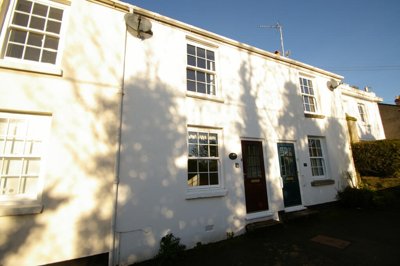
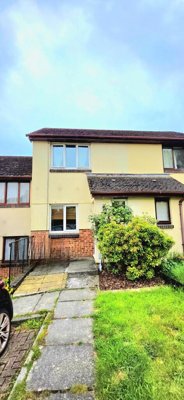
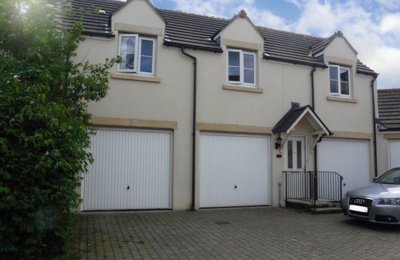
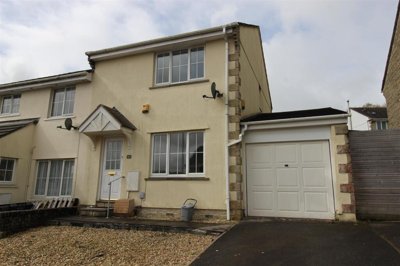
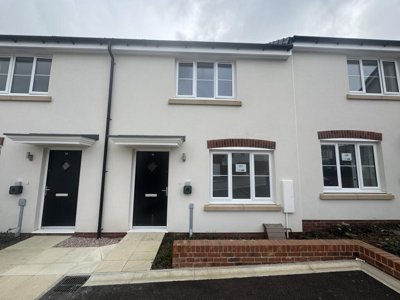
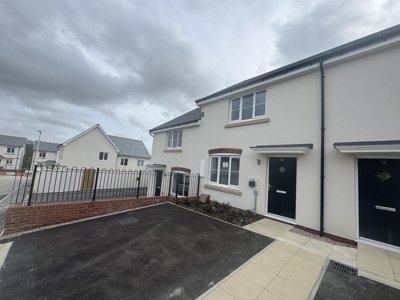
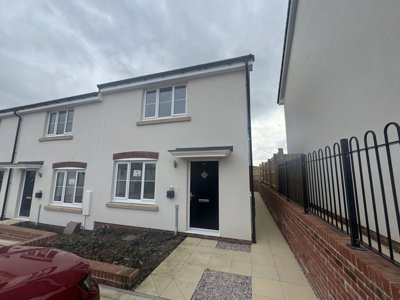
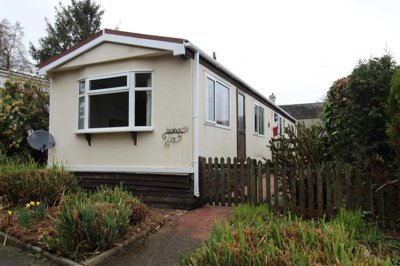
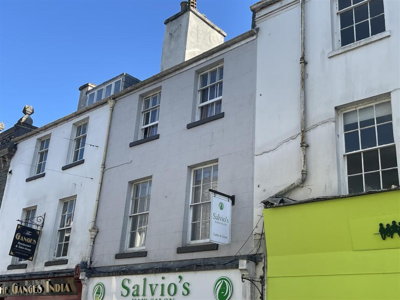
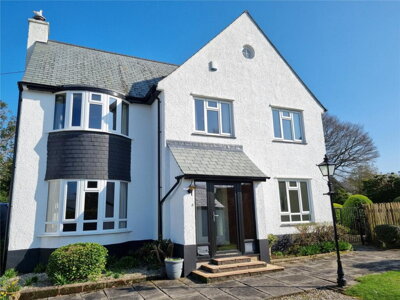
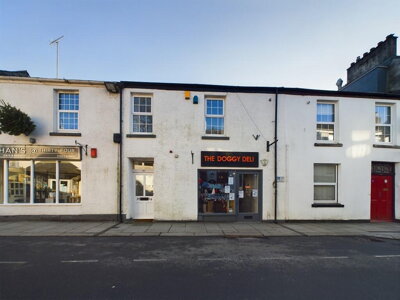
Browse 12 rental homes to rent in Whitchurch from local letting agents.
Whitchurch's rental market in West Devon follows wider Devon patterns, but the parish has its own quirks. Our figures show that house prices have fallen by 5% over the past year across the Whitchurch area and now sit around £390,508 according to homedata.co.uk, while rents have stayed fairly steady because demand for countryside living remains strong. Average property values in Whitchurch run from £352,000 to £390,000, and semi-detached homes usually command £311,000 to £319,000, which leaves ownership feeling aspirational and renting a more practical first step for many households. Rental homes range from compact terraced cottages at around £709 per month to larger detached family houses from £790 monthly, depending on size, condition and outdoor space.
The local housing stock is mostly semi-detached and detached, with terraced homes making up a smaller share of what is available. A good number of rentals are traditional stone houses from the 18th and 19th centuries, built from the granite and elvan stone that give this part of West Devon its character. Whitchurch takes its name from the white elvan stone quarried at nearby Roborough Down, and that same stone helped form St Andrew's Church, the notable 15th-century perpendicular-style building at the centre of village life. New build activity in the immediate Whitchurch postcode area is still limited, although developments on the edge of nearby Tavistock can sometimes offer modern rental options within commuting distance.
Private renting accounts for approximately 17.7% of household tenure in the parish, with the rest of residents mainly owning outright or with a mortgage, so the community mix stays fairly balanced. Census data shows West Devon's private renting has moved from 15% in 2011 to 18.2% in 2021, which mirrors wider national change and has reached this rural corner too. For tenants coming to Whitchurch, the market is well supported by local landlords who know the appeal of this Dartmoor fringe community. Availability can be tighter than in towns, so when a suitable home appears, quick action usually pays off.

Life in Whitchurch, West Devon is shaped by its position on the edge of Dartmoor National Park and its long link with the market town of Tavistock. The village name comes from the white elvan stone at Roborough Down, the same geological feature used in St Andrew's Church, the 15th-century perpendicular-style building that still anchors the community. Across the parish, the landscape is rural and open, with rolling farmland, old farmsteads and Devonshire hedgerows, and homes are spread through the countryside rather than clustered in one dense centre. That scattered pattern gives the area its calm, spacious feel, while the links to neighbouring places remain clear.
Whitchurch is home to a mainly older, settled population, and household data shows that 50% of homes contain two persons and 19% are single-person households. The area draws families and individuals who want a slower pace away from urban pressure, along with people who value agricultural traditions and community events. Village life also revolves around historic buildings, from the Grade I listed Walreddon Manor dating from the 16th century to the many Grade II listed farmhouses and cottages across the parish. Boyton Farmhouse, Lower Collaton Farmhouse and Oakley Farmhouse are three of the better-known examples, and each adds to the area's architectural story.
For summer recreation, the cricket ground is a useful local focus, while the surrounding moors and countryside give walkers plenty to work with. Tavistock's shops, restaurants and medical facilities are only a short drive away, so residents can still access urban services without losing the peace of rural home life. Employment is steady too, with 51.1% of the parish population economically active and employed, and none recorded as unemployed. The fact that 39.1% of residents work from home shows how well the area fits modern working habits, especially for remote workers chasing a better balance.

Education for families renting in Whitchurch, West Devon centres on Whitchurch Community Primary School, the local village school for younger children from the parish and nearby areas. It teaches Reception through to Year 6, and its small class sizes give it a more community-focused feel than bigger urban schools. For secondary education, most pupils travel to Tavistock, where several schools serve West Devon, including some with specialist status in specific curriculum areas. Daily transport does need thinking through, especially for families where both adults work full time.
Exeter and Plymouth provide the main further education options, both reachable via the A386 trunk road that links Whitchurch to those larger centres. Students aged 16 and above can follow vocational or academic routes there, and many local young people move on for A-levels or specialist training. Plymouth College of Art and Exeter College give a broad choice of courses, while the University of Plymouth offers degree-level study within a reasonable commute. With more than 39% of the population working from their residence, families with older children may find the flexibility of remote-working parents a real help.
Before children start school, parents should check current admissions policies and catchment arrangements directly with Devon County Council, since they can change and may alter transport needs for schools outside the village. West Devon's population grew by 6.6% from 2011 to 2021 according to Census data, reaching approximately 57,100 residents, and that has created some pressure on school places in certain parts of the district. Choosing a rental home with school boundaries in mind can save a lot of time and transport cost, especially in winter when rural roads are harder to travel.

Transport from Whitchurch, West Devon is built mainly around the road network. The village sits immediately southeast of Tavistock and connects through the A386, the main route through West Devon. That road gives direct access to Plymouth, about 20 miles to the south, where there are full rail services, ferry links to Cornwall and a wide range of city amenities. For anyone commuting to Exeter, the drive is around 45 minutes via the A386 and A30 trunk roads, although peak-hour traffic can lengthen the trip. Devon County Council bus services link Whitchurch with Tavistock and nearby villages, which is important for anyone without a car.
Okehampton and Plymouth are the nearest railway stations, and both connect into the wider national network, including regular routes to London Paddington via Exeter St Davids. Okehampton station lies around 12 miles from Whitchurch, giving the area a local rail link that has gained more use since services reopened, so it works well for occasional commuters or leisure trips. Plymouth station offers direct trains to London Paddington with journey times of around three hours, plus links to the ferry port for Cornwall and beyond. The Dartmoor line heritage railway adds another option for recreational journeys into the national park.
Cycling provision is still limited, though it is gradually improving, and the quiet country lanes between Whitchurch and Tavistock are pleasant for confident riders. The A386 has a few demanding stretches for cyclists, so anyone thinking about a regular bike commute should check the road conditions first and may prefer alternative routes through neighbouring villages. Exeter International Airport is roughly one hour's drive away and provides domestic and international flights, including routes to major European destinations. Bristol Airport is another option for some journeys and is about two hours' drive from Whitchurch.

Before viewing homes in Whitchurch, we suggest getting a rental budget agreement in principle from a lender or broker. That shows how much rent you can afford and gives landlords confidence in your financial standing. With median income for local applicants at £14,500 annually, it makes sense to keep a close eye on rents between £709 and £790 monthly. The gap between a terraced cottage at £709pm and a detached family home at £790pm is a serious monthly commitment, so knowing your real budget before you start will save time and a fair bit of disappointment.
Take a look at the village's Conservation Area boundaries, which run from Whitchurch House in the north to St Andrew's Church in the south, and get to know the amenities in nearby Tavistock. Your commute matters too, especially if work takes you into Plymouth or Exeter, so it is worth checking which bus routes serve the property you are considering. The Conservation Area designation can limit what alterations are allowed to rental homes, so tenants who want to make changes should understand those restrictions before they commit.
We would also suggest speaking to local estate agents and landlords with properties in Whitchurch and the wider West Devon area. View more than one home so you can compare condition, maintenance standards and rental terms before deciding. A lot of rural rentals here are family houses, so tenancies often run for 12 months or more. If the immediate Whitchurch market feels thin, widening the search to neighbouring villages on the A386 can open up more possibilities.
Go through the tenancy terms carefully, especially the deposit amount, which is usually equivalent to five weeks rent, along with notice periods and any limits on pets or alterations. Homes in the Conservation Area can also carry extra planning considerations that affect what you may do during the tenancy. The area's mining past, including Wheal Anderton Tin Mine, which was active in the mid-19th century, means some properties could sit over former workings, so it helps to understand that history before you move ahead.
Landlords will want tenant referencing checks, usually covering credit history and employment verification. We also recommend an independent inventory report at the start of the tenancy so your deposit is protected when you eventually move out. Because many Whitchurch homes are older stone buildings from the 18th and 19th centuries, the inventory should record traditional details properly, including stone walls, thatched elements and original windows.
Once the references are approved and the tenancy agreement is signed, it is time to arrange the move into your new home in this Dartmoor fringe village. Register with local services, update the utilities with your new address and introduce yourself to neighbours in this close-knit community. Most properties are not within walking distance of local shops, so sorting grocery deliveries and knowing how online shopping works will help you settle in faster.
Renting in Whitchurch, West Devon involves a few area-specific points that may not be obvious at first glance. The village's Conservation Area status, established on June 21, 1993, means many properties are subject to planning restrictions on external alterations, so prospective tenants should find out what changes, if any, are allowed during their tenancy. Traditional granite and elvan stone homes may need more upkeep than newer buildings, and older features such as stone walls, thatched elements and traditional windows should be noted during the first inventory check. With a concentration of listed buildings across the parish, including Grade I listed Walreddon Manor and many Grade II* and Grade II properties, rental homes may sometimes be historic farmhouses and cottages with their own maintenance needs.
The area's mining history, especially lead and tin extraction around the edges of Dartmoor and workings such as Wheal Anderton Tin Mine in the mid-19th century, means some properties may sit above former mining workings. Not every home will be affected, but this is worth discussing with your landlord and keeping in mind when you assess a property for longer-term occupation. Homes near mining ground may need more frequent checks, and knowing the background can help tenants report any early signs of ground movement or subsidence more accurately.
Energy efficiency varies a great deal between the older and newer homes in Whitchurch. Historic stone cottages often have solid walls rather than cavity insulation, and properties in this price range can have EPC ratings of D or below, which affects both comfort and heating bills. West Devon winters can drop below freezing, and poorly insulated homes can become expensive to heat, especially if they depend on electric heating or older boiler systems. Some parts of West Devon also have clay soils that shrink and swell during dry spells, although flood risk for Whitchurch still needs to be checked for each property. Service charges and maintenance responsibilities should be set out clearly in the tenancy agreement, particularly for flats or converted buildings with shared facilities that need regular contributions.

In Whitchurch, West Devon, rents usually start at around £709 per month for a terraced cottage and rise to £790 for a detached family home. The final figure depends on size, condition, number of bedrooms and whether there is garden space or outbuildings. Semi-detached homes in reasonable condition generally rent for £950-1,100 monthly. With house sale prices averaging around £352,000-390,000, rental values sit in step with the local market across this Dartmoor fringe village. Homes with period features, original character or a spot near St Andrew's Church or the village cricket ground can attract higher rents within that range.
Homes in Whitchurch, West Devon fall within the West Devon Borough Council tax band system. Most properties in the parish, including traditional stone cottages and farmhouses from the 18th and 19th centuries, usually sit in bands C through F, while smaller homes and older properties are often in bands B or C. The exact council tax charge depends on the property's rateable value and the current West Devon Borough Council budget, which residents can check through the council's online portal. Before you agree a tenancy, ask the landlord or letting agent to confirm the band, since it affects the ongoing monthly cost of the home.
Whitchurch Community Primary School serves the village directly and teaches children from Reception through to Year 6 in a community-focused setting. For secondary education, students usually go to schools in Tavistock, which is reached via the A386 and school transport services run by Devon County Council. Several secondary schools in the Tavistock area support West Devon families and offer a range of curriculum choices and extracurricular activities. Older students can also move on to further education colleges in Plymouth and Exeter for A-levels or vocational courses before university. Families should always check current admissions arrangements and catchment details with Devon County Council, as these can affect school allocations and transport needs.
Bus services run by Devon County Council link Whitchurch with Tavistock and surrounding villages at regular intervals, so public transport is available even if it is not extensive. Plymouth and Okehampton are the nearest railway stations, both around 12-20 miles away, and they connect into national rail services including routes to London Paddington. The A386 is the main road link, giving access to Plymouth city centre within 30 minutes by car. Anyone without a private vehicle should think carefully about transport before renting in this rural location, particularly if daily commuting is part of the plan. Okehampton station, which has seen more use since services reopened, is a practical choice for occasional commuters or leisure travel to Exeter and beyond.
Whitchurch, West Devon offers a strong rental setting for anyone who wants countryside living with decent links to larger towns. The village brings together a real sense of community, access to Dartmoor National Park and close proximity to Tavistock's services. With 39.1% of residents working from home and good broadband availability, the area works well for remote workers and families looking for extra space. The private rented sector makes up 17.7% of households, so there is already an established market, even if availability is tighter than in towns. Conservation Area status helps support property values and the feel of the neighbourhood, which matters to tenants who appreciate a well-kept setting. Grade I listed Walreddon Manor, along with the parish's many historic farmhouses, gives the area an architectural character that a lot of residents find rewarding.
Renting in Whitchurch usually means a deposit equal to five weeks rent, which for a typical property at £709 per month works out at £886. That deposit has to be protected in a government-approved deposit protection scheme within 30 days of receipt, and you should be told which scheme holds it and how to recover the money at the end of the tenancy. Extra costs include tenant referencing fees of around £50-150, depending on the agency, plus inventory check fees of about £100-200 for a proper professional inventory. Because many Whitchurch rentals are older stone homes, the inventory process can be more detailed than it would be for a modern property, so setting aside another £50-100 for the paperwork is sensible.
Whitchurch and the wider West Devon area have a long link with mining, especially lead and tin extraction on the edge of Dartmoor. Wheal Anderton Tin Mine was active in the mid-19th century, and other workings have left their mark on the local landscape. Not every property is affected by former mining workings, but tenants should ask landlords about the mining history of any specific home, especially those on lower ground or close to watercourses where drainage from historic mines may have influenced foundations. Homes above former workings may need more frequent maintenance checks, and knowing this background can help tenants report signs such as ground movement or subsidence more accurately.
Broadband in Whitchurch has improved a great deal in recent years, which supports the 39.1% of residents who now work from home. Most properties should have access to superfast broadband, although actual speeds can vary with location and the age of the telephone infrastructure serving the home. Mobile coverage from the major networks is usually good in the village centre and along the A386, but some rural lanes and outlying properties may get weaker signal. If broadband matters for home working, prospective tenants should check expected speeds with landlords or use Ofcom's online postcode checker before they commit to a tenancy.
From 4.5%
We suggest working out your renting budget before you start looking in Whitchurch.
From £49
We protect deposits through professional tenant referencing services.
From £455
Professional survey for longer-term rental commitments
From £85
Energy performance certificate for your rental property
Understanding the financial side of renting in Whitchurch, West Devon makes it easier to budget for the move. The standard deposit in the private rental sector is five weeks rent, which for a typical property at £709 per month in Whitchurch comes to £886. That deposit must be protected in a government-approved deposit protection scheme within 30 days of receiving it, and you should be told which scheme is being used and how to recover the funds at the end of the tenancy. First-time renters entering the private market should also factor in the first month's rent on top of the deposit, so total upfront moving costs can reach £1,595 or more depending on the property size. Some landlords may also ask for additional rent in advance, especially where demand is high or where pets are being allowed.
Other costs to budget for include tenant referencing fees, usually £50-150 depending on the agency, and inventory check fees of about £100-200 for a thorough professional inventory. If you are taking an older property in Whitchurch, especially one of the historic stone cottages or listed buildings common in the Conservation Area, it may be wise to book a RICS Level 2 survey before you commit to a longer tenancy. These surveys, available from around £455 for properties in the Whitchurch area, can identify damp, structural movement linked to the area's mining history, or maintenance issues that may not show up during a standard viewing. Energy Performance Certificates are required by law and should be provided by the landlord, but it is still sensible to think about heating costs for a home with an EPC rating of D or below given Devon's winter climate.
Properties to Rent In London

Properties to Rent In Plymouth

Properties to Rent In Liverpool

Properties to Rent In Glasgow

Properties to Rent In Sheffield

Properties to Rent In Edinburgh

Properties to Rent In Coventry

Properties to Rent In Bradford

Properties to Rent In Manchester

Properties to Rent In Birmingham

Properties to Rent In Bristol

Properties to Rent In Oxford

Properties to Rent In Leicester

Properties to Rent In Newcastle

Properties to Rent In Leeds

Properties to Rent In Southampton

Properties to Rent In Cardiff

Properties to Rent In Nottingham

Properties to Rent In Norwich

Properties to Rent In Brighton

Properties to Rent In Derby

Properties to Rent In Portsmouth

Properties to Rent In Northampton

Properties to Rent In Milton Keynes

Properties to Rent In Bournemouth

Properties to Rent In Bolton

Properties to Rent In Swansea

Properties to Rent In Swindon

Properties to Rent In Peterborough

Properties to Rent In Wolverhampton

Enter your details to see if this property is within your budget.
Loans, cards, car finance
Estimated property budget
Borrowing + deposit
You could borrow between
Typical borrowing
Monthly repayment
Est. at 4.5%
Loan-to-value
This is an estimate only. Your actual budget may vary depending on interest rates, credit history, and personal circumstances. For an accurate affordability assessment, speak to one of our free mortgage advisors.
This calculator provides estimates for illustrative purposes only and does not constitute financial advice. Your home may be repossessed if you do not keep up repayments on your mortgage. Estimates based on 4.5% interest rate, repayment mortgage. Actual rates depend on your circumstances.
Homemove is a trading name of HM Haus Group Ltd (Company No. 13873779, registered in England & Wales). Homemove Mortgages Ltd (Company No. 15947693) is an Appointed Representative of TMG Direct Limited, trading as TMG Mortgage Network, which is authorised and regulated by the Financial Conduct Authority (FRN 786245). Homemove Mortgages Ltd is entered on the FCA Register as an Appointed Representative (FRN 1022429). You can check registrations at NewRegister or by calling 0800 111 6768.

We use cookies to show you personalised content and improve your experience of our website. Find out more in our Privacy policy and Cookie policy.