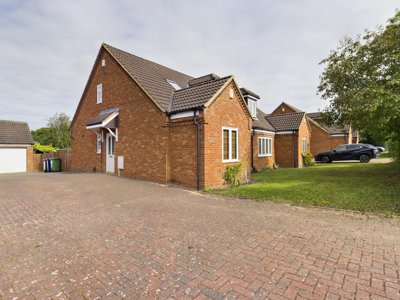
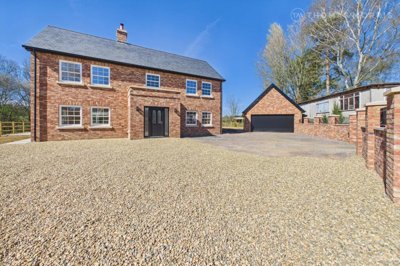
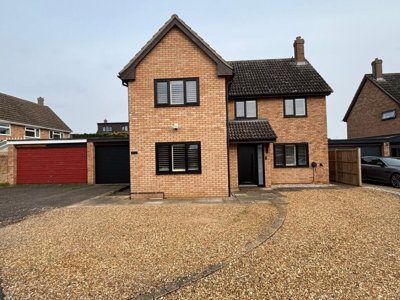
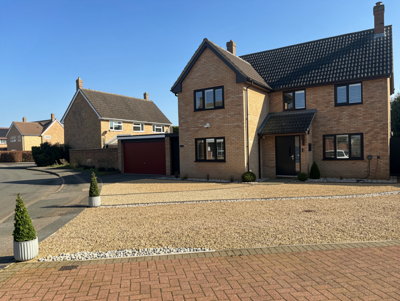
Browse 4 rental homes to rent in Waresley-cum-Tetworth from local letting agents.
The Waresley Cum Tetworth property market offers detached, semi-detached, and terraced houses spanning various price ranges and neighbourhoods. Each listing includes detailed property information, photographs, and direct contact with the marketing agent.
Waresley-cum-Tetworth's rental market works on a very different scale to larger towns and cities, shaped by the village's small, character-led housing stock. With just 122 households across the whole parish, rental homes surface only occasionally, so it makes sense to speak to local letting agents early if we are looking to rent here. Supply is tight, and when a property does come up in this conservation village it often draws strong interest from people after the calm Cambridgeshire countryside lifestyle the area offers.
What tends to come up for rent are traditional terraced cottages, semi-detached period homes, and, now and then, converted agricultural buildings. Many of these homes show the area's distinctive construction details, local brickwork, slate roofing, and gault brick chimney stacks that give them real presence. The Grade II listed properties along Gamlingay Road and Vicarage Road speak to the architectural history that defines the village, and living in one can bring a proper sense of historic English village life.
Planning activity suggests very little pressure for new development, with the parish still largely shielded by its conservation area status. In October 2024, a small potential development site between West Lodge and Home Farm was approved for domestic garden use, which points to residential change staying modest and carefully controlled. That kind of approach helps keep the village character intact, though it also means rental stock is likely to remain limited for some time.

Living in Waresley-cum-Tetworth gives us a chance to be part of a genuine rural community, where people know one another and life still moves at an unhurried pace. The parish lies on Lower Greensand and Boulder Clay geology, which creates the softly rolling countryside that defines this part of Cambridgeshire. That same Boulder Clay can matter when it comes to property foundations, especially in older buildings, where signs of ground movement may show up in walls, floors, or door frames over time.
The village's community spirit is supported by a handful of local enterprises that bring work and services to residents. There is a garden centre in the village selling fresh produce and plants, while local agricultural businesses, including free-range egg production, keep the farming links that have shaped the parish for centuries. A resident sculptor and the nearby Waresley Park Estate, with its luxury spa and outdoor activities, add cultural and leisure options too, showing that rural life here is about more than farming alone.
The Church of St James the Great, rebuilt in 1856 and topped with its distinctive shingled spire, acts as both a spiritual centre and a landmark that helps anchor the village identity. Estate cottages built in the mid-19th century by Octavius Duncombe line the main approach roads, their traditional styling reflecting the parish's long-settled rural heritage. Anyone renting in Waresley-cum-Tetworth becomes part of that layered history, living in homes that sit within an architectural line stretching back through generations of Cambridgeshire countryside dwellers. The village's high rate of home ownership at 83.77% points to a settled and economically stable community, where people have invested in their properties over many years and helped create the calm environment that makes village life here so appealing.

Families looking to rent in Waresley-cum-Tetworth will find that primary education is mostly available in nearby market towns and larger villages within a sensible commuting radius. Because the village is so small, children usually attend schools in surrounding communities, with places in Sandy and Potton commonly serving local families. Those nearby towns provide the main primary education network for the parish, and most primary-aged children travel a short distance from the village itself.
For secondary education, options include schools in St Neots, Cambourne, and other parts of Cambridgeshire, with grammar school provision available in nearby towns for those who meet the entrance criteria. That usually means a longer daily journey, so families should think about school transport arrangements carefully before choosing a rental property in this village. Sixth form and further education are easy enough to access in St Neots and Cambridge, with regular bus services linking those larger centres to villages in the Waresley-cum-Tetworth area.
Education in this rural setting needs a bit of research, because school transport and catchment boundaries can change the practicalities of family life quite a lot once we settle into a village home. Parents should check current school allocations and travel options before committing, as both can make a real difference to the day-to-day routine. Cambridgeshire has strong standards across primary and secondary education, and the county's overall performance in national assessments offers some reassurance about quality in the wider area. For families who place education high on the list, the county's consistently above-average results in national league tables give confidence, even with the rural location.

Road links are the main transport strength in Waresley-cum-Tetworth, tying the village into larger settlements and transport hubs across Cambridgeshire and beyond. The village sits within reasonable reach of the A1(M) corridor, which gives north-south access to Peterborough, Stevenage, and London. The A14 also connects the area eastward to Cambridge and the M11 motorway, so commuting into the city and across the region is straightforward enough. For anyone working in Cambridge or travelling there for business, the road journey usually takes around 40-50 minutes, depending on traffic.
Nearby stations add another commuting option for people who prefer rail. Sandy and St Neots both provide connections to Cambridge and London, and from St Neots the journey to London Kings Cross is typically under an hour. Cambridge station is the main rail hub for the Waresley-cum-Tetworth area, with direct services to London, Birmingham, and other major destinations. Together, the road and rail links make village life here workable for people whose jobs take them further afield, while still keeping the countryside setting that defines the place.
Bus services do run in the surrounding area, though the frequency is naturally limited compared with urban routes, which is to be expected in rural Cambridgeshire. Most residents renting in Waresley-cum-Tetworth find a car gives them the flexibility they need for day-to-day life, shopping, and getting to services that are not in the village itself. Parking is usually straightforward because the village is low-density, and the lack of town-centre congestion adds to the practical appeal of living in this well-connected rural spot. Flood risk is generally low, with most of the area in Flood Zone 1 and a low probability of river or sea flooding, although there is some minimal surface water flooding risk in parts of the village that is worth bearing in mind when choosing a property.

Before settling on Waresley-cum-Tetworth, it is worth spending time getting a feel for its character. There are only 122 households and rental turnover is limited, so understanding the local market and the way the community works matters. Visit at different times of day, look at amenities in the surrounding towns, and talk to residents about what makes village life here special.
We would advise getting a rental budget agreement in principle from a reputable lender before arranging viewings. It shows landlords that the application is serious and the finances are already checked. In a market where village rentals appear infrequently, being prepared in advance puts us in a stronger position when the right home comes up.
View available properties with the agent and judge how closely they fit your needs. In Waresley-cum-Tetworth, most homes are older buildings from the 18th and 19th centuries, so it helps to weigh up the character and the maintenance implications at the same time. Make a note of the condition, the fixtures, and anything that needs to be raised with the landlord.
A RICS Level 2 survey gives a useful independent check on condition before we commit to a tenancy, especially where the properties are older. With national averages around £455, it can highlight structural issues, damp, or maintenance concerns that might not be obvious during a standard viewing. Homes on Boulder Clay geology may deserve particular attention to foundations and any signs of ground movement.
Read the tenancy agreement properly before signing, and pay close attention to the deposit amount, notice periods, and who is responsible for maintenance and repairs. Because the village sits within a conservation area, we also need to understand any restrictions on alterations that could apply to listed buildings or to properties inside the conservation boundary.
Once the tenancy agreement is signed and the deposit is protected under the government scheme, we can start arranging the move to Waresley-cum-Tetworth. The village's peaceful setting, historic cottages, community spirit, and access to beautiful Cambridgeshire countryside make it a very appealing place for rural village living.
Renting here means paying close attention to the particular character of this historic rural village. Most of the properties in the parish date from the 18th and 19th centuries, built with traditional methods and materials that need regular care. Prospective tenants should look closely at slate roofs, original brickwork, and period features such as fireplaces and timber floors, because while they add character, they can also bring maintenance responsibilities that need to be understood before a tenancy agreement is signed.
Homes within the Waresley-cum-Tetworth conservation area come with planning restrictions that affect what can and cannot be done during a tenancy. Anyone renting a listed building should know that external alterations, painting original surfaces, and changes to windows and doors may need listed building consent from Huntingdonshire District Council. Those rules protect the village's heritage, but they also narrow the scope for personalisation, so any planned changes should be discussed with the landlord before we go ahead.
The Boulder Clay geology beneath the area is another factor to think about when assessing a rental property. The village generally sits in Flood Zone 1, so the probability of river or sea flooding is low, but Boulder Clay can bring shrink-swell ground movement that affects foundations over time. Older homes in particular may show signs of past movement, or have foundation designs that pre-date modern understanding of clay ground conditions. Looking carefully at walls, floors, and door frames for cracks or movement gives useful extra information when we are weighing up a property here.

We do not have separate rental price data for Waresley-cum-Tetworth because the village is so small, with only 122 households in the whole parish. The wider Cambridgeshire rental market gives some context, though, with a broad spread of values across different property types and locations. In village settings across the county, rents usually reflect the size, condition, and character of the home, and period cottages and historic properties often command a premium over modern equivalents. For the most accurate current pricing in Waresley-cum-Tetworth, local letting agents are the best source of specific figures as properties appear in this tight market.
For council tax purposes, Waresley-cum-Tetworth properties fall under Huntingdonshire District Council. Individual homes in the village span all council tax bands depending on their assessed value, and period cottages as well as historic homes can sit in different bands. Because the housing mix is so varied, banding follows the assessed value of each property rather than any uniform pattern. Before committing to a tenancy, prospective tenants should check the council tax band for the specific home they are considering, as that sits alongside rent and utility payments as part of the ongoing cost of living in Waresley-cum-Tetworth.
Primary education for residents is usually found in nearby villages and market towns, with schools in Sandy and Potton serving primary-aged children in the local area. For older children, secondary schools in St Neots, Cambourne, and other surrounding Cambridgeshire locations provide solid options, and grammar school provision is available in nearby towns for those who meet the entrance requirements. Cambridgeshire maintains strong educational standards across both primary and secondary phases, and the county's overall performance in national assessments gives some reassurance about quality in the surrounding area. Families should check current catchment allocations and transport arrangements before choosing a rental property in this village location.
Transport links in Waresley-cum-Tetworth reflect its rural setting. Local bus services are limited but functional, linking the village with surrounding towns and villages for people without a car. Rail access is available from Sandy and St Neots, with direct trains to Cambridge and London, and journey times to London Kings Cross are typically under an hour from St Neots. Road access is also strong, with the A1(M) giving north-south links and the A14 and M11 connecting the area to Cambridge and the wider motorway network. In practice, most residents find a car gives them the flexibility they need for everyday life, even though the public transport options are fine for the occasional commute or shopping trip to a larger centre.
Waresley-cum-Tetworth offers a distinctive renting opportunity for people after authentic rural village life in Cambridgeshire, and with approximately 271 residents it has a close-knit feel that is hard to find in bigger towns. The quality of life here is shaped by the scenic countryside, the historic architecture along Gamlingay Road and Vicarage Road, and a genuine community spirit. Because the home ownership rate is 83.77%, rental homes are relatively rare and often in demand when they appear. The conservation area status protects the village character, while good transport links to Cambridge and London keep commuting realistic for people working in the city or further afield.
In England, standard deposits for rental properties are capped at five weeks' rent, worked out from the annual rent amount divided by 52 and multiplied by five. In Waresley-cum-Tetworth, deposits usually match the rental value of the property itself and are protected in a government-approved scheme within 30 days of receipt, which gives tenants reassurance that the money will be handled fairly at the end of the tenancy. Other costs may include referencing fees for credit checks and tenancy verification, usually £100 to £300 per applicant depending on the agency. Inventory check fees, often £100 to £200, cover the detailed check-in and check-out inspection that records the property's condition. We would always ask for a full breakdown of costs before submitting a tenancy application, so there are no surprises later on.
Period homes make up most of the rental stock in Waresley-cum-Tetworth, which is no surprise given the village's historic character and the limited amount of new build activity in the conservation area. Traditional terraced cottages, semi-detached period homes, and occasionally converted agricultural buildings are the typical options in this Cambridgeshire village. Many properties still show the local construction details, local brickwork, slate roofing, and gault brick chimney stacks, and a lot of them date from the 18th and 19th centuries, when the village took shape. Grade II listed properties along Gamlingay Road and Vicarage Road do occasionally come onto the market, giving renters the chance to live in a heritage home with all the character that historic English village living brings.
The Boulder Clay beneath Waresley-cum-Tetworth means anyone viewing a rental should look carefully at foundations and any signs of ground movement. Although the village generally sits in Flood Zone 1 with a low probability of river flooding, Boulder Clay can be linked with shrink-swell movement that affects foundations over time, especially in older properties built before modern soil knowledge. When we inspect a possible home, walls, floors, and door frames all deserve a close look for cracking or movement that may point to past or ongoing ground issues. A thorough survey before committing to a tenancy can bring the geology of this part of Cambridgeshire into clearer view.
From 4.5%
Before we begin searching in Waresley-cum-Tetworth, get your finances in order with a rental budget agreement.
From £100
Complete referencing checks to give your rental application more strength in this competitive village market.
From £455
A thorough property condition survey should be in place before anyone commits to a rental tenancy in this historic village.
From £85
Check the energy efficiency rating of rental properties in Waresley-cum-Tetworth before moving in.
Getting to grips with the financial side of renting in Waresley-cum-Tetworth helps prospective tenants budget properly and avoid unwelcome surprises during the application process. For most rental properties, the deposit is capped at five weeks' rent, calculated from the annual rental value divided by 52 and multiplied by five. That deposit is refundable at the end of the tenancy, subject to any deductions for damage beyond normal wear and tear or unpaid rent. The landlord must protect the deposit in a government-approved scheme within 30 days of receiving it, and tenants should receive details of the scheme holding the money for full transparency.
Beyond the deposit, there are a few more costs that should be built into the moving budget. Tenant referencing fees cover credit checks, employment verification, and landlord references, and they usually range from £100 to £300 per applicant depending on the agency and how detailed the checks are for the tenancy application. Inventory check fees, usually between £100 and £200, pay for professional check-in and check-out reports that record the property's condition and help protect both tenant and landlord if a deposit dispute arises at the end of the tenancy.
For anyone renting one of the period properties in Waresley-cum-Tetworth, it also makes sense to put aside money for the maintenance that can come with older homes. Properties from the 18th and 19th centuries often need ongoing attention to slate roofs, timber windows, and traditional heating systems that are older than modern equivalents. Budgeting for possible maintenance costs alongside rent and utilities helps us keep the home in good condition throughout the tenancy and protect the deposit when moving on. A RICS Level 2 survey before committing to a tenancy can flag immediate maintenance concerns and help us negotiate suitable terms with the landlord around the property's condition.
Properties to Rent In London

Properties to Rent In Plymouth

Properties to Rent In Liverpool

Properties to Rent In Glasgow

Properties to Rent In Sheffield

Properties to Rent In Edinburgh

Properties to Rent In Coventry

Properties to Rent In Bradford

Properties to Rent In Manchester

Properties to Rent In Birmingham

Properties to Rent In Bristol

Properties to Rent In Oxford

Properties to Rent In Leicester

Properties to Rent In Newcastle

Properties to Rent In Leeds

Properties to Rent In Southampton

Properties to Rent In Cardiff

Properties to Rent In Nottingham

Properties to Rent In Norwich

Properties to Rent In Brighton

Properties to Rent In Derby

Properties to Rent In Portsmouth

Properties to Rent In Northampton

Properties to Rent In Milton Keynes

Properties to Rent In Bournemouth

Properties to Rent In Bolton

Properties to Rent In Swansea

Properties to Rent In Swindon

Properties to Rent In Peterborough

Properties to Rent In Wolverhampton

Enter your details to see if this property is within your budget.
Loans, cards, car finance
Estimated property budget
Borrowing + deposit
You could borrow between
Typical borrowing
Monthly repayment
Est. at 4.5%
Loan-to-value
This is an estimate only. Your actual budget may vary depending on interest rates, credit history, and personal circumstances. For an accurate affordability assessment, speak to one of our free mortgage advisors.
This calculator provides estimates for illustrative purposes only and does not constitute financial advice. Your home may be repossessed if you do not keep up repayments on your mortgage. Estimates based on 4.5% interest rate, repayment mortgage. Actual rates depend on your circumstances.
Homemove is a trading name of HM Haus Group Ltd (Company No. 13873779, registered in England & Wales). Homemove Mortgages Ltd (Company No. 15947693) is an Appointed Representative of TMG Direct Limited, trading as TMG Mortgage Network, which is authorised and regulated by the Financial Conduct Authority (FRN 786245). Homemove Mortgages Ltd is entered on the FCA Register as an Appointed Representative (FRN 1022429). You can check registrations at NewRegister or by calling 0800 111 6768.

We use cookies to show you personalised content and improve your experience of our website. Find out more in our Privacy policy and Cookie policy.