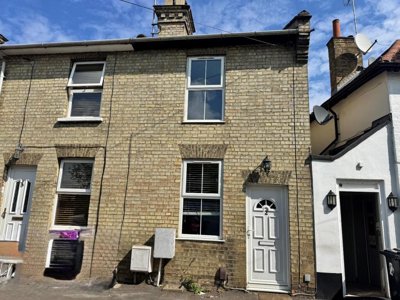
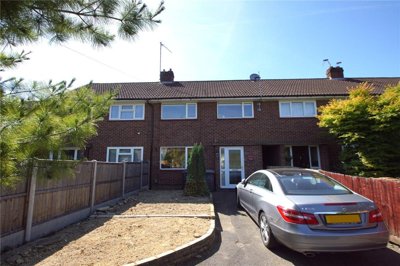
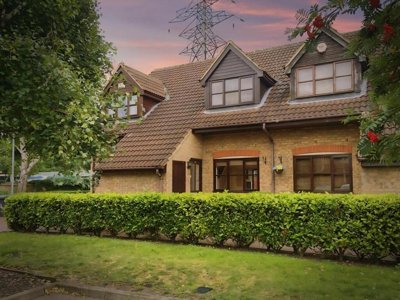
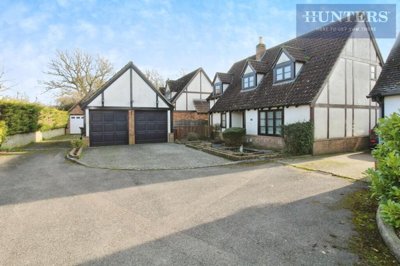
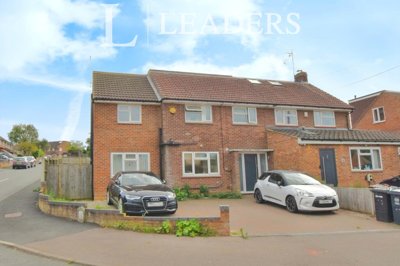
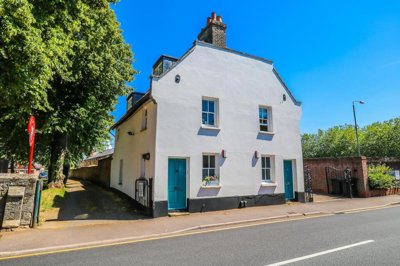
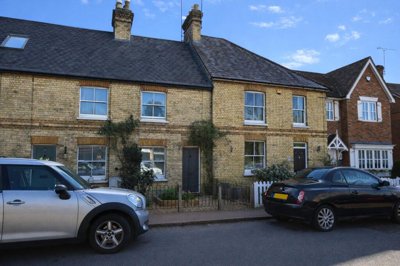
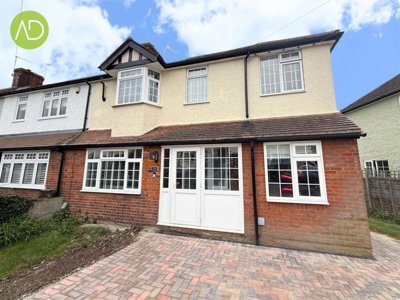
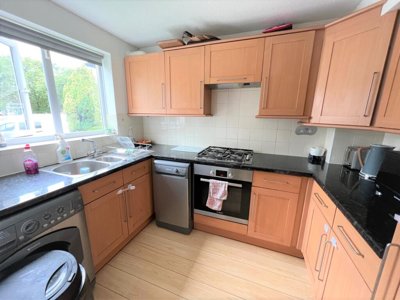
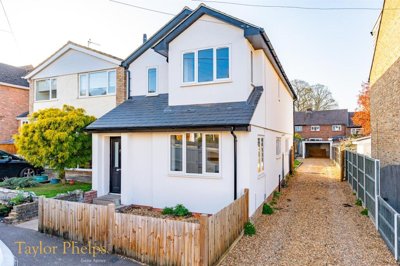
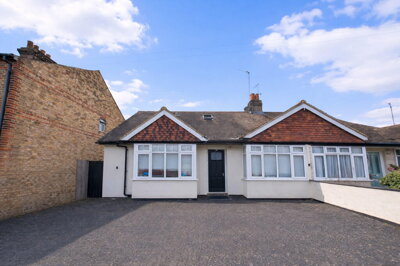
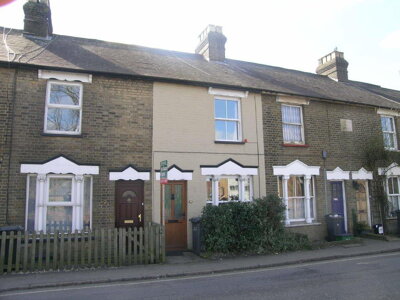
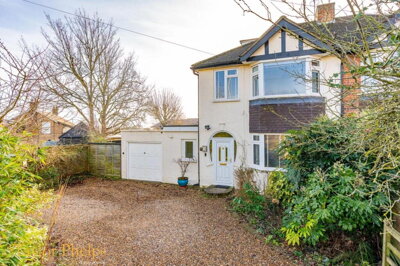
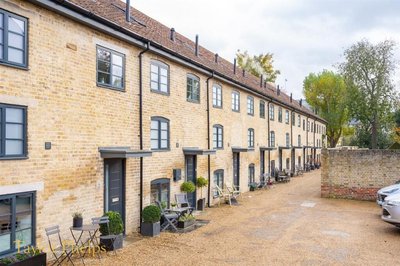
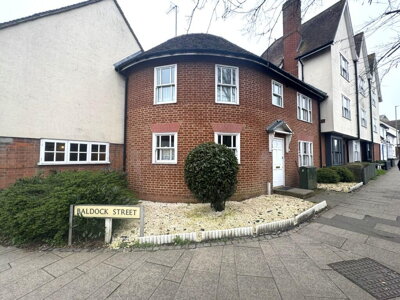
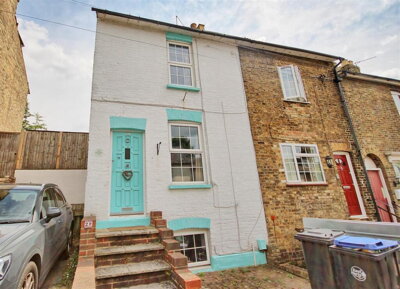
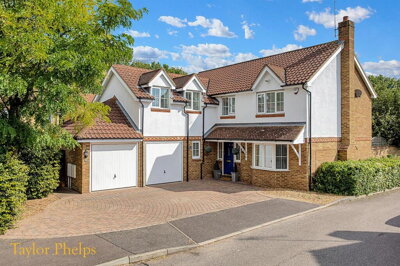
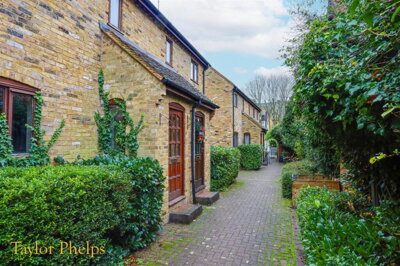
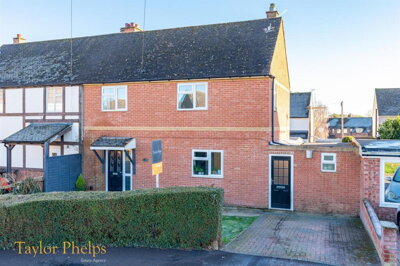
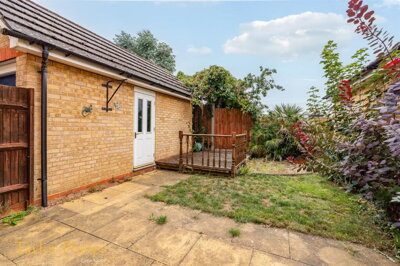
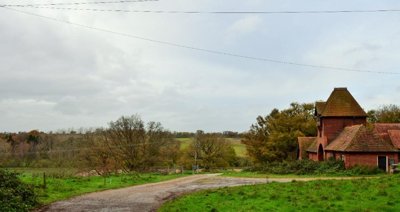
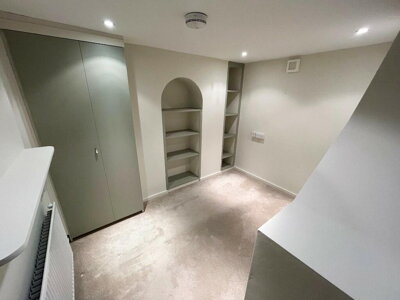
Browse 22 rental homes to rent in Wareside, East Hertfordshire from local letting agents.
The Wareside property market offers detached, semi-detached, and terraced houses spanning various price ranges and neighbourhoods. Each listing includes detailed property information, photographs, and direct contact with the marketing agent.
£0/m
0
0
0
Source: home.co.uk
Showing 0 results for Houses to rent in Wareside, East Hertfordshire.
homedata.co.uk shows a market that has shifted sharply over the last year. In Wareside, the overall average sold price is up 40% year on year, yet it still sits 8% below the 2020 peak of £725,000. Detached homes averaged £840,000 and semi-detached homes £490,000, which points to a village weighted towards higher-value family housing rather than a deep supply of entry-level stock. For renters, that often translates into fewer listings, stronger competition for well-kept homes and faster decisions when the right place comes up.
In a village this small, micro-markets can move around quite a bit, so postcode data needs a careful read. homedata.co.uk records put SG12 7RT at an average of £603,333 and SG12 7RH at £490,000, while the wider SG12 7 sector increased by just 0.9% over the last year and fell 2.9% after inflation. Ware Road in SG12 7QX was also up 130% on the year, but it remains 35% below its 2010 peak of £1,300,000. Street by street, pricing here can be very uneven.
New-build supply matters here as well, even where it falls just outside the parish boundary. In the wider SG12 area, the Land North and East of Ware site is planned for 1,000 homes, with a further 500 subject to highways mitigation, and that pipeline can feed into the rental picture around Wareside by broadening choice in nearby villages and easing or redirecting commuter demand. Within Wareside itself, activity is much smaller scale, including barn conversions and single-dwelling schemes such as Bourne Farm and The Grange.

Wareside comes across as a proper Hertfordshire village, not a commuter estate with a rural gloss. The parish recorded 752 residents at the 2021 Census, and that scale shapes daily life, quieter, more familiar, and led more by open land, lanes and older buildings than by a dense high-street layout. For renters who want privacy, character and a slower pace, that can work very well.
The architecture does a lot of the heavy lifting in Wareside's identity, and that makes a difference when we are weighing up somewhere to live. Red brick stands out in landmarks including the neo-Tudor Blakesware Manor, while Little Blakesware is described as grey brick painted white with a hipped slate roof, which gives a sense of the mix of materials in the village. Add Holy Trinity Church, listed farm buildings and the 2013 Conservation Plan, and the built environment becomes part of the draw.
Amenities in the village are thinner on the ground than in Ware, but that is often the bargain renters are making. Many residents head into nearby Ware for supermarkets, cafés, rail links and bigger medical or leisure facilities, then come back to Wareside for the calmer countryside setting. If fresh air, village roads and a bit more room around the home matter, this parish has a lot going for it.
For schooling, most families in Wareside end up looking beyond the parish boundary. This is a small village, not a self-contained urban district, so we would usually start with nearby Ware and then widen the search across East Hertfordshire and the surrounding county network. Catchment lines and admissions rules tend to matter more here than simple postcode assumptions, especially where homes are only a short drive apart.
School options nearby can change as families move and place planning is updated, so current admissions details are worth checking before a tenancy is agreed. In Hertfordshire, the right fit may depend on whether you need a nursery, primary place, secondary option or sixth form pathway, and transport can easily become part of that calculation. A home may look ideal on paper, but for renters with children we would still weigh it against school-run timings, term-time logistics and whether the bus service is dependable enough for the week.
We would use Ofsted reports, school websites and local admissions guidance together rather than rely on hearsay. In Wareside that matters even more, because attractive housing stock does not always line up with the catchment you need and the right place may be in a neighbouring area. Our usual order is simple, shortlist the home first, then check the school place straight after, not the other way round.

One of Wareside's clearest strengths is road access. The village sits close enough to Ware for straightforward day-to-day travel, yet still keeps a rural feel, and most renters will lean on the A10 and A414 whether they are travelling towards Hertford, Stevenage, Harlow or London-bound connections. For car owners, that mix of village living and practical major-road access is a big part of the attraction.
For rail travel, most people use Ware station in the next town. It connects into London Liverpool Street via the West Anglia route, which gives the area a solid commuter profile without forcing renters to live in a busier station town. That said, we would look closely at evening trains and later bus journeys before anything is signed, because rural timetables can be lighter than expected.
Walking and cycling work better here as local convenience options than as full commuter replacements. Quiet lanes can make short trips enjoyable in daylight, but lighting, roadside width and the weather all affect how workable they feel through the year. Where working hours are unpredictable, we would check parking, station access and the last bus home before deciding a Wareside rental is the right fit.
Before booking viewings, we would get a rental budget agreement in principle lined up, then settle on what you can comfortably pay once bills and travel costs are factored in.
It helps to compare Wareside with nearby Ware, so the trade-off between village calm, transport convenience and the amount of rental stock is clear from the start.
In a small parish, the best homes can disappear quickly. We would make appointments as soon as a suitable listing appears and go in ready with questions on heating, parking and access.
Ask for the EPC, tenancy terms and deposit details at the outset, and have any references or affordability checks ready to move.
Older cottages, conversions and listed buildings often come with quirks, so we would keep an eye out for damp, insulation gaps, roof condition and wear around windows and chimneys.
Once the property feels right, agree the inventory, the first payment date and the key handover, then keep copies of every document before moving in.
Older homes are central to Wareside's appeal, though they call for a sharper eye at viewing stage. Because the village has a conservation plan and a notable number of listed buildings, alterations can be more restricted than they would be on a modern estate, so we would ask about window replacements, roof repairs, heating upgrades and whether any work required formal consent. In older brick cottages and converted barns, damp and insulation should be raised there and then.
We did not see flood risk or ground conditions specifically verified in the research pack for this parish, so the safest course is to check the exact address before committing. That matters in a rural village because even a short distance can alter surface-water behaviour, parking access or how usable a driveway is on a lane. Where a property sits near trees, watercourses or low-lying land, we would ask the landlord or agent for any history of water ingress and how it was dealt with.
Leasehold flats are less common in a village like Wareside, but they do still turn up in conversions or small developments and they need a slightly different set of checks. Service charges, ground rent and building insurance arrangements should all be clear before anything is agreed, especially where the home forms part of a converted historic building. In our view, the strongest rentals here are the ones where the charm is backed up by sensible maintenance and clear paperwork.

Rental costs in Wareside are shaped less by a neat village average and more by the sort of property available at the time. A detached period house with land will usually cost more both to secure and to run than a compact flat or a simple terrace, and utility bills can swing sharply depending on insulation, heating type and the age of the building. That is why we compare the asking rent with the EPC and the likely monthly running costs, not just the headline number.
Across the UK rental market, the standard upfront costs are usually a holding deposit, a tenancy deposit and the first month's rent in advance. The tenancy deposit is commonly capped at five weeks' rent, so it is wise to have that money ready before viewing seriously. For a move to Wareside, we would also budget for the van, furniture, utility set-up charges and any shift in travel costs if the commute starts from a quieter rural location.
Some renters who settle in Wareside start comparing renting with buying later on, especially after finding a character home they really like. With that in mind, the current purchase-tax thresholds are 0% up to £250,000, 5% from £250,000 to £925,000, 10% from £925,000 to £1.5 million and 12% above £1.5 million. First-time buyer relief runs at 0% up to £425,000 and 5% from £425,000 to £625,000, which is useful background if the longer-term plan shifts from renting to owning.
Our research pack does not give us a verified village-wide median rent for Wareside, so we would not make one up. For current asking rents, home.co.uk listings are the strongest live guide because a small parish market can move quickly. For broader context, homedata.co.uk records show sold homes in the village averaged £665,000 over the last 12 months, which goes some way towards explaining why character rentals can attract a premium when they reach the market.
Wareside falls within East Hertfordshire, so council tax is based on the local valuation and billed by East Hertfordshire District Council. There is no single band for the whole village, because detached houses, cottages and converted flats can sit in different bands. We would always check the exact address before budgeting, particularly where a property is older or has been extended.
School choice here usually means looking beyond the village itself. Most families turn to nearby Ware and the wider East Hertfordshire network, and the best option will depend on the child's age, the admissions year and the catchment rules in force at the time. Before committing to a tenancy, we would check Ofsted reports, admissions policies and travel times together.
For a village, Wareside is reasonably well connected, but it is not served like a dense urban bus network. Most renters depend on Ware station for trains into London Liverpool Street, while road commuting is largely handled by the A10 and A414. Anyone working late or travelling at weekends should check the exact timetable and parking arrangements before signing.
For renters wanting a quieter village setting, older homes and easy reach of Ware without living in the middle of town, Wareside is a strong contender. The trade-off is a smaller pool of rentals, fewer immediate amenities and more conservation-related checks where older buildings are involved. For plenty of people, that balance is the appeal.
Under UK tenancy rules, the tenancy deposit is usually capped at five weeks' rent where the annual rent is below £50,000, and a holding deposit of around one week's rent may also be payable. We would add in the first month's rent, reference checks, inventory costs and moving expenses so the budget is not stretched by the move itself. If buying in Wareside becomes the next step later on, the current purchase-tax thresholds are 0% up to £250,000, 5% to £925,000, 10% to £1.5 million and 12% above that, with first-time buyer relief to £425,000.
Inside the village, development is limited to a few small-scale projects such as barn conversions at Bourne Farm and The Grange. The larger pipeline is in the wider Ware area, where the Land North and East of Ware scheme is planned for 1,000 homes, with a further 500 subject to highways mitigation. Even so, that broader growth can still influence rental demand in Wareside by stretching the local search radius.
Many of Wareside's most appealing homes are older, listed or converted, so a closer look is often justified. A RICS Level 2 survey is generally a sensible starting point for standard homes in reasonable condition, while a Level 3 survey can be better suited to older or more complex properties. Renters do not commission the survey in the same way a buyer would, but the underlying issues still matter when deciding whether a property is the right one.
From 4.5%
Before viewings begin, we would compare rental budget rates and pin down the monthly spend that works for a move to Wareside.
From £499
We can help get referencing checks and paperwork in order, which usually makes the move into the next tenancy smoother.
From £350
Check the home's energy efficiency before agreeing the rent and setting a utility budget.
From £350
This is particularly useful where we are comparing older village homes or thinking ahead to a later purchase.
We would focus first on the parts of Wareside and nearby Ware that fit the commute, the budget and the need for village character.
Try to view homes in daylight, so parking, lane access, garden boundaries and the overall feel of the street are easier to judge.
Keep ID, income evidence, references and a budget agreement in principle ready, so you can act quickly when the right home appears.
Before agreeing terms, confirm the tenancy length, deposit amount, EPC rating, repair process and any restrictions that apply to the property.
We would read the check-in inventory line by line and make sure every mark, stain and issue is recorded before the keys are collected.
Get utilities, insurance, council tax and change-of-address details moving early, so move-in day feels calm rather than rushed.
Properties to Rent In London

Properties to Rent In Plymouth

Properties to Rent In Liverpool

Properties to Rent In Glasgow

Properties to Rent In Sheffield

Properties to Rent In Edinburgh

Properties to Rent In Coventry

Properties to Rent In Bradford

Properties to Rent In Manchester

Properties to Rent In Birmingham

Properties to Rent In Bristol

Properties to Rent In Oxford

Properties to Rent In Leicester

Properties to Rent In Newcastle

Properties to Rent In Leeds

Properties to Rent In Southampton

Properties to Rent In Cardiff

Properties to Rent In Nottingham

Properties to Rent In Norwich

Properties to Rent In Brighton

Properties to Rent In Derby

Properties to Rent In Portsmouth

Properties to Rent In Northampton

Properties to Rent In Milton Keynes

Properties to Rent In Bournemouth

Properties to Rent In Bolton

Properties to Rent In Swansea

Properties to Rent In Swindon

Properties to Rent In Peterborough

Properties to Rent In Wolverhampton

Enter your details to see if this property is within your budget.
Loans, cards, car finance
Estimated property budget
Borrowing + deposit
You could borrow between
Typical borrowing
Monthly repayment
Est. at 4.5%
Loan-to-value
This is an estimate only. Your actual budget may vary depending on interest rates, credit history, and personal circumstances. For an accurate affordability assessment, speak to one of our free mortgage advisors.
This calculator provides estimates for illustrative purposes only and does not constitute financial advice. Your home may be repossessed if you do not keep up repayments on your mortgage. Estimates based on 4.5% interest rate, repayment mortgage. Actual rates depend on your circumstances.
Homemove is a trading name of HM Haus Group Ltd (Company No. 13873779, registered in England & Wales). Homemove Mortgages Ltd (Company No. 15947693) is an Appointed Representative of TMG Direct Limited, trading as TMG Mortgage Network, which is authorised and regulated by the Financial Conduct Authority (FRN 786245). Homemove Mortgages Ltd is entered on the FCA Register as an Appointed Representative (FRN 1022429). You can check registrations at NewRegister or by calling 0800 111 6768.

We use cookies to show you personalised content and improve your experience of our website. Find out more in our Privacy policy and Cookie policy.