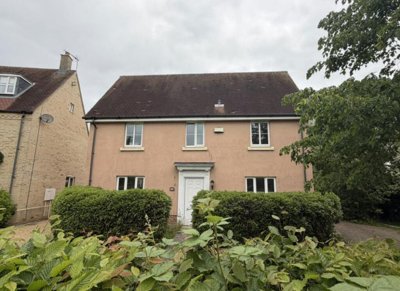
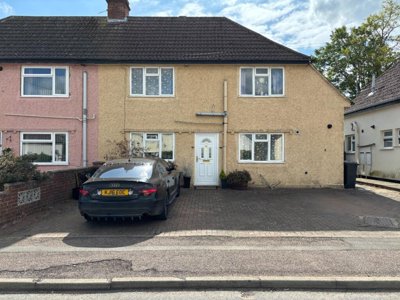
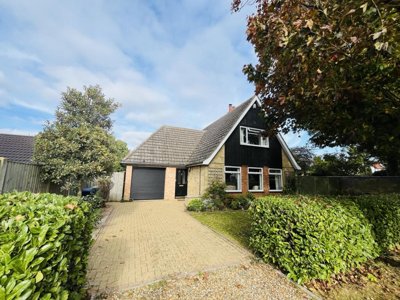
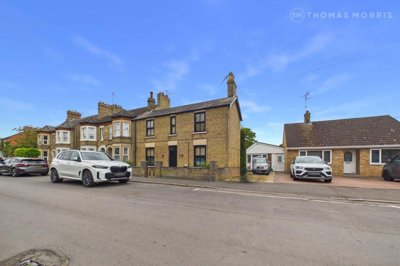
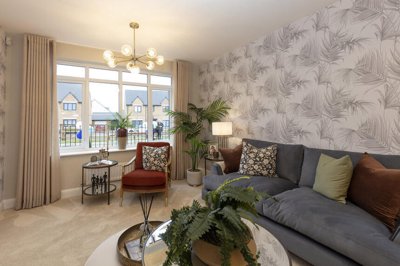
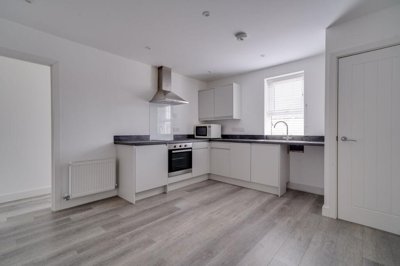
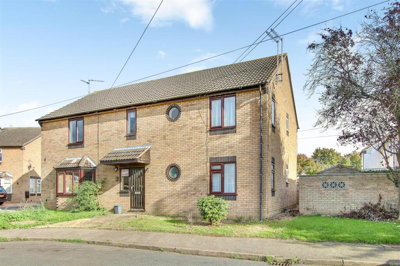
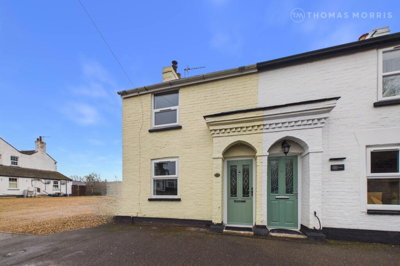
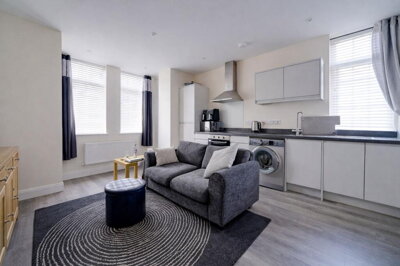
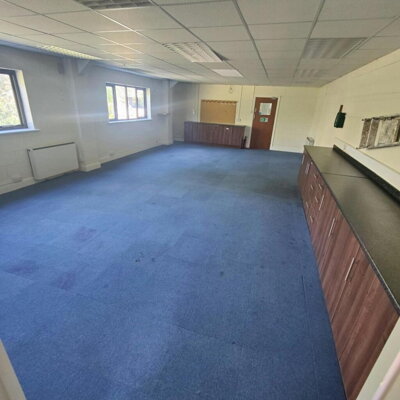
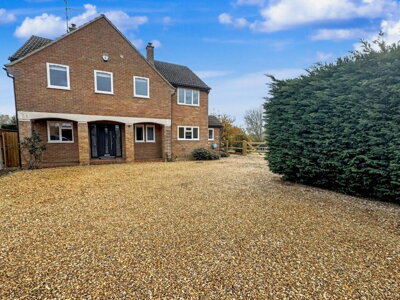
Browse 14 rental homes to rent in Upwood and the Raveleys from local letting agents.
Upwood and the Raveleys has the same rental pressure seen across many rural Cambridgeshire villages, with too few homes coming up for the number of people looking. Recent transactions put average property prices at around £302,346, down 14% on the previous year and 7% below the 2022 high of £324,759. That easing has made the area a little more approachable for tenants who may be thinking about buying later. Values still split clearly by type, with detached homes at about £460,500, semi-detached properties averaging £265,250, and terraced homes nearer £205,500.
The former RAF Upwood site is the big change to watch locally, sitting within or very close to the parish boundaries. Work on 160 affordable homes began in summer 2024, with completion expected in summer 2025, and the scheme is due to include one-bedroom maisonettes plus two, three, four, and five-bedroom houses. Planning permission for another 317 homes in Phase 2 is being finalised, with later phases expected to add open market sale homes as well as affordable options. For renters, that points to a wider choice of newer, more energy-efficient homes in a village market that has traditionally had very little spare stock.
Housing in Upwood and the Raveleys is far from uniform. The High Street still has 17th-century cottages, while the RAF Upwood redevelopment is bringing in contemporary homes at the other end of the scale. Much of the older village fabric uses red and gault brickwork, with steeply pitched plain tiled roofs that are typical of this part of Cambridgeshire. Terraced properties have made up much of the recent sales activity, and they are likely to be the more attainable rental option too, particularly for first-time renters and smaller households wanting to try fenland village life before buying.

Day-to-day life here is rural in a very practical sense, not just in the estate-agent sense. Upwood and the Raveleys has a population density of only 70.95 people per square kilometre, so there is real space, quiet, and open sky. The parish sits on the edge of the fenland, with fertile farmland shaped by centuries of cultivation and drainage, broken up by cottages, farmsteads, and village lanes. Community ties tend to form through village events, the local pubs, and the Parish Council, which takes an active interest in the natural, built, and historic environment.
Architectural character is one of the parish’s strongest assets. The Church of St Peter is Grade I listed, while St James and The Old Barn are Grade II* listed, giving the area a depth of heritage that many nearby villages cannot match. Along the High Street, Grade II listed buildings include The Manor, with late 17th-century origins and late 18th-century remodelling, as well as cottages built in the familiar red and gault brickwork with steeply pitched plain tiled roofs. Three Horseshoes Cottage in Great Raveley, dating from the late 17th century, adds to that historic streetscape. Renting here means living among buildings that the community plainly values.
Water management is part of the local story. The Ramsey Upwood and Great Raveley Internal Drainage Board looks after a landscape where the fenland edge and high water table still matter. What is now productive arable land was once much wetter country, and the results of centuries of drainage are visible all around the village. Local pubs provide meeting points for events and everyday conversation, while supermarkets, healthcare and specialist services are found in the larger towns nearby. The flat fenland setting also brings wide views, big sunsets, early dawn skies, and, along the lanes, the occasional hare or owl.

Families moving to Upwood and the Raveleys usually look to nearby villages and the market towns of Huntingdonshire for schools. Several primary schools sit within a sensible travelling distance, and many households are drawn to the balance of rural living with access to decent education. Secondary options include schools in Huntingdon and St Ives, both reached by regular bus services from the village and surrounding area. Catchments and admissions policies need checking carefully, as they can change which schools a child may be eligible for.
Childcare and early years provision is available across the wider local area, with different arrangements for parents balancing work and school runs. Being close to larger towns also opens up grammar schools and independent schools for families prepared to travel. Sixth form and further education options are available at colleges in Huntingdon and Cambridge, helped by usable transport links for older students. The trade-off is simple enough, some journeys can be longer than in town, but the setting and schooling mix can still work well for many families.
School journeys from the village cross the flat Cambridgeshire countryside, and some families treat that time as a useful pause in the day for reading, homework, or winding down. School transport runs on fixed routes through the parish and nearby villages, so parents should check current arrangements and any costs with Cambridgeshire County Council or the relevant school. Specialist schools and college courses may need more planning, especially where particular subjects or vocational routes are involved. Older children often gain independence by using public transport or cycling on the level fenland roads.

Upwood and the Raveleys is more workable for commuters than its rural setting might suggest. Huntingdon gives access to the East Coast Main Line, with direct trains to London King's Cross taking approximately 90 minutes, which can suit people with hybrid or flexible working patterns. The A141 runs nearby, linking the area with Huntingdon, Cambridge, and Peterborough, although rural roads can make trips feel longer than the mileage suggests. Bus services connect the village with larger settlements, but they are not as frequent as urban services, so many residents rely on a car or plan journeys carefully.
Cyclists have more options than they used to in the Cambridgeshire countryside, especially for local rides and leisure routes. The fenland’s flat terrain helps, although wind and bad weather can be unforgiving on exposed roads. Parking is usually less of a headache than it is in nearby towns, which is a genuine practical advantage for renters. The Guided Busway between Cambridge and St Ives adds another transport choice for those working in the university city or its science parks. In practice, residents often mix flexible working, car sharing, driving, cycling, and public transport.
The Guided Busway is particularly useful for people working in and around Cambridge’s technology, research, and education sectors. From St Ives, the bus to Cambridge takes approximately 35 minutes, so the total commute can be manageable when paired with a short drive or connecting bus from Upwood and the Raveleys. Peterborough is reached via the A141 and A605, with journeys typically around 40 minutes depending on traffic. Sitting between three major cities gives the village more flexibility than many rural locations, especially now that many office workers only travel in two or three days per week.

Before booking viewings, it is worth spending time in Upwood and the Raveleys on an ordinary weekday, in the evening, and at the weekend. The feel of the village can change with school traffic, pub opening hours, farm vehicles, and community events. Walk the High Street, take in the lanes, look at the open spaces, and call into local pubs or shops where you can. That will tell you far more about the parish than a listing photo ever can.
Sort out a rental budget agreement in principle before you start applying for homes. It shows landlords and agents that your finances have been checked and that you are ready to move. Most will ask for proof of income, employment details, bank statements, recent payslips, and references before offering tenancy terms. Having those documents ready can make a real difference in a village market where suitable rental homes do not appear every week.
Search Homemove and speak to local letting agents to find rental homes in Upwood and the Raveleys, then view anything that fits your budget and needs. Look closely at fixtures, fittings, heating, windows, gardens, parking, and any recent maintenance. In-person viewings are especially important here because photographs rarely show the quality of natural light, the distance to neighbouring homes, or the feel of a quiet lane compared with the busier parts of the parish.
In a small village rental market, hesitation can cost you the property. Upwood and the Raveleys has limited rental stock, so good homes can go quickly when they do appear. Some may also come with local letting conditions or longer tenancy expectations than you would see in a town centre market. If your finances, references, and documents are already in order, you are in a stronger position when making an offer.
After agreeing to rent, you will normally go through referencing, including a credit check, employment confirmation, and landlord or character references. The letting agent should then set out the tenancy agreement, inventory report, deposit protection details, and any other paperwork. Keep copies of everything, particularly the deposit protection certificate, as these documents matter if there is a disagreement later in the tenancy.
Plan the move itself with the same care as the property search. Utilities, broadband, contents insurance, mail redirection, and any regular services all need lining up before arrival. Once you are in, introduce yourself to neighbours and take time to learn the local routines, because village life works better when people know one another. Register with local healthcare services, including the village GP surgery and dental practice, as NHS lists in rural areas can involve waiting times.
Flood risk should be checked before renting in Upwood and the Raveleys, given the fenland setting and high water table. Strategic parts of Upwood have flooded in the past, and surface water flood risk has been identified across sites in the Raveleys, especially where land falls under the Ramsey Upwood and Great Raveley Internal Drainage Board. Ask the landlord or agent about flood history, check the flood zone classification, and think about insurance availability and cost. The former RAF Upwood development site is wholly within flood zone 1, which will reassure some renters looking at newer homes.
Older homes in the parish can be beautiful, but they need a different kind of attention. Many date from the 17th century or earlier, with timber-framed construction, later brick alterations, red and gault brickwork, and plain tiled roofs all appearing locally. Clay soils in Great Raveley parish can contribute to subsidence problems, particularly where older buildings have shallow foundations. A good condition report before committing to a tenancy is sensible, and listed buildings may also come with restrictions on alterations and specialist maintenance needs.
Energy efficiency can vary sharply from one property to the next. Many historic homes were built long before modern insulation standards, so single-pane windows, solid walls without cavity insulation, and limited loft insulation can push heating costs up in cold Cambridgeshire winters. Newer homes on the former RAF Upwood site should offer more modern construction standards and better energy performance. Always check the Energy Performance Certificate rating before you commit, as it will help you budget for the year rather than just the first month.
The high water table found in fenland areas can affect basements, cellars, and ground floor rooms, especially after wet weather or where ventilation is poor. Suspended wooden floors may breathe better than solid concrete floors, although both have their own maintenance issues. Ask about previous damp, condensation, drainage, or moisture problems, and look for signs during the viewing. A house can look charming in summer and still be difficult to live in through a wet winter.

Specific rental figures for Upwood and the Raveleys are not widely published, but recent sales data puts the average property price at approximately £302,346. Rent levels usually track sale values, so terraced homes should sit below semi-detached properties, with detached houses commanding the highest monthly rents. The former RAF Upwood site is expected to add affordable rent options as well as shared ownership homes. For current pricing, speak to local letting agents and compare live listings against the property type you actually need.
Upwood and the Raveleys sits within Huntingdonshire District Council for council tax. Bands run from A through to H, based on the valuation band of the individual property. Some historic and listed homes may have banding that does not neatly match newer homes nearby, so check the Valuation Office Agency website or contact Huntingdonshire District Council before signing. Council tax in Cambridgeshire helps fund services such as education, waste collection, and community facilities, with Band D properties in the district currently paying around the national average.
Primary schooling is available in nearby villages, giving families several options within a reasonable drive or bus journey of Upwood and the Raveleys. Secondary schools in Huntingdon and St Ives are reached by regular bus services from the village area. Parents should compare Ofsted ratings, catchment rules, admissions criteria, and transport arrangements before making a rental decision. Private and grammar school choices in Huntingdon and Cambridge may also be relevant for families considering alternatives.
Buses connect Upwood and the Raveleys with Huntingdon, St Ives, and nearby villages, but the timetable is more limited than in a town. Huntingdon railway station links to the East Coast Main Line, with direct trains to London King's Cross taking approximately 90 minutes, so hybrid commuting to the capital is possible. The Cambridgeshire Guided Busway also helps with journeys towards Cambridge and employment centres nearby. Anyone without a private car should study the bus times closely before renting, not after moving in.
For the right household, Upwood and the Raveleys offers a strong mix of quiet village life, countryside, heritage, and access to larger towns. It can suit families, retirees, remote workers, and professionals with flexible commuting patterns, provided they are comfortable with rural practicalities. The former RAF Upwood regeneration is bringing new investment and new homes, which should broaden the area’s appeal. Limited public transport and travel for specialist services are part of the bargain, but for many renters the community, architecture, and Cambridgeshire landscape more than make up for it.
Rental deposits in England are normally equivalent to five weeks' rent, capped at five weeks' rent where the annual rent exceeds £50,000, and the same national rule applies in Upwood and the Raveleys. The deposit must be placed in a government-approved Tenancy Deposit Protection scheme within 30 days of receipt, with written information explaining how the scheme works. Other possible costs include referencing costs, administration charges, and inventory check fees, although legislation has restricted what landlords and agents can charge tenants. First-time renters should budget for the deposit, rent in advance, removals, and early setup costs before committing to a tenancy.
Flood risk is not the same across the whole parish. Strategic parts of Upwood have a history of flooding, and surface water flood risk has been identified in parts of the Raveleys, particularly where land is managed by the Ramsey Upwood and Great Raveley Internal Drainage Board. The fenland high water table can also make drainage and damp more of an issue in homes with cellars or weak ventilation. Homes on the former RAF Upwood site sit entirely within flood zone 1, which is a useful point for renters focused on flood resilience. Ask for flood history and check insurance options before signing.
Rental stock in Upwood and the Raveleys ranges from historic 17th-century cottages with original details to newer homes at the former RAF Upwood development. Terraced homes form an important part of the local housing mix and are usually the most accessible to rent, while semi-detached and detached homes cost more because of their size and gardens. Many older properties use red and gault brickwork with plain tiled roofs, and listed buildings may have restrictions on what can be changed. The former RAF Upwood development, with completion expected in summer 2025, should add modern, energy-efficient homes including one-bedroom maisonettes and family houses with two to five bedrooms.
Deposits are usually the biggest upfront cost when renting in Upwood and the Raveleys, so it pays to do the sums early. In England, standard deposits are capped at five weeks' rent for annual rents below £50,000, which means a home at £1,000 per month would need a £1,149 deposit held in a government-approved scheme. That protection gives both tenant and landlord a formal process, with the deposit returned at the end of the tenancy after any legitimate deductions for damage or unpaid rent. If you think deductions are unfair, you can challenge them through the scheme’s free resolution service.
On top of the deposit, allow for rent in advance, typically one month, plus referencing fees for credit checks, employment verification, and previous landlord references where they apply. Inventory check fees may be charged at the start and end of a tenancy to record the property’s condition and reduce checkout disputes. Many agents now charge reduced or zero fees because of legislation limiting tenant charges, but always ask for the full cost breakdown before you agree to anything. First-time renters should also include removals, contents insurance, utility setup fees, and furniture if the property is unfurnished. A rental budget agreement in principle can help you show landlords you are ready and help you stay honest about the monthly rent you can afford.
Contents insurance matters in Upwood and the Raveleys, especially where homes include historic fabric, period fittings, or original details. The landlord usually deals with buildings insurance, but your own belongings, furniture, and valuables need a separate tenants' contents policy. If you rent an older timber-framed property or a home with traditional features, accidental damage cover may be worth considering. Some insurers price rural village properties differently from urban homes, so compare several quotes before choosing cover.
From 4.5%
Get your rental budget agreed in principle before speaking to landlords
From £50
Finish your referencing checks promptly so you do not lose the rental home
From £80
Check the Energy Performance Certificate before taking on a new rental property
From £350
Condition survey support for properties in the Upwood and the Raveleys area
Properties to Rent In London

Properties to Rent In Plymouth

Properties to Rent In Liverpool

Properties to Rent In Glasgow

Properties to Rent In Sheffield

Properties to Rent In Edinburgh

Properties to Rent In Coventry

Properties to Rent In Bradford

Properties to Rent In Manchester

Properties to Rent In Birmingham

Properties to Rent In Bristol

Properties to Rent In Oxford

Properties to Rent In Leicester

Properties to Rent In Newcastle

Properties to Rent In Leeds

Properties to Rent In Southampton

Properties to Rent In Cardiff

Properties to Rent In Nottingham

Properties to Rent In Norwich

Properties to Rent In Brighton

Properties to Rent In Derby

Properties to Rent In Portsmouth

Properties to Rent In Northampton

Properties to Rent In Milton Keynes

Properties to Rent In Bournemouth

Properties to Rent In Bolton

Properties to Rent In Swansea

Properties to Rent In Swindon

Properties to Rent In Peterborough

Properties to Rent In Wolverhampton

Enter your details to see if this property is within your budget.
Loans, cards, car finance
Estimated property budget
Borrowing + deposit
You could borrow between
Typical borrowing
Monthly repayment
Est. at 4.5%
Loan-to-value
This is an estimate only. Your actual budget may vary depending on interest rates, credit history, and personal circumstances. For an accurate affordability assessment, speak to one of our free mortgage advisors.
This calculator provides estimates for illustrative purposes only and does not constitute financial advice. Your home may be repossessed if you do not keep up repayments on your mortgage. Estimates based on 4.5% interest rate, repayment mortgage. Actual rates depend on your circumstances.
Homemove is a trading name of HM Haus Group Ltd (Company No. 13873779, registered in England & Wales). Homemove Mortgages Ltd (Company No. 15947693) is an Appointed Representative of TMG Direct Limited, trading as TMG Mortgage Network, which is authorised and regulated by the Financial Conduct Authority (FRN 786245). Homemove Mortgages Ltd is entered on the FCA Register as an Appointed Representative (FRN 1022429). You can check registrations at NewRegister or by calling 0800 111 6768.

We use cookies to show you personalised content and improve your experience of our website. Find out more in our Privacy policy and Cookie policy.