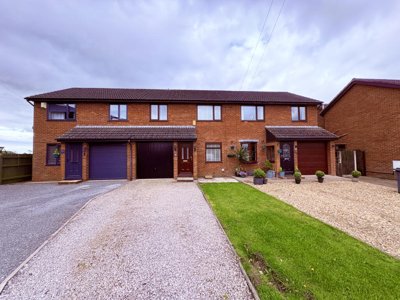
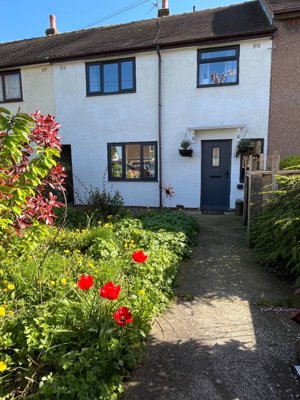
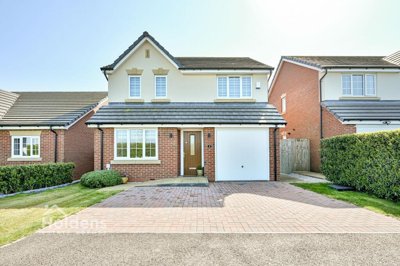
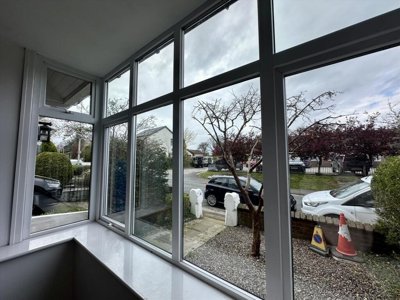
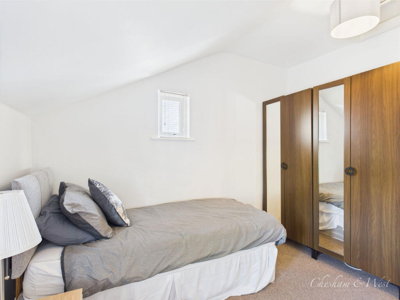
Browse 5 rental homes to rent in Upper Rawcliffe-with-Tarnacre from local letting agents.
The Upper Rawcliffe With Tarnacre property market offers detached, semi-detached, and terraced houses spanning various price ranges and neighbourhoods. Each listing includes detailed property information, photographs, and direct contact with the marketing agent.
Upper Rawcliffe-with-Tarnacre lets on a much smaller scale than an urban patch, so available stock is usually thin on the ground. In the surrounding area, values point to the premium attached to this rural setting. Recent sold data from neighbouring Out Rawcliffe shows detached properties averaging £525,000, with semi-detached homes at around £175,000. Within the PR3 0UJ postcode area, notable sales include a substantial detached property at Crabtree Farm for £665,000 in December 2020, and another detached home at Swallow Barn for £480,000. Those figures help explain why rental homes in the parish are keenly priced and regularly sought after.
Most rental homes in Upper Rawcliffe-with-Tarnacre are the sort of properties people expect in this part of Lancashire, traditional farmsteads, converted barns, period cottages, and the odd modern house in a small residential cluster. Stone-built detached and semi-detached homes make up the bulk of what comes to market, which ties in with the area's agricultural past. A good number date from the 18th and 19th centuries, the period when agricultural expansion reshaped the Lancashire plain into productive farmland. Rents tend to reflect the appeal of rural living here, and larger family houses usually sit at the top end because there are so few of them.
Demand stays firm, helped by professionals commuting to Preston or Lancaster who want village life rather than a town address. We keep our listing information updated continuously, so fresh rental properties show up as soon as they reach the market. Property alerts matter here, because in a competitive niche market like this, a good rental can be agreed within days of listing. We also work closely with local letting agents, giving landlords broad exposure and renters a better shot at finding the right rural home quickly.

Scattered farmsteads, old stone buildings, and wide views across the Lancashire plains towards the Bowland Fells define Upper Rawcliffe-with-Tarnacre. It sits within the Wyre borough, one of Lancashire's largest local authority areas by geographic size, so the countryside feel is real rather than cosmetic. The local building style has been shaped by centuries of farming, with sandstone used so often that the parish carries a distinctive warm golden tone. There is history in the fabric too, White Hall, formerly Upper Rawcliffe Hall, was rebuilt in the 1850s, a neat example of the Victorian era's mark on the area.
Daily life here depends a lot on the surrounding settlements for practical needs. The nearby town of Great Harwood and the village of Kirkham provide supermarkets, pharmacies, and medical practices within a short drive. Close by, the Grade I listed Church of St Michael in St Michael's on Wyre shows off remarkable medieval sandstone craftsmanship and speaks to the area's long settlement history. Built from locally quarried sandstone, it remains a visual focal point for the wider rural community and still hosts regular services and community events through the year.
The social side of rural Lancashire is easy to see around here. Traditional pubs serving local ales and solid Lancashire food give people somewhere to gather at weekends, while agricultural shows and village fetes keep the community calendar busy. The River Wyre is nearby as well, bringing scenic walking routes and angling opportunities. Then there is the landscape itself, especially at sunset, when the skies over the Lancashire plain and the Bowland Fells behind the golden sandstone buildings make the parish memorable.

Families looking to rent in Upper Rawcliffe-with-Tarnacre have a fair spread of schools within driving distance. For younger children, several village primaries serve the surrounding area, and many rural Lancashire schools are known for strong standards and the close-knit feel that comes with smaller class sizes. Catchment matters, though. Admissions in rural areas can be competitive because places are limited, so it is sensible to check each boundary carefully. In the wider Wyre area, several primary schools have been rated Good or Outstanding by Ofsted, which gives families some confidence on quality.
For secondary education, families usually look towards Poulton-le-Fylde, Kirkham, and Penwortham. These are reachable by school transport or by car. Kirkham Grammar School remains a draw for selective placements, with results that bring in families from across the Fylde coast and neighbouring rural districts. Lancashire's grammar school system also leads some households to consider schools in Preston and elsewhere, where qualifying students from the Upper Rawcliffe-with-Tarnacre area can win places. The transport links are established, even if journey times are often longer than they would be in an urban setting.
Older students generally head towards Preston for sixth form and further education, where colleges offer a broad mix of A-level and vocational courses geared towards university or work. Myerscough College near Bilsborrow is especially relevant locally, given its land-based and sports courses and the fit with the rural character of Upper Rawcliffe-with-Tarnacre. Agriculture, animal care, and countryside management are obvious examples. Before committing to a tenancy, families should check with the Lancashire County Council admissions team for the latest catchment boundaries and any planned changes to school organisation, because rural provision can shift with demographics and funding.

Upper Rawcliffe-with-Tarnacre manages to be quiet without feeling cut off. The M6 is close enough to make commuting practical, with direct routes north to Lancaster and the Lake District and south towards Preston, Manchester, and the wider motorway network. By car, Preston city centre is usually around 30 minutes away, which keeps the county town and its business parks within daily reach. There is also the A59 through nearby villages, a more scenic road to Preston that continues east towards the Yorkshire Dales by way of Clitheroe.
Public transport exists, but it is no substitute for a car in most households. Buses link the surrounding villages with nearby market towns, though service levels are much lighter than in urban areas. The 89 bus service connects Kirkham and Preston at decent intervals, but evenings and weekends often need more planning. Rail options come from nearby stations, especially Preston, where Virgin Trains services run to London, Manchester, Birmingham, and Glasgow. Salwick and Kirkham and Wesham also sit on the Preston to Lancaster line, which is useful for regional journeys.
Cycling has become easier across rural Lancashire in recent years, although there are still no dedicated cycle paths serving Upper Rawcliffe-with-Tarnacre itself. Confident cyclists often make good use of the quiet country lanes, and the generally flat ground of the Lancashire plain helps. Many residents cycle into nearby villages for everyday errands. For longer trips, Park and Ride at Preston stations can work well. Between the M6 and the A59, the parish gives residents real flexibility if work or family commitments pull them in different directions.

Before viewings start, we usually suggest speaking to a mortgage broker or financial adviser and getting a rental budget agreement in principle in place. It sets out what can realistically be afforded each month and shows landlords and letting agents that finances have already been considered. In a rural market where competition can be sharp, that early groundwork can make a real difference.
It is worth spending proper time in Upper Rawcliffe-with-Tarnacre and the nearby villages before making any decision. A quick drive-through rarely tells the full story. Visiting at different times of day and on different days of the week gives a truer sense of the community, the amenities, the commute, and the school catchments. Where possible, local conversations help too, especially on practical issues such as broadband speeds and how GP registration works in this part of Lancashire.
Local agents in Kirkham, Great Harwood, and Poulton often handle homes in the surrounding rural parishes, so early registration is sensible. We recommend sending over financial paperwork at the outset, because well-presented country rentals can attract several enquiries in very little time. A good relationship with those agents can also mean hearing about a property before it reaches the main portals.
Once a suitable place appears, moving quickly matters. Book the viewing promptly, then note the condition of the property, the lease terms, the deposit requirement, and any clauses covering pets, smoking, or alterations. EPC ratings are worth checking, along with any planned maintenance works that could affect day-to-day living. In older rural homes especially, it helps to be clear about where the landlord's responsibilities end and the tenant's begin.
After finding the right property, the next step is the application. Usually that means references, proof of income, and the rental budget agreement being submitted together. Most landlords or agents will then run credit checks, verify employment, and ask for references from previous rentals. Self-employed applicants should be ready with accounts or tax returns that show income is stable and sustainable.
Read the tenancy agreement carefully before anything is signed. The term length, the rent, the deposit protection scheme details, and any special conditions all need checking. By law, the deposit must be placed in a government-approved scheme within 30 days of receipt. It is also wise to get a copy of the inventory check-in report and keep photographs of any existing damage, so there is a clear record of what was already there when the tenancy started.
Rural Lancashire lettings come with a few checks that matter more here than they might in a town. Flood risk is one of them, especially for properties near watercourses or in low-lying fields that may be vulnerable in periods of heavy rainfall. The Environment Agency flood maps are worth reviewing for the exact address, and landlords should be asked directly about any past flooding or resilience measures. With the River Wyre and its tributaries having caused localised flooding in lower areas before, a clear picture of flood history and elevation is important for long-term planning.
Living beside farmland has its advantages, but it also brings the realities of working countryside. Early starts on nearby farms, seasonal machinery noise, and occasional rural odours are part of the package rather than an exception. It is sensible to ask neighbours about current farming activity and whether any planning applications for new agricultural buildings or intensification have been lodged recently. If the property comes with land or a larger garden, we also advise clarifying maintenance expectations with the landlord before the tenancy begins.
Older rural buildings often need a different mindset from newer homes. Sandstone construction, seen throughout this area, is attractive and very much part of local character, but it can demand more maintenance than a modern build. Traditional methods and materials often come with quirks that do not match current standards exactly. Roof condition deserves particular attention, especially where former agricultural buildings have been converted for residential use and may include non-standard features. Knowing the maintenance history, and any unresolved issues, before signing can help avoid arguments later in the tenancy.

Because this is such a small rural parish, hard rental evidence is limited, so the best guide usually comes from Out Rawcliffe and the wider Wyre market. Nearby detached homes have sold for between £480,000 and £665,000 in recent years, while semi-detached properties have been around £175,000. That level of value points to stronger monthly rents for good detached houses, with smaller cottages and terraced homes usually sitting at more accessible levels. For current figures by size and type, local letting agents remain the best source.
For council tax, properties in Upper Rawcliffe-with-Tarnacre fall under Wyre Borough Council and Lancashire County Council. Across rural Lancashire, homes commonly range from bands A to E, and many traditional stone cottages and farmhouses sit in bands B to D because of their age, character, and solid construction. The exact band will depend on the valuation and when the property was built, with some newer developments potentially higher. Before agreeing a tenancy, it is worth asking the landlord or agent for the confirmed band, as that feeds straight into monthly budgeting.
Schooling nearby is one of the practical draws for some families. Several village primary schools serve younger children, and a number have secured Good Ofsted ratings in recent inspections. Great Harwood and Kirkham both have established primaries with solid reputations locally. For secondary education, there are options in Poulton-le-Fylde, selective places at Kirkham Grammar School, and schools in Preston reached by school transport. Catchment areas should still be checked with Lancashire County Council, because rural school organisation can change, and Preston also provides broad post-16 provision through sixth form and further education.
The transport picture is straightforward, rural setting first, convenience second. Bus links connect the surrounding villages with market towns, but the limited frequency means most residents treat car ownership as essential. The 89 bus route gives regular travel between Kirkham and Preston, although evening services often need planning ahead. Rail access is closest at Preston and at Kirkham and Wesham, both useful for wider national connections. By road, the nearby M6 puts Preston within 30 minutes and Manchester at approximately an hour.
For people who want proper countryside living without being completely remote, Upper Rawcliffe-with-Tarnacre has a lot going for it. The parish combines quiet, open scenery, and a strong sense of place with workable access to jobs, schools, and town facilities. Rentals are scarce simply because there are not many homes here, and demand from families drawn to village life stays high. The reward for securing a tenancy is the setting itself, strong community ties, attractive countryside, and a slower rhythm than most urban areas can offer.
In England, the standard tenancy deposit is usually set at five weeks' rent, with the cap at £5,000 where annual rent is below £50,000. That deposit must go into a government-approved Tenancy Deposit Protection scheme within 30 days of the landlord receiving it. Depending on the property, there may also be costs such as referencing fees, letting agent admin charges, and the first month's rent in advance. We generally suggest sorting out a rental budget agreement in principle early, so the full financial commitment is clear from the start.
The rental stock here is shaped by the history of the parish. Traditional Lancashire farmsteads, converted barns, period cottages, and occasional modern homes in small residential clusters make up most of what comes to market. Stone-built detached and semi-detached properties are especially common, reflecting the agricultural heritage of Upper Rawcliffe-with-Tarnacre. Many rentals sit within historic farm complexes converted with care, often keeping exposed beams, stone walls, and original fireplaces. Where newer homes do appear, they are usually part of small-scale developments or conversions that fit the rural character rather than jar with it.
Broadband can be one of the biggest practical variables in Upper Rawcliffe-with-Tarnacre. Speeds differ sharply depending on the exact address and the available infrastructure. Homes in the main village areas may get reasonable service, while more isolated farmsteads can end up relying on satellite broadband or mobile data. Before a tenancy is agreed, it is sensible to ask the current occupiers or landlord what real-world speeds they get and which providers cover the property. Most homes have mains water, electricity, and gas, though some of the more remote ones may instead use oil heating or private water supplies.
Getting the full cost of renting clear at the outset makes budgeting much easier. The deposit, usually five weeks' rent, acts as protection for the landlord against damage or unpaid rent once the tenancy ends. It has to be held in a government-approved scheme and should be returned within 10 days of both sides agreeing the final amount, less any valid deductions for damage beyond fair wear and tear or for rent arrears. Typical deductions include unpaid utility bills, cleaning where a property is left dirty, and repairs needed because of damage during the tenancy.
There is more to find than the deposit alone. First-month rent in advance is standard, so moving in often means having funds ready for at least six weeks of rent. Letting agent fees are now restricted for ordinary referencing and administration by the Tenant Fees Act, but extra services or premium property searches can still bring charges. Then there are moving costs, possible furniture purchases where a home is unfurnished, and utility or internet connection charges. If heating runs on oil or bottled gas, fuel delivery also needs to be built into the monthly figures.
We advise arranging a rental budget agreement in principle before the property search gets going. It gives a clear upper limit on what can comfortably be paid each month and helps show landlords that finances are credible. In Upper Rawcliffe-with-Tarnacre, where competition for rentals can be strong, a pre-approved budget often helps an application stand out. Some rural landlords may also ask for a guarantor, particularly on larger family homes, so knowing that early can prevent avoidable delays later.
From 4.5%
Expert financial guidance from our team helps with working out an affordable rent level and getting a rental budget agreement in principle in place.
From £29
Our complete reference checks can speed up the rental application and give landlords confidence in suitability.
From £85
An Energy Performance Certificate gives the landlord the required document for rental properties.
From £120
Our detailed check-in report records the condition of the property clearly, helping to protect the deposit at the end of the tenancy.
Properties to Rent In London

Properties to Rent In Plymouth

Properties to Rent In Liverpool

Properties to Rent In Glasgow

Properties to Rent In Sheffield

Properties to Rent In Edinburgh

Properties to Rent In Coventry

Properties to Rent In Bradford

Properties to Rent In Manchester

Properties to Rent In Birmingham

Properties to Rent In Bristol

Properties to Rent In Oxford

Properties to Rent In Leicester

Properties to Rent In Newcastle

Properties to Rent In Leeds

Properties to Rent In Southampton

Properties to Rent In Cardiff

Properties to Rent In Nottingham

Properties to Rent In Norwich

Properties to Rent In Brighton

Properties to Rent In Derby

Properties to Rent In Portsmouth

Properties to Rent In Northampton

Properties to Rent In Milton Keynes

Properties to Rent In Bournemouth

Properties to Rent In Bolton

Properties to Rent In Swansea

Properties to Rent In Swindon

Properties to Rent In Peterborough

Properties to Rent In Wolverhampton

Enter your details to see if this property is within your budget.
Loans, cards, car finance
Estimated property budget
Borrowing + deposit
You could borrow between
Typical borrowing
Monthly repayment
Est. at 4.5%
Loan-to-value
This is an estimate only. Your actual budget may vary depending on interest rates, credit history, and personal circumstances. For an accurate affordability assessment, speak to one of our free mortgage advisors.
This calculator provides estimates for illustrative purposes only and does not constitute financial advice. Your home may be repossessed if you do not keep up repayments on your mortgage. Estimates based on 4.5% interest rate, repayment mortgage. Actual rates depend on your circumstances.
Homemove is a trading name of HM Haus Group Ltd (Company No. 13873779, registered in England & Wales). Homemove Mortgages Ltd (Company No. 15947693) is an Appointed Representative of TMG Direct Limited, trading as TMG Mortgage Network, which is authorised and regulated by the Financial Conduct Authority (FRN 786245). Homemove Mortgages Ltd is entered on the FCA Register as an Appointed Representative (FRN 1022429). You can check registrations at NewRegister or by calling 0800 111 6768.

We use cookies to show you personalised content and improve your experience of our website. Find out more in our Privacy policy and Cookie policy.