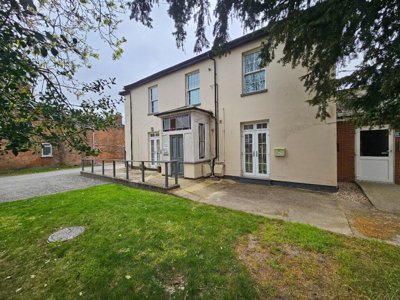
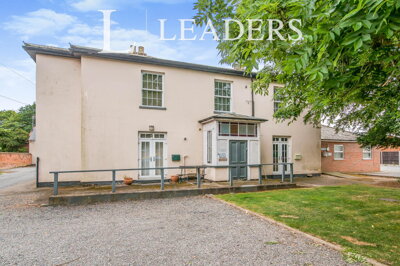
Browse 2 rental homes to rent in Tydd St. Mary from local letting agents.
Mary from local agents. The 2 bed flat sector typically includes two separate bedrooms, dedicated living areas, and bathroom facilities. Properties in Tydd St. Mary span purpose-built blocks, converted period houses, and modern apartment complexes on various floors.
Tydd St. Mary’s rental market follows the wider pattern seen across South Holland, just at the quieter, village end of the scale. Average property prices locally are around £290,000 for ownership, with detached homes at approximately £350,000 and semi-detached properties around £220,000. Those figures give useful background for renters judging local value, even though rents still depend on the type of home, its condition, and its exact position in the village. Average prices have risen by 2.5% over the past twelve months, which points to steady demand rather than a volatile market.
Most rental homes in Tydd St. Mary are detached or semi-detached, which fits the village’s residential, rural character. Terraced houses appear less often, and flats are unusual in this setting. The stock ranges from pre-1919 farmhouses and cottages near the village centre, through post-war homes built from 1945 to 1980, to later infill properties constructed after 1980. For renters, that means a real choice between period detail and more modern layouts, fittings, and insulation.
Over the past twelve months, approximately 30 properties have changed hands in Tydd St. Mary, giving the local sales market a steady pulse that often feeds into rental demand. Tenants are commonly drawn by work in agriculture, food processing, or logistics, with others commuting to Wisbech or Spalding. Anyone looking for a longer tenancy should think carefully about where the job opportunities sit, as that can shape the right lease length and the most practical part of the village to live in.
Fenland living has its own quirks, and Tydd St. Mary is no exception. The village sits in a low-lying landscape, with clay, silt, and peat deposits beneath it, so property condition and ongoing maintenance deserve close attention. A high water table is part of life in this part of the Fens, particularly after heavy rain or when local drainage channels are under strain.
Local clay soils can shrink and swell, so foundations in Tydd St. Mary need a sharper eye, especially in older homes built before current building regulations. Where clay content is significant, changes in soil moisture can lead to ground movement, seen as subsidence or heave. Renters should look out for cracks in walls, doors or windows that start to stick, and other structural signs, then report them quickly to the landlord. Mature trees and large shrubs nearby can raise the risk, as their roots draw moisture from the soil through the year.
Flood risk is one of the main practical checks for anyone renting in Tydd St. Mary. The village lies within the flood plain of the River Nene and its tributaries, so homes close to watercourses such as the Tydd St Mary Drain can carry a higher risk during severe weather. Surface water flooding is also possible on the flat terrain if drainage systems cannot cope, and groundwater flooding matters too because of the saturated nature of the underlying geology. Coastal flood defences around The Wash help the wider area, but we would still ask about past flooding and any measures already in place at the specific property.

Daily life in Tydd St. Mary has a distinctly rural rhythm. The village takes its name from the Church of St Mary, a Grade I listed building that remains both a place of worship and a major piece of local heritage. Its long history gives the village centre a fixed point, and the surrounding older houses and cottages add to that sense of continuity. Compared with newer development in nearby towns, Tydd St. Mary feels more settled and individual. Many renters moving out of busier places value that slower pace, the quieter streets, and the easier access to open countryside.
Agriculture still shapes Tydd St. Mary and the land around it. Across the Fenland flats, long views, drainage channels, and dykes are part of the scenery as much as the fields themselves. Farming supports local suppliers, farm shops, and related trades, and it remains an important source of work for residents. Wisbech and Spalding are close enough by car for bigger shops and services, while the village keeps the calm that people often come here for.
Most residents use what they can locally, then travel to nearby towns for wider shopping, healthcare, and entertainment. South Holland district provides the council services and community facilities that support the village. For families, the quiet lanes and surrounding countryside offer space that is hard to find in a town. Weekends often mean footpaths, local pubs, church or village hall events, and the sort of informal community life that depends on people turning up.
Red brick is a strong part of the built character in Tydd St. Mary. Many homes use the traditional Fenland brick, often handmade from local clay deposits, giving the village its warm, familiar look. Clay or concrete roof tiles are common too, reflecting the practical choices made by local builders over many generations. Around the older centre, some properties bring in local stone or render, so the streets do not feel uniform.
Construction in Tydd St. Mary changes noticeably by age. Pre-1919 houses in the village centre are more likely to have solid walls rather than the cavity walls used in later buildings. Solid walls do not perform like cavity construction for insulation, so heating costs and internal comfort can feel different in older homes. Renters viewing period properties should remember that solid wall insulation is not a simple fix, and works to heritage properties may need listed building consent.
Homes built after the war in Tydd St. Mary brought in cavity walls, concrete ground floors, and construction methods with better thermal and structural performance. The 1945-1980 stock often sits between older solid wall cottages and later insulated cavity wall houses. Timber roof structures are found across the village, though older timbers need checking for woodworm or wet rot, particularly where they have had decades of damp exposure.
Families looking at rentals in Tydd St. Mary should plan schooling before they sign. Primary education is usually in nearby villages or towns, with many children attending schools across the wider South Holland district. That often means arranging transport, either through the local council’s school transport service or through parental drop-offs along country lanes. Catchment areas and admissions policies can make a big difference to daily routines, so parents should check them for each primary school linked to a potential address.
For secondary education, families tend to look towards market towns such as Spalding, where GCSE and A-Level courses serve pupils from across South Holland. The journey is usually longer than the primary school run, with many pupils using school buses to reach Spalding grammar schools or secondary modern establishments. Further and higher education options are also reachable from the Lincolnshire countryside around Tydd St. Mary by car or public transport. We would check Ofsted reports and individual school performance data before committing to a rental where education is a priority.
Because Tydd St. Mary has a small population, school transport can become part of the weekly routine, particularly for secondary education where local options are more limited. A rental close to a bus route used by school services can make family life far easier. Even with that planning, the village remains attractive to many families because of its safer streets, outdoor space, and close community feel.

Transport from Tydd St. Mary is mainly road-based, as you would expect in this part of the Fens. The A47 is the key route to the north and west, linking the village with Wisbech and carrying traffic onwards to Peterborough and the wider Cambridgeshire road network. Peterborough is approximately 45 minutes away by car, so daily commuting can work for people based in the city. Cycling suits the flat Fenland terrain, although wind, rain, and winter light levels mean riders need to prepare properly.
Bus services connect Tydd St. Mary with nearby market towns, which matters for residents without private vehicles. They usually run far less often than town routes, so renters should study timetables before relying on them for work or shopping. The nearest railway stations are in larger towns, with Peterborough giving access to London and major cities including Leeds, Newcastle, and Birmingham. Before renting here, we would map out the regular journeys, not just the occasional ones.
Wisbech is approximately 20 minutes away by car, bringing supermarkets, healthcare, and more jobs in retail and logistics within reach. Spalding lies a little further north and offers comparable services, plus secondary schools and further education colleges. For some tenants, especially those working in agriculture or food processing, employment in the surrounding farmland may mean little need for a long commute.
Before booking viewings in Tydd St. Mary, get a rental budget agreement in principle so you know the monthly figure you can support. Landlords tend to take applicants more seriously when the finances are already clear, and the process can move faster. These agreements usually look at income, existing commitments, and credit history to set a realistic monthly rental ceiling.
Spend time in Tydd St. Mary before deciding it is the right fit. Walk the village, use the local shops if available, test the journey to work, and ask residents what day-to-day life is really like. A visit at different times of day can tell you more than a listing description, especially in a rural village where transport and amenities shape the routine.
Once you know what you are looking for, contact estate agents and landlords about available rental homes in Tydd St. Mary. View more than one property if possible, as condition, maintenance standards, and rent can vary. Take notes and photographs during each viewing, and ask direct questions about past repairs, recent upgrades, and any recurring issues at the property.
Because of the Fenland setting, property condition deserves a proper check before you sign. Tydd St. Mary homes can have damp linked to high water tables, foundation movement caused by ground conditions, or age-related wear that is not obvious at first glance. For older properties, we would consider a professional survey so any defects likely to affect the tenancy are identified early.
After you choose a property, the landlord will normally ask for references, proof of income, and possibly a tenant referencing check. Have documents ready and answer requests quickly so the rental is not delayed. Referencing typically takes one to two weeks, then the tenancy agreement can be signed and the move-in date confirmed.
Before you take the keys, complete a detailed inventory covering condition, fixtures, and fittings. It protects both sides by making it clear what was already there at the start of the tenancy. Take dated photographs in every room, record existing damage or wear and tear on the inventory form, and make sure both you and the landlord sign the final version.
Renting in Tydd St. Mary means paying attention to local conditions, not just the rent and room sizes. Its Fenland position brings flood risk and ground movement into the conversation. Homes near watercourses such as the Tydd St Mary Drain may carry higher flood risk, so ask about previous incidents and any flood protection already installed. Beneath the village, clay and peat deposits can contribute to subsidence or heave where foundations are not adequate.
The age range of Tydd St. Mary housing is wide, and many homes were built before modern building regulations and construction standards. Older properties may have solid walls rather than cavity walls, which affects insulation and heating costs. Wiring and plumbing in period homes may be original, partly renewed, or fully updated, so renters should confirm which maintenance and upgrade responsibilities sit with the landlord during the tenancy. A thatched roof or local stone construction can also mean specialist insurance and maintenance arrangements rather than standard rental upkeep.
Defects found in Tydd St. Mary often reflect both the Fenland environment and the village’s construction history. Rising damp and penetrating damp are common concerns in older homes because of the high water table, making ventilation and damp-proof course condition important. Period roofs may show slipped tiles, failing pointing, or deteriorated felt during a survey. Timber can reveal woodworm or wet rot where moisture has entered, especially in homes with solid ground floors or poor roof ventilation. Older consumer units and wiring below current standards are also seen in many pre-1970s properties in the village.

Specific rental price data for Tydd St. Mary was not available, but village rents sit within the broader South Holland context where owner-occupied average prices are around £290,000. Detached homes usually attract the highest rents, semi-detached houses tend to sit lower, and terraced properties are generally the most affordable option where available. The final rent still depends on size, condition, position in the village, and any included features. We recommend checking current listings with local estate agents for an accurate figure matched to your requirements.
For council tax, Tydd St. Mary properties fall under South Holland District Council. Bands in the village run from A through to H, depending on the assessed value of the home. Historic properties in the village centre may sit in different bands from more recent houses. Any renter considering a specific address should check the exact council tax band, as it forms part of the monthly cost alongside rent.
Tydd St. Mary does not have its own primary or secondary school on-site, so children usually travel to schools in nearby villages and towns. Local primary schools serve the surrounding catchment area, and some families weigh academic performance alongside distance. Secondary options include schools in Spalding and Wisbech, both reachable by school transport from the village. Parents should look at individual Ofsted ratings and admissions policies, as catchments can be competitive for popular schools.
Public transport from Tydd St. Mary consists of local buses to nearby market towns, but frequencies are lower than in urban areas and services typically run every few hours rather than all day. For most daily commuting, the village is car-dependent. The A47 gives road access to Wisbech and then onwards to Peterborough, where regular trains connect to London and other major cities. The nearest railway stations are in larger towns, with Peterborough offering direct services to London Kings Cross. Renters without a car should check the bus timetable against work, school, and shopping needs before committing.
Tydd St. Mary suits renters who want a genuine Fenland village setting, with rural character, big skies, and a community where neighbours are more likely to recognise one another. It is quiet, traditional, and removed from urban pressure. The trade-off is limited local amenities, plus reliance on nearby towns for many services. Commuting to Peterborough or Cambridge can be realistic by car, but anyone working in a major employment centre should be honest about travel times and the need for private vehicle access.
In England, standard rental deposits are capped at five weeks rent where annual rent is below £50,000, so most Tydd St. Mary rentals are likely to sit within that threshold because village rents remain modest. The deposit is held in a government-approved scheme and returned at the end of the tenancy, subject to deductions for damage or unpaid rent. Other upfront costs may include referencing fees, letting agent administration charges, and the first month's rent upfront. Renters should also allow for removals when working out the full cost of moving.
Fenland conditions make certain checks especially important in Tydd St. Mary properties. Damp from high water tables and possible flooding near watercourses can affect homes close to the Tydd St Mary Drain. Clay and peat soils can cause subsidence or heave, with warning signs such as wall cracks, sticking doors or windows, and uneven floors. Older homes may also have outdated electrics, consumer units below current safety standards, original plumbing, or heating systems that need updating. For period properties, a thorough inspection and survey can pick these up before the tenancy agreement is signed.
Get pre-approved for your rental budget before searching
From 4.5%
Complete referencing checks required by landlords
From £25
Identify defects in older properties with a professional survey
From £450
Check energy performance before committing to a tenancy
From £80
The cost of renting in Tydd St. Mary goes beyond the monthly rent, so deposits, fees, and first payments need to be planned early. Under the tenant fees ban in England, security deposits are capped at five weeks rent for properties with annual rent below £50,000, which means most homes in Tydd St. Mary fall inside this threshold. The deposit must be kept in a government-approved scheme and returned at the end of the tenancy, unless deductions are made for damage or unpaid rent. Good move-in records, including photographs, help renters challenge unfair claims at the end of the tenancy.
First-time renters in England may hear about stamp duty land tax relief on properties up to £425,000, but that mainly applies to buying rather than renting. For tenants, the relevant extras are reference checks, administration fees charged by letting agents, and inventory reports at check-in and check-out. A rental budget agreement in principle helps show what you can afford and signals serious intent to landlords. In Tydd St. Mary, where available rentals may receive several applications, that can make a practical difference.

Properties to Rent In London

Properties to Rent In Plymouth

Properties to Rent In Liverpool

Properties to Rent In Glasgow

Properties to Rent In Sheffield

Properties to Rent In Edinburgh

Properties to Rent In Coventry

Properties to Rent In Bradford

Properties to Rent In Manchester

Properties to Rent In Birmingham

Properties to Rent In Bristol

Properties to Rent In Oxford

Properties to Rent In Leicester

Properties to Rent In Newcastle

Properties to Rent In Leeds

Properties to Rent In Southampton

Properties to Rent In Cardiff

Properties to Rent In Nottingham

Properties to Rent In Norwich

Properties to Rent In Brighton

Properties to Rent In Derby

Properties to Rent In Portsmouth

Properties to Rent In Northampton

Properties to Rent In Milton Keynes

Properties to Rent In Bournemouth

Properties to Rent In Bolton

Properties to Rent In Swansea

Properties to Rent In Swindon

Properties to Rent In Peterborough

Properties to Rent In Wolverhampton

Enter your details to see if this property is within your budget.
Loans, cards, car finance
Estimated property budget
Borrowing + deposit
You could borrow between
Typical borrowing
Monthly repayment
Est. at 4.5%
Loan-to-value
This is an estimate only. Your actual budget may vary depending on interest rates, credit history, and personal circumstances. For an accurate affordability assessment, speak to one of our free mortgage advisors.
This calculator provides estimates for illustrative purposes only and does not constitute financial advice. Your home may be repossessed if you do not keep up repayments on your mortgage. Estimates based on 4.5% interest rate, repayment mortgage. Actual rates depend on your circumstances.
Homemove is a trading name of HM Haus Group Ltd (Company No. 13873779, registered in England & Wales). Homemove Mortgages Ltd (Company No. 15947693) is an Appointed Representative of TMG Direct Limited, trading as TMG Mortgage Network, which is authorised and regulated by the Financial Conduct Authority (FRN 786245). Homemove Mortgages Ltd is entered on the FCA Register as an Appointed Representative (FRN 1022429). You can check registrations at NewRegister or by calling 0800 111 6768.

We use cookies to show you personalised content and improve your experience of our website. Find out more in our Privacy policy and Cookie policy.