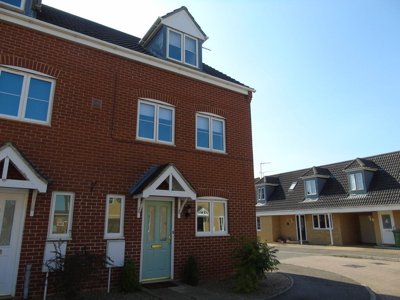
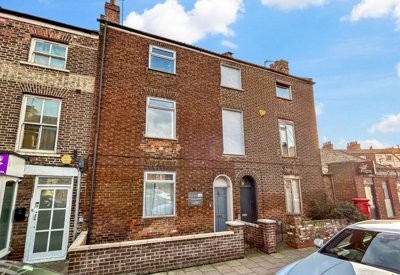
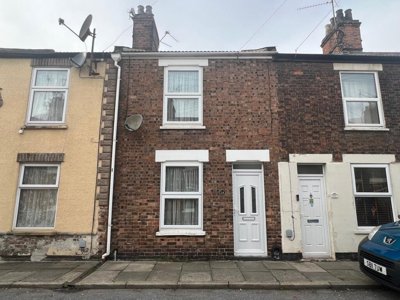
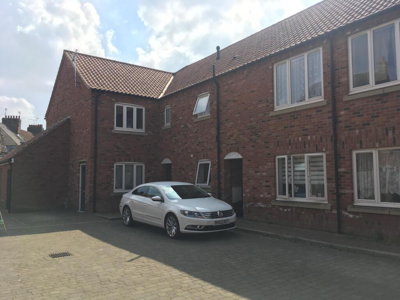
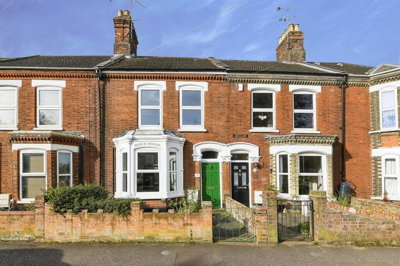
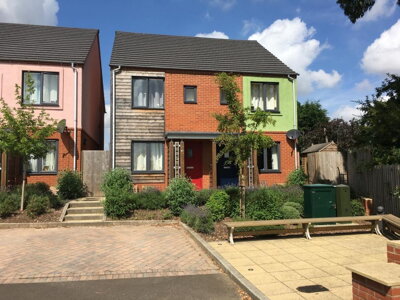
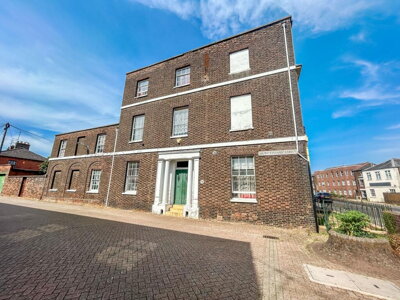
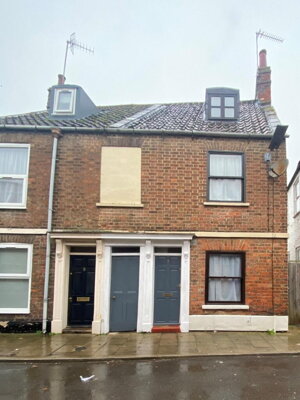
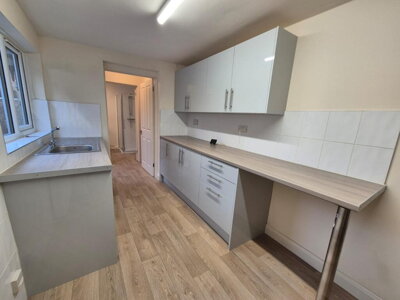
Browse 18 rental homes to rent in Tilney All Saints from local letting agents.
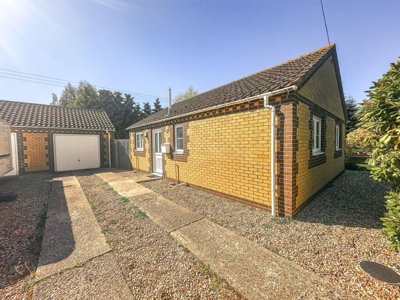
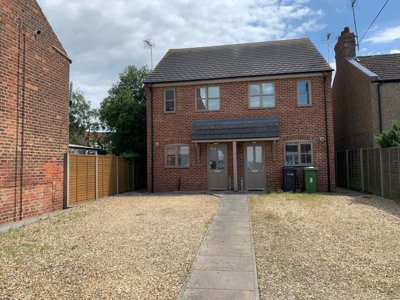
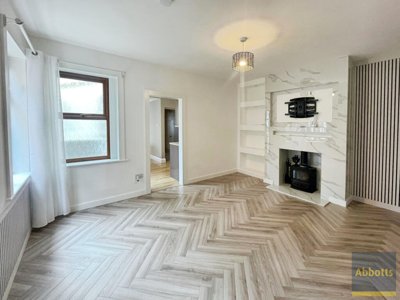
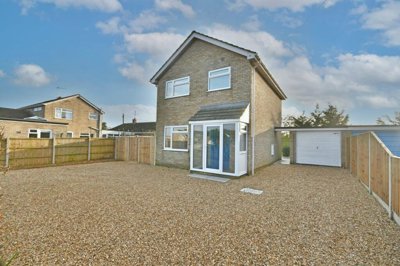
The Tilney All Saints property market offers detached, semi-detached, and terraced houses spanning various price ranges and neighbourhoods. Each listing includes detailed property information, photographs, and direct contact with the marketing agent.
Tilney All Saints has seen notable price shifts in recent years, with average house prices down by 7% over the last twelve months. homedata.co.uk records an average sold price of £430,929 for the area, while home.co.uk puts the overall average at £291,300, a reflection of the mix of property types and recent sales in this rural postcode. That sort of movement feeds straight into the rental market, since property values shape landlord pricing and expected yields. Current conditions lean towards buyers on purchase, and tenants can sometimes see that feed through into sharper rental pricing.
In Tilney All Saints, the rental stock includes traditional detached and semi-detached homes that fit the Norfolk fenland villages well. Detached properties in the area have sold at an average of £284,750, with semi-detached homes reaching around £317,500 according to recent home.co.uk listings data. What turns up to rent is usually a mix of period cottages with original features, converted farm buildings, and purpose-built family homes from throughout the twentieth century. Because the village housing stock is mainly older, renters may want to arrange appropriate surveys so they understand condition and maintenance needs before signing up for a longer lease.
Most rental homes in Tilney All Saints date from the nineteenth or early twentieth century, and many use Norfolk brick or flint with fireplaces, flagstone floors, and exposed beams still in place. There are no significant modern new-build schemes within the village's immediate boundaries, so the available stock is mostly period property, with different levels of maintenance and modernisation needed. That means prospective tenants should allow for possible repairs, or agree clearly with the landlord who handles maintenance before they sign the tenancy.

Set in West Norfolk, Tilney All Saints sits among rich agricultural fenland, historic market towns, and the Wash coastline. The village keeps a classic Norfolk rural feel, with a parish church at its centre, quiet country lanes, and the easy pace of countryside living. Smaller places like this tend to build a strong community, and parish councils, village hall events, and local gatherings give people regular chances to meet. Everyday amenities are found in nearby villages, while King's Lynn, approximately eight miles distant, offers more.
For days out, West Norfolk delivers plenty, and the Norfolk Coast Area of Outstanding Natural Beauty is within easy driving distance, with beaches, coastal paths, and wildlife habitats at Hunstanton, Brancaster, and Holkham. King's Lynn adds supermarkets, healthcare, retail shopping, and cultural stops such as the Custom House and True's Yard Fisherfolk Museum. If you want a quiet village base without losing access to town facilities, Tilney All Saints sits in a very appealing spot in one of England's finest rural counties.
Road links place the village between King's Lynn to the east and the A17 corridor to the west, so residents can reach major employment centres without losing the feel of rural village life. West Norfolk has seen steady interest from buyers wanting more space and better value than in larger cities, and that has carried through into the rental market across villages such as Tilney All Saints. Local provision includes a village shop, pub, and community facilities, with more complete services in Terrington St Clement and King's Lynn.

Families looking to rent in Tilney All Saints have a choice of educational options within reasonable travelling distance across West Norfolk. Primary education is available at village and cluster schools in nearby communities, including Terrington St Clement, where a well-regarded primary school serves the surrounding rural parishes. These smaller schools often offer excellent pupil-to-teacher ratios and close community links, which gives younger children a supportive setting that suits village life. Parents should check catchment areas and admission arrangements for each school, as Norfolk's dispersed rural settlements do not all follow the same pattern.
Secondary education in West Norfolk is centred on King's Lynn and the nearby towns, with several secondary schools offering GCSE and A-Level programmes. King Edward VII School in King's Lynn is a major option, alongside others that provide a full educational route. For families who prioritise academic selection, Norfolk's grammar school system gives further choice, with places decided by the eleven-plus examination. Anyone renting in Tilney All Saints should speak to the local education authority about the current school allocations, catchments, and transport arrangements, because distance from rural villages can make a real difference to day-to-day routines.

By road, Tilney All Saints is tied into the network that links the village with the surrounding towns and employment centres. The A47 trunk road crosses the wider West Norfolk area, opening routes toward King's Lynn, Norwich, and Peterborough. Local roads connect the village to nearby market towns and service centres, and the drive to King's Lynn is approximately twenty minutes in normal traffic. Anyone commuting to Cambridge or Norwich should allow extra time, as journeys usually fall somewhere between sixty to ninety minutes depending on route and destination.
On public transport, local bus services connect Tilney All Saints with King's Lynn and nearby villages. They provide a useful link for residents without a car, although the timetable is thinner than you would find on urban routes. King's Lynn railway station sits on the Fen Line and offers direct services to Cambridge and London King's Cross, along with other regional links, so it acts as the main transport hub for the wider area. Renters who do not drive should check bus times carefully and think through the impact on commuting, shopping, and social plans.

Older homes dominate here, so anyone renting in Tilney All Saints should think about the age and upkeep of the property as well as the setting. Period cottages and farm buildings can bring charm, but they also need regular maintenance. Before signing a tenancy agreement, we advise looking closely for damp, something that can affect older buildings in the fenland environment. Roof condition is worth a proper check too, because repairs and replacements can be expensive and may sit with the landlord under tenancy law.
Flood risk deserves a careful look in the Tilney All Saints area. The Norfolk fenland landscape includes places with very different levels of flood risk, depending on how close they are to watercourses and how low the land sits. Homes near ditches, drains, or lower-lying ground may face higher risk, so tenants should ask about the specific flood history of any property they are considering. Buildings insurance is usually the landlord's job, but tenants still need to understand their contents insurance and protect personal belongings properly. Checking Environment Agency flood maps and talking through the issue with landlords or agents gives useful background before any tenancy is agreed.
Rural houses can come with bigger gardens or grounds, and tenants should weigh up the maintenance involved when they negotiate a lease. Norfolk brick or flint construction is common in the village, and it usually copes well with local conditions, though older housing stock can bring issues such as dated electrics and ageing heating systems. For older homes, a professional survey is a sensible move, because it can pick up structural concerns, damp problems, or other maintenance needs before a tenancy agreement is signed. Our inspectors can arrange surveys across Tilney All Saints and the surrounding West Norfolk villages, with detailed reports on condition.

Before you start a property search in Tilney All Saints, it helps to budget for the upfront costs of renting. The standard deposit amount is five weeks' rent, worked out from the monthly rental price agreed with the landlord or letting agent. That deposit must be protected in a government-approved tenancy deposit scheme within thirty days of receipt, which gives tenants legal protection against unfair deductions at the end of the tenancy. On top of that, tenants usually pay the first month's rent in advance, plus any holding deposit needed while referencing checks are carried out.
The other costs can include referencing fees from letting agents, covering credit checks, employment checks, and references from previous landlords. Tenant referencing usually costs between £100 to £200 per applicant, depending on the agency and how detailed the checks are. Inventory check fees, usually £100 to £200, pay for the check-in inspection that records the condition of the property at the start of the tenancy. Some landlords and agents still charge administration fees, although pricing is now more open after recent regulation. Anyone renting in Tilney All Saints should ask for a full breakdown before committing, and we would also suggest arranging a rental budget agreement in principle before attending viewings so landlords can see you are financially ready.
Work out what you can afford in monthly rent by speaking to lenders or using online mortgage calculators. A rental budget agreement in principle gives your application more weight when you are competing for homes in desirable villages like Tilney All Saints.
Spend some time in the village, look at the nearby amenities, and get a feel for the wider West Norfolk area before you settle on a search. Commute times, school catchment areas, and access to services are all worth weighing up before you narrow the shortlist.
Browse available rentals through Homemove, then go to viewings to judge condition, location within the village, and general suitability. Make notes and take photographs so you can compare different homes afterwards.
For older properties, a RICS Level 2 Survey can highlight structural issues, damp problems, or maintenance concerns before you commit to a tenancy. It gives useful negotiating information too, and can help you avoid surprise repair bills after you move in. Our inspectors can arrange surveys on properties across Tilney All Saints and the surrounding West Norfolk villages.
Once you have found the right property, send a full application with references, proof of income, and your rental budget agreement. Reply quickly to any requests from the agent so your application stays in the running.
Read the tenancy agreement carefully before signing, and check that the rent amount, deposit protection, maintenance responsibilities, and notice periods are all plain. After that, arrange the deposit payment and the initial rent to finish the process.
Tilney All Saints does not have rental price data pooled in the same way as sales figures, but the cost of renting usually tracks the wider West Norfolk market. Two-bedroom cottages and terraced properties generally rent from £700 to £950 per month, while larger family homes with three or four bedrooms range from £1,000 to £1,500 per month, depending on condition and where they sit in the village. Homes with gardens or rural views attract premium rents, and prices move with the seasons as demand changes. Local letting agents will have the most accurate current pricing for particular property types.
Council tax in Tilney All Saints falls under King's Lynn and West Norfolk Borough Council, which sets the rates for every property in the village. The bands run from Band A through to Band H, with most traditional cottages and smaller homes in Bands A through D, and larger or more recently built houses in the higher bands. Tenants should check the exact band with the landlord or agent, because council tax is a major part of monthly housing costs. Band A properties currently pay around £1,400 a year, while Band D properties pay approximately £1,900 per year.
Primary schools serving Tilney All Saints include nearby options such as Terrington St Clement Primary School, which caters for the cluster of villages in this part of West Norfolk. Further afield, secondary choices include King Edward VII School in King's Lynn, along with other schools that provide GCSE and post-16 education. Norfolk also runs a grammar school system for academically selective admissions. Parents should check the latest catchment areas and admission policies, as these can change and may affect places for students from rural village postcodes.
Public transport here is limited, with local bus services linking Tilney All Saints to King's Lynn and nearby villages, although the timetable is thinner than in urban areas. Services usually run at set times rather than throughout the day, so anyone relying on buses for commuting will need to plan ahead. King's Lynn railway station, approximately eight miles away, offers mainline connections to Cambridge and London King's Cross and serves as the main rail link for residents. If you do not have a vehicle, it is worth checking the current bus timetable carefully and thinking about whether it matches your day-to-day needs.
Tilney All Saints suits people looking for a peaceful village life with urban amenities still within reach. The village has real community spirit, attractive rural surroundings, and easy access to the coastline and countryside that make Norfolk so popular. It works well for remote workers, commuters to King's Lynn or the surrounding area, and anyone who simply prefers country living to town or city life. The rental market is relatively small, so competition for available homes can change quickly, and tenants need to be ready to move fast when the right place appears.
The standard deposit on rental properties in Tilney All Saints is five weeks' rent, and it must be protected in a government-approved scheme within thirty days of payment. You will also need to budget for the first month's rent in advance, referencing fees of approximately £100 to £200, and inventory check fees of around £100 to £200. Holding deposits may apply while applications are being processed, and these are typically capped at one week's rent. Add moving costs on top, and it makes sense to get a rental budget agreement in principle early on.
The fenland setting around Tilney All Saints brings different levels of flood risk, depending on proximity to watercourses and the low-lying nature of the terrain. Homes near ditches, drains, or lower-lying ground may be more exposed, so tenants should ask about the flood history of any property they are thinking about. Buildings insurance stays with the landlord, but tenants should still arrange contents insurance for their personal belongings. A look at Environment Agency flood maps, together with a conversation with landlords or agents, gives vital background before a tenancy is agreed in this area.
Most rentals in Tilney All Saints are traditional Norfolk cottages, period properties, and semi-detached family homes rather than modern apartments or new-build developments. Many date from the nineteenth or early twentieth century, with Norfolk brick or flint construction and original features like fireplaces and flagstone floors still in place. Larger detached homes and converted agricultural buildings do appear from time to time, giving families or home workers more room. King's Lynn nearby also opens up a wider range of rental property types across the surrounding area.
At viewings, look closely for damp and moisture damage, especially in the older homes that are typical of Tilney All Saints. Check roof condition, inspect window frames for rot or decay, and make sure the heating system works as it should. With period properties, original features can be part of the appeal, but they can also bring maintenance that affects the tenancy. We recommend asking the landlord or letting agent for any recent survey reports or maintenance records before you make a decision.
Compared with King's Lynn, renting in Tilney All Saints is often more competitive on price, with village homes usually coming in at 10-20% less than similar properties in town. The trade-off is fewer immediate amenities and less public transport. If you work in King's Lynn or like the convenience of town life, a vehicle will make things easier, while remote workers and those after a quieter setting often see strong value here. The market also moves more slowly than in town, so tenants usually have a little more time to decide without facing the same level of pressure.
From 4.5%
Work out your rental budget before you start searching in Tilney All Saints
From £99
Our reference checks to support a rental application
From £350
A professional property survey before you commit to a tenancy
From £75
An energy performance certificate to show how efficient the property is
Properties to Rent In London

Properties to Rent In Plymouth

Properties to Rent In Liverpool

Properties to Rent In Glasgow

Properties to Rent In Sheffield

Properties to Rent In Edinburgh

Properties to Rent In Coventry

Properties to Rent In Bradford

Properties to Rent In Manchester

Properties to Rent In Birmingham

Properties to Rent In Bristol

Properties to Rent In Oxford

Properties to Rent In Leicester

Properties to Rent In Newcastle

Properties to Rent In Leeds

Properties to Rent In Southampton

Properties to Rent In Cardiff

Properties to Rent In Nottingham

Properties to Rent In Norwich

Properties to Rent In Brighton

Properties to Rent In Derby

Properties to Rent In Portsmouth

Properties to Rent In Northampton

Properties to Rent In Milton Keynes

Properties to Rent In Bournemouth

Properties to Rent In Bolton

Properties to Rent In Swansea

Properties to Rent In Swindon

Properties to Rent In Peterborough

Properties to Rent In Wolverhampton

Enter your details to see if this property is within your budget.
Loans, cards, car finance
Estimated property budget
Borrowing + deposit
You could borrow between
Typical borrowing
Monthly repayment
Est. at 4.5%
Loan-to-value
This is an estimate only. Your actual budget may vary depending on interest rates, credit history, and personal circumstances. For an accurate affordability assessment, speak to one of our free mortgage advisors.
This calculator provides estimates for illustrative purposes only and does not constitute financial advice. Your home may be repossessed if you do not keep up repayments on your mortgage. Estimates based on 4.5% interest rate, repayment mortgage. Actual rates depend on your circumstances.
Homemove is a trading name of HM Haus Group Ltd (Company No. 13873779, registered in England & Wales). Homemove Mortgages Ltd (Company No. 15947693) is an Appointed Representative of TMG Direct Limited, trading as TMG Mortgage Network, which is authorised and regulated by the Financial Conduct Authority (FRN 786245). Homemove Mortgages Ltd is entered on the FCA Register as an Appointed Representative (FRN 1022429). You can check registrations at NewRegister or by calling 0800 111 6768.

We use cookies to show you personalised content and improve your experience of our website. Find out more in our Privacy policy and Cookie policy.