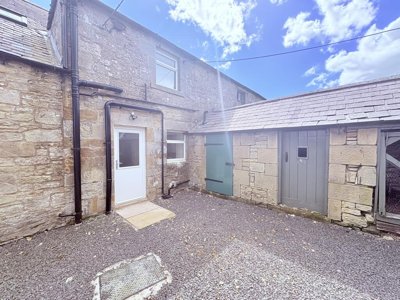
Browse 1 rental home to rent in Thropton, Northumberland from local letting agents.
The Thropton property market offers detached, semi-detached, and terraced houses spanning various price ranges and neighbourhoods. Each listing includes detailed property information, photographs, and direct contact with the marketing agent.
£0/m
0
0
0
Source: home.co.uk
Showing 0 results for Houses to rent in Thropton, Northumberland.
Thropton’s rental market mirrors the feel of this small but sought-after Northumberland village, where homes are usually detached or semi-detached. Average sale prices break down at around £391,000 for detached properties, £220,000 for semi-detached homes, and approximately £200,000 for terraced properties. Newer stock has come through at Coquet View from Ascent Homes, where 3, 4, and 5 bedroom houses are available from £219,950 to £419,950 for buyers, and comparable modern rentals do appear from time to time. Taken together, the overall average property price of £306,400 points to the premium attached to this scenic riverside setting beside Northumberland National Park.
Even in a changing market, Thropton has held up well. Property prices have risen by 1.87% over the past twelve months, according to home.co.uk listings data, which speaks to the steady pull of rural Northumberland living despite wider national fluctuation. For renters, that usually means limited but fairly settled availability, with homes more often attracting people looking for a long-term base than a short-term let. The housing stock spans everything from pre-1919 stone-built houses to mid-century homes and newer builds such as Coquet View, so depending on what comes up, we tend to see a choice between period character and modern practicality.

Available rentals in Thropton tend to fall into a few recognisable groups, shaped by the village’s mixed housing stock. Traditional stone-built cottages make up a notable share, often with flagged floors, original fireplaces, and thick walls that give strong thermal mass during the summer months. Most date from the Victorian era into the early twentieth century and commonly use the local sandstone that gives Northumberland villages their distinct look. In many cases, these cottages have been updated with modern kitchens and bathrooms without losing the original features that make them stand out.
For households needing more room, semi-detached and detached family homes usually provide the extra bedrooms and garden space people look for. Many date from the mid-twentieth century onwards, with off-street parking and larger plots often part of the package. At the newer end, Coquet View is the latest rental stock in the village, with contemporary specification, energy-efficient heating systems, modern insulation, and open-plan layouts that suit tenants who prefer newer construction. Terraced homes are less common here than in bigger towns, but they do come onto the rental market and can offer good value character accommodation at a more accessible price point.
Life here feels unmistakably Northumbrian, quiet, neighbourly, and surrounded by striking scenery. Thropton sits on the River Coquet, so residents have riverside walks and fishing close at hand, and the river is well known for salmon and trout fishing that brings in visitors from across the region. As a rural village, it has kept a traditional look, with many homes built in local sandstone that gives Northumberland its warm, honey-coloured streetscapes. Several listed buildings add to that sense of history, with structures dating back centuries helping shape the village’s overall character.
The local economy around Thropton draws on agriculture, tourism, and local services, while plenty of residents travel to nearby towns such as Rothbury or Morpeth for wider job options. Rothbury, only a few miles away, works as the main local service centre, with shops, cafes, and medical facilities, while Morpeth offers broader retail and employment. The village also benefits from its position within easy reach of Northumberland National Park, so countryside walks, hiking through the Coquet Valley, and the area’s famous dark skies designation all form part of day-to-day life. For many people, that mix of local community and open landscape matters more than urban convenience.

Families looking at a rental in Thropton will find schooling available across the local area, though travel distances depend on exactly where they are in the village. Thropton sits within the catchment for primary schools in surrounding Northumberland communities, and several well-regarded primaries in nearby villages and towns serve the wider rural population. We always suggest checking catchment areas and admission rules through Northumberland County Council's school admissions portal, because places can be competitive in popular rural locations. Rothbury’s primary school, for instance, serves neighbouring villages and has good facilities, including extensive outdoor areas that fit well with the outdoor learning opportunities in this part of Northumberland.
Secondary pupils usually travel on to Rothbury Community School or schools in Morpeth, with bus services covering the broader rural catchment area. Morpeth includes several secondary choices, among them the historic King Edward VI School, known for its strong academic reputation, while Rothbury Community School offers comprehensive education through to sixth form. For older students needing sixth form or further education, Morpeth and Alnwick both provide established routes. Renting in Thropton gives families the Northumberland lifestyle without losing access to schooling across the region, and many choose to rent first before buying once school arrangements are settled.

Getting around from Thropton is shaped by its rural setting, so most residents rely on private cars along with local bus services for everyday travel. The village is within reasonable reach of the A1 trunk road, giving straightforward access south to Newcastle upon Tyne for employment and culture, and north towards the Scottish border for cross-border work or wider connections. That makes rural living possible for people based in larger centres, although journey times of around 45 minutes to an hour need to be built into the routine. Arriva and other local operators run services linking Thropton with places such as Rothbury and Morpeth, but compared with urban routes the timetable can be thin, with typically 2-3 services per day on less frequent routes.
Rail travel means heading out of the village first. The nearest stations are Alnmouth and Morpeth, both giving East Coast Main Line access to Edinburgh, Newcastle, and London, with journey times varying by service. Alnmouth, around 20 miles from Thropton, sits on the Newcastle to Edinburgh stretch and offers direct trains to major cities, including approximately 3 hours to London King's Cross. Morpeth provides similar regular connections, which keeps the village workable for occasional commuters with flexible arrangements. Locally, the web of rural lanes and public footpaths across the Northumberland countryside makes cycling and walking useful for shorter trips and leisure, while parking in Thropton is generally good, with off-street spaces or garages common. Superfast broadband also gives the village added appeal for remote workers.

Anyone renting in Thropton should pay close attention to a few local issues, and flood risk is near the top of the list. The village sits beside the River Coquet, which runs through Thropton before continuing through Rothbury and on towards the coast at Warkworth. Homes immediately close to the river can face fluvial flood risk, and low-lying spots may also be affected by surface water flooding during heavy rainfall, especially where drainage is pushed by exceptional weather. When we view homes here, it makes sense to ask directly about past flooding and to look carefully at the siting of gardens and outside space, particularly in the wetter autumn and winter months that can affect Northumberland.
Because Thropton contains listed buildings, some homes come with planning restrictions and conservation area controls intended to protect the village’s historic character. That can limit permitted development rights and affect what tenants are allowed to change or improve without listed building consent from Northumberland County Council. Older stone houses often bring plenty of appeal, thick walls, original sash windows, traditional fireplaces, but they can also ask more of occupiers than modern homes. Damp penetration in solid wall construction without cavity insulation, ageing slate roofs, timber issues such as woodworm or wet rot, and older electrical wiring that may fall short of current standards are all matters worth checking.
Under the surface, Thropton and the surrounding part of Northumberland sit on Carboniferous rocks including sandstones, shales, and limestones, with clay soils in some places that may carry shrink-swell risk during drought or heavy rainfall. Any individual property would need its own ground investigation report for certainty, but renters should know that older homes can show signs of historic movement or settlement that may already have been repaired. Traditional solid wall construction, common in period property, behaves differently from modern cavity-wall construction, and that has a direct effect on insulation and heating performance, especially through Northumberland’s cold winters when costs can be higher. In parts of the wider county there is also historical coal mining to consider, though any specific Thropton mining legacy is best checked with local authorities or a specialist if questions come up during a viewing.

Before we start arranging serious viewings in Thropton, it helps to have a rental budget agreement in principle from a bank or building society so affordability is clear against income and existing commitments. That paperwork shows landlords and letting agents that finances have already been assessed and that the monthly rent looks manageable. In a smaller and competitive market like Thropton, being pre-approved can be the difference between getting a property and losing it to another applicant.
It helps to get a feel for Thropton both online through our platform and in person before committing to a tenancy. We would look at how close a property is to the River Coquet and what that means for flood risk, where the nearest bus stops are, how far it is to the nearest railway stations, and what day-to-day amenities are available in nearby villages and towns. A walk through the village centre, a visit to the local pub, and a few conversations with residents can tell us as much as a listing.
Once the shortlist is in place, the next step is to book viewings through local agents and our online listings platform. During each visit, we would note the overall condition, how near the property sits to the river in flood risk terms, whether there are signs of damp or timber problems, and how well the place has been maintained. For older stone homes, or any property over 50 years old, a professional survey is often worth considering before committing, simply to understand condition and possible repair costs.
Tenancy agreements need a careful read, especially around deposit protection, notice periods, which are typically one month for periodic tenancies, and any rules on pets, smoking, or alterations. Thropton's conservation area status can influence what changes are allowed, so it is sensible to pin down with the landlord what would and would not be acceptable during the tenancy. We would also want the full cost picture from the outset, including rent, deposit, and any service charges or ground rent where leasehold property is involved.
Referencing is a standard part of the process, and a letting agent or landlord will usually ask for credit history checks, employment confirmation, and landlord references where applicants are already renting. It is sensible to allow around £50-100 for referencing fees and to have documents ready, including payslips, bank statements, and current landlord contact details. In a small market like Thropton, a complete and organised application can make it much easier to move quickly when the right home appears.
Keys in hand, the important job is the inventory. We would go through the property carefully, recording condition with photographs and written notes for every room and each exterior area. That creates a clear baseline for the end of the tenancy and helps protect both sides when the deposit is returned. Any issue that was already there but missing from the inventory should be reported to the landlord in writing straight away, before it turns into a dispute later on.
Separate national rental figures are not published for Thropton, but the average sale price of £306,400 still gives useful context for a market where rents tend to move in line with purchase values. Across rural Northumberland villages, rents commonly sit between £650 and £1,500 per month depending on size and type, with 3-bedroom family homes usually falling between £900-£1,200 per month and larger detached houses reaching higher levels. The 1.87% growth over the last twelve months points to a stable market where demand continues to match supply fairly closely, so tenants should still expect competition. For the clearest current pricing on what is actually available in Thropton, local letting agents in Morpeth and Rothbury remain the best source.
For council tax, Thropton comes under Northumberland County Council, which covers this village and others across the Coquet Valley. The band depends on the property’s 1991 valuation, so a smaller terraced cottage might sit in Bands A-C, while a larger detached family house could fall into D-F. We can check the band for any address through the Valuation Office Agency website, which keeps searchable records for properties across England. Those council tax payments support local services such as education, bin collection, and road maintenance in rural communities including Thropton.
There is no primary school in Thropton itself, so families usually look to surrounding communities and rely on transport arranged under the county council's home-to-school transport policy. Across the wider Northumberland area, educational choice is generally good, and we would advise checking school performance information through the Ofsted website as well as each school’s admission criteria before deciding on a rental. Secondary options are available in Morpeth and Rothbury, and several schools in the county hold positive Ofsted ratings, including Rothbury Community School, which serves this area. For families putting schooling first, seeing schools during term time and checking catchment boundaries before signing for a Thropton property is a sensible move.
Public transport in Thropton is modest, which is typical of a small rural village and reflects the wider reduction in services seen across smaller communities. Buses run by Arriva and other local operators link the village with Rothbury and Morpeth, but frequency can be limited, with perhaps 2-3 buses daily on less frequent routes, so private transport is usually the more practical option for regular travel. Rail connections are available from Alnmouth on the East Coast Main Line and from Morpeth, with services to Edinburgh, Newcastle, and London. For most residents with daily commuting or regular travel needs, a car is close to essential, though the village’s access towards the A1 does at least give reasonable road links into Newcastle and the wider North East.
For the right tenant, Thropton offers a very strong quality of life. The appeal lies in the Northumberland countryside, the River Coquet, and the kind of friendly local atmosphere that people often associate with village life in this part of the county. It tends to suit renters who value walking, cycling, fishing, scenic surroundings, and peace over nightlife or a long list of urban amenities. Shops, pubs, and services are limited in the village itself, so regular trips to Rothbury or Morpeth are part of the reality, but the stable market and 1.87% annual price growth show why demand remains steady among people planning to put down roots.
In England, standard rental deposits are capped at five weeks' rent where the annual rent is below £50,000, so for a typical Thropton home at around £950 per month, the expected security deposit would be approximately £4,125. That deposit has to be protected within 30 days in a government-approved scheme such as the Deposit Protection Service, MyDeposits, or Tenancy Deposit Scheme, and the landlord must supply the prescribed information explaining where the money is held. Since the Tenant Fees Act 2019, tenant charges have been tightly limited, so beyond rent and deposit the main permitted extra is a refundable holding deposit of up to one week's rent. First-time renters should also allow for removal costs, furniture if the property is unfurnished, and initial utility setup fees.
Flooding is one of the clearest practical issues to think about in Thropton. The village sits beside the River Coquet, and homes nearest the water can face fluvial flood risk during periods of high levels, especially in autumn and winter when rainfall in Northumberland is heavier. There have been times when the river has reached flood levels that affected properties near its banks during major weather events, so it is always worth asking directly about flood history when viewing riverside homes. Surface water flooding can also affect lower parts of the village if drainage is overwhelmed by intense local rainfall. When renting here, we would check a property’s exact position relative to the river, ask what flood defence measures are in place, and make sure contents insurance includes flood cover, which can cost more in higher-risk locations.
Budgeting properly for a move to Thropton starts with understanding the main rental costs. In England, the standard security deposit is capped at five weeks' rent for properties with annual rental income below £50,000, so for a typical family home in Thropton priced around £1,000 to £1,300 per month, the deposit would range from approximately £3,450 to £4,500 depending on the agreed monthly rent. The landlord must protect that sum within 30 days of the tenancy starting in a government-authorised scheme such as the Deposit Protection Service, MyDeposits, or Tenancy Deposit Scheme. Written confirmation of the scheme used should then be provided.
Since 2019, the Tenant Fees Act has sharply limited what landlords and letting agents in England can charge. In practice, that means rent, a capped security deposit, and a refundable holding deposit of up to one week's rent while referencing is completed are the main permitted payments. Some older or leasehold homes in Thropton may also involve service charge obligations, and those need to be clarified before anything is signed because they can add noticeably to monthly outgoings and vary a great deal between property types and developments. We would also expect to receive an energy performance certificate before moving in, together with gas safety certificates where relevant and an electrical condition report.
Beyond the deposit, first-time renters should leave room in the budget for removals, furniture where a property is unfurnished, and setup charges for gas, electricity, and internet. Council tax goes to Northumberland County Council and depends on the band, typically sitting at around £1,400 to £2,100 a year for residential properties in the county, depending on valuation. Utility bills can be higher in older stone houses because solid wall construction usually means lower insulation levels than modern homes, so heating costs need proper allowance. In Northumberland’s cold winters, that matters all the more, particularly in a rural setting exposed to weather coming in from the North Sea.
Properties to Rent In London

Properties to Rent In Plymouth

Properties to Rent In Liverpool

Properties to Rent In Glasgow

Properties to Rent In Sheffield

Properties to Rent In Edinburgh

Properties to Rent In Coventry

Properties to Rent In Bradford

Properties to Rent In Manchester

Properties to Rent In Birmingham

Properties to Rent In Bristol

Properties to Rent In Oxford

Properties to Rent In Leicester

Properties to Rent In Newcastle

Properties to Rent In Leeds

Properties to Rent In Southampton

Properties to Rent In Cardiff

Properties to Rent In Nottingham

Properties to Rent In Norwich

Properties to Rent In Brighton

Properties to Rent In Derby

Properties to Rent In Portsmouth

Properties to Rent In Northampton

Properties to Rent In Milton Keynes

Properties to Rent In Bournemouth

Properties to Rent In Bolton

Properties to Rent In Swansea

Properties to Rent In Swindon

Properties to Rent In Peterborough

Properties to Rent In Wolverhampton

Enter your details to see if this property is within your budget.
Loans, cards, car finance
Estimated property budget
Borrowing + deposit
You could borrow between
Typical borrowing
Monthly repayment
Est. at 4.5%
Loan-to-value
This is an estimate only. Your actual budget may vary depending on interest rates, credit history, and personal circumstances. For an accurate affordability assessment, speak to one of our free mortgage advisors.
This calculator provides estimates for illustrative purposes only and does not constitute financial advice. Your home may be repossessed if you do not keep up repayments on your mortgage. Estimates based on 4.5% interest rate, repayment mortgage. Actual rates depend on your circumstances.
Homemove is a trading name of HM Haus Group Ltd (Company No. 13873779, registered in England & Wales). Homemove Mortgages Ltd (Company No. 15947693) is an Appointed Representative of TMG Direct Limited, trading as TMG Mortgage Network, which is authorised and regulated by the Financial Conduct Authority (FRN 786245). Homemove Mortgages Ltd is entered on the FCA Register as an Appointed Representative (FRN 1022429). You can check registrations at NewRegister or by calling 0800 111 6768.

We use cookies to show you personalised content and improve your experience of our website. Find out more in our Privacy policy and Cookie policy.