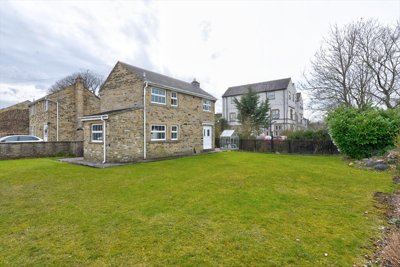
Browse 1 rental home to rent in Threshfield, North Yorkshire from local letting agents.
The Threshfield property market offers detached, semi-detached, and terraced houses spanning various price ranges and neighbourhoods. Each listing includes detailed property information, photographs, and direct contact with the marketing agent.
£1,200/m
1
0
30
Source: home.co.uk
Showing 1 results for Houses to rent in Threshfield, North Yorkshire. The median asking price is £1,200/month.
Source: home.co.uk
Detached
1 listings
Avg £1,200
Source: home.co.uk
Source: home.co.uk
Threshfield's rental market is tight, with scarce stock and plenty of demand, which is hardly surprising given its pull inside the Yorkshire Dales National Park. Prices have held up well too, rising 14% over the past year and now sitting 8% above the 2020 peak of £376,750. That sort of movement says a lot about the village's appeal to both buyers and tenants. New-build supply is thin on the ground, so most homes that come up are established properties, full of character and history, often built from the local limestone and gritstone that give the Dales its look.
Stone cottages, farmhouses and period homes make up most of the rental stock in Threshfield, and they carry the feel of the village's agricultural past. The housing mix includes detached family homes, terraced cottages along lanes such as Piece Fields, where average prices reached £343,500, and conversions of old farm buildings. There are 18 listed buildings within the parish, among them The Old Hall, which dates back to the 14th century, and Threshfield School, built in 1674, so living here often comes with a real sense of history. Plans are also being drawn up by the Yorkshire Dales National Park Authority for up to 135 new homes in Threshfield, although many local residents have questioned the scale of the proposals and the effect they could have on the village character.
Three potential sites are already on the table, land north of Upper Wharfedale School with room for around 60 dwellings, land opposite Woodlands View for approximately 15 homes, and land east of the B6160 for up to 60 properties. The Threshfield Village Development Concern Group was set up to resist the size of these plans, saying that 135 new homes would mean a 30% increase in households and would change the village beyond recognition. The Parish Council has argued that an upper limit of 30 new houses would sit better with the scale of the settlement. Smaller windfall schemes may still appear, with places such as Manor Farm off Monkholme Lane sometimes mentioned, but the National Park planning framework means development here will stay tightly controlled.

Daily life in Threshfield moves to the pace of the countryside, with farming and tourism acting as the two mainstays of the local economy. The village sits on a broad, gently sloping river terrace to the west of the River Wharfe, in a sensitive riverside setting that brings fine views and plenty of space for walking. Public footpaths and bridleways spread out through the surrounding fells and valleys, so walkers, cyclists and anyone who likes the outdoors have plenty to work with. Around the village, limestone pavement terraces, rolling drumlin hills and rocky crags give the Yorkshire Dales its striking scenery in every season.
Housing in Threshfield is not just a planning issue, it is central to the village's future. The National Park authority has set a target of 50 new dwellings per year in order to reverse population decline and deal with an ageing population, recognising that a healthy supply of homes underpins community life. Remote working has made it easier for people to settle in deep rural places like Threshfield, bringing in new residents who can support the local economy while enjoying village life. Grassington is close by and offers a wider range of amenities, yet Threshfield keeps the smaller scale and quiet character that set it apart.
The look of Threshfield is shaped by its traditional Dales buildings, all local stone, with mullion windows, large quoins and stone slate roofs giving the village a remarkably consistent appearance. Dry stone walls thread across the fields around it, one of the clearest signs of Yorkshire Dales farming country and the work of generations. People living here become part of a community that values both its heritage and its landscape, with local events, independent businesses and social groups creating chances to meet people throughout the year.

Education is close at hand in Threshfield. Threshfield School, built in 1674, is now a Grade II listed building and has long been part of the village's commitment to learning. It serves primary-aged children from the local area, and for many households the school is within easy walking distance. Secondary pupils usually travel to Grassington for Upper Wharfedale School, while some families opt for independent schools in Skipton or nearby towns. That mix of local provision and wider choice makes Threshfield appealing for families considering a move into the Dales.
Across the Yorkshire Dales National Park, a network of small primary schools supports rural communities, and Threshfield School is one of those village schools that hold the system together. Parents looking to rent in Threshfield ought to check admissions policies and catchment arrangements early, since these can make a big difference to schooling options. Further education is available in Skipton, where Craven College offers vocational and academic courses, reached by the regular bus services that link Threshfield to the market town. Many families also value the quality of life, the countryside on the doorstep, and the strong local spirit that comes with village education.

The B6160 is the main road through Threshfield, tying the village into the wider Yorkshire Dales road network. Skipton is the nearest railway station, roughly 10 miles away, and from there there are links into the Leeds and Bradford corridor and on to the national rail network. For people working in Leeds, Manchester or elsewhere in the north, home working has changed the way Threshfield fits into everyday life, with broadband making it possible for many to commute virtually while staying in the countryside. Housing sites in Threshfield and Grassington are also considered within reach of jobs outside the National Park, including Skipton, the Aire Valley, Kendal and the A1M corridor.
Bus services run through Threshfield, linking the village with Grassington, Skipton and other Dales destinations, which gives those without a car a vital public transport option. The X84 bus route reaches Leeds via Pateley Bridge, so there is at least some access for occasional commuting and shopping trips to larger centres. For regular office-based work, most residents still depend on private vehicles, and the drive to Leeds takes around 75-90 minutes depending on traffic and the exact destination in the city. Cycling is also a strong part of local life, both for everyday journeys and for leisure, with quiet roads and traffic-free lanes making the Dales especially good for riders of all abilities.
Parking in Threshfield is much as you would expect in a Dales village, with little public parking but most homes having off-street space of their own. Traffic levels rise and fall with the seasons, and in summer they climb sharply as visitors pass through on the way to Grassington and the upper Wharfedale valleys. That seasonal rhythm matters for renters. It brings trade to local businesses, but it can also mean more congestion at busy times.

We can help you browse rental listings through Homemove and put you in touch with local letting agents active in the Threshfield and Grassington area. Arrange viewings for places that fit what you are looking for, and use them to judge the condition of the property, the setting, and the feel of the village at different times of day. It is sensible to ask about the property's history, any recent renovations, and exactly what the tenancy arrangements include.
Before viewings begin, sort out a rental budget agreement in principle so landlords and letting agents can see that the finances are in place. In a market where attractive homes can draw several enquiries at once, having that paperwork ready helps mark out a serious applicant. Rent is only part of the picture, so council tax, utility bills and the cost of heating older stone-built homes through cold Dales winters all need to be built in.
Once a suitable property has been found, the next stage is usually referencing, which tends to cover credit checks, employment verification and landlord references. Some landlords will also ask for a guarantor, especially where the renter is new to the area or does not have a long rental record. Keeping the required documents to hand can save a lot of delay.
Before moving in, a detailed inventory check will record the condition of the property and everything it contains. That gives both tenant and landlord a clear point of reference for the check-out inspection at the end of the tenancy. Read the tenancy agreement closely so the maintenance responsibilities, utility arrangements and the expectations of living in a National Park village are all clear from the start.
Welcome to a new home in the Yorkshire Dales. A little time spent exploring the village, introducing yourself to neighbours and finding the local footpaths and beauty spots will quickly show why Threshfield feels special. We would also suggest registering with local services, including the GP surgery and schools if needed, and getting involved with the community activities and organisations that welcome new residents.
Renting in Threshfield calls for a bit of extra attention, because most homes here are older stone-built properties and they can bring challenges that are less common in modern urban flats or houses. There is also the village's mining past to bear in mind, since coal was worked on Threshfield Moor from at least the early 17th century until the colliery closed in 1905, which means some properties may sit above old mine workings. Specific subsidence data for individual homes is not readily available, so renters may want to ask about foundations, and whether any previous structural surveys or insurance claims have related to ground movement.
Flood risk is another point to keep in mind in Threshfield, especially given the village's position near the River Wharfe and the fact that proposed development sites sit on the river terrace. National databases do not set out specific Flood Zone classifications for Threshfield properties, but the river's proximity and the presence of Ings Beck stream suggest that some lower-lying homes may be vulnerable during periods of heavy rainfall. Prospective renters should ask landlords about any history of flooding, check the Environment Agency flood maps for the exact location, and look carefully at the drainage of the surrounding land before making a decision.
Heritage rules can affect maintenance and alterations in Threshfield. With 18 listed buildings in the parish, a listed rental property will bring restrictions on changes to the interior and exterior. Even homes that are not listed may still fall under planning controls aimed at preserving the traditional character of this National Park village. The Threshfield Village Development Concern Group keeps a close eye on development proposals, which says a lot about local concern for the village's appearance. Energy efficiency matters too, because older stone properties built in traditional ways often cost more to heat than modern homes. It is worth checking the insulation, the efficiency of the heating system and the likely energy bills before settling into a character Dales cottage.
Damp and movement are the usual things to look out for in older Threshfield homes, particularly where properties are older than 50 years. Rising damp from failed damp-proof courses, penetrating damp from leaks in roofs or walls, and condensation damp in tightly sealed older buildings all show up in traditional Dales properties. Roof problems such as missing or slipped slates, chimney stacks breaking down and lead flashings failing are also common after years of exposure to the weather. Structural movement can appear as diagonal cracks, uneven floors or doors and windows that stick. Electrical systems may be out of step with current safety standards, and timber defects such as woodworm or rot can emerge where ventilation is poor. Our team can arrange a thorough inspection before any tenancy is agreed, so issues like these are spotted early.

Rental price data for Threshfield is not published in detail, but the village's overall average house price sits around £405,929, with detached homes averaging £517,167 and semi-detached homes around £370,667. In the Yorkshire Dales, rents usually track the value of the stock on offer, so renting in Threshfield can be a way of living among character properties without the capital needed to buy one. Local letting agents can give the latest figures and talk through the current price ranges for the types of property available.
This part of Craven District Council sees council tax bands vary from property to property, depending on value and the characteristics recorded by the Valuation Office Agency. Threshfield's mix of stone cottages and larger period houses means the local rating picture covers a fairly wide spread. Anyone thinking about renting should check the council tax band for the specific property, because it is a major part of the ongoing cost, alongside rent, utilities and the other regular charges.
Threshfield School remains a historic primary school in the village, housed in a building dating from 1674 that is now Grade II listed. Children can reach it from most village properties on foot, which is a real convenience for local families. For secondary education, Upper Wharfedale School in nearby Grassington serves the wider upper Wharfedale area, while independent schools in Skipton, around 10 miles away, are available and can be reached by regular bus services.
Bus services connect Threshfield with Grassington, Skipton and other Dales destinations, while the X84 route carries passengers to Leeds via Pateley Bridge. Skipton holds the nearest railway stations, giving access to the Leeds and Bradford corridor and the wider national rail network. For everyday commuting to the big cities, most working residents still use private vehicles, though remote working has allowed more people to live in Threshfield while keeping urban jobs.
Threshfield offers an excellent quality of life for anyone after countryside living in the Yorkshire Dales National Park, with striking scenery, plenty of walking and outdoor recreation, and a strong community among residents. Limited housing supply and strong demand mean that renting can be competitive, so it pays to move quickly when a suitable property appears. The village's traditional stone buildings and protected landscape setting make it especially attractive to people who value heritage, natural beauty and a quieter pace of life.
Deposits on rental homes in England are capped at five weeks' rent under the Tenant Fees Act 2019, a useful safeguard against excessive upfront costs. On top of the deposit, landlords and letting agents often charge referencing fees, administration costs and check-in fees for the inventory inspection at the start of the tenancy. Anyone renting for the first time should budget for those sums as well as the first month's rent, and may also need to cover the cost of setting up utilities, internet and council tax accounts.
The full financial picture of renting in Threshfield goes well beyond the monthly rent figure. Standard deposits in England are still capped at five weeks' rent under the Tenant Fees Act 2019, which gives renters some protection from large upfront demands. Alongside the security deposit, most letting agents charge referencing fees to process an application, usually between £100 to £300 depending on the agency and the level of referencing needed. A check-in fee, usually between £100 and £200, covers the detailed inventory inspection at the start of the tenancy, recording the condition of the property and its contents.
Running costs in Threshfield include more than rent, with council tax, utility bills, building insurance and the maintenance responsibilities set out in the tenancy agreement all needing attention. The village's older stone-built homes can be full of character, but they may also bring higher heating costs than newer properties, so the cold Dales winters, when temperatures regularly fall below freezing, need to be factored into any budget. Water rates, electricity, gas or oil heating, and internet connectivity all add to the monthly outgoings. Being able to estimate these costs properly before signing up is essential if financial stress is to be avoided later in the tenancy.
Some first-time renters may qualify for relief on certain fees under the Tenant Fees Act regulations, and people moving in from elsewhere should also budget for opening new utility accounts and council tax arrangements in Threshfield. A guarantor may be required by some landlords, particularly where a renter does not have a strong rental history or stable income, which adds another layer to the financial planning. Contents insurance is well worth considering too. It is not a legal requirement, but it can protect belongings against theft, damage or unexpected events that might otherwise lead to a serious loss.
Council tax in Threshfield sits within the Craven District Council area, and the band for each property depends on its value and the characteristics assessed by the Valuation Office Agency. The village's traditional stone cottages and larger period homes fall into different council tax bands, so it is sensible to check the exact band for any property under consideration. Along with rent, utilities and the other regular charges, this ongoing cost is part of the full financial picture of renting in Threshfield.
Properties to Rent In London

Properties to Rent In Plymouth

Properties to Rent In Liverpool

Properties to Rent In Glasgow

Properties to Rent In Sheffield

Properties to Rent In Edinburgh

Properties to Rent In Coventry

Properties to Rent In Bradford

Properties to Rent In Manchester

Properties to Rent In Birmingham

Properties to Rent In Bristol

Properties to Rent In Oxford

Properties to Rent In Leicester

Properties to Rent In Newcastle

Properties to Rent In Leeds

Properties to Rent In Southampton

Properties to Rent In Cardiff

Properties to Rent In Nottingham

Properties to Rent In Norwich

Properties to Rent In Brighton

Properties to Rent In Derby

Properties to Rent In Portsmouth

Properties to Rent In Northampton

Properties to Rent In Milton Keynes

Properties to Rent In Bournemouth

Properties to Rent In Bolton

Properties to Rent In Swansea

Properties to Rent In Swindon

Properties to Rent In Peterborough

Properties to Rent In Wolverhampton

Enter your details to see if this property is within your budget.
Loans, cards, car finance
Estimated property budget
Borrowing + deposit
You could borrow between
Typical borrowing
Monthly repayment
Est. at 4.5%
Loan-to-value
This is an estimate only. Your actual budget may vary depending on interest rates, credit history, and personal circumstances. For an accurate affordability assessment, speak to one of our free mortgage advisors.
This calculator provides estimates for illustrative purposes only and does not constitute financial advice. Your home may be repossessed if you do not keep up repayments on your mortgage. Estimates based on 4.5% interest rate, repayment mortgage. Actual rates depend on your circumstances.
Homemove is a trading name of HM Haus Group Ltd (Company No. 13873779, registered in England & Wales). Homemove Mortgages Ltd (Company No. 15947693) is an Appointed Representative of TMG Direct Limited, trading as TMG Mortgage Network, which is authorised and regulated by the Financial Conduct Authority (FRN 786245). Homemove Mortgages Ltd is entered on the FCA Register as an Appointed Representative (FRN 1022429). You can check registrations at NewRegister or by calling 0800 111 6768.

We use cookies to show you personalised content and improve your experience of our website. Find out more in our Privacy policy and Cookie policy.