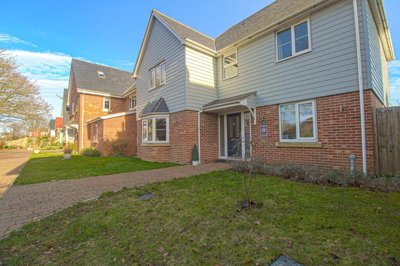
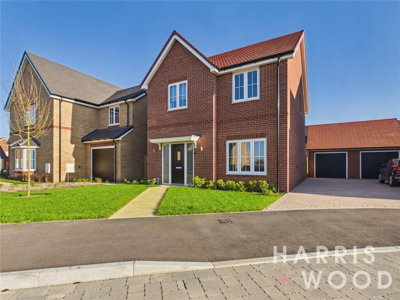
Browse 2 rental homes to rent in Thorrington, Tendring from local letting agents.
The larger property sector typically features multiple bathrooms, substantial reception space, and private gardens or off-street parking. Four bedroom houses in Thorrington span detached, semi-detached, and occasionally terraced configurations, with styles ranging from period properties to modern executive homes.
£0/m
0
0
0
Source: home.co.uk
Showing 0 results for 4 Bedroom Houses to rent in Thorrington, Tendring.
homedata.co.uk records show that the average sold price in Thorrington sits at £380,429, which places the village firmly in the higher-priced countryside bracket for this part of Essex. Detached homes lead the local market at £457,286 on average, while semi-detached and terraced properties sit lower at £307,500 and £280,000. That spread suggests a market shaped by family houses, older cottages, and a smaller number of lower-maintenance homes. For renters, the main takeaway is that property type matters a great deal here, because detached homes will usually sit at the top end of local expectations.
A practical mix of housing stock appears in and around the village, including converted barns, modern detached homes, and the occasional listed cottage. One local mention of Malting Paddocks points to a gated enclave of four exceptional homes, which shows how limited and selective some of the new-build activity is within the village boundary. Verified information on large active developments in Thorrington is limited, so many renters will find the best choice comes from a small pool of well-kept individual homes rather than big estates. That makes speed, preparation, and a clear budget especially useful when you are searching here.

Thorrington feels like a proper village rather than a commuter suburb, with a quieter rhythm, more open skies, and a strong rural edge. The surrounding Tendring landscape gives it a countryside identity, and the local housing stock reflects that with older cottages, converted buildings, and newer family homes sitting side by side. Although the research pack does not give a full demographic breakdown, the housing mix suggests a place that appeals to families, established renters, and anyone wanting more room than you often get closer to the coast or city. That village feel is one of the biggest reasons people keep looking here.
Older homes can be especially attractive in Thorrington, including the occasional Grade II listed cottage, but they deserve a careful look before you commit. Essex is known in places for London Clay, so it is sensible to check for movement, cracking, drainage issues, and the general condition of older walls and floors. There are no verified local flood hotspots in the research pack, yet rural properties always need an individual check for surface water, access, and outbuildings. If you want a home with a garden, parking, and a quieter street scene, this is exactly the sort of village that can fit the brief.
Families renting in Thorrington will usually start with the village school option, then widen their search to nearby Tendring and Colchester for secondary and sixth-form choices. The research provided does not include live Ofsted data or catchment maps, so the safest move is to check the latest school admissions rules before you arrange viewings. Village homes near a good primary school can be popular with long-term renters because school runs are simpler and the setting is calmer. That can make the most practical family houses the quickest to go.
Thorrington’s setting means parents often think beyond the parish boundary and compare schools in the wider Colchester area as well as the Tendring coast. Grammar and selective-school options are usually part of that wider search, especially for households willing to commute for the right school place. Because catchment boundaries can shift and oversubscription criteria can change, a property that looks ideal on paper may sit outside the best school route for your child. Viewers should always match the home to the school plan before making an offer to rent.

Commuters usually think first about the A133 corridor, because it gives Thorrington a straightforward road link toward Colchester and the east coast. From there, rail options open up through nearby stations in the wider area, with Colchester services offering regular routes into London Liverpool Street on faster trains. The village itself is not a rail hub, so most renters will combine driving, a local lift, or a bus connection with a station-based commute. That pattern suits people who are happy to trade direct rail access for more space and a quieter address.
Road access is one of the strongest practical advantages here, but parking still matters a lot in a small village. Off-street parking is valuable in older lanes, where roadside space can be limited and turning room may be tight around cottages or converted buildings. Cycling is possible on rural roads, though segregated infrastructure is limited compared with larger towns, so riders need to plan carefully. For households with two cars, this is the kind of place where driveway space and easy access to the main road can be worth a premium.
Get a rental budget agreement in principle before you begin viewing, then compare what you can comfortably afford once bills and commuting costs are included.
Focus on the homes that suit village living, such as properties with parking, a usable garden, and access to the road network you will use most.
Supply in a small village can be limited, so arrange visits as soon as a suitable home appears and ask about heating, broadband, and maintenance history.
Read the contract carefully, confirm deposit terms, and make sure the inventory, meter readings, and move-in date all match the advert.
Have ID, references, proof of income, and right-to-rent documents ready so the landlord can process your application without delay.
Photograph the property on day one, keep a copy of the inventory, and set up council tax, utilities, and insurance before you unpack.
Older homes need a sharper eye in Thorrington because the village includes cottages, conversions, and listed properties as well as newer houses. Check for signs of damp, roof wear, uneven floors, or previous repairs that may need follow-up, especially if the home has traditional construction or altered timber work. A survey is not something every renter orders, but if you are thinking ahead to a future purchase in the same area, a RICS Level 2 survey can be useful before you commit to a bigger move. The local stock is varied enough that one home can be very straightforward while another needs much more attention.
Rural properties often come with practical details that city renters do not always face, such as septic systems, shared access, narrow drives, or stronger exposure to wind and weather. Conservation sensitivity can also matter around older buildings, so ask what changes the landlord has permission to make before you sign. Flats and leasehold homes, where they appear, bring extra questions about service charges, ground rent, and who handles repairs to shared areas. If a property sits near open land or older drainage channels, ask specifically about flooding, surface water, and maintenance of nearby ditches or culverts.

We do not have a verified average rent in the research pack for Thorrington, so live listings on home.co.uk are the best place to check current asking rents. As a local benchmark, homedata.co.uk records show an average sold house price of £380,429, with detached homes averaging £457,286. That gives you a sense of the kind of housing market you are entering, even though rent levels will differ from sale values. In a small village like this, the exact rent depends heavily on whether the home is a detached house, a terrace, or a converted property.
Council tax band depends on the individual property, not the village as a whole, and Thorrington sits within the Tendring District Council area. In England, bands run from A to H, with smaller homes usually lower and larger detached houses often higher. The quickest way to check is to look at the tenancy listing or ask the agent for the exact band before you apply. That avoids surprises once you move in and start setting up monthly bills.
The research pack does not include live Ofsted results or catchment data, so the best school for you will depend on current admissions maps and your child’s age. Families commonly start with the village primary school and then look toward the wider Colchester and Tendring area for secondary and sixth-form options. That wider search is important because a home that looks perfect can still fall outside the catchment you need. Always check the latest admissions policy before you choose a tenancy.
Public transport is workable, but it is not the strongest reason to rent here. Most residents rely on nearby rail stations in the wider area and road links via the A133 for trips toward Colchester or the coast. Faster rail journeys into London are usually taken from Colchester rather than from Thorrington itself, so many commuters combine driving with train travel. If you need a doorstep station, this village will feel more limited than larger towns.
Thorrington suits renters who want a quieter village setting, more space, and a home with a bit of breathing room. It works especially well for families, professionals who drive, and anyone who prefers a rural feel over busy urban streets. The trade-off is that choice can be limited and transport is less immediate than in a major centre. If those priorities match your lifestyle, it can be a very appealing place to settle.
For a standard assured shorthold tenancy, the security deposit is usually capped at five weeks' rent when the annual rent is under £50,000, and six weeks above that level. You may also need a holding deposit of one week's rent, plus your first month’s rent upfront if the application is successful. Ask the agent whether any optional extras, inventory charges, or pet-related conditions apply before you agree to anything. A clear budget agreement in principle helps you avoid stretching too far once moving costs are added.
The local market leans toward detached houses, with semis and terraces also present and occasional flats or conversions appearing in the mix. homedata.co.uk records show detached homes averaging £457,286, which is a strong clue that larger family houses are a major part of the village stock. You may also come across converted barns, older cottages, and the odd listed home with more character. That variety is one reason the village can suit both long-term renters and people looking for a short-term base.
From 4.5%
Compare rental budget rates and plan your move with confidence
From £499
Get help with referencing checks before you apply
From £99
Check energy performance before you move into a home
From £350
Useful for older or altered homes if you want a deeper property check
Renting costs in Thorrington should be planned around more than just the monthly rent. The deposit is normally capped by tenancy law, but you should still budget for the first month’s rent, a holding deposit if requested, moving costs, and any setup fees for broadband or utilities. Village homes can also bring higher transport spend if you drive every day, especially if your commute involves Colchester or other nearby centres. For a rural address, those day-to-day costs can matter as much as the headline rent.
Older village homes can also change the cost picture because heating, insulation, and maintenance standards vary from property to property. A good EPC rating can help keep bills under control, while an older cottage may be more expensive to warm through the winter. If you are comparing two homes, look beyond the asking rent and work out the full monthly figure once council tax, fuel, water, and travel are added. That is the best way to decide whether a home in Thorrington genuinely fits your budget.
Properties to Rent In London

Properties to Rent In Plymouth

Properties to Rent In Liverpool

Properties to Rent In Glasgow

Properties to Rent In Sheffield

Properties to Rent In Edinburgh

Properties to Rent In Coventry

Properties to Rent In Bradford

Properties to Rent In Manchester

Properties to Rent In Birmingham

Properties to Rent In Bristol

Properties to Rent In Oxford

Properties to Rent In Leicester

Properties to Rent In Newcastle

Properties to Rent In Leeds

Properties to Rent In Southampton

Properties to Rent In Cardiff

Properties to Rent In Nottingham

Properties to Rent In Norwich

Properties to Rent In Brighton

Properties to Rent In Derby

Properties to Rent In Portsmouth

Properties to Rent In Northampton

Properties to Rent In Milton Keynes

Properties to Rent In Bournemouth

Properties to Rent In Bolton

Properties to Rent In Swansea

Properties to Rent In Swindon

Properties to Rent In Peterborough

Properties to Rent In Wolverhampton

Enter your details to see if this property is within your budget.
Loans, cards, car finance
Estimated property budget
Borrowing + deposit
You could borrow between
Typical borrowing
Monthly repayment
Est. at 4.5%
Loan-to-value
This is an estimate only. Your actual budget may vary depending on interest rates, credit history, and personal circumstances. For an accurate affordability assessment, speak to one of our free mortgage advisors.
This calculator provides estimates for illustrative purposes only and does not constitute financial advice. Your home may be repossessed if you do not keep up repayments on your mortgage. Estimates based on 4.5% interest rate, repayment mortgage. Actual rates depend on your circumstances.
Homemove is a trading name of HM Haus Group Ltd (Company No. 13873779, registered in England & Wales). Homemove Mortgages Ltd (Company No. 15947693) is an Appointed Representative of TMG Direct Limited, trading as TMG Mortgage Network, which is authorised and regulated by the Financial Conduct Authority (FRN 786245). Homemove Mortgages Ltd is entered on the FCA Register as an Appointed Representative (FRN 1022429). You can check registrations at NewRegister or by calling 0800 111 6768.

We use cookies to show you personalised content and improve your experience of our website. Find out more in our Privacy policy and Cookie policy.