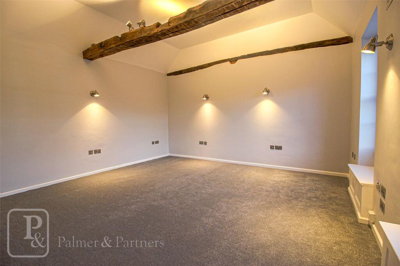
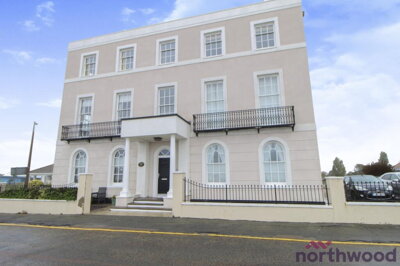
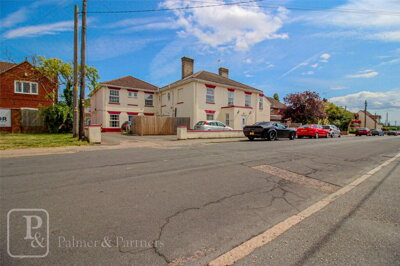
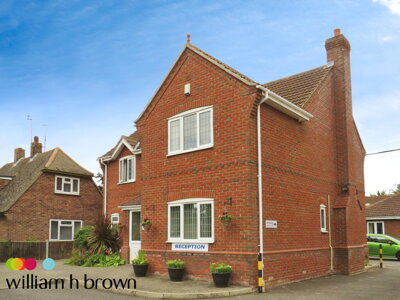
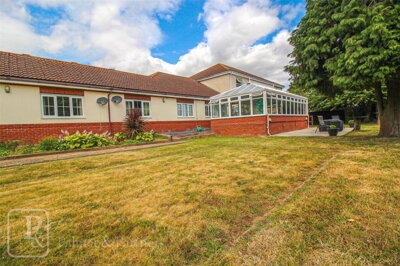
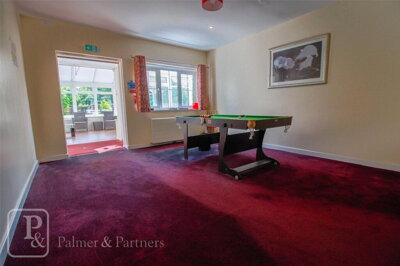
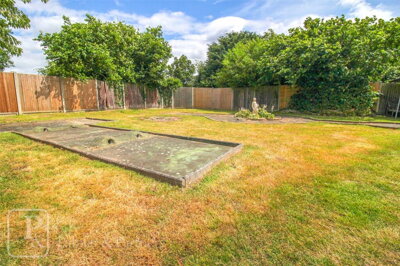
Browse 8 rental homes to rent in Thorpe-le-Soken from local letting agents.
Studio apartments feature open-plan living spaces without separate bedrooms, incorporating sleeping, living, kitchen, and bathroom facilities. The Thorpe Le Soken studio market includes properties in modern apartment complexes, converted Victorian and Georgian buildings, and purpose-built developments.
The Thorpe-le-Soken property market has shown real resilience and growth over recent years, with sold prices averaging £416,000 according to homedata.co.uk. That is a 39.1% rise over the previous twelve months, which points to strong demand in this popular village. homedata.co.uk data also records a 7% correction from the year before, leaving the market 16% below the 2023 peak of £497,833. For renters, that makes for a market in transition, where it is still possible to secure a home in a premium spot while values settle. Rental stock here often overlaps with the sales market, so many homes are offered both to buy and to let, depending on the owner's circumstances.
Thorpe-le-Soken's rental properties mirror the village's varied housing stock, from old terraced cottages through to sizeable detached family houses. Detached homes sit at the top of the sales market, averaging around £476,750, while semi-detached properties average approximately £276,562 and terraced homes around £262,500. Modern rental choices have also come through recent new build schemes, including Jose Powell Gardens with 1, 2, 3, and 4 bedroom bungalows, plus new detached houses on Colchester Road. At the upper end, there are luxury new-build homes priced in excess of £750,000, which shows how firmly some accommodation here sits in the premium bracket. With rental supply tight, early viewing requests are the sensible move.
Demand is steady enough that individual streets keep registering healthy sales. Over the past twelve months, the High Street logged 32 property sales, Landermere Road recorded 26 transactions, and Abbey Crescent had 17 sales. Those figures point to lively turnover along the village's main residential routes, and the same energy feeds through into lettings. Near the railway, the Station and Maltings Conservation Area also draws commuters who want village life and a workable rail link. Period homes, twentieth-century houses, and newer developments sit side by side, so the rental choice covers a wide spread of tastes and budgets.

Thorpe-le-Soken still revolves around its historic core along the High Street, where the layers of the village's past are easy to see. It began as a medieval settlement, and its name comes from the Old English meaning "the token or sign at the Thorpe", a nod to its old role in the local landscape. The Conservation Area, first designated in 1969 and extended in 1988, protects the historic frontage, including 22 listed buildings, with four at Grade II* status. Traditional Essex materials dominate, especially red brick, render, and plain tile roofs, which give the place its warm, familiar look. The 2011 census counted 2,034 residents, which helps explain the close-knit feel, where many neighbours know one another by name.
Day-to-day living is straightforward here, with a convenience store, a traditional public house, and a run of independent shops all within easy walking distance for most residents. Across the village, the older detailing is easy to spot, from bay windows and prominent door architraves to quoins and intricate brickwork, all signs of careful craft from earlier centuries. For a broader shop, supermarket, or cinema trip, many people head to Clacton-on-Sea, about fifteen minutes by car. The surrounding countryside gives plenty of walking routes through farmland and along the coast, and Hamford Water sits nearby as a designated Area of Outstanding Natural Beauty. Community life stays busy too, with summer fetes and Christmas celebrations giving the village a strong social thread.
Thorpe Hall, together with its Registered Park and Garden listed at Grade II, adds another layer to the village's heritage offer for renters. The Station and Maltings Conservation Area, designated in 1990, is another defining feature, preserving the historic setting around the railway station. Within it sits the listed Maltings building from the late nineteenth century, a reminder of the commercial and social shifts that arrived with the railway. Colchester and Ipswich are both reachable within an hour's drive, so theatres, museums, and heritage attractions are still within easy reach. With the Essex coast one way and attractive countryside the other, residents have plenty of options close by.

For families, Thorpe-le-Soken gives access to schooling at several levels, with primary provision available in the village and nearby places such as Kirby Cross and Walton-on-the-Naze. Many households choose schools in the local area, and the usual catchments match the village's residential layout, so most children can attend their nearest school without much travel. We always advise checking current catchment boundaries and admission rules before moving with school-age children, because those details can shift and may change which homes fit best. The village has a family-friendly feel, and that tends to put pressure on places, particularly for Reception and Year 3 entry.
Secondary options for Thorpe-le-Soken residents are mainly in Clacton-on-Sea and across the wider Tendring area, with school buses running from the village. These schools take pupils from Year 7 through to Sixth Form, and several offer GCSE and A-Level subjects alongside vocational courses. For families focused on academic results, we recommend looking through each school's performance tables and Ofsted reports before choosing a rental property in a particular part of the village. Tendring district has put money into educational facilities in recent years, with schools updating buildings and increasing capacity to keep pace with demand. Older students can also reach colleges in Colchester and Chelmsford by public transport for A-Levels or vocational study.

Commuting is realistic from Thorpe-le-Soken, thanks to links that reach beyond the village and into larger towns and cities. Thorpe-le-Soken railway station runs regular services to Colchester, Ipswich, and London Liverpool Street. It sits a little away from the main village centre, inside the Station and Maltings Conservation Area, and there is parking for residents who prefer to drive to the station. Journey times to London Liverpool Street usually sit between around one hour thirty minutes and two hours, depending on connections, so the village suits commuters who can live with the trip length. Trains run through the day, although evenings and weekends bring fewer services, something residents need to bear in mind.
For local journeys, bus services from nearby operators link the village with Clacton-on-Sea, Colchester, and other places across Tendring. Service levels can be patchy, though, especially in the evenings and on Sundays, so car ownership helps if work or family life is less flexible. The A133 gives direct access to Colchester and the A12 trunk route, which opens up Chelmsford, London, and the wider motorway network. Cycling works well for short trips, since the Essex countryside is relatively flat, although dedicated cycle lanes are limited on the busier roads. London Stansted Airport is reachable in approximately one hour by car, which gives residents useful business and leisure connections.

Before we view properties in Thorpe-le-Soken, we arrange a rental budget agreement in principle from a lender or broker. It shows how much rent we can afford each month, usually based on income multiplied by a factor of around 25 to 30. Landlords and letting agents ask for this when we apply, and having it ready helps show that we are serious about the tenancy.
It pays to explore the village properly before we commit to a rental home. We visit at different times of day and across the week so we can get a feel for noise, traffic, and the general atmosphere. Proximity to the railway station matters if we commute, school catchments matter if we have children, and a trip to nearby Clacton-on-Sea helps us check the amenities that are not available in the village itself.
We contact local letting agents to book viewings on homes that match our requirements. During each visit, we note the condition of the property, the quality of maintenance, and any warning signs such as damp, condensation, or neglect. Photos help us compare options later, and it is sensible to have questions ready about tenancy terms, the deposit amount, and what fixtures are included.
If we rent inside one of Thorpe-le-Soken's Conservation Areas, any alterations need planning permission from Tendring District Council. Many of the homes here are period properties with original features that sit within the village's heritage character. Before we sign anything, we need to be clear on what we can and cannot change during the tenancy.
Once we have chosen a property, the letting agent starts tenant referencing, which usually covers credit checks, employment verification, and landlord references from previous tenancies. We should provide accurate paperwork quickly to avoid delays. It may also be necessary to set up utility accounts, council tax, and contents insurance before moving day.
Before we move in, we complete a full inventory check that records the condition of every room, fixture, and fitting. We photograph everything and make sure the inventory is signed by both parties so our deposit is protected when we leave. It is also sensible to get familiar with emergency contacts, utility shut-off points, and any quirks that older buildings tend to have.
Renting in Thorpe-le-Soken means keeping an eye on local factors that may not matter elsewhere, starting with the village's geology and how it affects property condition. The underlying bedrock is made up of clay, silt, and sand deposits from the Thames riverine system, laid down during the Palaeogene period approximately 34 to 56 million years ago. Clay soils can shrink and swell, expanding when wet and contracting in dry weather, and that movement can affect buildings, especially older homes or those with shallow foundations. We would look for signs of subsidence or movement, such as cracks in walls, doors that stick, or uneven floors, and we would ask about any earlier structural problems or underpinning work.
Many rental homes in Thorpe-le-Soken sit within designated Conservation Areas, and that brings restrictions on alterations and modifications that we need to understand before taking a tenancy. Homes along the High Street and close to the railway station are covered by these controls, so changes to windows, doors, extensions, or external features may need consent from Tendring District Council. Landlords should explain any relevant limits, but we would still ask directly about what is allowed during the tenancy. The village has 22 listed buildings within its Conservation Areas, including four Grade II* structures, so some properties may also come with additional expectations around maintenance and repair methods that protect their historic character. Original bay windows, decorative brickwork, and period fireplaces should be left alone unless consent has been given.
Flood risk is another issue to think through before renting in Thorpe-le-Soken, even though the village itself sits on higher ground between Hamford Water and Holland Brook. The centre of the village benefits from its ridge position, but lower-lying areas and homes near watercourses can still face surface water or river flooding in heavy rain or storm conditions. The village's history within the Gunfleet Estuary during medieval times is a useful reminder of the coastal influences that still shape the area. We would ask about the property's flood history and look at contents insurance that includes flood damage, as standard policies can exclude higher-risk places. Newer developments may have been built to better flood resilience standards, which can give tenants extra peace of mind.

Separate rental price data for Thorpe-le-Soken is not published in national datasets, but the local rental market is still influenced by the strong sales picture, where average sold prices recently reached £416,000 according to homedata.co.uk. Homes usually let at levels that reflect that position, with one and two-bedroom properties often renting from around £800 to £1,200 per month, while larger family houses with three or four bedrooms may go for £1,300 to £2,000 monthly, depending on condition and location. The village's popularity, limited supply, and closeness to coastal attractions have kept rents firm, even as sales prices have eased a little from their 2023 peak. Flats in the Thorpe-le-Soken Station area have shown notable price movement too, with averages sitting 54% below the 2023 peak of £560,000, which can translate into more affordable rental options for people who want an easy commute.
For council tax, properties in Thorpe-le-Soken fall under Tendring District Council. Most homes in the village are likely to sit in Bands C through E, which fits the mix of period cottages, mid-twentieth-century houses, and newer developments across the area. Band D properties in Tendring currently pay around £1,900 to £2,100 a year, although the exact amount changes with the property and any discounts such as single occupancy or disability relief. Before we move in, we should confirm the band with the landlord or letting agent, because it forms part of the tenancy and will need to be transferred into the tenant's name on occupation.
Thorpe-le-Soken and the wider Tendring area have a number of primary schools serving the village, and families can also look to nearby places such as Kirby Cross and Walton-on-the-Naze. Secondary education is available in Clacton-on-Sea, with school bus services running from the village. We recommend checking individual Ofsted reports and performance data if educational outcomes are a priority, because ratings can differ from one school to the next. Tendring district has continued to invest in school facilities, although some schools are under pressure from growing pupil numbers in popular catchments. For families renting in Thorpe-le-Soken, the right school place often depends on being in the correct catchment zone, so location matters a great deal.
Thorpe-le-Soken railway station gives direct rail links to Colchester, Ipswich, and London Liverpool Street, which keeps the village workable for commuters despite its rural feel. Trains run throughout the day, although evening and weekend frequencies are lower than at weekday peak times. Local bus routes connect the village with Clacton-on-Sea, Colchester, and other Tendring towns, but services are limited, especially on Sundays and bank holidays. For residents without a car, forward planning around bus and train timetables matters, and it is often more practical to combine shopping trips into the larger towns rather than make smaller daily journeys.
Thorpe-le-Soken gives renters a high quality of life in a village setting that still keeps its historic character and the practical amenities needed for everyday living. The village scores well for community spirit, scenic surroundings, and access to both the Essex coastline and larger towns such as Colchester. Homes here suit people who want a quieter lifestyle without feeling cut off, although the small rental supply means competition can be strong. With the railway station in place, commuting remains realistic, and the position between Hamford Water and the attractive Essex countryside opens up plenty of time outdoors. For those who do secure a home here, Thorpe-le-Soken is one of the more desirable village locations in Tendring district.
In England, standard rental deposits are capped at five weeks' rent, so a home letting for £1,000 per month would need a £1,250 deposit. That deposit has to be protected in a government-approved tenancy deposit scheme within thirty days of receipt. The Tenant Fees Act 2019 means most extra charges, including referencing, administration, and check-in costs, are banned apart from rent and the permitted holding deposit of one week's rent. Some landlords may ask for extra fees relating to pets or specific terms, but these need to be agreed in writing before we commit. First-time renters should budget for the first month's rent upfront as well as the deposit, plus the likely cost of moving and setting up utilities.
The rental market in Thorpe-le-Soken is fairly tight compared with larger towns, so homes can move quickly once they are listed. A lot of properties are let by local independent landlords rather than bigger letting agencies, and some owners put their homes out on a short-term or seasonal basis. New build schemes such as Jose Powell Gardens have added modern bungalows in recent years, which suits renters looking for lower-maintenance accommodation. On occasion, homes in the Conservation Areas come up to let, giving people the chance to live in one of the village's historic buildings with its red brick and render character. We would advise registering with local letting agents and setting up property alerts so newly listed homes do not slip past.
From £380
We recommend a RICS Level 2 Survey for any rental property in Thorpe-le-Soken, especially older homes in the Conservation Areas that may hide defects.
From £85
An EPC Assessment gives the energy efficiency rating required before a property is rented, and it also helps us gauge likely heating costs.
Understanding the financial side of renting in Thorpe-le-Soken helps us budget properly and avoid surprises during the application process. The Tenant Fees Act 2019 sets the rules for what landlords and letting agents can charge, with deposits capped at five weeks' rent for annual rents below £50,000. That deposit must go into one of three government-approved schemes within thirty days of receipt, and landlords cannot make deductions without evidence of damage linked to the tenant. At the end of the tenancy, tenants should get their deposit back within ten days of agreeing any deductions, provided the property is left as it was at the start, allowing for reasonable wear and tear. For a typical rental home in Thorpe-le-Soken, that means setting aside between £1,000 and £2,500 for the deposit alone.
On top of the deposit, tenants need to plan for the first month's rent in advance, which is normally due before the keys are handed over. There can also be moving costs, including removal services, utility and internet connection fees, and contents insurance, which is sensible even where it is not a legal requirement. A holding deposit, capped at one week's rent, may be asked for while referencing is carried out, and that sum is then taken off the full deposit when the tenancy agreement is signed. Rent in Thorpe-le-Soken is usually paid monthly by standing order, so tenants should check whether bills are included in the advertised rent or paid separately. Homes with electric heating or older insulation can bring higher winter utility costs, so the energy efficiency rating is worth comparing carefully.
Properties to Rent In London

Properties to Rent In Plymouth

Properties to Rent In Liverpool

Properties to Rent In Glasgow

Properties to Rent In Sheffield

Properties to Rent In Edinburgh

Properties to Rent In Coventry

Properties to Rent In Bradford

Properties to Rent In Manchester

Properties to Rent In Birmingham

Properties to Rent In Bristol

Properties to Rent In Oxford

Properties to Rent In Leicester

Properties to Rent In Newcastle

Properties to Rent In Leeds

Properties to Rent In Southampton

Properties to Rent In Cardiff

Properties to Rent In Nottingham

Properties to Rent In Norwich

Properties to Rent In Brighton

Properties to Rent In Derby

Properties to Rent In Portsmouth

Properties to Rent In Northampton

Properties to Rent In Milton Keynes

Properties to Rent In Bournemouth

Properties to Rent In Bolton

Properties to Rent In Swansea

Properties to Rent In Swindon

Properties to Rent In Peterborough

Properties to Rent In Wolverhampton

Enter your details to see if this property is within your budget.
Loans, cards, car finance
Estimated property budget
Borrowing + deposit
You could borrow between
Typical borrowing
Monthly repayment
Est. at 4.5%
Loan-to-value
This is an estimate only. Your actual budget may vary depending on interest rates, credit history, and personal circumstances. For an accurate affordability assessment, speak to one of our free mortgage advisors.
This calculator provides estimates for illustrative purposes only and does not constitute financial advice. Your home may be repossessed if you do not keep up repayments on your mortgage. Estimates based on 4.5% interest rate, repayment mortgage. Actual rates depend on your circumstances.
Homemove is a trading name of HM Haus Group Ltd (Company No. 13873779, registered in England & Wales). Homemove Mortgages Ltd (Company No. 15947693) is an Appointed Representative of TMG Direct Limited, trading as TMG Mortgage Network, which is authorised and regulated by the Financial Conduct Authority (FRN 786245). Homemove Mortgages Ltd is entered on the FCA Register as an Appointed Representative (FRN 1022429). You can check registrations at NewRegister or by calling 0800 111 6768.

We use cookies to show you personalised content and improve your experience of our website. Find out more in our Privacy policy and Cookie policy.