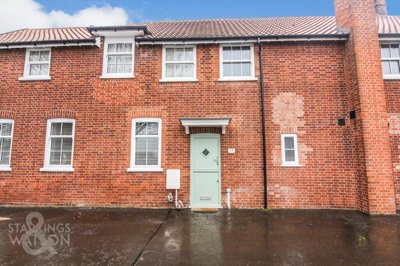
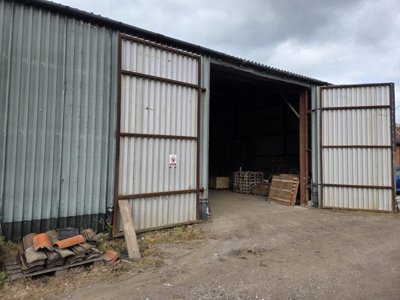
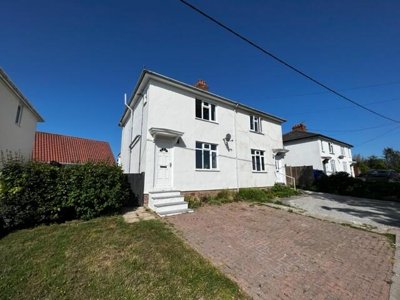
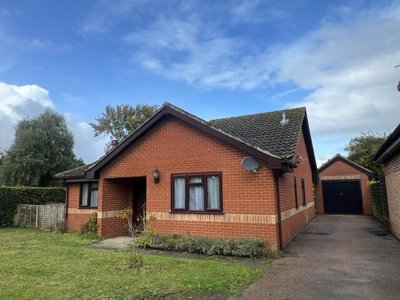
Browse 4 rental homes to rent in Thorndon, Mid Suffolk from local letting agents.
£900/m
1
0
24
Source: home.co.uk
Source: home.co.uk
Terraced
1 listings
Avg £900
Source: home.co.uk
Source: home.co.uk
Thorndon's rental market sits inside the wider Suffolk picture, where average sale prices are around £359,125 according to recent market data. Village-level rent figures are thin, simply because so few homes come up, but renting here can put Thorndon's mainly detached housing within reach without the cost of buying outright. Detached homes in the village have sold for an average of £441,000, while terraced homes have reached around £222,667, which shows the premium attached to the larger, family-sized houses Thorndon is known for.
Prices in Thorndon have eased recently, sitting roughly 23 percent below the previous year's level and 30 percent down from the 2023 peak of £510,800. For renters, that shift may help where landlords have room to be flexible on rent. The housing stock is strongly family-focused too, with 83 percent of households living in homes with three or more bedrooms, so rentals here are more likely to come with proper living space, gardens and the sort of layout people expect from a Suffolk village home.
The Street and High Street occupy different parts of the Thorndon market. The Street averages around £340,000, while High Street homes reach approximately £460,000 to £500,000 depending on specification. That spread says a lot about the village: modest traditional cottages at one end, substantial period farmhouses at the other. For tenants, it means Thorndon is not one single type of rental market, with smaller period homes sitting alongside larger family properties when availability allows.

Thorndon has the feel of old rural Suffolk, quiet, settled and shaped by a long village history. Its name appears in the Domesday Book of 1086, and the historic centre is still anchored by All Saints Church, a striking 14th-century building constructed in 1358. Around 280 dwellings are spread through the traditional settlement pattern, with homes set along lanes and clustered near the church. Period houses, later infill and more recent additions all sit together, giving the village a grown-over-time character rather than a planned estate feel.
What defines Thorndon is not shops or heavy commercial use, but its heritage, space and close community ties. The village is in the Mid Suffolk district, with local council services delivered through that authority and the rural character of this part of East Anglia largely preserved. Planning has tended to be cautious, with recent permissions covering only a small number of new homes, reflecting a preference for measured growth rather than major expansion.
The former Kerrison Reformatory School site, dating from the 19th century, adds another layer to Thorndon's story and shows how much of Suffolk's past is still visible in the built environment. At the same time, approvals for new eco-houses meeting Code level 5 sustainability criteria, along with the four-market-dwelling site off The Street, show a village trying to balance heritage with careful new building. Beech Architects, a local practice known for heritage and listed building work, is a further sign that preservation and considered modern design both matter here.

Families looking at rentals in Thorndon usually need to think beyond the village boundary for schools. In this part of rural Mid Suffolk, primary and secondary education generally means travelling to nearby places such as Eye, Diss or Stowmarket, where a wider range of options is available. Catchments and admissions should be checked through Suffolk County Council, as they can cover several villages and may change by year group or available places. For many families, school access becomes one of the deciding factors in choosing a rental home here.
For primary education, children in Thorndon commonly attend schools in nearby villages or go into Eye, where primary schools serve surrounding rural communities. Secondary choices include schools in Eye, Diss and Stowmarket, with several secondary schools and sixth-form colleges covering the wider Mid Suffolk area. Suffolk's grammar school system also provides academic routes for pupils who meet the selection criteria, while larger towns offer secondary education and vocational options.
Ofsted ratings and exam results are worth checking at the point you are moving, as both can change and they give a clearer view of what is available to village families. School runs from Thorndon may feel long at first for anyone moving from a town or city, but many households decide the extra journey time is a fair trade for the village setting. Across the wider Mid Suffolk area, several schools have been rated good or outstanding by Ofsted, which will matter to parents putting education near the top of the list.

Getting around from Thorndon is much as you would expect from a rural village: most daily journeys are by car, with local bus services playing a supporting role. The village is within reach of major road links, including routes towards the A14 trunk road for Cambridge, Ipswich and the wider motorway network. Commuters heading to Eye, Diss or Stowmarket can make Thorndon work as a village base, with manageable driving times. Rail travel is via stations in the surrounding towns, giving connections to Norwich, Cambridge and London Liverpool Street through intermediate stops.
Bus frequencies in rural Mid Suffolk are limited compared with town services, so most Thorndon residents will find a private car close to essential. For shorter local trips and leisure, though, the village has the advantage of quiet lanes, countryside routes and connections towards Old Newton, Bacton and the surrounding farmland. Public footpaths and bridleways add plenty of scope for walking and riding without having to drive first.
Thorndon can work very well for people who work from home or split their week between home and office, especially as reliable internet connections are now increasingly available across the village. The appeal is the mix of rural calm and access to larger towns, rather than isolation. Typical drive times are around 15 minutes to Eye and around 30 minutes to Stowmarket, with the A14 opening up quicker routes to larger employment centres.

Before starting a property search in Thorndon, sort out a rental budget agreement in principle from a lender or mortgage broker. Landlords and letting agents will want to see that you can afford the tenancy, and having that document ready can help when a good home appears in this popular Suffolk village.
Spend some time in Thorndon and the surrounding Mid Suffolk villages before committing. Go at different times of day and, if you can, on different days of the week, as that gives a better sense of the pace, traffic and day-to-day village life. It is also sensible to drive the routes to work and schools, rather than relying on a map.
Use Homemove to check rental homes in Thorndon and arrange viewings with local letting agents. Rural villages do not usually have much rental stock sitting around, so quick responses to new listings matter. Registering with several agents covering Eye and the Mid Suffolk area will give you a better chance of hearing about suitable homes early.
Once a suitable property comes up, send in a full rental application with references, proof of income and your rental budget agreement. In village communities, landlords often appreciate tenants who have taken time to understand the area and the practical side of rural living, not just the house itself.
After your application is accepted, tenant referencing checks come next, followed by the tenancy agreement. Read the terms carefully, including deposit amounts, notice periods and any property-specific conditions. Period features, garden care, oil heating or other rural utilities can all bring responsibilities that are worth understanding before you sign.
Book your move, then carry out a detailed inventory check with the landlord or letting agent so the property's condition is recorded from the start. Then it is over to Thorndon life, with historic Suffolk countryside on the doorstep.
Renting in a historic Suffolk village such as Thorndon is not quite the same as taking a modern flat in town. Homes here may include original fireplaces, exposed beams, traditional Suffolk brickwork or rendered walls, and those features need sensible care from both landlords and tenants. The age and construction of the property will affect heating, sound, ventilation and maintenance expectations. Nearby heritage assets, including listed buildings and All Saints Church, may also shape planning matters and permitted development rights.
Utilities and services can vary more in rural Thorndon than they would in an urban rental. Broadband speed and mobile signal should be checked at the actual property, as coverage can still differ from lane to lane despite improvements in digital infrastructure. Some homes may rely on private water supplies, septic tanks or oil heating, all of which bring different running costs and maintenance arrangements from mains-connected properties. Those details need to sit inside your rental budget, not come as a surprise later.
Older Thorndon cottages, including 1700s examples such as the distinctive Ivy Cottage, often use building methods typical of historic Suffolk. Timber frames, clay tile roofs and solid brick walls behave differently from modern cavity-wall construction, especially around moisture and ventilation. Tenants need to be ready for that, although the reward is character, weight and a sense of age that new homes rarely match. Because Thorndon has both historic and newer properties, renters may find a choice between period charm and more contemporary comfort, depending on what is available.

Thorndon is small, so specific rental price data is limited and the number of homes to compare is low. Across the broader Mid Suffolk area, two and three-bedroom homes usually sit between £800 and £1,400 per month, depending on condition and specification. With sale prices averaging around £359,125, rents reflect the value of village living and the extra space often found compared with urban equivalents. High Street homes may command more than those on The Street, in line with the different price positions of those locations.
Thorndon properties fall under Mid Suffolk District Council for council tax. Bands run from A through H, based on property value, and many family homes in the village are likely to sit in bands C through E. On High Street, where average sale prices reach approximately £460,000 to £500,000, some properties may fall into higher bands than smaller terraced cottages elsewhere. Always confirm the exact council tax band with the landlord or agent before agreeing to rent.
Primary schools in nearby villages and in Eye serve the Thorndon area, while secondary education is found in towns such as Eye, Diss and Stowmarket. Parents should look up each school's Ofsted rating and admissions policy, as catchment lines can affect the outcome. Several schools across wider Mid Suffolk have good or outstanding Ofsted ratings. Travel also needs to be built into the decision, as 15 to 30 minutes to secondary school is a normal daily journey for village residents.
Public transport from Thorndon is limited, which fits its rural setting. Buses do connect with nearby towns, but services run less often than in urban areas, so a private vehicle is usually a practical necessity. The nearest railway stations are in surrounding market towns, including Diss and Stowmarket, with trains to Norwich, Cambridge and London Liverpool Street. For Cambridge or Ipswich commuters, the A14 gives a workable road option even though Thorndon itself feels properly rural.
Thorndon offers a strong quality of life for tenants who want rural Suffolk, historic village character and a real community feel. It is a natural fit for people working from home, commuting to nearby towns, or retiring into quieter countryside surroundings. Rental homes do not come up often, so preparation and timing matter. New permissions for eco-houses and small developments suggest a community open to careful growth while keeping hold of its historic character.
Standard rental deposits are equal to five weeks' rent and must be held in a government-approved scheme under the Tenant Fees Act 2019. Tenants typically pay for referencing, identity checks and a tenancy agreement. First-time renters should also allow for moving costs, rent in advance and furniture if the property is unfurnished. Rural homes with oil heating or private water supplies may bring extra costs for fuel deliveries and water testing.
Most rental properties in Thorndon are likely to be period cottages, farmhouses or family houses, reflecting the village's mainly detached housing stock. With 83 percent of households living in homes with three or more bedrooms, the rental market leans towards larger homes rather than flats or compact units. Converted agricultural buildings or annexes may appear from time to time. Planning permissions for new development, including detached bungalows and semi-detached properties, could add to the future rental mix.
Daily life in Thorndon follows the quieter pattern of rural Suffolk, with local walks, community activity and open countryside close by. All Saints Church, dating from 1358, gives the village a clear historic anchor and a sense of continuity. Residents have the benefit of a small, connected community while still using the shops and services of nearby market towns. Being within the Mid Suffolk district gives access to local services without changing the scale of a traditional English village.
From 4.5% APR
A financial agreement that shows landlords and agents what rental budget you can support
From £49
Full referencing checks that landlords require before approving a tenancy
From £89
A detailed record of the property's condition, used to protect your deposit at the end of the tenancy
From £80
An energy performance certificate, which is required for all rental properties
Knowing the full cost of renting in Thorndon makes it easier to budget properly and avoid awkward surprises once the tenancy has started. On top of monthly rent, tenants should allow for a security deposit equal to five weeks' rent, legally capped under the Tenant Fees Act 2019. That deposit has to be protected in a government-approved scheme within 30 days of receipt, with tenants given clear information on where and how it is held. First-time renters in Suffolk should also budget for the first month's rent, references and, in some cases, a holding deposit while referencing is completed.
Running costs in Thorndon include council tax, utilities, buildings insurance, which is usually covered by the landlord for the building structure, and contents insurance for your own belongings. Some rural properties add extra costs, such as oil heating with regular deliveries and tank care, or private water supplies needing testing and treatment. Even where the landlord is responsible for structural repairs, keeping a contingency fund for minor issues and practical day-to-day costs can make a tenancy in Thorndon much easier.
Affordability in Thorndon is about more than the rent figure. Homes with more land or larger gardens may mean extra maintenance costs where tenants are responsible for garden upkeep. Period properties can also cost more to heat than modern equivalents, especially through cold Suffolk winters. Build those realities into the budget and village life is far more comfortable.
Properties to Rent In London

Properties to Rent In Plymouth

Properties to Rent In Liverpool

Properties to Rent In Glasgow

Properties to Rent In Sheffield

Properties to Rent In Edinburgh

Properties to Rent In Coventry

Properties to Rent In Bradford

Properties to Rent In Manchester

Properties to Rent In Birmingham

Properties to Rent In Bristol

Properties to Rent In Oxford

Properties to Rent In Leicester

Properties to Rent In Newcastle

Properties to Rent In Leeds

Properties to Rent In Southampton

Properties to Rent In Cardiff

Properties to Rent In Nottingham

Properties to Rent In Norwich

Properties to Rent In Brighton

Properties to Rent In Derby

Properties to Rent In Portsmouth

Properties to Rent In Northampton

Properties to Rent In Milton Keynes

Properties to Rent In Bournemouth

Properties to Rent In Bolton

Properties to Rent In Swansea

Properties to Rent In Swindon

Properties to Rent In Peterborough

Properties to Rent In Wolverhampton

Enter your details to see if this property is within your budget.
Loans, cards, car finance
Estimated property budget
Borrowing + deposit
You could borrow between
Typical borrowing
Monthly repayment
Est. at 4.5%
Loan-to-value
This is an estimate only. Your actual budget may vary depending on interest rates, credit history, and personal circumstances. For an accurate affordability assessment, speak to one of our free mortgage advisors.
This calculator provides estimates for illustrative purposes only and does not constitute financial advice. Your home may be repossessed if you do not keep up repayments on your mortgage. Estimates based on 4.5% interest rate, repayment mortgage. Actual rates depend on your circumstances.
Homemove is a trading name of HM Haus Group Ltd (Company No. 13873779, registered in England & Wales). Homemove Mortgages Ltd (Company No. 15947693) is an Appointed Representative of TMG Direct Limited, trading as TMG Mortgage Network, which is authorised and regulated by the Financial Conduct Authority (FRN 786245). Homemove Mortgages Ltd is entered on the FCA Register as an Appointed Representative (FRN 1022429). You can check registrations at NewRegister or by calling 0800 111 6768.

We use cookies to show you personalised content and improve your experience of our website. Find out more in our Privacy policy and Cookie policy.