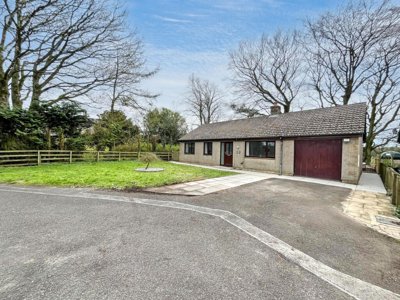
Browse 1 rental home to rent in Thirlwall, Northumberland from local letting agents.
£995/m
1
0
24
Source: home.co.uk
Source: home.co.uk
Detached Bungalow
1 listings
Avg £995
Source: home.co.uk
Source: home.co.uk
In Thirlwall, the rental market sits within the wider Haltwhistle and CA8 postcode area, and choice is usually slim because the village is small and distinctly rural. Most homes are traditional stone-built properties, many from the 18th or 19th centuries, which speaks to the area's long farming past and its links to important local estates. The housing stock is mainly semi-detached and detached cottages, with hardly any apartments or modern schemes because of the village's protected heritage status and the conservation considerations around Hadrian's Wall.
Across this part of Northumberland, rents tend to mirror the rural setting and the age of the homes on offer, with monthly figures generally falling between £500-£800 for standard cottages, depending on size and condition. Tenants often pay more for period details such as original fireplaces, exposed stone walls, and traditional timber windows, especially where character matters. In Thirlwall itself, new build rentals are almost unheard of, as planning policy restricts development within the Hadrian's Wall World Heritage Site buffer zone.
Because so few rental properties come up in Thirlwall itself, we would also look at nearby places such as Gilsland, Greenhead, and Haltwhistle. All sit within the CA8 postcode district and share much of the same rural feel. Registering with several local letting agents covering this stretch of the Hadrian's Wall corridor can make a real difference, as homes in these villages appear only occasionally and often go quickly to tenants already on waiting lists.

Thirlwall lies in the striking landscape of the North Pennines Area of Outstanding Natural Beauty, and daily life here is shaped as much by scenery as by history. The village is named after Thirlwall Castle, a medieval fortress built with stone taken from nearby Hadrian's Wall, which still runs through the parish and gives the place a direct link to Roman Britain. Tourism has long mattered here and still does, with archaeological sites, walking routes, and the annual Hadrian's Wall Festival drawing visitors each summer.
The River Tipalt gives the village a natural centre point. Walks beside the water offer quiet space and the chance to spot kingfishers, herons, and sometimes otters where the water runs clear. Beyond the village, the wider Northumberland economy includes major employers in pharmaceuticals, healthcare biotechnology, logistics, and manufacturing, but many Thirlwall residents work through smaller local firms, agriculture, tourism, or by travelling to larger towns. Day-to-day facilities nearby are modest, which suits the scale of the place, while Haltwhistle covers essentials such as a primary school, medical practice, convenience stores, and traditional pubs serving locally sourced food.
Community ties remain strong here, helped along by church gatherings, village hall events, and seasonal celebrations across the year. People moving into Thirlwall are usually welcomed into what is still a close-knit community, though life here is quite different from urban or suburban routines. There are no large supermarkets or high street chains in the village, so most residents head to Haltwhistle or Hexham for regular shopping, and plenty of households grow vegetables themselves or use local farm shops and markets for fresh produce in the summer months.

For families renting in Thirlwall, schooling starts with Haltwhistle, around three miles from the village centre. Haltwhistle Primary School serves younger children from the surrounding rural area and usually records reasonable results in Key Stage 2 national assessments, which reflects the commitment often found in smaller community schools. Its rural setting supports outdoor learning and close local links, though we would always suggest checking current Ofsted grades and admission arrangements because both can change.
Secondary education takes most Thirlwall pupils towards Queen Elizabeth High School in Hexham. It covers a large Northumberland catchment and offers a broad curriculum, including A-levels and vocational qualifications. Students normally need transport to Hexham, with school bus services running from Haltwhistle. Families looking at selective routes should also know that Northumberland's grammar school system allows pupils to sit the 11-plus for access to schools in Hexham or other centres, and primary schools in the catchment area can provide preparation resources.
For families moving with older children, the practical side of secondary schooling matters just as much as the school itself. Travel to Queen Elizabeth High School in Hexham is usually around 30-40 minutes by school transport, leaving from Haltwhistle each morning. Some households rent in Thirlwall while children are still young and then switch to town living before secondary age, while others simply build the daily journey into family life. Before taking on a tenancy, we would check current school transport details and any related costs with Northumberland County Council.

Getting around from Thirlwall means working with a genuinely rural Northumberland location, so most residents depend on private vehicles with only limited public transport in support. The village sits near the B6318 military road along the Hadrian's Wall corridor, and that links onwards to the A69 trunk road for Newcastle upon Tyne to the east and Carlisle to the west. Newcastle is about one hour away by car, which makes occasional day trips straightforward enough, but a regular commute is a bigger undertaking.
There is public transport, but not a great deal of it. Bus services run along the Hadrian's Wall route and connect Thirlwall with Haltwhistle, Hexham, and other wall villages, although service levels are usually just two or three journeys on weekdays and less at weekends. The nearest station is at Haltwhistle, where the Tyne Valley Line provides regular trains towards Newcastle and Carlisle, while direct intercity travel means going on to Carlisle or Newcastle Central. Cyclists can make use of the quieter minor roads, though the hilly North Pennines landscape calls for a fair level of fitness on longer rides.
Anyone working in Newcastle, Carlisle, or another regional centre needs to think hard about the commute from Thirlwall. The A69 is reasonably direct, but a one-hour minimum drive each way can easily turn the day into 10-12 hours. Some residents who work in cities only rent here part-time, while others arrange flexible working with employers. Rail can be an alternative, with the Tyne Valley line from Haltwhistle reaching Newcastle Central in about 75 minutes, though that still depends on dependable access to Haltwhistle station.

Before we start viewings in Thirlwall, we would pin down a rental budget agreement in principle so we know exactly what is affordable. Rent is only part of the picture. Council tax, utility bills for older stone properties, and commuting costs all need to be included, especially for anyone working further away. It also makes sense to allow for regular trips to Haltwhistle or Hexham for shopping and services, as local amenities are limited.
Our next step would be to contact letting agents covering Haltwhistle and the wider CA8 postcode area to line up any available viewings. Homes in Thirlwall do not come onto the market often, so registering interest with several agents can improve the odds. Where possible, we would always view in person to judge the condition of traditional buildings and how close the property sits to the River Tipalt.
Before any tenancy is signed, we would arrange a professional inventory check so the condition of the property is recorded properly from the outset. In older homes of the kind common in Thirlwall, that can be especially important because it helps prevent disputes over pre-existing issues at the end of the tenancy. A good inventory should cover fixtures, fittings, and the condition of period features as well.
It is worth reading the tenancy agreement closely, particularly the term length, notice periods, and who handles maintenance and repairs. Traditional stone houses can bring different upkeep issues from newer homes, so we would want clarity on matters such as repointing, roof repairs, and plumbing problems during cold weather. Restrictions on pets or alterations may also apply because of the heritage setting, so those need confirming early.
Once terms are agreed, the landlord will usually ask for references, proof of identity, and a security deposit equal to five weeks' rent. We would expect copies of the inventory check, gas safety certificate, and energy performance certificate before keys are handed over. On moving day, it also helps to arrange buildings insurance as tenant and record meter readings straight away.
Renting in Thirlwall means paying close attention to the nature of the buildings themselves, because homes here often bear little resemblance to newer rental stock. Many of the village's older stone-built cottages have solid walls with no cavity insulation, traditional timber-frame windows, and heating systems that need more attention than modern installations. We would ask the landlord about the roof condition, the age and type of the heating system, and any upgrades carried out to bring the property closer to current energy efficiency standards.
Location matters here in a very practical way. Homes near the River Tipalt or smaller local burns can face occasional flooding in periods of heavy rain or fast snowmelt, so we would ask directly about flood history and any resilience measures already in place. Properties close to Thirlwall Castle or other listed buildings may also come with planning restrictions that limit what tenants can alter, and that needs clearing up before a tenancy begins.
Heating bills can be a major factor in Thirlwall, especially in traditional stone properties with solid walls and single-glazed windows. Those features often mean noticeably higher heating demand than in a modern home, particularly through a Northumbrian winter. We would ask to see recent energy performance certificates before signing anything, and some tenants do try to agree improvements with the landlord, such as secondary glazing, extra insulation, or an upgraded heating system, as part of the tenancy agreement.

Reliable rental pricing for Thirlwall alone is hard to pin down because the village is so small, and most figures are grouped into the broader Haltwhistle and CA8 postcode market. Even so, traditional cottages in this part of Northumberland usually sit at around £500-£800 per month, depending on size, condition, and the presence of period features. Homes with several bedrooms or standout character can push higher, while smaller one-bedroom properties may appear nearer the lower end. For the clearest current picture, we would speak directly with local letting agents around Haltwhistle.
Thirlwall properties come under Northumberland County Council, and council tax banding depends on the valuation of each individual home. Band A, which is the lowest band and common in this area, is among the lowest in England for Northumberland council tax, which can give rural renting a cost edge over urban locations. We would still check the exact band for any property with the landlord or through the Valuation Office Agency website, because council tax sits alongside rent as a regular monthly outgoing.
The closest primary school for Thirlwall is Haltwhistle Primary School, serving the local area and usually holding satisfactory Ofsted ratings. For secondary pupils, Queen Elizabeth High School in Hexham is generally the main route within the Thirlwall catchment area, reached by school transport from Haltwhistle. School performance figures, admissions policies, and catchment rules can all shift, so parents should confirm the latest position with the schools themselves or through the Northumberland County Council school admissions service.
Thirlwall's public transport is limited, which is exactly what we would expect from a small rural village. Buses run along the Hadrian's Wall corridor to Haltwhistle, Hexham, and other nearby villages, but service frequency is usually only two or three journeys on weekdays and drops sharply at weekends. Haltwhistle railway station, about three miles away, connects into the Tyne Valley Line for Newcastle and Carlisle, though direct intercity travel means changing at larger stations. Anyone without a private vehicle should weigh those limits carefully before agreeing to a tenancy.
For tenants who place heritage, landscape, and local community above urban convenience, Thirlwall offers something quite distinctive. Living beside Hadrian's Wall brings remarkable walking country, a strong local identity, and lower day-to-day costs than many larger towns or cities. Still, we would be realistic about the trade-offs, restricted public transport, limited nearby services that mean regular trips to Haltwhistle or Hexham, and older housing that may call for more awareness around maintenance. For the right renter, especially one drawn to rural life and historical depth, it can be an excellent fit.
Across Thirlwall and the wider Northumberland area, the standard tenancy deposit is usually five weeks' rent, and it should be protected in a government-approved deposit protection scheme. As of 2024, the Tenant Fees Act limits what landlords can charge upfront, so most fees are banned apart from holding deposits, capped at one week's rent, and default charges such as lost keys or late rent. Before we even book viewings, we would get a rental budget agreement in principle in place and allow for moving costs too, including removals and utility connection fees.
From 4.5%
We can get pre-approved for a rental budget, so we know what is affordable in Thirlwall.
From £299
We can complete the referencing checks landlords usually require across the Haltwhistle and CA8 area.
From £120
We can arrange a professional inventory service to help protect the deposit in traditional stone properties.
From £85
We can check that energy performance certificates are in place for all rental properties in Thirlwall.
Taking on a rental property in Thirlwall brings several upfront costs, and it is best to budget for them well before moving day. The usual security deposit in this area is five weeks' rent, and under the Housing Act 2004 it must be placed in a government-approved scheme within 30 days of receipt. That protection works both ways, giving the landlord a route for valid end-of-tenancy claims while allowing the tenant to recover the money if there is no damage. With typical rents at £500-£800 per month, deposits often come out at around £575-£920, depending on the property.
Since the Tenant Fees Act 2019 came in, most upfront charges to renters have gone, so we should not see referencing fees, administration fees, or check-out fees being added by landlords or letting agents. The permitted costs are limited to a holding deposit of no more than one week's rent, which is then deducted from the final deposit or the first month's rent, plus default charges for late rent or lost keys. First-time renters should also be aware that first-time buyer relief does not apply here, as that relates only to property purchases. On top of that, it is sensible to budget for removals, utility and internet connection charges, and furniture if the move is from furnished accommodation.
Older stone properties in Thirlwall can also bring extra costs linked to the way they are built and maintained. Cottages of this type may need more small repairs than a modern home, and tenants should be clear on their duty to report problems quickly and allow access for maintenance when needed. We would usually advise keeping a modest emergency fund aside, as that can help deal with unexpected issues promptly and reduce the risk of disputes with the landlord at the end of the tenancy.
Properties to Rent In London

Properties to Rent In Plymouth

Properties to Rent In Liverpool

Properties to Rent In Glasgow

Properties to Rent In Sheffield

Properties to Rent In Edinburgh

Properties to Rent In Coventry

Properties to Rent In Bradford

Properties to Rent In Manchester

Properties to Rent In Birmingham

Properties to Rent In Bristol

Properties to Rent In Oxford

Properties to Rent In Leicester

Properties to Rent In Newcastle

Properties to Rent In Leeds

Properties to Rent In Southampton

Properties to Rent In Cardiff

Properties to Rent In Nottingham

Properties to Rent In Norwich

Properties to Rent In Brighton

Properties to Rent In Derby

Properties to Rent In Portsmouth

Properties to Rent In Northampton

Properties to Rent In Milton Keynes

Properties to Rent In Bournemouth

Properties to Rent In Bolton

Properties to Rent In Swansea

Properties to Rent In Swindon

Properties to Rent In Peterborough

Properties to Rent In Wolverhampton

Enter your details to see if this property is within your budget.
Loans, cards, car finance
Estimated property budget
Borrowing + deposit
You could borrow between
Typical borrowing
Monthly repayment
Est. at 4.5%
Loan-to-value
This is an estimate only. Your actual budget may vary depending on interest rates, credit history, and personal circumstances. For an accurate affordability assessment, speak to one of our free mortgage advisors.
This calculator provides estimates for illustrative purposes only and does not constitute financial advice. Your home may be repossessed if you do not keep up repayments on your mortgage. Estimates based on 4.5% interest rate, repayment mortgage. Actual rates depend on your circumstances.
Homemove is a trading name of HM Haus Group Ltd (Company No. 13873779, registered in England & Wales). Homemove Mortgages Ltd (Company No. 15947693) is an Appointed Representative of TMG Direct Limited, trading as TMG Mortgage Network, which is authorised and regulated by the Financial Conduct Authority (FRN 786245). Homemove Mortgages Ltd is entered on the FCA Register as an Appointed Representative (FRN 1022429). You can check registrations at NewRegister or by calling 0800 111 6768.

We use cookies to show you personalised content and improve your experience of our website. Find out more in our Privacy policy and Cookie policy.