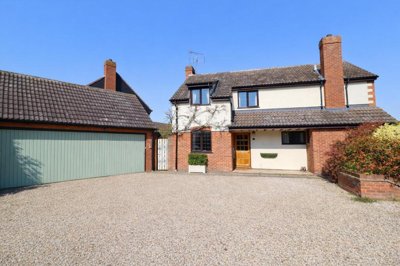
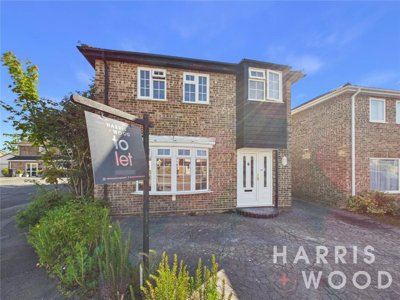
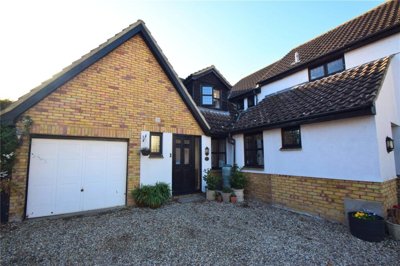
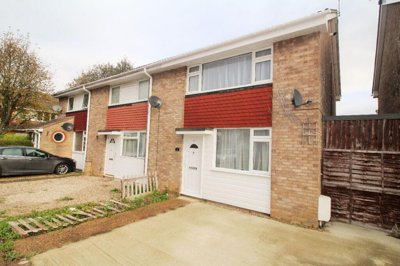
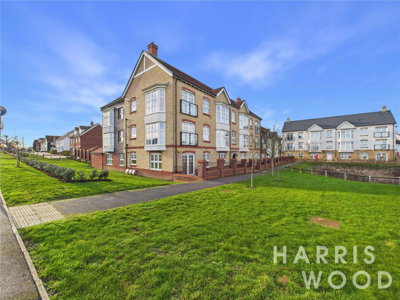
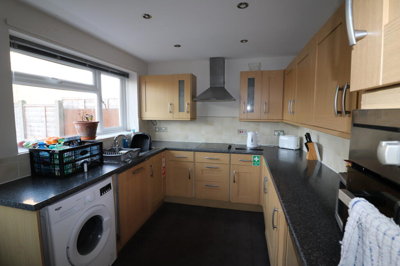
Browse 6 rental homes to rent in Terling, Braintree from local letting agents.
£0/m
0
0
0
Source: home.co.uk
Terling's rental market is smaller than the urban centres, but it still gives renters real choice in a countryside setting. The village sits in the CM3 postcode area, and nearby schemes such as Millview Park on Braintree Road show the spread of homes in the wider area, with two-bedroom homes starting from £350,000 for purchase, three-bedroom properties around £485,000, and four-bedroom homes from £560,000. Those figures matter to tenants as well, because landlords price rents against purchase values and the yield they need. In Terling CM3, semi-detached properties have sold at an average of £475,000, while detached homes average between £666,111 and £781,667 depending on location and specification, which points to a premium family market.
Terling's tenure mix is part of its appeal. 58% of households are owner-occupied, the private rented sector makes up 35% of accommodation, and social rented housing is just 7%, so renters join a village that is still largely owner-led. That often brings a steadier feel to neighbourhoods and stronger local ties. Homes to rent usually include traditional cottages, converted barns and modern properties in small developments, with options for different household sizes. On The Street in Terling CM3, the average sold price is £538,321, which underlines the premium attached to this village address.
Sales activity has been thin, with just one semi-detached and three detached homes changing hands in the last year, and that tells us how tightly held the market is. It affects rentals too, so suitable homes tend to disappear quickly. Moulsham Green View, two miles from Chelmsford City and marketed as having just four properties, is a good example of how limited new-build supply is nearby. For anyone looking for modern accommodation close to Terling, keeping a close eye on listings across CM3 and the surrounding postcodes is essential.

We list homes in Terling because this Essex village combines rural calm with day-to-day practicality. It sits in the Terlings & Fairstead electoral ward, which recorded 429 households in the 2021 Census, so it is small enough for neighbours to know one another by name. The River Ter runs through the parkland around Terling Place, adding to the greenery and giving residents pleasant walking routes. Around The Street, the centre still has plenty of historic character, with listed buildings from different periods, including 25 and 27 The Street and a string of old barns across the village.
Terling's history is rooted in farming. Arable crops and sheep rearing once sat alongside tanning, weaving, malting and flour milling, and that agricultural feel still shapes the village today. Settled since Roman times, it also has a conservation area that protects the historic core from unsuitable development. Residents get countryside walks, village events and the sort of community spirit that smaller places often foster. Terling Place, with its nine Grade II* listed structures, brings a layer of aristocratic heritage into everyday working village life.
In the ward data, 43.7% of households in Terling and Fairstead are economically inactive, above the 36.9% seen across the wider Braintree district. Even so, unemployment in the Hatfield Peverel and Terling ward is well below the Braintree and Essex averages, which suggests a comparatively healthy local economy and steadier household incomes. That kind of profile feeds into the rental market, where landlords can justify rents that reflect demand from families and professionals who want village living without losing transport links.

Families who rent in Terling have school options both in the village catchment and further afield. Terling sits in the Braintree district education catchment, with primary schools in nearby villages and towns such as Hatfield Peverel, Witham and the surrounding area. Secondary education is usually taken in Witham or Chelmsford, and grammar school choices are available in the wider area for academically able pupils. The unemployment rates in the Hatfield Peverel and Terling ward are also better than the Braintree and Essex averages, which helps support local school resources and family services.
Because much of Terling is historic, some properties along The Street and around Terling Place may fall into particular primary school catchments depending on the exact address. Parents should check those boundaries with Essex County Council before committing to a tenancy, as admissions can be competitive in popular rural places. Secondary school journeys into Chelmsford usually need transport, so being close to bus routes or having a car matters for families with school-age children. The village also has 75 listed buildings, which means some homes carry heritage constraints or conservation rules, though those rarely affect school access.
For families putting education first, homes nearer Hatfield Peverel can mean shorter trips to primary schools. Those working in Chelmsford may prefer the southern side of Terling near the A12 corridor, where the commute to secondary schools is easier to manage. Strong employment levels in the ward point to an active community, and local families often take part in village events and school activities, which gives rural schooling in Essex its supportive feel.

Our property search includes Terling homes with access to transport links that tie the village to major employment centres. The settlement sits between Witham and Chelmsford, and the A12 trunk road gives direct access to Colchester, Ipswich and the M25 motorway network beyond. Nearby Hatfield Peverel railway station on the Great Eastern Main Line runs regular services to London Liverpool Street, usually taking about 35-40 minutes, so commuting into the capital remains realistic. Chelmsford city centre adds more rail services and bus connections, while Witham station gives another rail option.
Local buses connect Terling with surrounding villages and market towns, although the timetable is thinner than in urban areas, so a car helps if you do not have private transport. Cycling is common for shorter trips, but the narrow country lanes call for care. Commuters to Braintree or nearby market towns will usually find the journey manageable, and Chelmsford is normally about 20-25 minutes by car. The Braintree district continues to see infrastructure improvements, but renters still need to match any home to their own travel pattern and transport needs.
The A12 corridor is key for jobs in Colchester, Ipswich and beyond, and the link to the M25 also opens up London orbital locations and other destinations. For people working in Chelmsford city centre, trains and occasional buses give some flexibility, although the roughly 20-minute drive remains the most dependable choice for anyone with a car. Terling's position between Hatfield Peverel and Witham stations also gives rail users a choice, with both stations serving the Great Eastern Main Line towards London Liverpool Street.

Renting in Terling means taking a few local factors seriously that do not usually matter as much in urban markets. The geology is one of them, because the underlying London Clay Formation is highly prone to shrink-swell behaviour, which can create subsidence risks that vary from one part of the village to another. Homes built on, or close to, that clay can move when a dry spell is followed by heavy rain, so the ground conditions are worth checking before a tenancy is signed. A RICS Level 2 survey, from around £480 for properties in Terling, can pick up structural issues and ground stability concerns that a standard viewing will miss.
Terling's conservation area status, along with the 75 listed buildings, means some rental homes are subject to planning controls that affect alterations and improvements. Renters should know that listed building consent can be needed for certain changes, and any unauthorised work done by earlier occupiers becomes a problem for new owners. Homes on The Street and near Terling Place are especially likely to bring heritage considerations. The age of much of the stock, with buildings dating back to Roman times and plenty from the sixteenth century onwards, also means damp, outdated electrics and timber defects crop up more often than in newer developments. Energy efficiency needs a close look too, because older homes may cost more to heat and have fewer insulation measures.
Traditional Terling construction, including the grey brick with limestone dressings seen at Terling Place and timber framing in older cottages, creates maintenance demands that are different from modern brick-and-block builds. Lime mortar, used in buildings before the twentieth century, needs a different repair approach from cement-based mortar, and poor repairs can speed up the loss of historic fabric. Many period homes still have single-pane windows, solid walls without cavity insulation and older heating systems, all of which can push energy costs higher than in newer properties. Our inspectors often find damp in older Terling homes, especially rising damp where the original damp-proof course has failed or was never installed.
Structural movement is another issue to keep in mind. The clay geology can leave foundations vulnerable to shrink-swell movement, and our team has seen similar Essex villages where this has led to cracking walls, uneven floors and doors or windows that no longer shut properly. Minor movement is common in older homes, but more serious structural defects need professional assessment. The River Ter running through the village parkland also means flood risk should be checked, so prospective renters ought to look at Environment Agency flood maps for the exact property before they commit.

We recommend speaking to rental budget providers before any viewings so an agreement in principle is ready. Landlords usually ask for proof of income and referencing, and having that paperwork in place makes the application process much quicker. In a rural market like Terling, being financially ready can put your application ahead of other prospective tenants.
Take time to walk around Terling and get a feel for the village, its schools, transport links and local amenities. Visit at different times of day, and check Environment Agency flood information because the River Ter runs through the area. Looking at the 429 households and the close-knit community helps prospective renters decide whether village life suits the way they want to live.
We advise contacting local letting agents to arrange viewings of any available rental homes. In a smaller market such as rural Terling, properties do not come up as often as they do in urban areas, so it makes sense to register with more than one agent. With only 35% of households in private rented accommodation, the village itself has limited rental stock, and widening the search into the surrounding CM3 postcode area can open up more choice.
A RICS Level 2 survey from around £480 is worth considering if you want to pick up structural issues early, especially with the clay soil conditions and the age of many homes. It matters even more for period cottages and listed buildings, where construction methods differ sharply from modern standards. Our inspectors look for damp, timber deterioration, roof problems and any subsidence risk linked to the local geology.
Once we have identified a property, the referencing stage usually includes credit checks, employment verification and landlord references. First-time renters should also allow for a deposit, typically five weeks' rent, and possibly a guarantor agreement. In rural Essex villages like Terling, the process often moves faster than in urban markets, because landlords tend to favour tenants who show a genuine interest in the community.
We always recommend an inventory check at move-in, so the property's condition is recorded and the deposit is protected. Utilities and council tax accounts can then be transferred, and life in this historic Essex village can begin. Given the age of many Terling homes, any repairs or improvements should be arranged promptly, because contractors in rural areas can have longer lead times than their urban counterparts.
Public rental price data for Terling is not recorded in the same way as sales prices, but local rents are still shaped by the sales market, where average values run from £475,000 for semi-detached homes to £666,111-£781,667 for detached properties in the CM3 area. Comparable two-bedroom homes in nearby Essex villages usually rent from £900-£1,200 per month, while three or four-bedroom family homes sit around £1,300-£1,800 per month depending on condition and specification. For current availability in Terling, contact local letting agents.
Braintree District Council sets council tax bands in Terling, and the band varies from property to property. Historic and listed homes in the village often fall into bands B through E, although the exact band depends on the property's assessed value. Properties on The Street and within the conservation area may still be tied to earlier banding systems because of their heritage status. Before you agree to a tenancy, ask the landlord or agent for the council tax band, since it is part of the monthly cost of renting.
School provision within Terling itself is limited, so primary-aged children usually attend schools in nearby villages such as Hatfield Peverel or elsewhere in the surrounding area. Essex County Council handles admissions, so catchment areas should be checked for the exact address. Secondary choices include schools in Witham and Chelmsford, and grammar school places are available for pupils who pass the 11+ selection process. The Hatfield Peverel and Terling ward also shows strong employment rates, which points to good community support for education.
Public transport in Terling is sparse compared with urban areas. Buses link the village with Witham and neighbouring villages, although they run less often. Hatfield Peverel railway station gives access to London Liverpool Street in about 35-40 minutes, and it can be reached by car or, in some cases, by bus. Chelmsford adds extra rail and bus connections, while car ownership is useful in Terling. Even so, the village's A12 corridor position still provides decent road access to places such as Colchester and the M25.
Terling offers a strong quality of life for people who want rural living with decent transport links. The village has a close community, striking historic architecture including 75 listed buildings, and countryside walks along the River Ter. The rental market is smaller than in urban areas, with only 35% private rented accommodation, but that can help give neighbourhoods a steadier feel. Transport needs and the age of the housing stock both deserve careful thought, because public services are limited and many homes need upkeep or bring heritage restrictions. For anyone who values village life and historic character, Terling is hard to beat.
Under the Tenant Fees Act 2019, standard deposits on rental properties in England are capped at five weeks' rent. For a typical family home renting at £1,500 per month, that works out at a deposit of £3,461. Tenants should also budget for referencing fees, usually £100-£300 per applicant, and inventory check costs of around £100-£200. Since April 2024, holding deposits have been capped at one week's rent. First-time renters should not forget removal costs and the possibility of furnishing the property, as Terling rentals may come without white goods or furniture.
Much of Terling predates modern building standards, and in many cases the construction goes back to the sixteenth century or earlier. Common problems include damp from failed or missing damp-proof courses, timber defects such as rot and woodworm, and old electrical systems that may fall short of current safety expectations. The underlying London Clay is prone to shrink-swell movement, which can create a subsidence or structural movement risk in some homes. We recommend a thorough inspection before any tenancy in a period property, especially where the home is a historic cottage or a converted agricultural building.
The River Ter runs through the parkland around Terling Place, giving the village a very attractive setting and a network of walking routes for residents. It adds to the local environment, but renters should still check Environment Agency flood risk maps for the exact property, especially in lower-lying spots near watercourses. Heavy rainfall can also bring surface water flooding across Essex, and the clay geology affects drainage patterns. Homes near the river may attract wildlife too, including waterfowl, which is part of rural village life but may not suit every tenant.
🏠
A RICS Level 2 Survey can identify structural issues, ground stability concerns and defects common in older Terling homes. From £480
💷
We suggest getting an agreement in principle before property viewings, because it shows landlords you are financially ready. From 4.5% APR
✓
Our referencing service covers credit checks, employment verification and landlord references. From £99
📋
An Energy Performance Certificate is required for all rental properties, and it assesses insulation and heating efficiency. From £85
Getting the costs straight makes moving to Terling much easier to plan. The deposit, capped at five weeks' rent under the Tenant Fees Act 2019, is the biggest upfront cost, and it must sit in a government-approved deposit scheme within 30 days of receipt. For example, a three-bedroom period cottage in Terling renting for £1,500 per month would need a £3,461 deposit, while a family home at £1,800 per month would need £4,154. Those deposits are returned at the end of the tenancy, less any deductions for damage or unpaid rent beyond reasonable wear and tear.
Referencing fees usually fall between £100 and £300 per applicant, covering credit checks, employment verification and landlord references. An inventory check at move-in, normally £100-£200, protects both sides by recording the property's condition. Some landlords ask for a holding deposit of up to one week's rent to take the home off the market while references are checked, and that amount is credited against the main deposit on completion. First-time renters should also allow for removal costs, any furniture they need to buy and connection fees for utilities and internet services. Our platform recommends getting a rental budget agreement in principle before you start viewings, because it shows landlords you are financially ready and can strengthen an application in a competitive market.
The age and character of many Terling rental homes can mean extra budgeting for maintenance or repairs that only become obvious after the move. Older cottages and converted barns often need work on electrics, heating efficiency and structural upkeep that is the landlord's responsibility, although arrangements can take time. Prospective tenants should keep a clear record of all communication with landlords about reported issues, and inventories ought to record the condition of the property in detail. With rental stock limited in rural Terling, a good relationship with local letting agents helps keep access open to new listings as they appear in this competitive village market.
Properties to Rent In London

Properties to Rent In Plymouth

Properties to Rent In Liverpool

Properties to Rent In Glasgow

Properties to Rent In Sheffield

Properties to Rent In Edinburgh

Properties to Rent In Coventry

Properties to Rent In Bradford

Properties to Rent In Manchester

Properties to Rent In Birmingham

Properties to Rent In Bristol

Properties to Rent In Oxford

Properties to Rent In Leicester

Properties to Rent In Newcastle

Properties to Rent In Leeds

Properties to Rent In Southampton

Properties to Rent In Cardiff

Properties to Rent In Nottingham

Properties to Rent In Norwich

Properties to Rent In Brighton

Properties to Rent In Derby

Properties to Rent In Portsmouth

Properties to Rent In Northampton

Properties to Rent In Milton Keynes

Properties to Rent In Bournemouth

Properties to Rent In Bolton

Properties to Rent In Swansea

Properties to Rent In Swindon

Properties to Rent In Peterborough

Properties to Rent In Wolverhampton

Enter your details to see if this property is within your budget.
Loans, cards, car finance
Estimated property budget
Borrowing + deposit
You could borrow between
Typical borrowing
Monthly repayment
Est. at 4.5%
Loan-to-value
This is an estimate only. Your actual budget may vary depending on interest rates, credit history, and personal circumstances. For an accurate affordability assessment, speak to one of our free mortgage advisors.
This calculator provides estimates for illustrative purposes only and does not constitute financial advice. Your home may be repossessed if you do not keep up repayments on your mortgage. Estimates based on 4.5% interest rate, repayment mortgage. Actual rates depend on your circumstances.
Homemove is a trading name of HM Haus Group Ltd (Company No. 13873779, registered in England & Wales). Homemove Mortgages Ltd (Company No. 15947693) is an Appointed Representative of TMG Direct Limited, trading as TMG Mortgage Network, which is authorised and regulated by the Financial Conduct Authority (FRN 786245). Homemove Mortgages Ltd is entered on the FCA Register as an Appointed Representative (FRN 1022429). You can check registrations at NewRegister or by calling 0800 111 6768.

We use cookies to show you personalised content and improve your experience of our website. Find out more in our Privacy policy and Cookie policy.