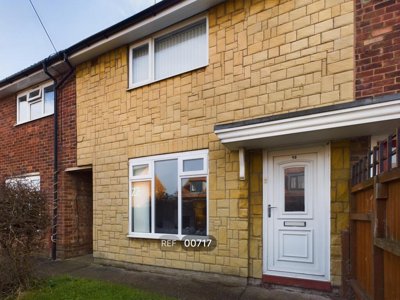
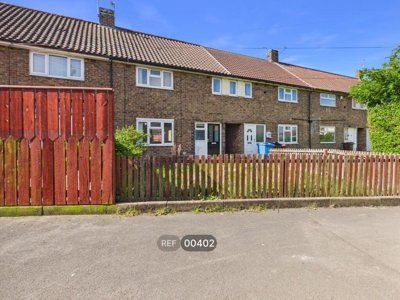
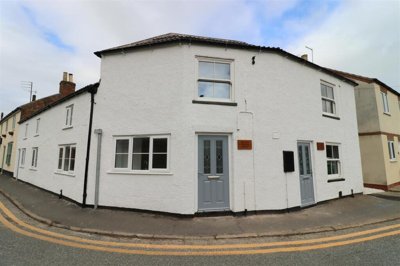
Browse 3 rental homes to rent in Swine, East Riding of Yorkshire from local letting agents.
The 2 bed house market features detached, semi-detached, and terraced properties with two separate bedrooms plus living spaces. Properties in Swine range from Victorian and Edwardian period homes to modern new builds, with pricing varying across different neighbourhoods.
£0/m
0
0
0
Source: home.co.uk
Showing 0 results for 2 Bedroom Houses to rent in Swine, East Riding of Yorkshire.
In Swine, the rental market follows the wider East Riding of Yorkshire pattern, where property prices have held up and edged up modestly in recent years. The East Riding recorded a 4.8% rise in average property prices in the year to December 2025, with semi-detached homes leading the way at 5.6%. Swine is small, so firm rental pricing data is limited, but the regional picture still gives useful guidance for tenants. Across the area, prices run from £10,000 to over £2,000,000, which shows the spread from modest cottages to sizeable country homes.
Detached homes in the East Riding sit at the top of the market, averaging about £337,000, while semi-detached properties are around £214,000 and terraced homes about £170,000. Flats and maisonettes are the most affordable, at roughly £103,000. For renters, that usually means the same pattern is reflected in monthly rent, with larger detached houses commanding the highest figures and smaller flats or terraces offering a lower-cost way in. The East Riding saw approximately 7,900 property sales in 2025, though that was 15.3% down on the previous year, which suggests a market settling after the post-pandemic surge.
Swine itself mixes older period homes with more recent rural properties. Because the village is in a conservation area, many houses retain traditional construction and character details, although that can bring higher upkeep. Most properties here date from the Georgian and Victorian eras, and Benningholme Hall, a Grade II listed Georgian mansion built between 1820 and 1830, is a strong example of the parish's architectural heritage. We would expect original beams, stone walls and period fireplaces in many homes, all of which add charm but may need specialist care.
New build activity in Swine is still very limited, with no active residential developments confirmed inside the village. By contrast, the wider East Riding has seen more building, and Yorkshire and Humberside recorded a 96% rise in new home registrations in Q2 2025 compared with the previous year. Most of that development has been in Hull and nearby towns rather than rural places like Swine. As a result, rental stock here usually means established period homes rather than brand-new properties, which suits tenants looking for genuine character.

Living in Swine means being part of a small rural community where people know one another and village habits still matter. With just 128 people across a low-lying agricultural landscape, the place offers the sort of quiet many city residents dream about. The mean age of residents is 48.7 years, which points to a settled community that has grown over time and values continuity. Families have often been here for generations, so new arrivals are stepping into a place with deep roots and strong local ties.
The village sits on the plain of Holderness, a geological area shaped by the Quaternary ice ages. It is mainly farmland, with scattered farmsteads and small hamlets, so the feel is open and spacious rather than built-up. Main Street is the main route through the village, though it is a no-through road serving a small number of homes and three working farms. That lack of passing traffic plays a big part in the calm atmosphere and makes the area a good fit for families with children, retirees, or anyone wanting to leave city noise behind.
Daily life in Swine does require a shift in habits compared with town or suburban living. There is no shop, post office or pub in the village, so regular trips to nearby towns for groceries, banking and other essentials are part of the routine. The nearest primary schools and shops are in surrounding villages, and most residents depend on a car for everyday errands. The trade-off is impressive countryside access, with footpaths and bridleways running through the surrounding farmland and offering miles of walking and cycling across the flat Holderness landscape.
The East Riding of Yorkshire has a mixed local economy, with manufacturing, agriculture, business services and retail all playing a part. Employment in manufacturing and the public sector is higher than the national average, and there are significant commuting flows into Hull, where approximately 33,000 residents travel for work each day. For people working from home or looking for flexible roles, the rural setting cuts down on distractions while still giving most properties reliable broadband connectivity.

Families looking to rent in Swine will find schools in the wider East Riding area. The village itself does not have its own primary school, but several primary schools serve the surrounding villages and communities. The East Riding of Yorkshire has a network of primary schools, from small village schools to larger sites in nearby towns. Parents should check catchment areas carefully, as they can vary quite a lot depending on the exact home within the HU11 postcode area and the surrounding districts.
Nearby primary options include schools in Skirlaugh, Withernsea and the villages around Swine, each with its own geographic catchment. The East Riding school network includes community schools and schools with a religious character, so families can choose from a decent range. Many village primaries offer small class sizes and close community links, although the facilities may be less extensive than those in larger town schools.
For secondary education, the area is served by comprehensive schools and academies across the wider Hull region. The East Riding has schools rated Good or Outstanding by Ofsted, though individual ratings should always be checked in the latest official Ofsted reports. Secondary schools in Beverley, Hull and Withernsea take pupils from the Swine area, and transport is usually arranged through the local education authority for those who qualify.
Older pupils have sixth form and further education colleges in Hull and Beverley, giving both academic and vocational routes after GCSEs. The University of Hull is also within reasonable commuting distance, so students can live at home while studying for undergraduate degrees. The East Riding generally sits in line with regional educational expectations, but families should visit specific schools and speak to local education authorities to confirm present performance data and admission arrangements. Transport to school does need thought, particularly for secondary pupils travelling to nearby towns.

Swine has the advantage of rural calm without losing practical access to key transport links. It is within comfortable reach of Hull, England's largest port city, which has extensive rail and road connections across the country. The A165 and A164 give direct routes into Hull and across the wider East Riding network, while the M62 is available for trips to Leeds, Manchester and farther afield. For people commuting to Hull, the drive is typically around 30 minutes, so day-to-day travel remains manageable despite the village setting.
From Hull railway station, direct services run to major destinations, including London Kings Cross, with the capital taking about two and a half hours. Regional services link cities across Yorkshire and the North of England, including Sheffield, York and Newcastle. The station has seen significant redevelopment in recent years, with better facilities and improved accessibility for passengers. For trips abroad, Hull's port offers ferry routes to continental Europe, while Leeds Bradford Airport and Humberside Airport are both within reasonable driving distance.
Bus services do run in the surrounding area, though rural routes naturally operate less often than urban ones. The East Riding has put money into better links between smaller communities and market towns, but less-used services may still need journeys planned in advance rather than left to chance. Residents should check the latest timetables for routes linking Swine with nearby villages and towns. For drivers, parking in Swine is usually straightforward because traffic volumes are low, although that is very different from the parking situation in Hull for commuters. Cycling works well on the quieter rural lanes, and Holderness is flat enough for longer rides to suit most fitness levels.
Most people commuting from Swine need a car, and the pattern is usually towards Hull or the surrounding towns. The net outflow of approximately 33,000 workers commuting from the East Riding to Hull daily reflects the region's employment structure. Even so, the rise of remote and hybrid working has changed the picture, and many residents can now cut down on commuting. That makes a village like Swine more practical for professionals and knowledge workers than it once was.

Before viewing properties in Swine, it makes sense to get a mortgage agreement in principle or at least confirm the rental budget. That puts us in a stronger position with landlords and helps clarify what is affordable in this East Riding village, where homes range from modest cottages to sizeable country houses. Rental prices across the East Riding vary widely, with larger detached homes attracting premium rents while terraces and flats offer a more accessible starting point.
We also advise checking the village's conservation status, local amenities and transport links. Swine has no village shop, so it is important to understand the distance to nearby towns for groceries and other services. The quiet rural setting comes with practical realities, including the 30-minute drive to Hull for major amenities. It is well worth walking the footpaths and getting a feel for the community before making a commitment.
Have a look at rentals in Swine and the surrounding East Riding area, then speak with local estate agents who handle properties in this HU11 postcode area. View more than one home so you can compare condition, character features and tenancy terms before deciding. Heating needs particular attention, because many period properties in Swine rely on oil or LPG rather than mains gas.
Once a property is found, the tenancy agreement needs a careful read. Homes in Swine may come with period features that call for specific maintenance arrangements. We would check who is responsible for garden upkeep, heating systems and any historic building maintenance with the landlord. Because the village sits in a conservation area, some homes may also face restrictions on alterations or external changes.
Tenant referencing will usually include credit checks, employment verification and landlord references. In a conservation area, it is also sensible to confirm any limits on pets, modifications or business use that might apply. Standard costs should be budgeted for too, including the deposit, capped at five weeks' rent, the first month's rent and any referencing fees.
When the move is arranged, transfer the utilities and notify everyone who needs your new address. This is also a good moment to introduce yourself to neighbours in a close-knit village and explore the surrounding footpaths and countryside that make life here so rewarding. Register with East Riding of Yorkshire Council for council tax, and sort out connections for utilities such as broadband and heating fuel.
Anyone renting in Swine needs to think carefully about local conditions that set the village apart from more ordinary places in the East Riding. Flood risk is the biggest environmental issue, because Swine sits in a low-lying area with a history of flooding on the lower grounds and in the Lambwath valley. The East Riding has seen major flooding in 2007 and 2013, and more than 20,000 households in the region sit within high-risk flood zones. Drainage work has been carried out, including widening of the Swine Church drain, but we would still advise checking a specific flood risk assessment for any property under consideration.
Swine's conservation area status brings both advantages and limitations. Homes here are subject to planning controls designed to protect the historic character, so alterations, extensions or major changes to the exterior usually need consent from East Riding of Yorkshire Council. For tenants, that affects what can be changed in a rental home, even when the landlord agrees. The village also has listed buildings, including the Grade I Priory Church of St Mary the Virgin and Grade II listed Benningholme Hall, so some properties carry heritage obligations beyond a standard tenancy.
Because Swine is rural, broadband, mobile phone reception and distances to essential services all matter. There is no shop or pub in the village, so travel to nearby towns for groceries and day-to-day services is part of normal life. Some properties rely on oil or LPG heating rather than mains gas, which affects running costs and should be allowed for in the budget. Many homes are older too, so heating systems, insulation and electrical installations may be less modern than newer equivalents, and they deserve a close inspection before a tenancy is taken on.
The geology of the East Riding also brings a few property-condition points to keep in mind. Holderness, where Swine sits, was shaped by the Quaternary ice ages and is made up largely of drift deposits over chalk. In places with clay formations, ground movement can happen in prolonged dry summers, which may lead to subsidence issues. A full inventory check at the start of a tenancy is the best way to record the property's condition and protect both tenant and landlord from arguments later on.

Swine's tiny population of just 128 residents means detailed rental pricing data for the village itself is limited. Even so, the wider East Riding of Yorkshire gives a useful benchmark, with average property prices around £246,000 for sales and regional rental rates that vary by property type. Detached homes in the East Riding average around £337,000 in value, while flats average about £103,000, so rental figures tend to follow a similar pattern. For current rental pricing in Swine, we recommend speaking to local estate agents who handle properties in the HU11 postcode area. It is sensible to ask more than one agent for quotes so the rental terms and available homes can be compared properly.
Properties in Swine fall under East Riding of Yorkshire Council. Council tax bands in the area run from A through to H, depending on property value and characteristics. Band A covers the lowest valuations, while Band H is for the highest value homes. Many older period properties in Swine's conservation area may sit in the lower to mid-range bands because of their traditional construction and village setting. We would ask landlords or letting agents for the council tax band during enquiries, as it is part of the ongoing cost of renting in the village.
The village itself has no primary school, so families rely on schools in the surrounding villages and towns. East Riding of Yorkshire maintains a network of primary and secondary schools that are accessible from Swine. Beverley and Hull offer broader choice, including grammar schools and academised secondary schools. Parents should check current Ofsted ratings and admission catchment areas directly with East Riding of Yorkshire Council, because these arrangements can change and also vary by exact location within the postal area. School transport and bus services should be confirmed before a rental property in Swine is signed for.
Public transport from Swine reflects its status as a rural village, with bus services running less often than those in urban areas. The nearest regular routes link Swine with nearby towns and villages, although current timetables should always be checked. Hull railway station, which is about 30 minutes away by car, offers wide-ranging national rail connections, including direct services to London Kings Cross that take around two and a half hours. For everyday commuting, most residents will still find a car the most practical choice, though the village's position near the A165 and the M62 keeps regional travel straightforward for drivers.
Swine offers a distinctive rental choice for anyone looking for real village life while staying within reach of urban amenities. Its conservation status, historic character dating to the 12th century and peaceful atmosphere make it attractive to people who value rural living and heritage. The close-knit community is welcoming to newcomers, yet the quiet, traditional feel of the village remains intact. Still, prospective renters need to be ready for rural realities, including travelling for most services, limited public transport and no local shops or pubs within the village itself. For the right tenant who wants countryside tranquillity with access to Hull, Swine gives an authentic Yorkshire village experience.
In England, standard rental deposits are capped at five weeks' rent, worked out from annual rent values. For a property renting at £1,000 per month, that means a £2,500 deposit. Tenants should also plan for the first month's rent in advance, any agency fees if they apply, and the cost of references or checks. With a Homemove mortgage or rental budget agreement in principle, we can show landlords that the figures are in place before committing. We always ask letting agents for a full breakdown of costs before any rental application in the Swine area goes ahead.
Flood risk deserves careful thought for anyone renting in Swine. The village sits in a low-lying part of the East Riding, with a historical pattern of flooding on the lower grounds and in the Lambwath valley. Significant flooding events hit the region in 2007 and 2013, and the wider East Riding has more than 20,000 households within high-risk flood zones. Drainage improvements have been carried out, but prospective tenants should ask for a specific flood risk assessment for any property and think about whether the risk is acceptable for their circumstances. Landlord insurance cover for flood damage should also be checked before a tenancy agreement is signed.
Properties within Swine's conservation area, designated in 1991, sit under planning controls meant to preserve the village's historic character. The rules mainly affect owners, but tenants should still know that changes to a property, even with landlord consent, may need planning approval from East Riding of Yorkshire Council. The village's listed buildings, including the Grade I Priory Church and Grade II listed Benningholme Hall, come with further heritage obligations. We would ask the landlord exactly what alterations are allowed during the tenancy and whether there are any limits on pets, business use or changes to the property's appearance.
It pays to understand the costs of renting in Swine before committing, so the budget is clear from the start. The standard deposit in England is five weeks' rent, and that cap is there to protect tenants while still giving landlords security. For instance, a property renting at £950 per month would need a £2,185 deposit. That deposit must be protected in a government-approved scheme within 30 days of receipt, and tenants should receive full details of where the money is held. We always recommend asking for written confirmation of deposit protection and checking the conditions under which deductions may be taken at the end of the tenancy.
There are other costs to plan for as well, including the first month's rent, which is usually paid before moving in, plus any upfront fees charged by letting agents or landlords. These may cover referencing, administration or check-in, although the Tenant Fees Act 2019 has limited certain charges. Inventory checks at the start and end of the tenancy are standard, and the check-out inventory is what determines any deposit deductions for damage beyond fair wear and tear. For older homes in Swine's conservation area, the inventory should record the condition of period features, historic fittings and any existing issues that should not be charged to the deposit.
Moving costs should also be included in the budget, from removal services and utility connection fees to council tax registration. Properties in Swine may have non-standard heating arrangements such as oil or LPG systems, so connection to the right fuel suppliers will be needed. Broadband and phone installation can take longer in rural locations, which is why arranging those services early is sensible. By understanding the full cost of renting up front, we can approach a Swine tenancy with confidence and avoid financial strain during what ought to be a welcome move into village life.
Free
Free check to see what we can afford to rent in Swine and the surrounding East Riding area
From £49
Complete referencing service, including credit checks and employment verification, required by Swine landlords
From £400
Professional survey recommended for older properties with period features in Swine's conservation area
From £85
Energy performance certificate needed for rental properties, especially important for older Swine homes
Properties to Rent In London

Properties to Rent In Plymouth

Properties to Rent In Liverpool

Properties to Rent In Glasgow

Properties to Rent In Sheffield

Properties to Rent In Edinburgh

Properties to Rent In Coventry

Properties to Rent In Bradford

Properties to Rent In Manchester

Properties to Rent In Birmingham

Properties to Rent In Bristol

Properties to Rent In Oxford

Properties to Rent In Leicester

Properties to Rent In Newcastle

Properties to Rent In Leeds

Properties to Rent In Southampton

Properties to Rent In Cardiff

Properties to Rent In Nottingham

Properties to Rent In Norwich

Properties to Rent In Brighton

Properties to Rent In Derby

Properties to Rent In Portsmouth

Properties to Rent In Northampton

Properties to Rent In Milton Keynes

Properties to Rent In Bournemouth

Properties to Rent In Bolton

Properties to Rent In Swansea

Properties to Rent In Swindon

Properties to Rent In Peterborough

Properties to Rent In Wolverhampton

Enter your details to see if this property is within your budget.
Loans, cards, car finance
Estimated property budget
Borrowing + deposit
You could borrow between
Typical borrowing
Monthly repayment
Est. at 4.5%
Loan-to-value
This is an estimate only. Your actual budget may vary depending on interest rates, credit history, and personal circumstances. For an accurate affordability assessment, speak to one of our free mortgage advisors.
This calculator provides estimates for illustrative purposes only and does not constitute financial advice. Your home may be repossessed if you do not keep up repayments on your mortgage. Estimates based on 4.5% interest rate, repayment mortgage. Actual rates depend on your circumstances.
Homemove is a trading name of HM Haus Group Ltd (Company No. 13873779, registered in England & Wales). Homemove Mortgages Ltd (Company No. 15947693) is an Appointed Representative of TMG Direct Limited, trading as TMG Mortgage Network, which is authorised and regulated by the Financial Conduct Authority (FRN 786245). Homemove Mortgages Ltd is entered on the FCA Register as an Appointed Representative (FRN 1022429). You can check registrations at NewRegister or by calling 0800 111 6768.

We use cookies to show you personalised content and improve your experience of our website. Find out more in our Privacy policy and Cookie policy.