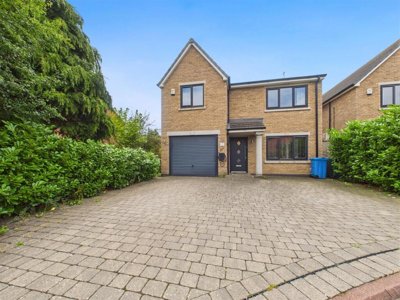
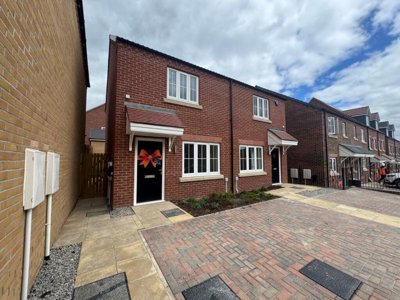
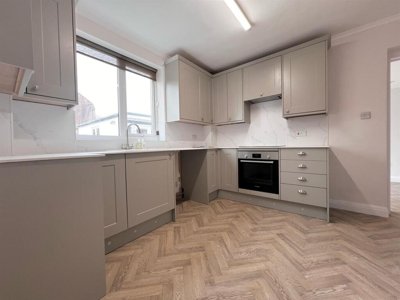
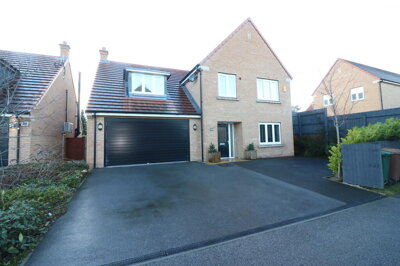
Browse 4 rental homes to rent in Swanland, East Riding of Yorkshire from local letting agents.
The Swanland property market offers detached, semi-detached, and terraced houses spanning various price ranges and neighbourhoods. Each listing includes detailed property information, photographs, and direct contact with the marketing agent.
£1,800/m
1
0
94
Source: home.co.uk
Showing 1 results for Houses to rent in Swanland, East Riding of Yorkshire. The median asking price is £1,800/month.
Source: home.co.uk
Detached
1 listings
Avg £1,800
Source: home.co.uk
Source: home.co.uk
Swanland’s rental market mirrors the village’s appeal as a residential spot within easy reach of Hull. You’ll see Victorian and Edwardian terraces, interwar semi-detached houses, and, from the 1960s onwards, more contemporary detached family homes built during the main expansion phases. The Swanland Conservation Area keeps the linear street pattern intact, with mostly two-storey historic housing still in residential use and, from time to time, offered for rent. For something with real character, there are timber-framed cottages at West End dating from the late 16th or early 17th century, while post-war homes tend to bring larger gardens, off-street parking, and more practical room layouts.
New build rentals are starting to appear as Swanland moves ahead with its Local Plan allocations. Land West of Sykes Close has planning permission for homes to the north and west of the village, and there is room for 17 dwellings beyond those already completed. The wider scheme allows for up to 150 dwellings in total, so the local stock will keep changing. For renters, that means a market that runs from older village houses to newer builds with better insulation, modern heating, and open-plan living. On the sales side, detached homes average £517,552, semi-detached properties sit at £218,985, and flats average £112,250, with rents usually following those values depending on condition and specification.
Getting a feel for the local market helps renters judge value properly. Main Street commands different rents from newer estates, and homes inside the Conservation Area may fetch a premium because of their historic character and their setting near the village pond. Streets such as Swanland Garth and Kemp Road also tend to sit at the higher end, which shapes wider perceptions of the village. That said, there are still more affordable options dotted around Swanland. Local letting agents who know the market well can be useful here, especially when the brief is specific and the budget is tight.

Swanland has the sort of village feel people tend to move for, with historic charm, an active community, and open countryside close by at the edge of the Yorkshire Wolds. The village pond gives the centre its focus, with mature trees and old buildings around it making an attractive setting for day-to-day life. Local provision includes a Morrisons Daily convenience store, post office, library, and heritage centre, so the essentials are within walking distance for many residents. Once rooted in agriculture and milling, the village economy now mixes small-scale commerce with housing growth, while Hull remains the main draw for wider employment.
Community life in Swanland is helped along by regular events, local clubs, and Swanland Primary School, which acts as a hub for many families. The village hall puts on activities through the year, and pubs and other shared spaces give people somewhere to meet. For walkers and cyclists, the surrounding countryside is a real advantage, with the higher ground of Welton Wold and Welton Dale to the west. About two miles north of the Humber Estuary, the village has the benefit of views and elevation without the flood concerns that affect lower-lying places. Families, professionals commuting into Hull, and long-term residents all make up the mix here, many of them drawn by the village’s steady change without losing its character.
At 50-90 metres above sea level, Swanland sits above the Humber Estuary’s flood risk areas and still keeps fairly level ground for cycling and local journeys. Old chalk extraction pits outside the village have shaped part of the landscape, and the hill Swanland stands on gives wide views across the East Riding countryside. Tenants get immediate access to footpaths and bridleways, but Hull is still within reach thanks to the regular bus service. It is an appealing blend, village character, community spirit, and enough connectivity to make city life workable.

Swanland Primary School sits at the centre of education in the village and is a major local employer as well as a key institution for families. Because Swanland has long attracted households with children, the school benefits from stable numbers and settled educational provision. Secondary schooling is usually found in surrounding towns, with a number of choices within reasonable bus or car commuting distance. For families with younger children, that makes Swanland especially attractive, since roots can be put down locally before the move on to secondary school.
Families renting in Swanland need to check catchment areas and admissions policies carefully, because they can make a big difference to older children’s schooling options. Hull’s proximity opens the door to a wider range of secondary schools, including grammar schools and academies with specialist subjects. It is sensible to visit schools during the admissions consultation period and to work out how transport will run for secondary education before committing. The village library also adds to the picture, with educational resources and community programmes that sit neatly alongside formal schooling and help give Swanland its family-friendly feel.
The 2021 Census put Swanland’s population at 3,961 residents, up from 3,802 in 2011, and families make up a substantial part of that total. Swanland Primary School is a key anchor for village life, and its presence helps draw in households that want both village schooling and easy access to wider amenities. The school’s links with the community mean pupils can take part in village events and activities too. Parents looking to rent here should still check current admissions arrangements and transport options, especially if secondary schools outside the immediate village area are being considered.

Transport is one of Swanland’s stronger selling points. An hourly bus service links the village with Hull city centre, and the journey usually takes around 30-40 minutes, traffic depending. Hull itself brings a wide spread of jobs, shops, healthcare, and leisure, including theatres, museums, and restaurants, without the costs that come with living in the city centre. For commuters heading into Hull or to the Key Employment Site at Melton to the west, Swanland is well placed for the daily run. The nearby A63 also gives direct access to Hull and links to the national motorway network through the M62, opening the route to Leeds, Sheffield, and further afield.
Travelling beyond the local area is straightforward enough as well. Hull’s railway stations connect to major cities, including London King's Cross, with journey times of around two and a half hours. Swanland’s position at 50-90 metres above sea level keeps it above the Humber Estuary flood risk areas, while the terrain remains fairly even for cycling and everyday travel. Weekend and evening bus services can be thinner on the ground, so people who work late or rely on public transport at those times may find a car or a flexible schedule helpful. Those working from home get the benefit of a quiet residential setting without losing the ability to stay connected.
Between Hull and the Yorkshire Wolds, Swanland works well as a base for people who travel regularly for work or for leisure. The A63 gives access to Hull’s port facilities and to the M62 network, while the elevated setting keeps the countryside in view without cutting the village off. Anyone without a car should look closely at bus frequencies, especially if their hours are irregular or weekend travel is likely to be part of life. It is that mix of rural setting and practical transport links that gives Swanland its appeal.

Before committing to a rental in Swanland, it pays to spend time in the village at different times of day and on different days of the week. That gives a better sense of the atmosphere, noise, and how the community feels in practice. Drop into the village pond area, Morrisons Daily, and the local pubs, then see whether the place fits your routine. A walk out towards Welton Dale and the Yorkshire Wolds will also show what recreational space is on the doorstep. If possible, speak to residents too. Commuting, school provision, and the day-to-day realities of village life are often best understood that way.
Sort out a rental budget agreement in principle before you start viewing, because landlords usually want confidence that the finances are there. We would need to see proof of income, employment status, and any guarantors if they are required. Having that ready can speed the application along in a market where competition can be sharp. Most letting agents ask for income worth two and a half to three times the annual rent, plus employer references and, in some cases, a credit check. First-time renters, or anyone without a UK rental history, may need extra guarantees or a larger deposit to secure a place in Swanland.
Once you have a shortlist, contact local letting agents to arrange viewings in Swanland. Take notes on condition, flag any maintenance concerns, and ask about the tenancy terms, deposit amount, and what is included. In the Conservation Area, some homes come with conditions linked to preserving character features, so it is worth understanding those before you commit. Compare several properties, looking at condition, location within the village, and overall value. It is also sensible to ask how long the landlord prefers the tenancy to run, and whether there is any prospect of renewal or a longer stay if stability matters.
Before a tenancy agreement is signed, make sure the rights and responsibilities are clear. That means understanding what the deposit protects, how repairs and maintenance requests are dealt with, and which notice periods apply. Swanland includes historic buildings, and issues such as damp can call for specific approaches. Ask for the proposed agreement well ahead of signing, and do not be shy about asking for plain explanations where anything is unclear. The deposit protection scheme details should arrive within 30 days of the tenancy starting, along with confirmation of which scheme is being used.
After an application is accepted, identification, employment references, the deposit, and the first month’s rent will usually be needed. The deposit has to be protected in a government-approved scheme within 30 days. Before move-in day, carry out a full inventory check so the property’s condition is recorded properly and disputes are less likely later on. Photograph every room, note any existing damage or wear and tear, and make sure the images are attached to the inventory. We would also expect to see copies of the gas safety certificate, the electrical report, and the energy performance certificate, all of which the landlord must provide by law.
Renting in Swanland means keeping a few local quirks in mind, especially if you are new to village living. Properties within the Swanland Conservation Area, designated by East Riding of Yorkshire Council in 1999, can be subject to planning restrictions on alterations, extensions, and external changes so the village’s historic character is kept intact. Tenants should ask what permissions exist for any modifications and be aware that consent for larger changes may be hard to get. The Conservation Area covers the linear street pattern of mostly Victorian, Edwardian, and interwar housing around the village pond, so many rental homes will have historic features that need careful upkeep.
Building materials around Swanland reflect the village’s long construction history. Many homes use brick or white painted render with natural clay pantile or slate roofs, and Rosemary tiles can also be seen across the village. Chimneys remain a strong feature of the roofscape. Older properties, especially those built before cavity wall construction, may be prone to damp, and original windows and doors can be less efficient than modern replacements. If you are renting a Victorian or Edwardian home, it is worth checking the roof, damp-proof course, and timber elements closely. The stock ranges from timber-framed structures dating from the 16th or 17th century to newer homes built from the 1960s onwards.
The age spread of properties in Swanland means the rental market runs from historic cottages that may date from the 17th century right through to homes from the ongoing development phases. Around two-thirds of the buildings in the village area are clearly historic, and there are ten entries in the Listed Buildings Register, including Swanland Hall, built in 1760, and Swanland House, built in 1862. Older houses have plenty of character, but tenants may need to accept period features that fall short of modern insulation or soundproofing standards. Homes built from the 1960s onwards generally come with more conventional layouts and specifications, although those from the 1960s and 1970s can still show their age in windows, heating systems, and bathroom fittings. Knowing the age and construction of a property gives a better sense of future maintenance and helps with negotiating sensible tenancy terms.

Rental values in Swanland vary by type and condition, but the sales market gives a useful guide to local pricing. Detached homes average £517,552, semi-detached homes sit around £218,985, and flats come in at about £112,250. Rents usually follow some proportion of those figures. One and two-bedroom flats tend to range from £650-£850 per month, semi-detached homes from £900-£1,200 per month, and larger detached houses from £1,300-£1,800 per month, depending on specification and where they sit in the village. Newer properties and recently renovated homes usually attract the highest rents, while unfurnished period properties can come in lower. Homes in the Conservation Area near the village pond often carry extra value because of their setting and character.
East Riding of Yorkshire Council handles council tax for Swanland properties. Bands depend on property value and age, and Victorian and Edwardian homes in the Conservation Area usually fall between bands C and E, while newer detached homes may sit in bands E or F. Swanland Hall and Swanland House, both historic properties from the 18th and 19th centuries, would likely sit higher still because of their size and value. Before taking a tenancy, ask for the exact council tax band from the landlord or letting agent, since this sits alongside rent and utility bills in the annual cost of living. The band can normally be checked on the Valuation Office Agency website using the address.
Swanland Primary School is the main educational establishment in the village, taking children from Reception through to Year 6. Its position is helped by the stable family population and by strong local links, including involvement in village events and activities at the village hall. For secondary education, families usually look to schools in places such as North Ferriby, Hessle, or Hull, all of which are reachable via the regular bus service. Anyone with school-age children should research performance data, admissions criteria, and transport arrangements before committing to a rental in Swanland. The village library adds extra educational resources and community programmes that support families alongside formal schooling.
Swanland has an hourly bus service into Hull city centre, with the trip usually taking around 30-40 minutes, traffic depending. That makes public transport workable for commuters in Hull and for anyone without a car who needs access to the city centre, including the railway stations for longer journeys. The central bus stop is easy to reach from most residential areas. Even so, services can be thinner on weekends and in the evenings, so anyone needing regular travel outside standard hours, or to places beyond Hull, should think carefully about the effect on daily routines and the possible need for a vehicle. For drivers, the A63 gives an alternative route into Hull and on to the M62 network.
Swanland offers a strong quality of life for renters who want village living with decent links to jobs and amenities in the city. It combines historic character with practical facilities, including a convenience store, post office, library, and heritage centre, all within walking distance of most homes. The community feels settled and active, and the countryside at the edge of the Yorkshire Wolds gives immediate access to walking, cycling, and wide views from the village’s elevated position. Sitting at 50-90 metres above sea level, it also has the benefit of flood protection while still staying connected to Hull’s services and the national motorway network through the A63. For families, professionals, and retirees alike, Swanland is a persuasive rental choice in the East Riding.
Deposits on Swanland rental homes are usually five weeks’ rent, and that cap comes from the Tenant Fees Act 2019. The money must be protected in a government-approved scheme within 30 days of the tenancy starting, and the tenant should get written confirmation. There are other costs to plan for too, including the first month’s rent in advance, any referencing fees charged by the letting agent, and possible inventory check costs. As a rough example, a property at £1,000 per month would mean about £1,000 for the first month’s rent, £1,250 deposit, and around £100-£200 in referencing and administration fees, so roughly £2,250-£2,500 before moving in. In the Conservation Area, some homes also come with extra maintenance expectations, which should be allowed for in the budget.
Swanland has ten entries in the Listed Buildings Register, among them West End properties from the early 18th century or earlier, the Congregational Chapel with attached screen walls and Sunday Schools, and notable buildings such as Swanland Hall and Swanland House. Availability to rent changes, of course, but anyone interested in a listed home should remember that listed status brings restrictions on alterations and modifications throughout the tenancy. West End, especially numbers 14 to 16A, includes timber-framed cottages from the late 16th or early 17th century that do occasionally come up for rent. Historic homes like these usually need more careful handling than modern ones, with period features often calling for specialist care.
Knowing the true cost of renting in Swanland helps keep budgeting realistic and avoids unwelcome surprises. Under the Tenant Fees Act 2019, the deposit is capped at five weeks’ rent, which offers a clear guard against excessive upfront charges. For a property at £800 per month, the maximum deposit would be £923, while a £1,200 per month property would carry a deposit capped at £1,385. That deposit has to be protected in one of three government-approved schemes within 30 days of the tenancy start date, and tenants should be given written confirmation of the scheme and their right to challenge deductions at the end of the tenancy.
First-time renters should remember that the first month’s rent is due in advance as well as the deposit, so two months’ rent is needed before moving in. There may also be referencing fees to confirm identity, employment, and landlord references, although some agents now waive these as a way to stay competitive. Inventory check fees, usually £100-£200, pay for professional recording of the property’s condition at the start and end of the tenancy, which helps protect both sides if there is a dispute later. Those renting period homes in Swanland’s Conservation Area should also allow for potential upkeep issues, since older properties can need attention for damp, timber defects, or ageing heating systems.
It is sensible to budget for the ongoing costs of renting in Swanland as well as the rent itself. Council tax, utility bills, internet, and contents insurance normally sit with the tenant, so they need to be included in the monthly household figure. Homes with original single-glazed windows or solid walls can cost more to heat than newer equivalents, which matters even more with current energy prices. East Riding of Yorkshire Council sets council tax rates for Swanland, and the bands run from A through H depending on property value and age. For anyone moving from an urban area, the lower density here also means a car, or careful planning around public transport, becomes more important for everyday convenience. Building these costs into the budget before signing a tenancy makes village life much easier to manage.
From 0% deposit
Work out what you can afford to rent with a budget agreement from a certified mortgage adviser
From £49
We can get you referenced quickly, with the employment and credit checks needed to secure a rental property
From £85
Check the energy efficiency of rental properties before you sign the tenancy
From £350
If we are helping with a property purchase in Swanland, our RICS Level 2 survey picks up defects common in the local housing stock
Properties to Rent In London

Properties to Rent In Plymouth

Properties to Rent In Liverpool

Properties to Rent In Glasgow

Properties to Rent In Sheffield

Properties to Rent In Edinburgh

Properties to Rent In Coventry

Properties to Rent In Bradford

Properties to Rent In Manchester

Properties to Rent In Birmingham

Properties to Rent In Bristol

Properties to Rent In Oxford

Properties to Rent In Leicester

Properties to Rent In Newcastle

Properties to Rent In Leeds

Properties to Rent In Southampton

Properties to Rent In Cardiff

Properties to Rent In Nottingham

Properties to Rent In Norwich

Properties to Rent In Brighton

Properties to Rent In Derby

Properties to Rent In Portsmouth

Properties to Rent In Northampton

Properties to Rent In Milton Keynes

Properties to Rent In Bournemouth

Properties to Rent In Bolton

Properties to Rent In Swansea

Properties to Rent In Swindon

Properties to Rent In Peterborough

Properties to Rent In Wolverhampton

Enter your details to see if this property is within your budget.
Loans, cards, car finance
Estimated property budget
Borrowing + deposit
You could borrow between
Typical borrowing
Monthly repayment
Est. at 4.5%
Loan-to-value
This is an estimate only. Your actual budget may vary depending on interest rates, credit history, and personal circumstances. For an accurate affordability assessment, speak to one of our free mortgage advisors.
This calculator provides estimates for illustrative purposes only and does not constitute financial advice. Your home may be repossessed if you do not keep up repayments on your mortgage. Estimates based on 4.5% interest rate, repayment mortgage. Actual rates depend on your circumstances.
Homemove is a trading name of HM Haus Group Ltd (Company No. 13873779, registered in England & Wales). Homemove Mortgages Ltd (Company No. 15947693) is an Appointed Representative of TMG Direct Limited, trading as TMG Mortgage Network, which is authorised and regulated by the Financial Conduct Authority (FRN 786245). Homemove Mortgages Ltd is entered on the FCA Register as an Appointed Representative (FRN 1022429). You can check registrations at NewRegister or by calling 0800 111 6768.

We use cookies to show you personalised content and improve your experience of our website. Find out more in our Privacy policy and Cookie policy.