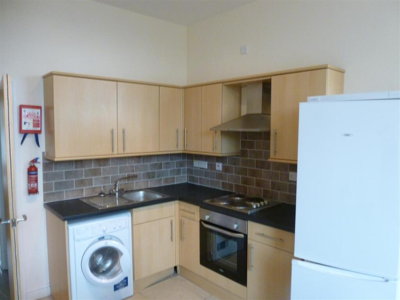
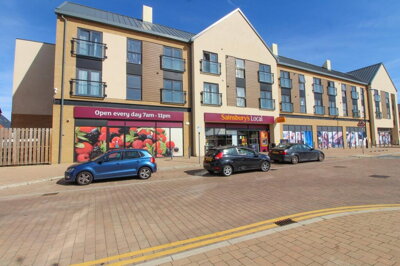
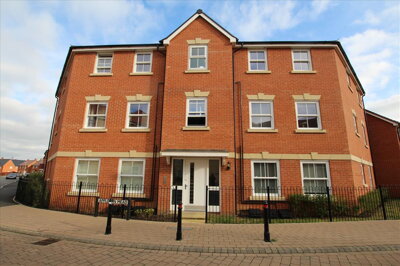
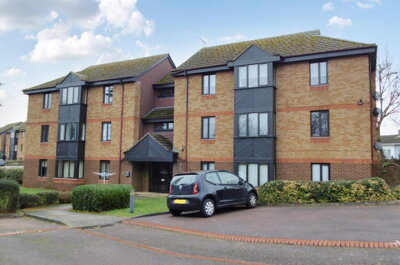
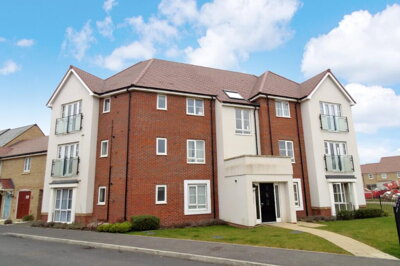
Browse 6 rental homes to rent in Sutton from local letting agents.
Studio apartments feature open-plan living spaces without separate bedrooms, incorporating sleeping, living, kitchen, and bathroom facilities. The Sutton studio market includes properties in modern apartment complexes, converted Victorian and Georgian buildings, and purpose-built developments.
Sutton in Central Bedfordshire draws renters because it sits in a desirable rural spot with strong commuter links. The village itself is small, but the wider SG19 postcode covers a mix of property types for different tenancy needs. Inside Sutton, we see historic cottages, detached family homes and modern developments side by side, so renters can choose from traditional stone-built period homes through to contemporary new-build houses. On High Street, the Lancaster Gate development, completed in Winter 2024, brought in detached four-bedroom homes priced from £450,000 to £650,000 for shared ownership, alongside affordable rental options including one-bedroom maisonettes and two and three-bedroom houses. Those new-build homes meet current energy efficiency standards and bring the practical benefits of modern construction methods.
Across Sutton, the rental stock ranges from terraced cottages and semi-detached houses to detached homes, with rents shaped by size, condition and how close a property sits to local amenities. Central Bedfordshire’s median house price to median earnings ratio of 9.43 feeds into the affordability picture, and landlords tend to price with local property values in mind. Semi-detached homes in Central Bedfordshire were up 5.4% over the past twelve months, while terraced properties rose by 3.7%, a sign of steady demand. For renters, that usually means competition, so early viewings and tidy paperwork can make a real difference.
Sales activity across the SG19 postcode area reached approximately 2,100 property sales over the past twelve months, down 17.3% on the previous year. That sort of dip often pushes more people into the rental market while they wait to buy, which in turn makes things sharper for tenants. In Sutton, properties commonly let quickly because supply is limited and commuters want the village feel. Two-bedroom cottages generally sit between £1,000 and £1,400 per month, while larger four-bedroom family homes can go from £1,500 to £2,000 or more, depending on specification and condition.

Sutton, Central Bedfordshire has the feel of a classic English village, quiet, close-knit and steeped in local history. It sits within a Conservation Area, designated on 1st February 1986, which helps protect its historic character and keeps new development in step with older architecture. The village has nineteen listed buildings, among them the Grade I listed Church of All Saints, with origins in the thirteenth century, the Grade II* listed Packhorse Bridge, and a run of medieval timber-framed cottages along High Street. Living here means daily life among buildings that have watched centuries pass, from cobblestone churches to sixteenth-century farmhouses finished in traditional roughcast with clay tile roofs.
Sutton and Eyeworth parish has a population of 370 across 160 households, with a population density of just 0.3 people per hectare, which underlines how rural the place is. Local life centres on familiar spots such as the John O'Gaunt Public House, village shops for day-to-day bits, and community spaces that host events through the year. Outside the village, Central Bedfordshire opens up walking, cycling and other outdoor pursuits, with footpaths crossing farmland, woodland and meadows. Bigger centres such as Sandy and Biggleswade are close enough for extra shopping, eating out and entertainment, then it is back to Sutton’s quieter pace at the end of the day.
Traditional Central Bedfordshire building methods relied on red brick walls and clay tile roofs, and locally made bricks could run from orange to nearly purple in colour. Brook House at 1 High Street is a good example, a Grade II listed C16 timber-framed building with roughcast render and clay tile roofs, and it shows the kind of workmanship found in Sutton’s older homes. That kind of detail matters to renters, because it explains both the character and the maintenance needs of period property. The local geology includes clay-rich soils with shrink-swell behaviour, so homes can move a little during dry spells or wet weather, something renters should keep an eye on and report to landlords promptly.

Families looking at rentals in Sutton, Central Bedfordshire will find school provision in nearby villages and towns rather than right in the village itself. Younger children usually travel to primary schools in surrounding communities, while secondary education is available in Sandy, Biggleswade and other nearby towns by school transport. Across Central Bedfordshire, a network of primary and secondary schools serves local communities, and the council continues to put money into education across the area. We always recommend checking catchments and admission arrangements early, because those decide whether a child can take a place at a school of statutory school age.
For childcare and early years, Central Bedfordshire has a range of nursery settings and preschool options within sensible travelling distance. The wider area also has secondary schools with OFSTED ratings, and some offer sixth form provision for older students. Nearby Sandy and Biggleswade sit within the Sutton catchment, with school transport usually organised through Central Bedfordshire Council. Bedford and Cambridge widen the picture too, especially for families looking at specialist settings or independent schooling. School transport costs and journey times are worth building into the decision before settling on a rental property in Sutton.
School bus services matter here, and families renting in Sutton usually want those arrangements confirmed before they commit to a tenancy in the village. Secondary schools in nearby towns tend to run buses for rural catchment areas, though routes and times should be checked directly with the school or local authority. The median age in Central Bedfordshire rose from 40 to 41 between 2011 and 2021, while the number of residents aged 50-64 increased by 19.2%, suggesting an ageing population that may feed into school roll forecasts and wider education planning.

Sutton, Central Bedfordshire has the sort of transport links that make it especially appealing to commuters heading to London or other cities. The A1 trunk road runs close by, giving straightforward access north and south, with Sandy and Biggleswade both offering easy links to that major route. Sandy station runs services to London St Pancras International, and journey times of approximately fifty minutes make the commute realistic for many professionals. Biggleswade station offers similar connections, including regular trains to King’s Cross and St Pancras stations. That mix of rail and road links is a big part of Sutton’s appeal for people who want countryside living without cutting themselves off from major employment centres.
Central Bedfordshire’s local bus network links Sutton with the surrounding towns and villages, and it is a useful option for anyone without a private car. Services normally run to Sandy and Biggleswade, where passengers can pick up more local facilities and rail connections. Rural buses do not run as often as urban routes, so timetables and frequency need checking before relying on them day to day. In practice, a car gives the most flexibility for everyday travel in this part of Bedfordshire, though sustainable transport choices are still developing across the region. Cyclists can make use of country lanes and some designated routes linking Sutton to nearby communities, although the hilly Bedfordshire terrain does call for a bit of fitness.
For flights, Luton Airport sits about forty minutes away by car, with domestic and international services. Stansted Airport is also within roughly one hour, which adds another option for business or leisure travel. Central Bedfordshire’s main employment sectors include Education with 12,000 workers, Manufacturing with 10,000 workers, and Transport and Storage with 9,000 workers, so the regional jobs picture is fairly broad. Put that together with the road and rail links, and Sutton works well for commuters and for anyone who travels regularly for work or breaks.

Our advice is to speak to a local mortgage broker or financial adviser first and get an agreement in principle for the rental budget. Once the monthly range is clear, the search becomes more focused and there is less time wasted on homes that do not fit the numbers. For rental property, that usually means checking the maximum monthly affordability against income, existing commitments and everyday living costs. Central Bedfordshire’s median house price to earnings ratio of 9.43 is a reminder that housing costs are not trivial, so budget clarity matters before the search starts.
Take a look at current listings on home.co.uk and the other property portals to get a feel for what is available, what rents are doing and how quickly homes let in the area. Sutton’s small village market behaves differently from an urban one, so local pace matters if you want to move quickly on the right home. The SG19 postcode area includes Sutton as well as nearby Potton, where the Brook Gardens development by Tilia Homes adds further housing choice, with two, three and four-bedroom houses ranging from £379,950 to £494,950 for purchase, and rental equivalents likely to track similar market rates.
We would suggest contacting the estate agents handling Sutton listings to arrange viewings. It helps to have a short list of questions ready, covering the property’s condition, the tenancy terms, appliances included and what the landlord expects from tenants. Notes and photographs taken during the viewing make comparison much easier afterwards. If the home sits in the Conservation Area or is listed, ask directly about restrictions on changes and what maintenance of historic features falls to the tenant. Timber-framed buildings, which are common in Sutton’s older stock, need careful attention to damp prevention and ventilation.
Once a suitable property comes along, read the tenancy agreement properly. Standard Assured Shorthold Tenancies usually run for six or twelve months. We would check the clauses on deposits, notice periods, rent increases, and who handles maintenance and repairs. In Sutton’s Conservation Area, exterior changes may need planning permission, and listed building consent can be required for work to historic features. The agreement should spell out what counts as an acceptable alteration and who is responsible for securing the right consents.
Landlords in Sutton usually ask for references, proof of income and a credit check. Having those ready speeds things up. First-time renters should pull together bank statements, employment details and landlord or character references before they apply. With the market moving as it does locally, being organised gives you a stronger footing against other applicants. References commonly come from employers, previous landlords and personal referees, while proof of income normally means recent payslips and bank statements.
After acceptance, the next steps are straightforward, sign the tenancy agreement, pay the deposit, which is capped at five weeks rent for properties with annual rent below £50,000, and arrange the inventory check. Keep copies of every signed document and learn how maintenance problems should be reported during the tenancy. Ask for a detailed written inventory that records the property’s condition, then add photographs of every room and any existing damage. That paperwork protects the deposit by setting out the state of the home at the start of the tenancy.
Renting in Sutton, Central Bedfordshire means keeping an eye on a few local issues that shape the tenancy. Homes in the Sutton Conservation Area may have restrictions on alterations, exterior work or even certain activities if they affect the village’s historic character. If the plan is to make any changes to a rented property, even small things like hanging pictures or fitting fixtures, it is better to understand the conservation rules first and avoid arguments with the landlord. There are nineteen listed buildings in the village, and those often need Listed Building Consent for alterations, so tenants should be clear about responsibility for historic features before signing.
The local geology matters too, especially in older homes. Central Bedfordshire’s clay-rich soils bring shrink-swell potential, so some properties can move during dry or wet periods. Landlord insurance usually covers structural issues, but tenants should still report cracks, sticking doors or any signs of movement quickly. Timber-framed buildings, common in Sutton’s historic stock, need particular care around damp prevention and ventilation. Red brick walls and clay tile roofs may ask for more upkeep than modern materials, so knowing the construction and condition helps you plan for issues during the tenancy.
Before moving in, ask for a proper inventory check that records the property’s condition, then photograph any existing damage so there is a clear record when the deposit is returned. In older homes with original windows, traditional plasterwork or period fireplaces, it is sensible to discuss with the landlord which maintenance responsibilities sit with the tenant. If the property is near watercourses or in a low-lying spot, check flood risk as well, because Central Bedfordshire has seen flooding from the Ivel, Flit, Hit and Clipstone Brook, along with surface water during heavy rainfall. Knowing the flood history and any resilience measures already in place helps with planning.

Rental prices in Sutton move around according to property type, size and condition, but the wider Sutton and Central Bedfordshire market still shows strong demand, driven by rural appeal and commuter links. Terraced homes locally rose by 3.7% over the past twelve months, and semi-detached properties in Central Bedfordshire were up 5.4%. The overall average house price in the area is £453,000, which plays into landlord expectations on rent. Two-bedroom cottages usually fall between £1,000 and £1,400 per month, while larger family homes can reach £1,500 to £2,000 or more depending on size and specification. New-build homes at developments such as Lancaster Gate give renters a contemporary option at market rates.
Homes in Sutton, Central Bedfordshire sit under Central Bedfordshire Council. Council tax bands run from A to H, based on property value, and most traditional cottages and village homes tend to sit in bands B through E. The exact band depends on the individual valuation. Period properties with historic status can be valued differently from modern homes of a similar size. We would always ask the landlord or letting agent for the council tax band, because it forms part of the total monthly housing cost alongside rent. Payments are usually made monthly and can be set up by direct debit.
Sutton village itself has limited school provision because it is so small, so primary age children usually attend schools in nearby villages and towns. Families should check catchments, admission policies and OFSTED ratings for the primary and secondary schools in Sandy, Biggleswade and the surrounding area. In Sandy, voluntary controlled and community primary schools serve the northern catchment areas, while Biggleswade has several primary schools and the Samuel Ryder Academy for secondary education. School transport and travel distance are practical points to weigh up when choosing a rental property in Sutton. The wider Central Bedfordshire area has a range of educational settings, and the local authority continues to invest in school capacity across the region.
Even with its rural setting, Sutton has reasonable public transport links. Local bus services operated by Central Bedfordshire connect the village to surrounding towns and villages, including Sandy and Biggleswade, where mainline railway stations offer services to London St Pancras in approximately fifty minutes. The A1 trunk road runs nearby, so road connections to London and the north are straightforward. Anyone without a car should look closely at bus timetables and service frequency, because rural public transport is typically less frequent than urban routes. Buses to Sandy connect with rail services to London St Pancras International, while Biggleswade station provides direct services to both King’s Cross and St Pancras. Evening and weekend frequencies may be reduced compared with weekday peak times.
Sutton, Central Bedfordshire offers a strong quality of life for renters who want a peaceful village setting with decent connectivity. The Conservation Area status keeps the village attractive and well looked after, while the nearby A1 and mainline rail stations make commuting practical. Community spirit is strong in small places like Sutton, and local events plus long-standing names such as the John O'Gaunt Public House help tie residents together. The trade-off is a quieter lifestyle with fewer amenities within walking distance, so trips to nearby towns are needed for wider shopping, dining and entertainment. A population of 370 across 160 households gives the village an intimate feel, where neighbours often know one another, something many renters prefer to anonymous urban living.
Under the Tenant Fees Act 2019, deposits for rental properties are capped at five weeks rent where annual rent is below £50,000. So, for a home renting at £1,200 per month, the deposit would be capped at £2,769. Landlords and agents should not ask for referencing, administration or inventory check fees, because those charges are now prohibited. Allowed payments include rent, deposit and charges for late payment or default. First-time renters should budget for the first month’s rent plus the deposit up front, along with moving costs and any furniture or appliance purchases if the property comes unfurnished. Some landlords also ask for the first month’s rent to be paid alongside the deposit, so it is sensible to confirm the payment schedule before committing.
The Sutton rental market offers a good spread of homes for different household needs and budgets. Traditional choices include terraced cottages with period features, semi-detached family houses and detached homes with gardens. The Lancaster Gate development by Cora Homes added new-build options to the area, including one-bedroom maisonettes and two and three-bedroom houses available for affordable rent. Many period homes in the village use traditional construction, with timber-framed structures, roughcast render and clay tile roofs, all of which add to the historic feel but can demand more upkeep than modern homes. Availability changes regularly, so registering with local estate agents and setting alerts on property portals is a sensible way to keep up with new listings in this competitive market.
During viewings in Sutton, it pays to look at both the inside and the outside, with damp, roof condition and any cracks all worth a close look because they can point to structural movement. In period homes, check original windows, fireplaces and timber beams, and ask what repairs or maintenance have been carried out recently. If the property sits in the Conservation Area or is listed, ask about restrictions on alterations and who carries responsibility for historic features. Boundaries, fences, outbuildings and the general condition of gardens and outside areas should all be checked too. It is also wise to ask about the tenure type, appliances included, utility providers, broadband availability and any service charges or maintenance fees that may apply.
Budgeting for a Sutton rental is easier once the likely costs are clear, and that helps avoid awkward surprises later on. The biggest upfront sums are usually the first month’s rent and the security deposit, with the deposit legally capped at five weeks rent for homes with annual rent below £50,000. Under the Tenant Fees Act 2019, landlords and letting agents cannot charge tenants referencing fees, administration fees or check-out fees, which makes the initial outlay more predictable than it once was. Even so, it is wise to allow for moving costs, furniture if the property is unfurnished, and connection charges for utilities and internet services.
For period properties in Sutton, especially those in the Conservation Area or listed buildings, the condition of the home and the likely maintenance needs during the tenancy deserve close attention. Asking for an inventory check at the start of the tenancy protects the deposit by logging the condition and any damage already present before move-in. Photographs work alongside the written inventory and give useful evidence if there is ever a dispute at the end. Knowing what minor repairs and maintenance are your responsibility, as set out in the tenancy agreement, helps you look after the property properly and supports a smoother deposit return.
Your deposit will be protected in a government-approved Tenancy Deposit Protection scheme within thirty days of it being received, and you should be told which scheme is holding it. At the end of the tenancy, the return process starts with the landlord providing an inventory check-out report, and any deductions for damage or missing items need to be justified. If deductions are disputed, the deposit protection scheme’s dispute resolution service gives a free way to settle the issue. Good communication with the landlord throughout the tenancy, plus prompt written records of any problems, makes the deposit return process much smoother.
From 4.5%
Get expert advice on what we can afford to rent for in Sutton
From £60
Complete referencing checks to strengthen our rental application
From £480
Professional survey if buying in Sutton to check property condition
From £85
Energy performance certificate for properties in Sutton
Properties to Rent In London

Properties to Rent In Plymouth

Properties to Rent In Liverpool

Properties to Rent In Glasgow

Properties to Rent In Sheffield

Properties to Rent In Edinburgh

Properties to Rent In Coventry

Properties to Rent In Bradford

Properties to Rent In Manchester

Properties to Rent In Birmingham

Properties to Rent In Bristol

Properties to Rent In Oxford

Properties to Rent In Leicester

Properties to Rent In Newcastle

Properties to Rent In Leeds

Properties to Rent In Southampton

Properties to Rent In Cardiff

Properties to Rent In Nottingham

Properties to Rent In Norwich

Properties to Rent In Brighton

Properties to Rent In Derby

Properties to Rent In Portsmouth

Properties to Rent In Northampton

Properties to Rent In Milton Keynes

Properties to Rent In Bournemouth

Properties to Rent In Bolton

Properties to Rent In Swansea

Properties to Rent In Swindon

Properties to Rent In Peterborough

Properties to Rent In Wolverhampton

Enter your details to see if this property is within your budget.
Loans, cards, car finance
Estimated property budget
Borrowing + deposit
You could borrow between
Typical borrowing
Monthly repayment
Est. at 4.5%
Loan-to-value
This is an estimate only. Your actual budget may vary depending on interest rates, credit history, and personal circumstances. For an accurate affordability assessment, speak to one of our free mortgage advisors.
This calculator provides estimates for illustrative purposes only and does not constitute financial advice. Your home may be repossessed if you do not keep up repayments on your mortgage. Estimates based on 4.5% interest rate, repayment mortgage. Actual rates depend on your circumstances.
Homemove is a trading name of HM Haus Group Ltd (Company No. 13873779, registered in England & Wales). Homemove Mortgages Ltd (Company No. 15947693) is an Appointed Representative of TMG Direct Limited, trading as TMG Mortgage Network, which is authorised and regulated by the Financial Conduct Authority (FRN 786245). Homemove Mortgages Ltd is entered on the FCA Register as an Appointed Representative (FRN 1022429). You can check registrations at NewRegister or by calling 0800 111 6768.

We use cookies to show you personalised content and improve your experience of our website. Find out more in our Privacy policy and Cookie policy.