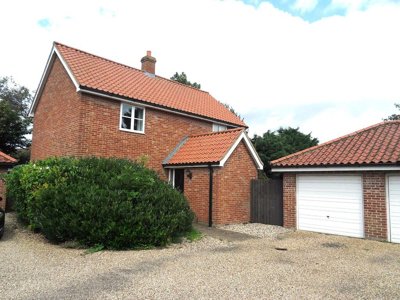
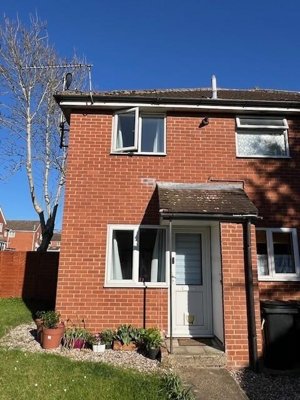
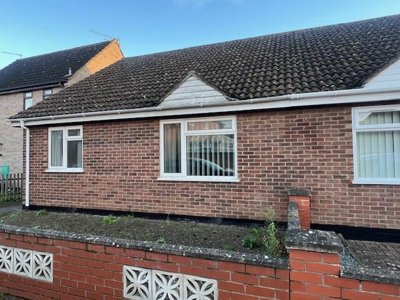
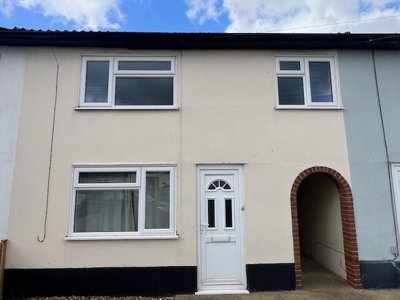
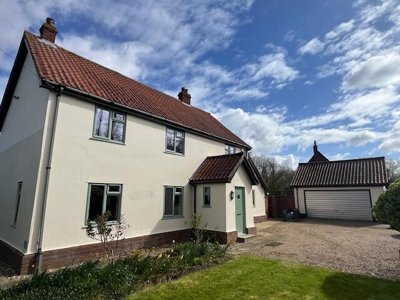
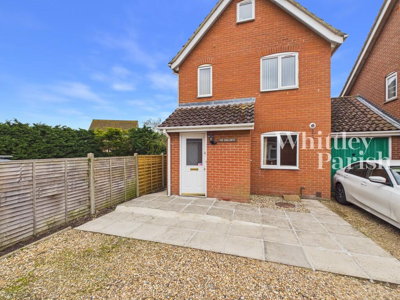
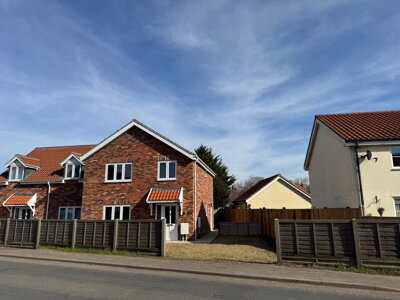
Browse 8 rental homes to rent in Stuston, Mid Suffolk from local letting agents.
The Stuston property market offers detached, semi-detached, and terraced houses spanning various price ranges and neighbourhoods. Each listing includes detailed property information, photographs, and direct contact with the marketing agent.
£0/m
0
0
0
Source: home.co.uk
Showing 0 results for Houses to rent in Stuston, Mid Suffolk.
Stuston’s housing stock is dominated by detached homes at 45%, followed by semi-detached properties at 30%, terraced homes at 15% and flats at 10%. That profile matters for renters because it points to a market built around family-sized houses rather than dense apartment living. homedata.co.uk shows detached homes averaging £475,000, semi-detached homes £320,000, terraced homes £250,000 and flats £180,000, which helps explain why larger homes tend to sit at the top end of local demand. The village is also seeing active new-build supply at Stuston Meadows and The Old Orchard, both verified within the postcode area.
Stuston Meadows by Hopkins Homes offers 3, 4 and 5-bedroom detached and semi-detached homes from £350,000 to £600,000, while The Old Orchard by Bennett Homes includes 2 and 3-bedroom terraced and semi-detached bungalows and houses from £280,000 to £420,000. Those developments add fresh stock to an area where 75% of homes were built before 1980, so buyers and landlords alike often compare modern efficiency with older village character. For renters, that usually translates into a choice between newer, easier-to-maintain homes and period properties with more charm but more upkeep. Interest is likely to stay steady because supply is limited, the village is small, and nearby Diss gives the wider area an employment and services pull.

Stuston is the kind of place where daily life feels shaped by the landscape as much as by the buildings. The parish sits in an agricultural setting, with farms, small businesses, a village shop and a pub giving the centre its everyday rhythm. Many homes sit within a traditional village pattern, and the conservation area helps preserve the historic core while keeping the streetscape rooted in Suffolk character. Renters who value quiet evenings, country walks and a strong sense of local identity often find that the village suits them quickly.
The surrounding geology is dominated by Boulder Clay, which can have moderate to high shrink-swell potential during periods of very wet or very dry weather. That matters in Stuston because older homes, especially those with shallow foundations, can be more vulnerable to movement, subsidence or heave if the ground conditions shift. Surface water flood risk is also present in some lower-lying parts of the village, while the nearby River Dove adds a low to moderate fluvial flood consideration in its immediate vicinity. These are not reasons to avoid the area, but they are good prompts to check a specific home carefully before you sign a tenancy.
Stuston is a small parish, so families usually look beyond the village boundary when planning school places. The local housing picture, with just 280 households and a largely rural setting, means catchment decisions can matter more than they do in a larger town. Nearby Diss is the natural point of reference for many everyday services, and that wider area is where most parents will start shortlisting primary and secondary options. Families moving in with children should check admissions policies, transport times and whether the address they are considering sits inside the relevant catchment before they commit.
Village families also need to think about the age range and style of provision they want, since a small settlement rarely has every stage on the doorstep. That makes sixth form and further education planning more important than simply checking the nearest primary school. If you are moving for school places, use performance information, travel times and wraparound care as a package rather than relying on reputation alone. A practical viewing strategy is to ask agents about school routes, peak-time parking and the ease of getting children to and from clubs after lessons.

Stuston’s transport picture is rural rather than urban, so most residents rely on a mix of driving and nearby town connections. The village sits around 3 miles from Diss, which gives access to a broader set of rail, bus and road links than you would expect from a parish of this size. That proximity is one of the strongest practical advantages for renters, especially anyone who wants countryside living without feeling cut off from the wider region. Car ownership will often be the simplest way to handle shopping, school runs and commuting, particularly outside peak service times.
Rural transport checks should always come before you choose a property, because bus frequency can change and village routes are rarely as flexible as town services. Parking is usually less pressured than in denser settlements, although older streets near the conservation area may have tighter layouts and less convenient turning space. Regular commuters should plan test runs from the exact address at the time they would normally travel, then add a buffer for narrow roads and seasonal weather. For renters comparing homes, that simple habit often reveals more than a map screen ever could.
Stuston suits renters who want a quieter, more settled lifestyle than the nearby towns can offer. The village’s size, the agricultural setting and the presence of character homes make it especially appealing to people who like a stronger sense of place. Because around 40% of homes were built before 1945, there is a clear historic layer to the housing stock, and that can be attractive if you enjoy older properties with personality. At the same time, post-1980 homes make up 25% of the stock, so there is still a slice of more modern housing in the mix.
The local market also works well for tenants who want space without a long drive into services. Small businesses, a shop and a pub help day-to-day life, while Diss nearby adds a wider layer of convenience for larger errands and commuting. A village of roughly 650 residents is not for everyone, especially if you need late-night amenities or a broad evening economy. For many renters, though, that smaller scale is exactly the attraction because it tends to bring less noise, less traffic and more predictability.
Demand is usually shaped by the limited number of homes available rather than by flashy turnover, so when a well-kept property appears it can stand out quickly. That means preparation matters, especially in a place where character cottages, older brick homes and newer builds all compete for attention. Organised renters often do best here because a clear budget, ready paperwork and a firm moving date can make all the difference. If you are patient and practical, Stuston can offer a calm base with enough variety to suit professionals, couples and families alike.
Work out your monthly ceiling first, then get a rental budget agreement in principle before you book viewings so you know exactly what you can afford.
Compare homes in the conservation area, newer developments and the surrounding Mid Suffolk lanes so you understand the trade-offs between character and convenience.
Visit at different times of day, check parking, and ask about broadband, heating, damp history and any flood risk on the plot.
Have ID, proof of income, references and deposit funds ready, because rural homes can still attract quick decisions when the right tenant appears.
Check the rent, break clauses, repair responsibilities and inventory details so there are no surprises after you move in.
Confirm utilities, council tax, key handover, meter readings and access arrangements, then keep a copy of everything for your records.
Older Stuston homes deserve a careful inspection because the local geology and building stock create a few specific watchpoints. Boulder Clay can increase shrink-swell movement, so signs such as cracked masonry, sticking doors or uneven floors should be checked properly before you commit. Damp is another common issue in older village properties, especially where ventilation has not kept pace with modern expectations. Roof condition matters too, since slipped tiles, ageing pointing and deteriorating leadwork are common in traditional Suffolk homes.
Conservation Area properties and Grade II listed buildings need a slightly different mindset because alterations can be limited and repairs may cost more than expected. Traditional brick, timber frames and older solid walls can look beautiful, but they may also demand more patience from a tenant who wants low-maintenance living. Surface water flood risk is worth checking in lower-lying parts of the village, and the River Dove can introduce a low to moderate fluvial risk close by. When a flat or conversion is in view, ask about service charges, maintenance arrangements and how repairs are handled by the landlord or management company.
Stuston’s older housing also means electrical and plumbing systems can vary more widely than in a newer estate. Pre-1980 homes make up 75% of the stock, so outdated wiring, ageing pipework and poor insulation are all issues worth asking about during a viewing. A clear inventory, a recent EPC and a written note of any known maintenance issues will save hassle later. Renters who stay alert on these details are usually the ones who settle in with fewer surprises.

We do not have live rental asking prices for Stuston in the research provided, so the safest guide is the wider market context. homedata.co.uk records show the average house price in Stuston was £375,000 in February 2026, which suggests a village with steady demand and a stock mix leaning toward family homes. In practical rental terms, that usually means values are shaped by the quality, size and age of the property rather than by a large volume of competing listings. For an exact rent figure, compare current homes on Homemove and set a rental budget agreement in principle before you view.
Council tax bands in Stuston vary by property because the band depends on the home itself, not just the village name. Stuston sits within Mid Suffolk District Council, so the individual band should be checked against the exact address before you sign anything. Older detached cottages, newer family houses and smaller terraces will not necessarily sit in the same band. Ask the agent or landlord for the current band early in the process so you can factor the bill into your monthly budget.
Stuston is a small parish, so most families compare schools in nearby Diss and the wider Mid Suffolk area rather than relying on village provision alone. The best choice usually depends on catchment, travel time, wraparound care and the age range you need. If you are moving with children, check admissions boundaries before you commit because a good school on paper may not be available from your address. It also helps to ask local agents how easy the school run is at peak times.
Stuston is better described as well placed for rural access than as a public-transport hub. Its position about 3 miles from Diss gives residents a wider choice of connections than the village itself can provide, but day-to-day travel often still favours a car. Services can be less frequent than in a town, so always check the latest bus and rail options for the exact address. Commuters should test their route at the same time of day they plan to travel.
For the right tenant, Stuston is a strong fit because it offers countryside living, a small community and access to nearby Diss without the pace of a larger town. The village has about 650 residents across 280 households, which creates a settled feel rather than a transient one. homedata.co.uk also shows a 3% rise in average house prices over the last 12 months, which points to continued demand in the wider local market. For tenants who want space, character and a quieter base, Stuston is very appealing.
For a tenancy, the main upfront costs are usually a holding deposit, the tenancy deposit and the first month’s rent. In England, the tenancy deposit is generally capped at five weeks’ rent, and your rent, references and moving costs will depend on the exact home. If you later decide to buy in Stuston, current stamp duty thresholds are 0% up to £250,000, 5% from £250,000 to £925,000, 10% from £925,000 to £1.5 million and 12% above that. First-time buyers pay 0% up to £425,000 and 5% from £425,000 to £625,000.
Yes, both are worth checking carefully on a room-by-room basis. Stuston village centre includes a Conservation Area and the parish has several Grade II listed buildings, so some homes may have restrictions on alterations and repairs. The village also has areas of moderate surface water flood risk, while the nearby River Dove brings a low to moderate fluvial risk in its immediate vicinity. Ask for the postcode-specific flood information and any maintenance history before you agree to a tenancy.
From 4.5%
Compare rental budget rates and plan your monthly spend before you book viewings
From £499
Get fast checks for income, identity and rental history
From £99
Check energy performance and likely heating costs for your next move
From £350
Useful if you are comparing rental homes that may later become a purchase
Rental move-in costs in Stuston should be planned around the legal tenancy deposit cap, the first month’s rent and any permitted holding deposit. That matters in a small village market because a well-kept home can attract interest quickly, and the people who are ready to proceed usually have an easier time securing viewings and offers. You should also budget for utilities, broadband, contents insurance and council tax, since a rural property may have different running costs from a town flat. A clear monthly budget helps you avoid falling in love with a house that is comfortable on viewing day but hard to sustain over the full tenancy.
Energy efficiency can make a real difference in Stuston, especially in older brick homes where heating and insulation standards vary. Ask to see the EPC before you commit, then compare the likely bills against the rent so the full cost picture is in front of you. If the property is in the conservation area or a listed building, maintenance can be more specialised and that may show up in service charges or repair turnaround times. Should you later decide to buy in Stuston, current stamp duty thresholds are 0% up to £250,000, 5% from £250,000 to £925,000, 10% from £925,000 to £1.5 million and 12% above that, with first-time buyer relief at 0% up to £425,000 and 5% from £425,000 to £625,000.
Properties to Rent In London

Properties to Rent In Plymouth

Properties to Rent In Liverpool

Properties to Rent In Glasgow

Properties to Rent In Sheffield

Properties to Rent In Edinburgh

Properties to Rent In Coventry

Properties to Rent In Bradford

Properties to Rent In Manchester

Properties to Rent In Birmingham

Properties to Rent In Bristol

Properties to Rent In Oxford

Properties to Rent In Leicester

Properties to Rent In Newcastle

Properties to Rent In Leeds

Properties to Rent In Southampton

Properties to Rent In Cardiff

Properties to Rent In Nottingham

Properties to Rent In Norwich

Properties to Rent In Brighton

Properties to Rent In Derby

Properties to Rent In Portsmouth

Properties to Rent In Northampton

Properties to Rent In Milton Keynes

Properties to Rent In Bournemouth

Properties to Rent In Bolton

Properties to Rent In Swansea

Properties to Rent In Swindon

Properties to Rent In Peterborough

Properties to Rent In Wolverhampton

Enter your details to see if this property is within your budget.
Loans, cards, car finance
Estimated property budget
Borrowing + deposit
You could borrow between
Typical borrowing
Monthly repayment
Est. at 4.5%
Loan-to-value
This is an estimate only. Your actual budget may vary depending on interest rates, credit history, and personal circumstances. For an accurate affordability assessment, speak to one of our free mortgage advisors.
This calculator provides estimates for illustrative purposes only and does not constitute financial advice. Your home may be repossessed if you do not keep up repayments on your mortgage. Estimates based on 4.5% interest rate, repayment mortgage. Actual rates depend on your circumstances.
Homemove is a trading name of HM Haus Group Ltd (Company No. 13873779, registered in England & Wales). Homemove Mortgages Ltd (Company No. 15947693) is an Appointed Representative of TMG Direct Limited, trading as TMG Mortgage Network, which is authorised and regulated by the Financial Conduct Authority (FRN 786245). Homemove Mortgages Ltd is entered on the FCA Register as an Appointed Representative (FRN 1022429). You can check registrations at NewRegister or by calling 0800 111 6768.

We use cookies to show you personalised content and improve your experience of our website. Find out more in our Privacy policy and Cookie policy.