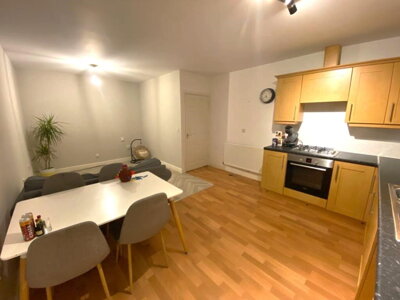
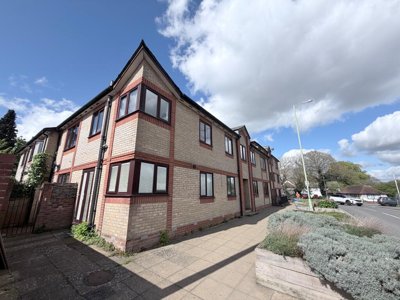
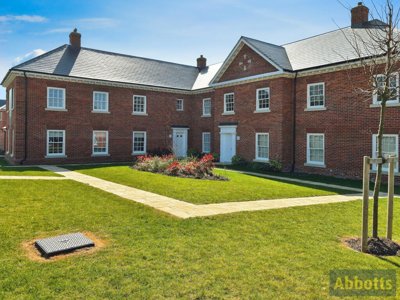
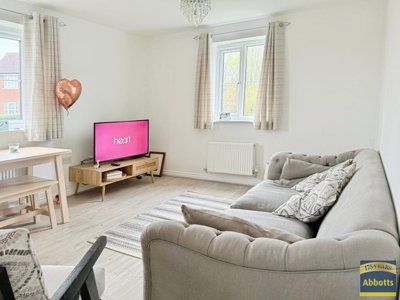
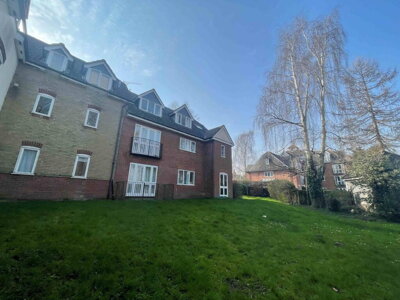
Browse 6 rental homes to rent in Stowupland, Mid Suffolk from local letting agents.
The 2 bed flat sector typically includes two separate bedrooms, dedicated living areas, and bathroom facilities. Properties in Stowupland span purpose-built blocks, converted period houses, and modern apartment complexes on various floors.
£0/m
0
0
0
Source: home.co.uk
Showing 0 results for 2 Bedroom Flats to rent in Stowupland, Mid Suffolk.
Stowupland’s homes tell the story of a Suffolk village that has grown into a sought-after commuter base. Detached houses dominate the stock at 45.4% of all homes, so renters usually get more space and often a bigger garden. Semi-detached properties account for 33%, terraced homes make up 14%, and flats are only 7.6%. In practice, that leaves more family-sized choices than compact town-centre apartments, which suits households after usable living space.
The age profile is mixed as well. Nearly half of the housing stock, 48.2%, was built after 1980, with modern schemes from names such as Taylor Wimpey and David Wilson Homes among them. The rest is split between 30.5% built from 1945 to 1980 and 21.3% pre-1945, so renters can choose between newer convenience and older character. homedata.co.uk shows average prices of around £358,000, with detached properties averaging £440,000 and terraced homes around £230,000.
Two newer developments do a lot of the work here. The Aspens, built by Taylor Wimpey on Gippingstone Road (IP14 4AY), offers 3 and 4 bedroom homes from £319,995 to £429,995. Right next door, Gippingstone Gardens by David Wilson Homes has bigger family houses with 3, 4, and 5 bedrooms, priced from £329,995 to £529,995. For renters, these are the fresh end of the market, with modern build quality, energy-conscious design and outdoor spaces that are easier to live with.
A sensible rental search in Stowupland starts with the house types themselves. Families often head for the larger detached and semi-detached homes on long-established estates, while professionals may lean towards the lower-maintenance feel of newer properties. Terraced housing tends to offer the more affordable end of the market, and the small amount of flat stock is mostly in conversions rather than purpose-built blocks. So there is choice, just not much that feels cramped or city-centre in scale.

New-build homes take up a sizeable share of the village’s modern rental stock. Properties built after 1980 account for nearly half of all homes, which gives renters a good spread of places built to contemporary standards. Those houses usually come with cavity walls and brick or render exteriors, trussed rafter roofs with concrete tiles, and uPVC windows throughout. Lower utility bills are often part of the appeal too, which matters when you are trying to keep monthly costs under control.
On Gippingstone Road, the Taylor Wimpey and David Wilson Homes schemes show the sort of finish that has become popular across modern Suffolk developments. Expect fitted kitchens with integrated appliances, family bathrooms with contemporary fixtures, and living spaces that are planned around modern routines. Gardens are usually modest and manageable, rather than the larger plots that often come with period homes. For anyone after less upkeep, that can make life a great deal simpler.
The mid-century stock, built between 1945 and 1980 and making up 30.5% of homes, also gives Stowupland some solid family accommodation. These houses were generally built with cavity walls, brick outer leaves and concrete tiled roofs, marking a clear shift in building standards. Many have since had upgraded windows, heating and insulation, so they often sit closer to modern comfort while keeping the room sizes and practical layouts that people still value.

About 2,904 people live in Stowupland, spread across 1,176 households, which helps keep the community feel strong without making the village feel isolated. That number has grown from earlier census data, a sign of how popular the area has become. The primary school, local shop and village hall all help anchor day-to-day life, while annual events and active community groups make it easier for newcomers to settle in and feel part of things.
Set in the Suffolk countryside, the village is surrounded by rolling farmland and the hedgerows typical of this corner of East Anglia. The River Gipping runs through the wider area, although flood risk from rivers and the sea is very low to low for most of Stowupland. People here tend to like the balance, rural quiet on one side, Stowmarket’s shopping, healthcare and entertainment on the other, just a short drive away.
Work in and around Stowupland is mostly tied to agriculture, small businesses and services that support the village itself. Even so, the A14 gives many residents an easy route to jobs in Stowmarket, Ipswich and Bury St Edmunds. Some work locally, some commute, and more are now working from home thanks to better broadband. That mix helps the village keep a steady pace and broad appeal for renters.
Several familiar places shape community life here. The village hall is used for exercise classes, meetings and private celebrations, so it stays busy across the year. The local pub gives neighbours a place to meet over food and drink. The primary school is part of that social web too, with parents linking up through school events and activities. For new arrivals, those touchpoints make it easier to build friendships and feel settled.

For families, Stowupland Primary School is the main educational anchor. It serves primary-age children from the village and is one of the key reasons households choose the area. Secondary pupils generally travel to schools in nearby towns, with several options within a reasonable commuting distance. Being in Mid Suffolk also opens up access to a wider network of schools across the district.
School catchments and admissions rules matter here, so families should check them carefully before renting. Several secondary schools in the wider area have strong reputations and solid academic records. If you are planning to stay for the longer term, it pays to know the local education landscape early on. Having a good primary school in the village is a real plus, especially for cutting down daily travel for younger children.
The primary school is more than a place of learning, it is a proper meeting point for families. School events, sports fixtures and parent groups all create easy chances to meet other households and get to know people in the village. For younger children, being able to walk to school rather than deal with long bus rides is a genuine day-to-day benefit. The school’s links with the wider community run well beyond the classroom.
For secondary pupils, the routine usually involves bus travel to schools in Stowmarket and nearby towns. Families need to allow for those journeys in the morning and afternoon, especially in winter when weather can affect reliability. Several local secondary schools have strong academic and extracurricular reputations, so the commute is often worthwhile. Getting the catchment area right can make a real difference to school places too.

Stowupland is well placed for people who need to commute. The village is close to the A14, the major trunk road that links Felixstowe port with the rest of the country through the M6 and M1 motorway networks. That gives straightforward access to Ipswich, about 20 miles away, Bury St Edmunds at about 15 miles, and Cambridge at about 40 miles. Plenty of residents make that daily trip and still enjoy the feel of village life.
Stowmarket railway station provides the rail link, with regular services to London Liverpool Street and journey times usually around 90 minutes. It is easy enough to reach by car or local bus. Within the village, most daily tasks still need a car, although local bus services do connect Stowupland with nearby towns and villages. Cycling works well for shorter trips, helped by the relatively flat Suffolk landscape.
Daily commuting is fairly practical from Stowupland. Ipswich is usually a 25-30 minute drive, which keeps the city’s retail, professional services and healthcare jobs within reach. Bury St Edmunds is closer still, and many residents manage the 20-minute drive without much fuss. Cambridge takes longer, around 50 minutes, but remains workable for those in technology or academic roles. For rail users, the parking at Stowmarket station makes London trips more manageable.
Bus services are important for residents without a car, linking Stowupland to Stowmarket and the surrounding villages. That makes it possible to reach supermarkets, healthcare and other town facilities without driving everywhere. The trade-off is time, because services are less frequent than private transport. For commuting, most people still find a car more practical, while the buses are handy for the odd town visit or social trip.

Start with the basics before you book viewings. Think about commute times, school access if that matters to you, and which amenities you actually need. Our rental budget tool can give you a clear idea of what fits your finances before the search begins. If you can, spend time in the village too, at different points in the day, so you get a proper feel for traffic, noise and the general atmosphere.
Get a rental budget agreement in principle sorted before you start viewing homes. It shows landlords and letting agents that you are serious and that your finances have already been checked. Once you find the right property, having this in place can strengthen your position and speed up referencing when you are ready to move ahead.
With the finances lined up, begin arranging viewings of properties in Stowupland. Seeing several homes side by side helps with judging condition, position in the village and overall value. Take notes and photographs so the details do not blur together later. Parking, garden boundaries, and the state of fittings and fixtures are all worth checking closely.
Once you have found the right place, put your application in through the letting agent or landlord. References, proof of income, identification and your rental budget agreement in principle are usually required. Being ready with paperwork keeps the process moving and shows that you are organised and reliable in a market that can move quickly.
After that, your landlord will carry out tenant referencing to confirm your identity, credit history and references from previous landlords or employers. If everything is approved, you will sign the tenancy agreement and pay the deposit and first month’s rent. Take time to read the terms properly, especially the maintenance responsibilities and any limits on pets or alterations.
Before you move in, complete a full inventory check and record the condition of the property. That gives both sides a clear starting point. Report any differences straight away, so there is no argument later when you leave. Also note the meter readings, and check that you have keys for every entry point and any outside buildings included in the tenancy.
Stowupland’s ground conditions are worth thinking about from the outset. The geology includes London Clay deposits, which can lead to movement in extreme weather. Major structural problems are not common, but homes close to mature trees or properties built in traditional ways may be more exposed. A careful inspection at the start of the tenancy helps spot any existing settlement cracks or subsidence that should go on the inventory.
Flood risk is generally very low to low in most of Stowupland, from rivers and the sea. Even so, surface water flooding during heavy rainfall can affect some spots, particularly near watercourses and lower ground. When you view a property, ask about any previous flooding and look at where it sits in relation to local drainage patterns. Newer developments often have modern drainage systems, while older homes may need closer attention.
There is historic character in the village too, with Stowupland Hall listed at Grade II* and several Grade II listed houses and farmhouses. Renting a listed building means accepting a different level of care and, often, limits on alterations. The appeal is obvious, but the responsibilities for both landlord and tenant are not the same as they are in a standard letting.
Because 51.8% of properties were built before 1980, older-house issues deserve a proper look. Damp can take several forms, rising damp, penetrating damp and condensation. Roof problems, including slipped tiles and degraded felt, outdated electrics that may not meet current safety standards, and timber faults such as woodworm or rot can all crop up too. Check around windows, corners and skirting boards, ask when the heating was last updated, and see whether the property has double glazing. It all helps when weighing up whether the home suits your standards and budget.
Homes in Stowupland behave differently depending on when they were built. Pre-1945 properties usually have solid brick walls with lime mortar, timber floors, and slate or clay tile roofs, so ventilation and upkeep matter if you want to avoid damp. Properties from 1945 to 1980 brought in cavity wall construction, which normally improves insulation, although poor cavity fill or corroded mortar ties can still cause trouble. Post-1980 houses with cavity walls and trussed rafter roofs often need less maintenance, but signs of movement or water ingress are still worth checking at any age.
Rental asking prices here move with property type, size and condition. The wider Stowmarket market also offers a range of options, with prices shaped by access to amenities and the character of each home. For the latest figures, we recommend checking home.co.uk, where listings are updated regularly to reflect market conditions. In general, larger detached homes attract higher rents than terraced houses and flats.
Council tax for properties in Stowupland falls under Mid Suffolk District Council. Bands run from A to H, based on the value of the home, and most village properties sit in bands B through E. The exact band depends on the valuation of your specific property. For current rates and any discounts for single occupancy or student households, contact Mid Suffolk District Council directly or check its website. Council tax is normally paid over ten months, with two months of the year free from payment, although direct debit set-ups can vary.
Stowupland Primary School is the main school in the village and the obvious starting point for families. Secondary education is usually found in nearby towns, with several options within a reasonable distance. Before renting, check the latest admissions policies and catchment areas, because both can change and affect where your child is placed. It also makes sense to read Ofsted reports and look at local reputation. Schools in Stowmarket and Bury St Edmunds are often among the most popular choices.
Public transport is limited in Stowupland, with local bus services linking the village to Stowmarket and nearby places. Road access is the main transport advantage, because the A14 is close by and gives a straightforward route to Ipswich, Bury St Edmunds and further afield. Stowmarket railway station offers mainline services to London Liverpool Street. Most residents need a car for everyday life, although people working locally or from home may manage without one. The buses to Stowmarket also connect into wider networks, including National Express coaches.
For many renters, Stowupland gets the balance right. It offers village living, good links and a welcoming community, all within reach of everyday essentials. People who work in surrounding towns but do not want to live in an urban setting often find it appealing. The local events, peaceful surroundings and strong sense of community are part of the draw, and the housing stock runs from modern schemes to older character homes, so different budgets and lifestyles can find a fit.
In England, the usual renting costs are fairly fixed. A security deposit is normally five weeks’ rent, and it is capped at five weeks’ rent where the annual rent is below £50,000. A holding deposit of one week’s rent is often needed to reserve a property while referencing is completed. The Tenant Fees Act 2019 removed most tenant fees in the private rental sector, although you may still be asked for a rental budget agreement in principle. Ask for a full cost breakdown before you commit, including possible charges for late payment, early termination or key replacement.
Geology matters in Stowupland. The ground is made up of Crag Group deposits of sands and gravels over London Clay Formation. That gives a moderate to high shrink-swell risk, which can lead to subsidence or heave in extreme weather. Look for cracking in walls, especially around door and window frames, and pay attention if the property has mature trees nearby or shallow foundations. One thing you do not need to worry about here is mining, because there is no known history of it in Stowupland.
Budgeting for a move into Stowupland means more than just the rent. The initial outlay usually includes the first month’s rent in advance, a security deposit capped at five weeks’ rent where the annual rent is below £50,000, and a holding deposit of one week’s rent while references are checked. You may also need a rental budget agreement in principle, which shows landlords that your finances are in order and is a common part of the current rental process.
There are ongoing costs to think about as well. Council tax goes to Mid Suffolk District Council and depends on the property band. Gas, electricity and water bills vary with the size and energy efficiency of the home. Buildings insurance is normally the landlord’s job, but contents cover for your own belongings is sensible. Broadband is likely to be available in many Stowupland rentals, though it may not be included in the rent. Travel costs matter too if you are commuting, since most residents rely on a car for everyday life.
Before you commit to a rental property, a rental budget agreement in principle is a sensible first step. It gives a clear picture of what you can afford, based on income and existing commitments. It also strengthens your application with landlords and letting agents in a market that can be competitive. Our rental budget calculator helps you work out the full cost of renting, not just the rent itself. Remember that the quoted rent may not include bills, so add estimated utility costs when comparing homes.
Moving day brings its own extras. Removal costs, storage if your timings do not line up, and connection fees for utilities and broadband can all add up. If you are coming from further away, include travel for viewings and for the move itself. A small emergency fund on top of those costs is useful for anything unexpected in the first few months. Our team can help you get the full financial picture when you are searching for a place to rent in Stowupland.
From 4.5%
Know what you can afford before you start your Stowupland rental search
From £150
Thorough referencing to back a rental application
From £80
Energy performance certificate for your rental property
From £400
Professional survey for anyone buying a rental property in Stowupland
From £75
Expert review of surveys and reports for Stowupland homes
Properties to Rent In London

Properties to Rent In Plymouth

Properties to Rent In Liverpool

Properties to Rent In Glasgow

Properties to Rent In Sheffield

Properties to Rent In Edinburgh

Properties to Rent In Coventry

Properties to Rent In Bradford

Properties to Rent In Manchester

Properties to Rent In Birmingham

Properties to Rent In Bristol

Properties to Rent In Oxford

Properties to Rent In Leicester

Properties to Rent In Newcastle

Properties to Rent In Leeds

Properties to Rent In Southampton

Properties to Rent In Cardiff

Properties to Rent In Nottingham

Properties to Rent In Norwich

Properties to Rent In Brighton

Properties to Rent In Derby

Properties to Rent In Portsmouth

Properties to Rent In Northampton

Properties to Rent In Milton Keynes

Properties to Rent In Bournemouth

Properties to Rent In Bolton

Properties to Rent In Swansea

Properties to Rent In Swindon

Properties to Rent In Peterborough

Properties to Rent In Wolverhampton

Enter your details to see if this property is within your budget.
Loans, cards, car finance
Estimated property budget
Borrowing + deposit
You could borrow between
Typical borrowing
Monthly repayment
Est. at 4.5%
Loan-to-value
This is an estimate only. Your actual budget may vary depending on interest rates, credit history, and personal circumstances. For an accurate affordability assessment, speak to one of our free mortgage advisors.
This calculator provides estimates for illustrative purposes only and does not constitute financial advice. Your home may be repossessed if you do not keep up repayments on your mortgage. Estimates based on 4.5% interest rate, repayment mortgage. Actual rates depend on your circumstances.
Homemove is a trading name of HM Haus Group Ltd (Company No. 13873779, registered in England & Wales). Homemove Mortgages Ltd (Company No. 15947693) is an Appointed Representative of TMG Direct Limited, trading as TMG Mortgage Network, which is authorised and regulated by the Financial Conduct Authority (FRN 786245). Homemove Mortgages Ltd is entered on the FCA Register as an Appointed Representative (FRN 1022429). You can check registrations at NewRegister or by calling 0800 111 6768.

We use cookies to show you personalised content and improve your experience of our website. Find out more in our Privacy policy and Cookie policy.