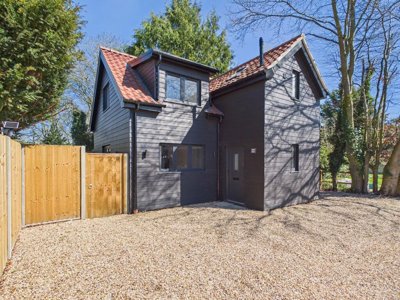
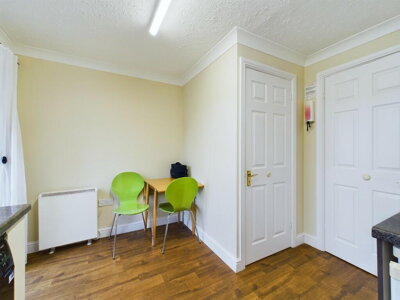
Browse 2 rental homes to rent in Stoke Ferry from local letting agents.
The 2 bed house market features detached, semi-detached, and terraced properties with two separate bedrooms plus living spaces. Properties in Stoke Ferry range from Victorian and Edwardian period homes to modern new builds, with pricing varying across different neighbourhoods.
Stoke Ferry’s rental market sits within the wider pattern for this rural Norfolk village, where demand comes from people after affordable countryside living without losing easy links to nearby towns. Specific rental figures usually need checking directly with local letting agents, but the sales side gives a decent steer, with overall average property prices around £290,000, detached homes averaging £350,000, semi-detached properties at approximately £230,000, and terraced houses around £190,000. In practice, that points to rents that tend to stack up well against larger regional centres, which keeps Stoke Ferry accessible for a range of budgets. Market activity has also been steady, with approximately 20 property sales in the village over the past year and prices rising around 3.6% over the same period.
We find the rental stock in Stoke Ferry is varied enough to suit different priorities, from traditional period cottages in or near the Conservation Area to modern semi-detached homes on newer schemes at the village edge, plus detached houses that work well for families needing more space and garden. The housing mix stretches across several eras, from historic properties built before 1919 around the old core and Main Street, through post-war homes from 1945 to 1980, to more recent developments completed after 1980. So renters can choose between character and convenience, depending on what matters most. Detached homes dominate, which suits the village’s rural feel, while flat stock is limited, so anyone wanting apartment living may need to look towards nearby Downham Market.
For anyone planning to stay a while, the local building make-up is worth getting to know. Traditional Stoke Ferry properties often come with solid brick walls laid in Flemish or English bond, timber floor joists, and pitched roofs finished in clay tiles or slate. They have plenty of character, though they can also bring damp penetration, roof deterioration, and older electrical systems that landlords ought to keep on top of. Newer homes on the outskirts usually use cavity wall construction with brick or render finishes, and that generally means better thermal performance and less ongoing maintenance than the older stock.

Village life here is shaped by community and by the pace of rural Norfolk. Residents enjoy clean air, wide skies, and a neighbourly feel that bigger places rarely match. The Conservation Area covers the historic core around Main Street and the area near St Mary’s Church, a Grade I listed building dating from medieval times that sits at the spiritual and architectural centre of the community. Day-to-day needs are met by a village shop, the local pub, and community facilities, while more extensive shopping, healthcare, and leisure options are in Downham Market, approximately 6 miles away, or in King’s Lynn within a reasonable drive.
The make-up of the village is fairly balanced, with families, couples, and older residents all playing their part in clubs, events, and informal support networks. Local work ties into agriculture, services, and small businesses, although many people commute out to larger settlements and make use of Stoke Ferry’s place in the Norfolk road network. Evenings and weekends are usually quieter, centred on home life, pub visits, and walks along the River Wissey and across the surrounding farmland. For those who value outdoor space, wildlife, and the changing seasons of the Fens, it fits well.
The Norfolk Fens around Stoke Ferry open up plenty of scope for walking, cycling, and watching wildlife, with the River Wissey giving a natural focus to riverside walks and wider footpath routes across farmland and drainage channels in this reclaimed wetland. It is also a handy base for recreation, with golf courses in neighbouring villages and country parks within driving distance. The flat land helps cycling, especially on quiet lanes, and the seasons bring their own rhythm, from spring flooding on water meadows to summer harvests and autumn bird activity. For people who like the countryside to feel alive rather than static, that matters.

Families looking at Stoke Ferry will find primary schools within a sensible travelling distance, with several village schools serving the surrounding rural area. Schools in nearby villages and towns cater for children aged 5 to 11, and most have their own catchment arrangements, so it pays to check those before agreeing to a tenancy. The nearest primary options serving Stoke Ferry are in surrounding villages, and parents can state preferences during admissions, though actual places depend on capacity and the priority rules used by Norfolk County Council.
The nearest secondary schools sit in Downham Market and the surrounding towns, so school transport and journey times need to be part of the decision when choosing where to rent around Stoke Ferry. Options in Downham Market include comprehensive schools that serve the wider catchment and offer a full spread of GCSE and A-Level courses. We would advise checking current catchment rules and admission policies with Norfolk County Council’s education department or with the schools themselves, because those arrangements can shift and affect where a child is placed.
For families who are thinking ahead academically, grammar schools in nearby King’s Lynn and selective schools elsewhere in Norfolk give older primary-aged children a route into selective education, provided they pass the eleven-plus examination in Year 5 or 6 of primary school. Further education is available at colleges in King’s Lynn and Norwich, both reachable via the good road links from Stoke Ferry, with academic and vocational courses for students aged 16 and above. Early years childcare and preschool places can be found in neighbouring villages too, which helps working parents who want rural living without putting work or study on hold.

Stoke Ferry combines a quiet rural setting with practical links to bigger employment centres by road and rail. The village lies off the A10, so driving routes to Downham Market, King’s Lynn, and onwards to Cambridge and Norwich are straightforward enough. Downham Market railway station runs regular services on the Fen Line, including direct trains to Cambridge and King’s Cross in London, which makes the village workable for commuters who can get to the station by car, cycle, or bus. Travel from Downham Market to London King’s Cross takes approximately 90 minutes, so it remains a realistic option for those who want more affordable rural living without giving up access to the capital.
Bus services link Stoke Ferry with nearby villages and market towns, giving those without a car at least some public transport choice, even if the timetable is much thinner than in urban areas. Routes in the area connect through to Downham Market for shopping and station access, and some services reach King’s Lynn on market days or for specific journeys. Cycling is common on the quiet lanes around the village, though longer trips need a bit more care on busier roads, including parts of the A10.
Parking at Downham Market station comes at reasonable daily rates, so rail commuting can work in practice for people travelling to Cambridge or London. For flights, Norwich Airport and Stansted Airport both sit within a manageable drive, at approximately 90 minutes and two hours respectively. The village’s place in the Norfolk road network also gives access to jobs in King’s Lynn, where public sector, retail, and manufacturing employers are found, while Cambridge’s technology and research sector is reachable in approximately one hour for those happy to put up with a longer commute.

Before arranging a viewing, it helps to spend time in Stoke Ferry at different times of day and on different days of the week, so we can all get a proper feel for noise levels, pace, and the character of the place. Call into the village shop and pub, walk the surrounding countryside, including the riverside paths along the River Wissey, and speak to residents if you can. It soon becomes clear whether rural village life fits your routine and practical needs. Knowing the distance to schools, the level of public transport, and the quality of the road links makes day-to-day life much easier to picture.
Speak to local letting agents to arrange viewings of any available rental homes in Stoke Ferry and the surrounding villages. We always suggest seeing more than one property, because condition, maintenance standards, and overall value can vary quite a bit. Take photographs and notes while you’re there, then you can compare homes properly afterwards. Rental stock is limited in the village, so registering with more than one agent is sensible, especially as competition for the best properties can be fierce.
Get a rental budget agreement in principle from a lender before you start applying. It shows landlords and letting agents that the rent is affordable, which can make a real difference in a competitive market. We would also factor in Council Tax, utility bills, buildings insurance, and moving costs when working out the true monthly commitment. In Stoke Ferry, transport costs matter too if commuting is part of the plan, and older period homes may carry higher heating costs as well.
After choosing a property, fill in the tenant application forms issued by the letting agent or landlord. You will usually need proof of identity, employment references, previous landlord references, and bank statements that show regular income. Answer any follow-up requests quickly, because landlords may have several applications at once and a fast response can put you in a stronger position.
Read the tenancy agreement carefully before signing, and make sure the rent payment terms, maintenance responsibilities, and notice periods all make sense to you. The document should set out the length of the tenancy, the deposit amount, and any property-specific terms. Ask about anything that seems unclear before you commit, especially garden upkeep, utility arrangements, and any limits on pets or alterations, which are common points in village lettings.
Once the paperwork is settled, arrange buildings insurance, transfer the utilities into your name, and carry out a detailed check-in inspection with the letting agent or landlord. Photographs and written notes are worth keeping, as they help protect your deposit when the tenancy ends. In Stoke Ferry, it also makes sense to think about the seasonal realities of rural living, from flooding risk and winter heating needs to building a contact list of local tradespeople for ongoing maintenance.
Renting in Stoke Ferry calls for a close look at local factors that do not always show up in standard property checks, starting with the village’s proximity to the River Wissey and the flood risk that comes with it. Parts of Stoke Ferry, especially those nearer the river, carry identified flood risk from river sources and surface water, so tenants should understand that before committing to a home. It is sensible to ask current or former tenants about any flood history, check what flood resilience measures are in place, and review flood maps so the insurance picture is clear from the outset.
The ground beneath Stoke Ferry is made up of sand and gravel superficial deposits over chalk bedrock, with clay deposits in some river valleys that can lead to shrink-swell movement affecting foundations. Where there is more clay, the shrink-swell risk may be moderate to high, particularly in periods of drought or heavy rainfall, both of which are familiar enough in the East Anglia climate. Mature trees nearby call for extra attention too, because roots and clay soils can make ground movement worse over time. For a period property, it is worth asking the landlord whether there has ever been foundation movement or underpinning work.
Older homes in Stoke Ferry, especially those in or near the Conservation Area, can show movement or foundation issues that matter to renters, particularly if the tenancy is likely to run for longer than a year or two. Traditional solid brick construction in Flemish or English bond, timber floor joists, and pitched roofs with clay tiles all add character, but they can also bring damp, roof deterioration, and older electrical or plumbing systems that need a landlord’s attention or a tenant’s patience. We often see damp in older Fenland properties because of the water table and traditional building methods, so a thorough viewing is essential.
Some of the more common defects in Stoke Ferry’s older housing stock include rising damp or penetrating damp where damp-proof courses are lacking, roof wear with slipped tiles and failing pointing, and electrical systems that no longer meet current standards. Homes built on shrinkable clay can also show subsidence or heave, especially where drainage is poor or trees are nearby. Timber problems such as woodworm or rot can affect older elements too, particularly if ventilation is limited or damp has got in. Knowing about these issues helps renters inspect properly and ask landlords to put things right before signing a longer agreement.
Properties in Stoke Ferry’s Conservation Area, and any listed buildings, come with planning restrictions and obligations that affect what changes tenants can ask for or carry out. Listed buildings need consent for major alterations, while Conservation Area rules limit external changes, so long-term renters should bear that in mind if they want to personalise a home. If a leasehold property is involved, any service charges and ground rent should be checked before committing, because those ongoing costs add to the rent and tell you something about how the property is managed.

Specific rental figures for Stoke Ferry need to be checked directly with local letting agents, because the village market is small and there is not much public data to lean on. Rural Norfolk villages generally give better value than urban centres, with terraced and semi-detached homes usually attracting lower monthly rents than equivalent places in nearby towns. The sales market offers a useful guide, with overall average prices around £290,000, which suggests rents here are likely to be more affordable than in larger nearby towns while still reflecting the property type, condition, and features included. Those watching their budget should also remember that period homes can cost more to heat than modern ones.
Stoke Ferry properties sit within the council tax area of King’s Lynn and West Norfolk Borough Council, with individual homes placed in bands A through H according to their assessed value. Anyone looking to rent should ask the letting agent or landlord for the council tax band of a specific property, since that charge usually appears alongside the rent and deposit in an advert. Council Tax pays for local services and varies a lot by band, so it is a key part of the budget. In the village, Band A and B homes are common among smaller terraced cottages and semi-detached houses, although there are properties across the full range.
Primary schools around Stoke Ferry serve the surrounding villages, with children generally attending the nearest qualifying school under catchment policies run by Norfolk County Council. Secondary options in Downham Market and King’s Lynn include comprehensive and grammar schools, and the grammar route depends on passing the eleven-plus for admission to selective Year 7 places. Families should check the current catchments, admission rules, and transport arrangements with Norfolk County Council and with the schools themselves before renting in Stoke Ferry, because proximity alone does not guarantee a place. Travel to secondary school usually means a private car or school bus, so that needs confirming before settling on a location.
Public transport in Stoke Ferry is limited, with bus services linking the village to nearby communities and market towns, though they tend to run less often than urban routes and need a bit of planning. The nearest railway station at Downham Market connects to the Fen Line, with services to Cambridge and London King’s Cross, and from Stoke Ferry it means a short drive or cycle to reach the station. For day-to-day commuting, a private vehicle is still the most dependable option, while the village’s position off the A10 gives reasonable driving access to King’s Lynn, Cambridge, and the employment opportunities in those larger towns.
For renters wanting an honest rural Norfolk village, Stoke Ferry delivers that mix of peace, essential amenities, and practical links to bigger towns. It suits people who enjoy a community atmosphere, outdoor time on foot or by bike along the River Wissey and the surrounding farmland, and the seasonal changes of the Fenland landscape, without the pace of urban life. Commuters heading to Cambridge, King’s Lynn, or London via Downham Market station find it workable, and families often like the village schooling and community feel too. Because rental stock is limited, availability changes often, so it is sensible to register with local agents and stay in touch when properties come up.
Across England, standard rental deposits equal five weeks rent and are held in a government-approved deposit protection scheme for the duration of the tenancy before being returned, minus any legitimate deductions for damage or unpaid rent. Tenant referencing fees, credit checks, and admin charges may still apply depending on the letting agent or landlord, although tenant fee ban rules restrict what can be charged. First-time renters should also budget for removal costs, setting up utilities, and any advance rent alongside the security deposit, with total upfront costs often coming to one to two months rent depending on the circumstances and the agent’s requirements. Budget agreements in principle from lenders usually cost from 4.5% APR and can help show affordability in a competitive market.
Planning for a rental in Stoke Ferry means looking beyond the monthly rent and seeing the full bill, starting with the security deposit equivalent to five weeks rent under standard Assured Shorthold Tenancy arrangements. The deposit has to be protected in a government-approved scheme within 30 days of receipt, and tenants must be given the prescribed information about which scheme is being used. At the end of the tenancy, deductions can only be made for legitimate claims such as damage beyond reasonable wear and tear, unpaid rent, or other breaches of the tenancy agreement, which gives tenants important protection when they look after the property properly.
There are other upfront costs too, including rent in advance, usually one month but sometimes two months depending on landlord requirements and tenant circumstances, and removal company charges if you are moving from outside the area. Utility setup costs for gas, electricity, and internet should be included, along with contents insurance, which tenants need to arrange from the start date of the tenancy. Council Tax and water rates also need to sit in the monthly budget, and these depend on the property’s Council Tax band and whether water is metered or billed through the local authority. Energy bills deserve special attention in Stoke Ferry’s period homes, where solid wall construction and original features can mean higher heating needs than in modern houses.
Professional help through the renting process starts with a rental budget agreement in principle before viewings, which sets out borrowing capacity and shows landlords and letting agents that the numbers stack up. Tenant referencing services can speed up applications, while inventory reports at check-in protect both sides by recording the property condition at the start and end of the tenancy. For people committing to longer tenancies in period properties, a RICS Level 2 Survey, typically costing between £450 and £700 depending on property size, can give useful insight into condition and flag maintenance issues that may need attention during the tenancy.
From 4.5% APR
Get a rental budget agreement in principle before you start viewing homes
From £30
Use professional referencing to keep your rental application moving quickly
From £450
Detailed condition report for older or period properties
From £85
Energy performance certificate for rental properties
Properties to Rent In London

Properties to Rent In Plymouth

Properties to Rent In Liverpool

Properties to Rent In Glasgow

Properties to Rent In Sheffield

Properties to Rent In Edinburgh

Properties to Rent In Coventry

Properties to Rent In Bradford

Properties to Rent In Manchester

Properties to Rent In Birmingham

Properties to Rent In Bristol

Properties to Rent In Oxford

Properties to Rent In Leicester

Properties to Rent In Newcastle

Properties to Rent In Leeds

Properties to Rent In Southampton

Properties to Rent In Cardiff

Properties to Rent In Nottingham

Properties to Rent In Norwich

Properties to Rent In Brighton

Properties to Rent In Derby

Properties to Rent In Portsmouth

Properties to Rent In Northampton

Properties to Rent In Milton Keynes

Properties to Rent In Bournemouth

Properties to Rent In Bolton

Properties to Rent In Swansea

Properties to Rent In Swindon

Properties to Rent In Peterborough

Properties to Rent In Wolverhampton

Enter your details to see if this property is within your budget.
Loans, cards, car finance
Estimated property budget
Borrowing + deposit
You could borrow between
Typical borrowing
Monthly repayment
Est. at 4.5%
Loan-to-value
This is an estimate only. Your actual budget may vary depending on interest rates, credit history, and personal circumstances. For an accurate affordability assessment, speak to one of our free mortgage advisors.
This calculator provides estimates for illustrative purposes only and does not constitute financial advice. Your home may be repossessed if you do not keep up repayments on your mortgage. Estimates based on 4.5% interest rate, repayment mortgage. Actual rates depend on your circumstances.
Homemove is a trading name of HM Haus Group Ltd (Company No. 13873779, registered in England & Wales). Homemove Mortgages Ltd (Company No. 15947693) is an Appointed Representative of TMG Direct Limited, trading as TMG Mortgage Network, which is authorised and regulated by the Financial Conduct Authority (FRN 786245). Homemove Mortgages Ltd is entered on the FCA Register as an Appointed Representative (FRN 1022429). You can check registrations at NewRegister or by calling 0800 111 6768.

We use cookies to show you personalised content and improve your experience of our website. Find out more in our Privacy policy and Cookie policy.