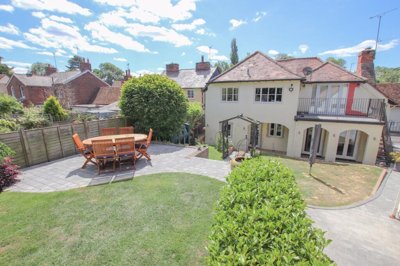
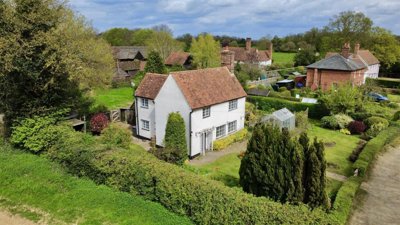
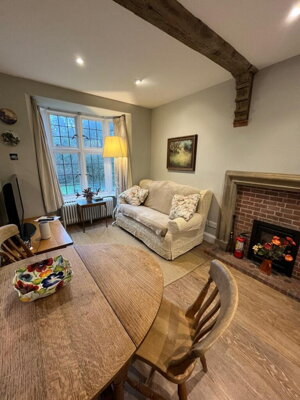
Browse 3 rental homes to rent in Stoke-by-Nayland from local letting agents.
The Stoke By Nayland property market offers detached, semi-detached, and terraced houses spanning various price ranges and neighbourhoods. Each listing includes detailed property information, photographs, and direct contact with the marketing agent.
Stoke-by-Nayland has a period-house market that is easier to read than in many Babergh villages. The research supplied did not identify any active new-build development, so most available homes appear to be existing stock, from timber-framed cottages to older detached houses. Renters looking for space, gardens, original detail and a bit of age in the building will usually have the better choice here. The homes tend not to feel standardised, which is a large part of the pull.
homedata.co.uk records put the area’s average sold price 27% lower over the last year, pointing to a softer sales market, although rental demand does not always move in the same way. Detached homes averaged £560,750, a clear step above the semi-detached average of £295,000 and the terraced average of £270,000. Bigger plots and larger houses still attract the premium, while a smaller cottage can be more reachable if the modernisation has been handled well. That spread helps explain why asking rents can look quite different from one street to the next.
The street figures are not all moving in lockstep. Thorington Street recorded a 7% decrease over the last year, while Crossfields showed a 3% decrease, so position, plot and condition still matter even in a small village. Cottages inside the Conservation Area can be especially appealing to renters who want heritage character, but they may also bring stricter alteration rules and a higher maintenance burden. Before applying for a place that looks move-in ready, ask about insulation, the age of the boiler and recent repair work. In Stoke-by-Nayland, those answers carry real weight.

Stoke-by-Nayland sits in a particularly attractive part of Suffolk, where farmland, hedgerows and the Dedham Vale AONB shape the feel of the village. Timber-framed buildings, period cottages and Grade II listed homes give the streetscape an old, settled look rather than a generic one. That is exactly what draws many renters here, especially those who want quiet surroundings and a village with a clear identity. Daily life is local, close-knit and slower than a town-centre routine.
In Babergh village life, the basics are close by, while bigger shops and services are generally found in neighbouring towns. Conservation Area status has helped protect the setting, and it is one reason Stoke-by-Nayland still has so much older housing stock. For renters, that can mean handsome frontages and plenty of charm, but also narrower parking, more traditional layouts and fewer big open-plan rooms than in a new-build home. Original beams, thick walls and individual quirks come with compromises, but for the right tenant they are part of the appeal.
For families and longer-term renters, the village offers a useful mix of countryside and community. Flats do not dominate the market, so cottages, detached homes and other house types are more likely to appear than high-density apartment blocks. That can suit sharers, families and anyone who wants a bit more breathing room. It gives Stoke-by-Nayland a very different rhythm from an urban rental patch.
School planning in Stoke-by-Nayland normally begins with the village primary school, then widens out to Babergh and Colchester options as children get older or catchments come into play. The supplied research did not include verified Ofsted ratings, so we would check admissions maps with the local authority before committing to a tenancy. Boundaries can move from year to year, and rural communities are not immune to that. A house can look perfect, then sit just outside the intake area you had in mind.
Because Stoke-by-Nayland is small, the school run often becomes part of the property search from the start. Parents tend to ask three practical questions: how far is primary drop-off, what are the secondary choices, and is there a sensible route for sixth form or further education. The village sits in a rural part of Suffolk, so the best school fit may be in a nearby town rather than within the parish. Build that into commute planning from day one.
Younger children may benefit from the village atmosphere and the community that comes with a small school network. Older pupils often need a wider set of options, so compare journey times, after-school clubs and admission priorities before putting in an offer. If schooling is a deciding factor, ask the letting agent whether current tenants have used the route you are considering. Local knowledge can uncover a practical snag far quicker than a map.

Most commuters treat Stoke-by-Nayland as a rural base where a car makes life much easier. Country roads link the village with wider Babergh and Colchester corridors, so driving is usually the simplest way to reach work, shops and rail services. Public transport is not as frequent as it would be in a town centre, which makes timetable checking important before signing. If trains are part of your normal week, confirm the station, parking position and early service pattern before you move.
Rail travel is usually picked up at nearby stations rather than in Stoke-by-Nayland itself, which is typical for a rural Suffolk address. Your commute will depend on how quickly you can get to the station and whether peak-time parking is realistic. Buses may help with occasional trips, but they are rarely a full replacement for owning a car in this setting. We always suggest testing the journey at the time of day you would actually use it.
Parking is often less stressful than in a dense urban area, although older cottages and Conservation Area streets can still make access tight. Cycling can work for local trips, but rural lanes, changing light and winter conditions need some thought. Many people accept that transport trade-off because they are getting quiet surroundings, space and a village setting in return. Hybrid or flexible work can make the fit feel much easier.
Before viewings start, get a rental budget agreement in principle, so you know your upper limit and can act quickly when a suitable home appears.
Compare the property type, parking, garden space and access carefully. A cottage in the Conservation Area can live very differently from a detached house tucked away on a quieter lane.
Ask direct questions about heating, broadband, water pressure, parking and maintenance history, particularly with older timber-framed or listed buildings.
Have references, ID, income evidence and deposit funds ready. Rural homes can still attract organised applicants who are able to move fast.
Read the inventory, repair responsibilities, break clauses and any property restrictions, then ask for clarification before anything is signed.
Sort utilities, postal redirection and moving dates early, and keep a written note of what the landlord remains responsible for once you are in.
Much of Stoke-by-Nayland’s appeal comes from older homes, but they need a more careful viewing than a modern box. Timber-framed structures, period cottages and traditional roofs can hide damp, timber decay or older repair work that deserves another look. Ask when the boiler was last serviced, whether the roof has been renewed and if insulation improvements have been made. Those points matter even more where a property has stood for decades rather than years.
Conservation Area and listed-building status can limit what can be changed, so make sure the rules suit the way you want to live before you commit. Windows, doors, chimneys and external finishes may be protected, and that can matter if you like to personalise a home. In flats or converted buildings, ask about service charges, maintenance plans and who is responsible for communal repairs. Even where the landlord pays, those arrangements affect how well the building is looked after.
A rural setting brings checks that are easy to miss on a quick viewing. Flood risk and local geology were not verified in the supplied research, so ask direct questions if a home sits close to low ground, drainage channels or historic boundaries. Parking, broadband speed, garden drainage and mobile signal may matter more here than in a city rental, especially for home working. A thorough viewing now can save a lot of irritation later.
The supplied research does not give a verified average asking rent for Stoke-by-Nayland, so we would not put a guess on it. homedata.co.uk does show an average sold price of £478,545 over the last 12 months, which helps frame the type and value of homes in the village. For live rental pricing, use current listings on home.co.uk, as this is a small market and one property can differ sharply from the next.
Council tax is attached to the individual property, not simply to the village name, and Babergh District Council is the local authority here. Two homes on the same lane can therefore fall into different bands because of size, age and assessed value. Ask the agent for the exact band before you apply, then check it against the council records.
For families, the first school check is usually local, then the search spreads across Babergh and nearby towns for secondary choices. Stoke-by-Nayland Church of England Primary School is the obvious starting point for younger children, while older pupils may need to compare schools in places such as Sudbury or Colchester, depending on catchment. The supplied research does not include verified ratings, so confirm admissions rules for each school before choosing a tenancy.
Public transport is more limited than in a town centre, and most residents plan around roads and nearby rail stations. Train services are usually accessed outside the village, so station choice and parking become part of the commute. If daily rail travel is essential, do the journey at your normal travel time and check that the timings genuinely work.
Stoke-by-Nayland appeals to renters who want village character, countryside access and period homes. The Conservation Area, Dedham Vale setting and mix of timber-framed and listed properties give it a distinctive feel. It will be less convincing for anyone who needs a wide choice of flats, frequent buses or a town-centre lifestyle.
For an assured tenancy in England, the holding deposit is usually capped at one week's rent, while the tenancy deposit is capped at five weeks' rent where annual rent is under £50,000. Rent in advance may also be needed, along with referencing and moving costs such as broadband or utility setup. Ask the agent for the full breakdown before applying, so the upfront total is clear.
Yes, extra care is sensible here because many homes are historic or built using traditional methods. Look closely for damp, roof condition, timber details and any limits connected with Conservation Area or listed status. If something feels uncertain, ask for a thorough survey style assessment or specialist advice before agreeing to a long tenancy.
From 4.5%
Get a rental budget agreement in principle before viewing homes in Stoke-by-Nayland
From £499
Keep the application moving with quick, dependable tenant checks
From £99
Check energy efficiency in a village home before you sign
From £350
Useful if you might buy a period cottage in the village later on
Renting costs in Stoke-by-Nayland follow the same national tenancy rules as the rest of England. The usual holding deposit is capped at one week's rent, and the tenancy deposit is capped at five weeks' rent when annual rent is under £50,000. You may also need the first month’s rent in advance, and some landlords will want clean reference checks before they agree the let. With character homes, ask if any extra charges relate to gardening, septic tanks or shared maintenance.
Running costs deserve as much attention as the deposit. Older homes can look cosy but cost more to heat, so check energy performance, insulation and boiler efficiency before agreeing a tenancy. If you are comparing several properties, work out the likely monthly total rather than looking only at the rent, because utilities, council tax and travel can change the real cost. That matters in a village where your transport pattern may not match what you were paying in a town.
Some renters use Stoke-by-Nayland as a step towards buying, so the wider affordability picture is useful. For that plan, the 2024-25 purchase thresholds are 0% up to £250,000, 5% from £250,000 to £925,000, 10% from £925,000 to £1.5 million, and 12% above that, while first-time buyers get 0% up to £425,000 and 5% from £425,000 to £625,000. Those figures apply to buyers rather than tenants, but they help if renting here could lead to a purchase later. For live rents, keep checking home.co.uk and compare current asking prices with your own budget.
Properties to Rent In London

Properties to Rent In Plymouth

Properties to Rent In Liverpool

Properties to Rent In Glasgow

Properties to Rent In Sheffield

Properties to Rent In Edinburgh

Properties to Rent In Coventry

Properties to Rent In Bradford

Properties to Rent In Manchester

Properties to Rent In Birmingham

Properties to Rent In Bristol

Properties to Rent In Oxford

Properties to Rent In Leicester

Properties to Rent In Newcastle

Properties to Rent In Leeds

Properties to Rent In Southampton

Properties to Rent In Cardiff

Properties to Rent In Nottingham

Properties to Rent In Norwich

Properties to Rent In Brighton

Properties to Rent In Derby

Properties to Rent In Portsmouth

Properties to Rent In Northampton

Properties to Rent In Milton Keynes

Properties to Rent In Bournemouth

Properties to Rent In Bolton

Properties to Rent In Swansea

Properties to Rent In Swindon

Properties to Rent In Peterborough

Properties to Rent In Wolverhampton

Enter your details to see if this property is within your budget.
Loans, cards, car finance
Estimated property budget
Borrowing + deposit
You could borrow between
Typical borrowing
Monthly repayment
Est. at 4.5%
Loan-to-value
This is an estimate only. Your actual budget may vary depending on interest rates, credit history, and personal circumstances. For an accurate affordability assessment, speak to one of our free mortgage advisors.
This calculator provides estimates for illustrative purposes only and does not constitute financial advice. Your home may be repossessed if you do not keep up repayments on your mortgage. Estimates based on 4.5% interest rate, repayment mortgage. Actual rates depend on your circumstances.
Homemove is a trading name of HM Haus Group Ltd (Company No. 13873779, registered in England & Wales). Homemove Mortgages Ltd (Company No. 15947693) is an Appointed Representative of TMG Direct Limited, trading as TMG Mortgage Network, which is authorised and regulated by the Financial Conduct Authority (FRN 786245). Homemove Mortgages Ltd is entered on the FCA Register as an Appointed Representative (FRN 1022429). You can check registrations at NewRegister or by calling 0800 111 6768.

We use cookies to show you personalised content and improve your experience of our website. Find out more in our Privacy policy and Cookie policy.