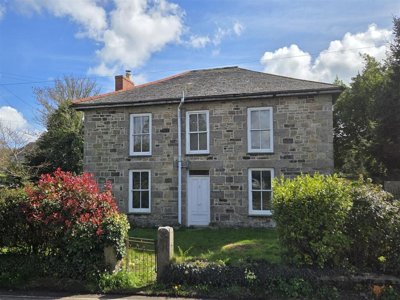
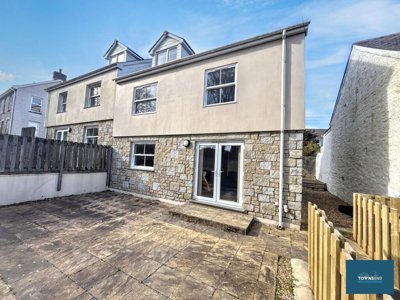
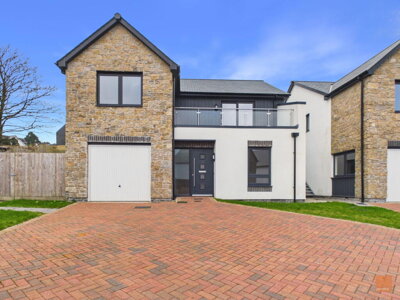
Browse 3 rental homes to rent in Stithians, Cornwall from local letting agents.
The larger property sector typically features multiple bathrooms, substantial reception space, and private gardens or off-street parking. Four bedroom houses in Stithians span detached, semi-detached, and occasionally terraced configurations, with styles ranging from period properties to modern executive homes.
£0/m
0
0
0
Source: home.co.uk
Showing 0 results for 4 Bedroom Houses to rent in Stithians, Cornwall.
In Stithians, the rental market tends to mirror wider trends across the TR3 postcode area, where average house prices are currently around £281,000 to £300,000 according to recent data from property portals. Comprehensive rental figures for Stithians itself are thin on the ground, so the local sales market gives the clearest sense of value in the village. Detached homes command the higher end, with average rents of £3,450 for comparable properties, while semi-detached houses usually fetch around £1,250. Taken together, those figures suggest that larger family homes would sit at the premium end of the rental market, with cottages and flats likely below them.
Prices in Stithians have cooled over the last 12 months, with different property research sources putting the fall at roughly 7.6% to 16.8%. home.co.uk data shows an 11% drop against the previous year, and values are now 19% below the 2022 peak of £367,800. Even so, the village still appeals to renters looking for value in Cornwall. Our inspectors work across the TR3 area, and we are seeing a steady mix of rental stock, from old stone cottages to newer family houses, as the sales market settles.
New build activity within Stithians is still limited. At Little Acre at Tresevern Croft, plots with outline planning permission have been proposed for two detached homes, while Foundry Hill is at an early pre-application stage with advice being sought on a scheme of between 30 and 50 dwellings. That kind of restricted supply helps preserve the village’s character, but it also means good rental homes can appear rarely and disappear quickly. One recent completion at Trembroath offers a four-bedroom detached house within walking distance of the village centre for anyone wanting something more modern.

Set in Cornwall’s mining landscape, Stithians lies roughly midway between Redruth and Falmouth. The civil parish includes a built-up area with around 1,624 residents. Walk the streets around the central square and the Cornish character is plain to see, with stone cottages, granite-walled farm buildings and period homes from the early 19th century. Many of the older buildings still show granite rubble walls and scantle slate roofs, which give the village a settled, unmistakably local feel.
Day-to-day life is supported by the basics: Stithians Primary School, a village shop and post office, plus two traditional pubs serving food and drink. Community life is lively too, especially at the Stithians Show at the showground each summer, which draws visitors from across Cornwall. For anyone who likes being outdoors, Stithians Lake offers sailing, kayaking and other water sports, while the surrounding countryside is good for walking and cycling through the softer hills and farmland of mid-Cornwall. The A39 and A394 also make travel to bigger towns fairly straightforward.
Our team has looked at plenty of properties in Stithians and the construction methods are often very distinctive. Early 19th-century miller’s houses and agricultural buildings commonly use granite rubble walls with granite dressings, a traditional Cornish technique that still turns up in rental homes today. Those historic features add a great deal of character, though they can also mean more upkeep. Roofs were traditionally finished with grouted scantle slate, although some have since been replaced with asbestos slate or more modern materials. It is worth checking the condition of these details closely, because repairs on older fabric can be more involved than standard modern work.

Stithians Primary School sits at the centre of local education, taking children from reception through to Year 6. That makes homes in the catchment especially popular with families looking to rent in the village. Older pupils usually travel to nearby towns, with Pool Academy and Penryn College among the main options for Stithians residents. Before committing to a tenancy, we always suggest checking the school transport arrangements and routes, because the practicalities can shape family routines quite a bit.
Families moving into the Stithians area should also keep the wider Cornwall education picture in mind. Grammar schools in Truro and Redruth, while selective, attract pupils from across the county, and homes with good access to transport routes for those schools often hold their appeal. Renting in Stithians gives a workable base for reaching schools in Truro, Falmouth and Redruth. The University of Falmouth in nearby Penryn adds another educational pull to the area, and helps give the surrounding towns and villages a younger edge.
We often advise families to check school performance information and admissions rules carefully before they settle on a property in Stithians. Penryn College takes students from Year 7 through to Sixth Form and has built up strong vocational routes alongside traditional A-level courses. Pool Academy has a wider curriculum and decent transport links from the Stithians side of Cornwall. For younger children, Stithians Primary School is popular because of its village setting, although places can be tight depending on the time of year. Open days are well worth attending, and a direct conversation with the admissions team can clear up catchment boundaries and any recent organisational changes.

Transport is a major consideration for renters in Stithians, and the village’s central position gives it links to several important Cornish towns. The A394 runs through Stithians and connects directly to Helston to the south-west and to the A30 trunk road at Copor to the north-east. From there, the A30 links Cornwall with Exeter and the wider motorway network, which is useful for anyone travelling beyond the county or regularly further afield in the UK. For rail, Truro and Redruth are the nearest mainline stations, with regular services to Plymouth, Exeter, Bristol and London Paddington.
Cornish buses run local services between Stithians and nearby villages and towns, though the timetable is much thinner than in urban areas, so many residents still rely on cars or careful planning. From the village it is around 8 miles to Truro city centre, about 7 miles to Redruth and approximately 10 miles to Falmouth, with all three usually reachable within 20-30 minutes by car in normal traffic. Cyclists can use parts of the Cornwall cycle path network, although the hilly ground common in this part of the county can make riding demanding for less experienced people.
Travel through the TR3 area often brings one thing into sharp focus, the A394 can get busy at peak times, especially near its junction with the A30 at Copor. Anyone renting in Stithians should think about commute times as part of the search, because access to main roads varies quite a bit depending on where in the village a property sits. Homes nearer the centre or on the main through-road may be better placed for transport, though they can also pick up more road noise. Stithians Lake is close enough for many residents to reach on foot or by bike, which is a real plus for anyone who likes being outdoors.

A rental budget agreement is a sensible first step before you start viewing property in Stithians, because it tells you how much rent you can realistically afford. It involves a credit check and affordability assessment with a lender or broker, and it also shows landlords that you are serious when you put in an offer. Having that paperwork ready before the search begins can put you ahead of other applicants in a market like this one.
Take time to walk around Stithians village and the wider TR3 area so you can get a feel for the amenities, transport links, school catchments and the general neighbourhood character. It is also sensible to think about flood risk, especially near Hendra Road and Foundry, together with the condition of the housing stock, much of which is old, and whether you want to be close to the village centre or further out. Our inspectors can carry out detailed condition assessments once you have narrowed down the shortlist, but that early local research helps cut out the less suitable options.
Once a few properties in Stithians look promising, get in touch with the letting agents or landlords to book viewings. Supply is fairly limited in a village of this size, so homes that fit your needs may not hang around. Bring notes and photos, and ask about the lease terms, which fixtures stay in place and what the landlord is responsible for. For older stone houses, it pays to look closely for damp, roof condition and the age of the heating system.
For older stone cottages and period homes in Stithians, a condition report or RICS Level 2 survey can be a wise move. It is less common with rentals than purchases, but it can pick up damp, structural movement or tired electrics that may not show up on a quick viewing. The usual cost is between £400 to £600, depending on the size and complexity of the property, and larger detached houses can cost more. Our team surveys properties throughout the TR3 area and we are familiar with the traditional Cornish construction methods found here.
Before you sign a tenancy agreement, make sure you are clear on the terms. That means the length of the tenancy, usually 6 or 12 months, the rent amount and payment dates, the deposit amount and the protection scheme, plus who deals with maintenance and repairs, and any rules around pets, smoking or changes to the property. In Stithians, clauses covering stone walls and slate roofs deserve particular attention because any specialist repairs can take more time and cost more.
After the offer is accepted and the tenancy is signed, the move to Stithians needs a bit of organisation. Set up contents insurance, open utility accounts for water, electricity and gas, register with local services and note the bin collection days and community information. On move-in day, take meter readings and complete a full inventory with the landlord or letting agent. Our inspectors always recommend thorough records for older homes, including photographs of any existing damage, so the deposit is protected when the tenancy comes to an end.
Renting in Stithians calls for a bit more local knowledge than many urban markets. Much of the housing dates from the 19th century or earlier, and the village stock often includes granite rubble walls, slate roofs and original timber frames. Those features give the homes plenty of character, but they can also bring problems that need checking before a tenancy begins. Damp is especially common in older stone properties, particularly if they have been empty for a while or the ventilation is poor. Ask about any recent damp work, the heating system and any history of mould or moisture problems.
In older Stithians homes, our inspectors often pick up structural issues that a quick viewing would miss. Cracks in walls, especially large, spreading or diagonal stepped ones, can point to foundation movement or other structural concerns. Sagging beams, uneven floors and gaps where walls meet floors are other signs that deserve a closer look before the tenancy is signed. Granite rubble construction is sturdy, but it can hide more serious issues, so a professional survey is especially useful on the older stock.
Flood risk matters in Stithians, and some parts of the village have seen serious surface water and sewage flooding, particularly around Hendra Road and the Foundry district. South West Water is running an active flood-reduction project, due for completion around April-May 2026, with sewer upgrades intended to cut the risk of manhole discharges and internal flooding. Residents have reported raw sewage and debris moving through streets and into homes after heavy rain, with the system overwhelmed by rainfall and groundwater ingress. We always recommend checking the Environment Agency flood maps for the exact address and raising any concerns with the landlord before a tenancy is agreed.
The geology brings its own questions for renters in Stithians. Cornwall’s mining heritage means some land may be affected by historic workings, with possible ground movement as water levels alter. That is not described as a widespread problem in Stithians, but the clay-rich soils in the area can also shift during dry spells and affect foundations. Trees close to a house can make matters worse through root growth and moisture extraction. Look out for signs of previous foundation work or structural repairs, especially where there are large trees nearby.

For rental values, current listing data from home.co.uk is the most useful guide we have for Stithians. Detached properties tend to rent at around £3,450 a month, while semi-detached homes are usually around £1,250. Broadly speaking, rental prices should follow that shape, with larger family homes at the top end. If you want the latest figures, search home.co.uk for properties in Stithians and across the TR3 postcode area, because local letting agents update listings regularly. Prices in the TR3 area have fallen by around 11% over the last year, and that shift may well feed through into rents as landlords adjust.
For council tax, properties in Stithians sit under Cornwall Council, with the money helping to fund services such as education, waste collection and road upkeep. Cornwall’s bands run from Band A for the lower-value homes up to Band H for the most expensive, and many traditional cottages and village houses are likely to sit in Bands A to C given the values seen locally. The exact band for a property can be checked through Cornwall Council or by searching the address on valuation office records. Band D properties in Cornwall currently pay around £1,800-£2,000 each year, although the final bill depends on the band and any discounts, such as single person discount or council tax support.
Stithians Primary School serves the village and the surrounding area, giving children from reception through to Year 6 a community-focused start. For secondary education, families often look to Pool Academy in the village of Pool, which takes students from across mid-Cornwall, or Penryn College, which teaches through to Sixth Form and has strong vocational options. Grammar school choices in Truro and Redruth also matter to many parents because they use selective admissions and draw pupils from across the county. With the University of Falmouth to the south, older students are still within reasonable travelling distance of higher education, and the university adds to the youthful tone of nearby towns.
Stithians has only limited public transport, with local buses linking to surrounding towns and villages but not at the sort of frequency that suits every commuter. The village is about 8 miles from Truro and 7 miles from Redruth, both of which have mainline stations with services to Plymouth, Exeter, Bristol and London Paddington. Bus services to Truro usually run only a handful of times each day, so they are better for occasional trips than for a daily commute. Most residents who travel to work rely on a private vehicle, and access to the A394 and A39 is a big factor in how desirable a property is. By car, Truro is usually 20-25 minutes away in normal conditions, while Redruth takes around 15 minutes.
For people who value village life in a beautiful corner of Cornwall, Stithians offers a strong quality of life. There is a real community feel, traditional architecture with the familiar granite rubble construction, and plenty to do outdoors, from water sports at Stithians Lake to long walks in the surrounding countryside. The trade-off is practical rather than romantic. Public transport is limited, some of the housing stock is older and condition can vary, and flooding has affected certain parts of the village, especially around Hendra Road and the Foundry district. For tenants who can work with those realities, Stithians remains a peaceful, characterful base with good access to larger towns for work and everyday services.
Anyone renting in Stithians will usually need to pay a security deposit equal to five weeks rent, and that money must be protected by the landlord in a government-approved tenancy deposit scheme within 30 days of receipt. The three approved schemes are the Deposit Protection Service, MyDeposits and the Tenancy Deposit Scheme, and the landlord has to tell you which one is being used, along with how the deposit is returned at the end of the tenancy. Most tenancy fees were removed under the Tenant Fees Act 2019, though a credit check during referencing may still cost up to £20, and a holding deposit of one week's rent may be needed to secure the property while checks are carried out. Getting a rental budget agreement in principle before the search begins is still a smart move, because it helps show landlords that you are financially ready.
Flooding is a known issue in parts of Stithians, especially around Hendra Road and the Foundry district. During heavy rain, the village has seen serious surface water and sewage flooding, with residents reporting raw sewage in streets and inside properties. South West Water has accepted that the local sewage system is overwhelmed by rainfall and groundwater ingress, and an improvement project is in progress with completion expected around April-May 2026. We would always suggest checking the Environment Agency flood maps for the exact address, asking the landlord about past flooding and thinking about suitable insurance. Homes on higher ground away from the main flood areas may be a safer choice while the infrastructure work is underway.
The rental stock in Stithians is built around traditional stone cottages and period houses that reflect the village’s history, together with a smaller number of more modern family homes from the latter part of the 20th century. Plenty of the rentals still show granite rubble walls and scantle slate roofs, which look lovely but can need more looking after than a newer build. Detached family houses are available for those who need the space, although they are not especially common in a village this small. Semi-detached and terraced homes are usually the more affordable option and tend to suit smaller households. Because the market is fairly limited, it is sensible to register with several local letting agents so you hear about new listings quickly.
Budgeting properly for a rental in Stithians matters, because it helps avoid unwelcome surprises later on. The biggest upfront cost is the security deposit, which is capped at five weeks rent for homes with annual rents below £50,000. That deposit has to be protected in a government-approved scheme, such as the Deposit Protection Service, MyDeposits or the Tenancy Deposit Scheme, within 30 days of the landlord receiving it, and you should be told which scheme is being used together with the process for getting the deposit back at the end.
There are other costs to allow for as well, starting with the first month’s rent in advance, which is usually asked for before you move in. You may also need a holding deposit to reserve the property while referencing is completed, though that is generally capped at one week's rent and is offset against the first month’s rent. Credit and background checks can still be charged by letting agents, although the Tenant Fees Act 2019 capped them at £20 and in many cases the landlord pays. If you decide to commission a professional survey or condition report, costs usually sit between £400 to £600 depending on how detailed the report needs to be and how large the property is.
Our inspectors suggest setting aside money for possible condition issues when renting older buildings in Stithians. Landlords are normally responsible for the structure and the main systems of a property, but tenants still have to deal with minor damage and ordinary wear and tear during the tenancy. A full inventory check at the start, backed by photographs of any existing damage, is the best protection for your deposit when you move out. In traditional stone homes, that record is especially useful, because old defects can easily be mistaken for damage caused during the tenancy.
Across the TR3 area, including Stithians, we regularly come across defects that tenants should know about before committing to a property. Damp is the most common issue in older stone-built homes, often appearing as rising damp in ground floor rooms or penetrating damp in walls that have taken the weather over many years. Granite rubble walls can be particularly prone to damp where the pointing has failed or modern render has trapped moisture in the wall structure. Ask the landlord about any damp treatment already carried out, and also about the age and condition of the heating system, because proper heat and ventilation are key to controlling moisture in older buildings.
Roof condition deserves close attention too when viewing rentals in Stithians. A lot of homes have traditional slate or scantle slate roofs that may be original or decades old, and wear and tear becomes more likely as those materials age. Our inspectors check for slipped or missing slates, worn ridge tiles and mortar, along with any signs of leaks into ceilings or damp in the roof timbers. Some older properties still have asbestos slate, which is worth flagging because specialist handling is needed if repairs are ever required. Flashing around chimneys and where roof slopes meet walls is another common weak point, and staining or damp around chimney stacks should be looked into before a tenancy is agreed.
Older properties in Stithians may also have electrical systems that fall short of current standards. We often find out-of-date wiring, old fuse boards and too few sockets in traditional cottages and period homes. Landlords must make sure the electrics are safe at the start of a tenancy, but that minimum standard is not always the same as modern convenience. Ask about recent electrical testing and any upgrades that have been completed, and consider requesting an electrical condition report if there are concerns about the wiring. In some cases, older systems may need re-wiring before they meet current regulations, which can be disruptive.
Drainage and plumbing problems are another regular feature in our Stithians assessments. Traditional houses may still have lead or galvanised steel pipes, which are more likely to corrode or block over time, and those older systems do not always cope well with modern water pressure. Slow sinks and baths, gurgling waste pipes, and damp or staining near bathroom fittings are all warning signs. The known sewer issues in Stithians, especially in the flood-prone parts of the village, add another layer to drainage concerns for renters. We recommend checking the drainage connections and asking the landlord about any past problems or maintenance carried out on the sewage system.
From 4.5%
Get pre-approved for your rental budget, and it will strengthen your application.
From £20
Comprehensive referencing services for rental applications
From £100
Professional inventory service to protect your deposit
From £85
Energy Performance Certificate for rental properties
Properties to Rent In London

Properties to Rent In Plymouth

Properties to Rent In Liverpool

Properties to Rent In Glasgow

Properties to Rent In Sheffield

Properties to Rent In Edinburgh

Properties to Rent In Coventry

Properties to Rent In Bradford

Properties to Rent In Manchester

Properties to Rent In Birmingham

Properties to Rent In Bristol

Properties to Rent In Oxford

Properties to Rent In Leicester

Properties to Rent In Newcastle

Properties to Rent In Leeds

Properties to Rent In Southampton

Properties to Rent In Cardiff

Properties to Rent In Nottingham

Properties to Rent In Norwich

Properties to Rent In Brighton

Properties to Rent In Derby

Properties to Rent In Portsmouth

Properties to Rent In Northampton

Properties to Rent In Milton Keynes

Properties to Rent In Bournemouth

Properties to Rent In Bolton

Properties to Rent In Swansea

Properties to Rent In Swindon

Properties to Rent In Peterborough

Properties to Rent In Wolverhampton

Enter your details to see if this property is within your budget.
Loans, cards, car finance
Estimated property budget
Borrowing + deposit
You could borrow between
Typical borrowing
Monthly repayment
Est. at 4.5%
Loan-to-value
This is an estimate only. Your actual budget may vary depending on interest rates, credit history, and personal circumstances. For an accurate affordability assessment, speak to one of our free mortgage advisors.
This calculator provides estimates for illustrative purposes only and does not constitute financial advice. Your home may be repossessed if you do not keep up repayments on your mortgage. Estimates based on 4.5% interest rate, repayment mortgage. Actual rates depend on your circumstances.
Homemove is a trading name of HM Haus Group Ltd (Company No. 13873779, registered in England & Wales). Homemove Mortgages Ltd (Company No. 15947693) is an Appointed Representative of TMG Direct Limited, trading as TMG Mortgage Network, which is authorised and regulated by the Financial Conduct Authority (FRN 786245). Homemove Mortgages Ltd is entered on the FCA Register as an Appointed Representative (FRN 1022429). You can check registrations at NewRegister or by calling 0800 111 6768.

We use cookies to show you personalised content and improve your experience of our website. Find out more in our Privacy policy and Cookie policy.