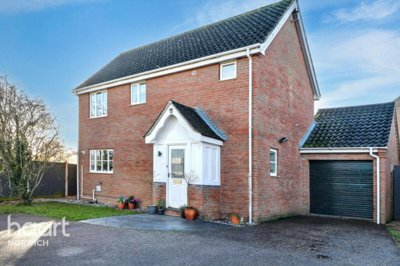
Browse 1 rental home to rent in Starston, South Norfolk from local letting agents.
Three bedroom properties represent a significant portion of the Starston housing market, offering space for families with multiple reception rooms and gardens in many cases. Browse detached, semi-detached, and terraced options ranging from period character homes to contemporary developments.
£0/m
0
0
0
Source: home.co.uk
Showing 0 results for 3 Bedroom Houses to rent in Starston, South Norfolk.
Starston’s rental scene mirrors the village itself, mostly detached and semi-detached. The housing stock is split as follows, 62.2% detached houses and bungalows, 33.6% semi-detached properties, 3.5% terraced homes, and only 0.7% flats or apartments. That leaves most lets firmly in family-home territory, not compact town flats, so the village suits households after room to breathe, gardens, and a semi-rural setting. Homes come up rarely in a place this small, so when the right rental appears, we would act quickly.
In the wider Harleston IP20 postcode area, prices have risen 18% over the past year and now sit 6% above the 2020 peak. Detached homes average around £695,000, with semi-detached properties at roughly £610,000. That sales strength feeds into the rental market too, as landlords pitch homes against the value of Starston’s period stock. Many of those buildings date from the 16th century onwards, which gives the village a level of character newer schemes simply do not match.
Most homes available to rent in Starston are period properties built using traditional East Anglian methods. Inside the village Conservation Area, we see finely coursed flint and brick walls, and in historic structures that often includes reused Roman bricks. Roofs are usually slate or clay pantiles, while many former farm buildings still keep their original weatherboard cladding. For tenants, that means plenty of charm, but also a different maintenance picture from a modern build.

Starston captures rural Norfolk neatly. Farming remains the main land use in the parish, and the surrounding landscape is a mix of rolling fields, old hedgerows, and The Beck running through the village centre. The Conservation Area protects the historic core, where locally sourced flint, brick, and timber shape much of the built environment. A walk through the village takes in several centuries of architecture, from 16th-century cottages to Victorian farmhouses and early 20th-century rural homes.
The village sits in South Norfolk district, about halfway between Norwich and the Suffolk border. Harleston is close by for everyday needs, with shops, pubs, and healthcare, while Diss to the north offers more services and a mainline railway station. Even with its small size, the community feels connected, as residents balance the quiet of rural life with links to nearby villages and market towns. The Waveney Valley and the Norfolk Broads widen the options for walkers, cyclists, and wildlife watchers alike.
One Grade I listed building stands in Starston, the Church of St. Margaret, dating from approximately 1300, and there are at least 28 Grade II listed structures as well, including Beck Hall, Starston Hall, and a scatter of cottages across the village. That density of heritage buildings shapes the streetscene in a very visible way. For renters, the key point is that listed status brings limits and obligations, and planning consent may be needed for changes that would be routine elsewhere.

Families looking to rent here will find schools in the surrounding area, even though the village’s own school closed in 1969. Harleston Primary Academy serves the local area for Reception through Year 6, and it has historically held reasonable standards. We would still check the current Ofsted rating and catchment boundaries, because both can affect allocations for rental homes. Daily school runs also need thought, as the village is small and journeys will usually mean travelling to nearby settlements.
For secondary education, Diss High School is a Good school with a solid academic record and a broad catchment that covers many rural villages, including Starston. Grammar school places, where sought, depend on competitive entrance exams, with King Edward VI School in Norwich among the options for high-attaining pupils. Sixth form choices exist in Diss, Harleston, and further afield, while Norwich has the widest range of colleges and specialist vocational providers for older students.
The Starston Neighbourhood Plan, adopted in December 2022, sets the direction for development in the parish through to 2042. Its main focus is housing rather than education, but it does show a clear wish to shape growth carefully. Anyone renting in the area should also bear in mind that school capacity in neighbouring villages can be affected by wider South Norfolk development, so it makes sense to apply early when a suitable home comes up.

Getting in and out of Starston is mostly a matter of roads and nearby railway stations. The village is close to the A143, which links Great Yarmouth and Bury St Edmunds and connects into the wider county network. The A140 offers a direct line towards Norwich, putting the city around 30-40 minutes away by car, traffic depending. Diss railway station is the nearest mainline stop, with regular trains to Norwich, Cambridge, and London Liverpool Street, and the London journey takes about 90 minutes.
Bus services run between Starston and nearby towns such as Harleston and Diss, which gives a car-free option for some shopping or commuting trips. Frequencies are limited, though, so we would always check timetables before signing a tenancy. Cycling is possible on the quieter rural roads of South Norfolk, even if there are no dedicated lanes. Day-to-day living usually means travelling to larger settlements for supermarkets, hospitals, and specialist services, so personal transport is a real advantage.
Anyone weighing up a rental in Starston should factor transport costs into the numbers from the start. The nearest supermarket is in Harleston, around 5 miles away, and hospital care means a trip to Norwich or Bury St Edmunds. For those heading into Norwich for work, the A140 gives a fairly direct route, although rush hour and harvest season can both stretch journey times when agricultural traffic builds on the rural roads.

Before viewing anywhere, it is worth spending time in Starston and the wider Harleston area to get a feel for the amenities, commuting patterns, and day-to-day atmosphere. Come back at different times of day and on different days of the week if you can, so you can judge noise, traffic, and general pace. Because the village is so small, one afternoon on foot can tell us a lot, including where the nearest bus stops are and how easy it is to reach Harleston’s shops and services.
We would get a rental budget agreement in principle before starting viewings. It signals to landlords that affordability has already been checked and that the tenant is serious. Across South Norfolk, family-home rents usually sit between £1,200 and £2,000 per month, depending on size and condition. In Starston, where detached period houses are common and the location is strong, larger homes with several bedrooms and generous gardens often land at the higher end of that range.
Local estate agents and letting agencies covering Harleston and the South Norfolk rental market should be contacted early. It helps to view more than one property, so we can compare condition, position within the village, and the tenancy terms on offer. Older homes deserve close attention, because many in Starston date from previous centuries. Materials such as flint, brick, and timber framing are part of the local picture, and they need maintenance approaches that experienced landlords ought to understand.
With so many historic homes in Starston, a careful inspection matters before any commitment is made. Flint and brick walls, slate or clay pantile roofs, and timber details are all common, and some of them will show age. Look for damp, check the roof, and inspect electrical and plumbing systems properly. In older properties, wiring and pipework may fall short of modern standards, so knowing what has been upgraded recently helps avoid nasty surprises later.
The tenancy agreement needs a close read, especially around deposit amounts, notice periods, and who is responsible for repairs and maintenance. Conservation Area and listed property rules can add further restrictions on alterations. Tenants should ask exactly what needs consent, even for small jobs such as hanging pictures or changing garden features.
Once the property and terms are agreed, we would line up the move-in date, transfer utility accounts, and notify the relevant bodies of the address change. An inventory check at handover is essential if the deposit is to be protected. In Starston’s historic housing stock, period features should be photographed carefully, because normal signs of age should not be treated as tenant damage at the end of the tenancy.
It helps to understand how Starston’s older buildings were put together, because that explains much of their character and some of the upkeep issues too. Most of the village dates from the 16th century onwards, with much of the 19th century adding to the build-up. Finely coursed flint and brick walls are common throughout, a familiar East Anglian approach where flint nodules were easy to source from the chalk geology beneath much of Norfolk.
Roman bricks appear in many historic buildings here, often reused within flint wall courses. In the past they were set in soft lime mortar, not the Portland cement used in modern construction. That distinction matters, because Portland cement can trap moisture and damage historic brickwork by stopping the walls from breathing. Anyone renting an older house should check whether it has been maintained with the right conservation methods.
Roof types vary according to age and use. Traditional cottages and farm buildings often have clay pantiles on low-pitched roofs, while Victorian and later homes usually carry slate. Starston’s agricultural past is visible in buildings like the former stock sheds at Home Farm, which still keep their weatherboard cladding. Only one thatched roof remains in the Conservation Area, a rare survivor from a material that was once far more common before clay tiles became cheaper.
Timber framing is another important part of the village’s building history, following the Anglo-Saxon tradition of wooden-framed structures that is widespread across East Anglia. In some houses the timber frame sits hidden behind later plaster or render, so it is not always obvious at first glance. Exposed timber in older properties needs regular care, as moisture and pests can cause decay if it is left unchecked.
Renting in Starston means paying close attention to condition and flood risk. The village sits at a bridge over The Beck, and there is a documented flood history, most recently in December 2020 when flood waters affected Water Meadow and Glebe Meadow and blocked local roads. Surface water flooding is also a concern, especially on Railway Hill, which carries rainfall runoff from surrounding agricultural land. A flood mitigation project is due to start in February 2025 to enhance the river habitat and locally increase channel and floodplain storage capacity to help manage flood risk for this watercourse.
There are extra considerations here because so many properties are listed or sit within the Conservation Area. Modifications, exterior changes, and even some internal alterations can be restricted where character features are involved. We would always ask what consent is needed and what the tenant is responsible for keeping up. Flint, brick, and timber all demand the right maintenance approach, and older electrical and plumbing systems may not meet modern standards, so a condition report and a clear record of upgrades are well worth having.
The British Geological Survey points to shrink-swell clay risk in parts of Norfolk, and older homes with shallow foundations can be more vulnerable to movement. Starston does not have a known record of major mining or coastal erosion, but the clay and silt below ground mean period properties deserve watching. Cracks wider than 5mm, uneven floors, or doors and windows that no longer sit properly can all point to foundation problems that need a professional look.

Rental figures for Starston itself are thin on the ground, simply because the village is small and lets do not appear often. In the wider South Norfolk area, semi-detached and detached family homes usually rent for between £1,200 and £1,800 per month. Four-bedroom homes and larger can reach close to £2,000 per month. With average property values in Starston at approximately £652,500, rents reflect the premium nature of this rural setting, its historic housing stock, and its Conservation Area status. The strong Harleston IP20 sales market, where prices have risen 18% over the past year, also shapes landlord expectations for rental yields.
Properties in Starston fall under South Norfolk Council, and council tax bands range from A to F depending on the type, size, and value of the home. Historic and period properties, including many listed buildings, sit across different bands because of their assessed value. Some older homes can have unusual bandings linked to listed status or previous valuations, so we would always check the band for any specific property during the application stage. Council tax in South Norfolk helps fund services such as education, highways, and refuse collection.
Starston no longer has a primary school, as the local one closed in 1969. For primary education, Harleston Primary Academy serves the area, and Diss High School handles secondary provision with positive Ofsted ratings. Families should confirm the latest school data and catchment lines, because both can change and may not follow village boundaries exactly. Norwich holds the nearest grammar school options, which depend on selective entrance exams. The Starston Neighbourhood Plan does not set aside land for new educational facilities, so travel to existing schools in nearby villages and towns needs to be planned for.
Public transport from Starston is modest by urban standards. Bus services do run to nearby towns such as Harleston and Diss, but the timetable is sparse, so private transport is usually the more practical option for day-to-day life. Diss railway station is the nearest mainline link, with trains to Norwich, Cambridge, and London Liverpool Street, and London is about 90 minutes away. Because the village is rural, trips to supermarkets, hospitals, and specialist services mean heading to larger settlements, with the A140 and A143 serving as the main car routes to Norwich and the surrounding market towns.
For renters after authentic rural Norfolk living, Starston offers a strong sense of place and a close-knit community. Conservation Area status, over 28 listed buildings, and the countryside around the village all add to the appeal. The trade-off is obvious enough, limited amenities, infrequent public transport, and only a small number of rentals at any one time. Those happy to travel for services and live with a rural rhythm will find plenty to like, while anyone who wants urban convenience may be better suited to Harleston or Diss. Farming and agriculture shape the atmosphere, which means seasonal traffic and insects are part of the picture.
Across England, standard rental deposits are capped at five weeks’ rent, calculated as one month’s rent multiplied by 1.25. On a property at £1,500 per month, that works out to a £6,250 deposit. Tenants should also allow for the first month’s rent, any referenced fees, and moving costs. The Tenant Fees Act 2019 restricts what landlords and agents can charge, although some reasonable sums, including late rent charges, may still apply. We would always ask for a written breakdown of costs before any tenancy is agreed. The deposit is held in a government-approved Tenancy Deposit Protection scheme and returned at the end of the tenancy, subject to valid deductions.
Flooding from The Beck is a known issue in Starston, with major incidents in December 2020 when the stream overflowed and affected roads and meadows. Surface water flooding is also a risk, particularly on Railway Hill, where rainfall runoff from surrounding agricultural land collects. A flood mitigation project is planned to start in February 2025 to enhance the river habitat and locally increase channel and floodplain storage capacity to help manage flood risk. Anyone looking at a tenancy should ask directly about flood history, think carefully about ground floor accommodation, and check that buildings and contents insurance is in place.
Starston has one Grade I listed building, the Church of St. Margaret dating from approximately 1300, and at least 28 Grade II listed structures, including cottages, farmhouses, and estate buildings. Renting a listed home means accepting extra duties around keeping historic features in their current condition. Some alterations that would be fine in an ordinary house may need planning consent here, and repair work has to use suitable materials and techniques. Tenants should talk through exactly what is allowed with the landlord, including picture hanging, shelves, and any changes to fireplaces, exposed beams, or original windows.
Working out the cost of renting in Starston needs more than just the monthly figure. In England, standard deposits are capped at five weeks’ rent, so a property at £1,500 per month requires a £6,250 deposit. That sum sits in a government-approved Tenancy Deposit Protection scheme and is returned when the tenancy ends, subject to valid deductions for damage or unpaid rent. We would also advise budgeting for any agency fees where relevant, even though the Tenant Fees Act 2019 has restricted them.
There are other move-in costs too, including the first month’s rent paid in advance before the keys are handed over, and sometimes a holding deposit while references are checked. For homes in Starston’s historic housing stock, a condition report can be useful before you commit. Energy Performance Certificates are required for rental properties, and while landlords usually arrange them, the rating gives a good sense of likely energy costs ahead. Many period homes in Starston have lower ratings because of single glazing and limited insulation, so heating bills can be higher than in newer houses.
Budgeting for a rental in Starston should also cover recurring bills such as council tax, which varies by band, and utility costs. Solid wall construction and original features can change how a home retains heat compared with a modern build. The village is served by the local water network, and broadband speeds differ across the parish, with some properties needing satellite connections where wired services are limited.
Calculate your renting budget
From 4.5% APR
Reference checks for rental applications
From £30
Detailed inspection of older properties
From £400
Energy performance certificate for rentals
From £80
Properties to Rent In London

Properties to Rent In Plymouth

Properties to Rent In Liverpool

Properties to Rent In Glasgow

Properties to Rent In Sheffield

Properties to Rent In Edinburgh

Properties to Rent In Coventry

Properties to Rent In Bradford

Properties to Rent In Manchester

Properties to Rent In Birmingham

Properties to Rent In Bristol

Properties to Rent In Oxford

Properties to Rent In Leicester

Properties to Rent In Newcastle

Properties to Rent In Leeds

Properties to Rent In Southampton

Properties to Rent In Cardiff

Properties to Rent In Nottingham

Properties to Rent In Norwich

Properties to Rent In Brighton

Properties to Rent In Derby

Properties to Rent In Portsmouth

Properties to Rent In Northampton

Properties to Rent In Milton Keynes

Properties to Rent In Bournemouth

Properties to Rent In Bolton

Properties to Rent In Swansea

Properties to Rent In Swindon

Properties to Rent In Peterborough

Properties to Rent In Wolverhampton

Enter your details to see if this property is within your budget.
Loans, cards, car finance
Estimated property budget
Borrowing + deposit
You could borrow between
Typical borrowing
Monthly repayment
Est. at 4.5%
Loan-to-value
This is an estimate only. Your actual budget may vary depending on interest rates, credit history, and personal circumstances. For an accurate affordability assessment, speak to one of our free mortgage advisors.
This calculator provides estimates for illustrative purposes only and does not constitute financial advice. Your home may be repossessed if you do not keep up repayments on your mortgage. Estimates based on 4.5% interest rate, repayment mortgage. Actual rates depend on your circumstances.
Homemove is a trading name of HM Haus Group Ltd (Company No. 13873779, registered in England & Wales). Homemove Mortgages Ltd (Company No. 15947693) is an Appointed Representative of TMG Direct Limited, trading as TMG Mortgage Network, which is authorised and regulated by the Financial Conduct Authority (FRN 786245). Homemove Mortgages Ltd is entered on the FCA Register as an Appointed Representative (FRN 1022429). You can check registrations at NewRegister or by calling 0800 111 6768.

We use cookies to show you personalised content and improve your experience of our website. Find out more in our Privacy policy and Cookie policy.