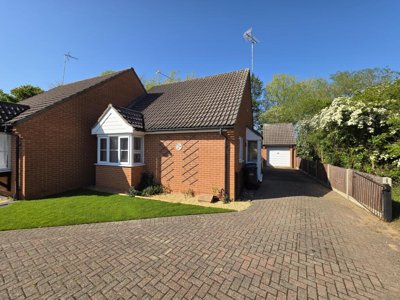
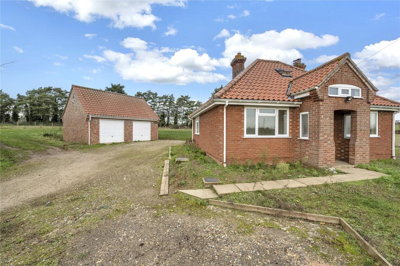
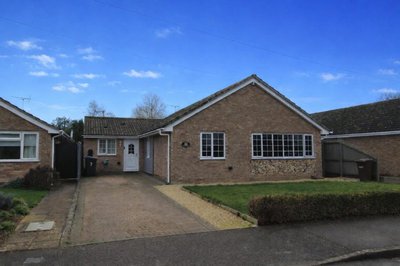
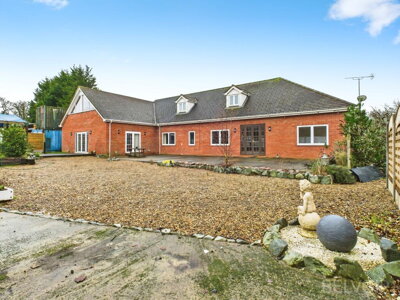
Browse 4 rental homes to rent in Stanton, West Suffolk from local letting agents.
The Stanton property market offers detached, semi-detached, and terraced houses spanning various price ranges and neighbourhoods. Each listing includes detailed property information, photographs, and direct contact with the marketing agent.
£0/m
0
0
0
Source: home.co.uk
Showing 0 results for Houses to rent in Stanton, West Suffolk.
Stanton's rental market sits within the wider Suffolk picture, but it keeps a character of its own. Our platform brings together current rental listings, while sales data gives helpful context for the local market. The average property sale price in Stanton stands at £347,500, detached properties command around £430,000, and semi-detached homes average approximately £275,000. Terraced properties in the village typically fetch around £250,000, which points to firm demand for family homes here.
House prices in Stanton have slipped by approximately 6% over the past twelve months compared with the previous year, and they sit around 10% below the 2021 peak of £385,000. That adjustment may open a few doors for renters, as landlords reassess portfolios and the market settles into a new balance. The village still holds on to its appeal, helped by limited new build activity and no large-scale developments currently underway in the immediate IP31 postcode area, which keeps Stanton feeling distinctive and relatively exclusive.
Rental supply in Stanton tends to follow the pattern seen in smaller Suffolk villages, where limited availability often leads to competition among prospective tenants. The housing stock is mainly detached and semi-detached houses, with fewer terraced properties and very few purpose-built flats. For renters after period homes with gardens and traditional features, there is the strongest choice, while anyone looking for modern apartment living may need to look towards nearby Bury St Edmunds for a wider range.

Life in Stanton offers that classic Suffolk village feel that keeps drawing in renters looking to get away from urban pressure. The village is centred on its historic core, much of which sits within a designated Conservation Area, protecting the architectural heritage that gives Stanton its particular look. Across the village, traditional homes show the familiar Suffolk style, with warm red and orange brickwork, flint stone detailing, and rendered finishes that reflect centuries of local building practice.
Stanton's demographic mix gives it a balanced community, with families, professionals, and retirees all part of village life. The surrounding countryside still shows its agricultural roots, with rolling farmland and hedgerow-lined lanes shaping the approach into the village. Local amenities within Stanton cover day-to-day needs, while the wider area offers good access to Bury St Edmunds and Thetford for more extensive shopping, dining, and entertainment.
Community spirit is strong in Stanton, with village events, local pubs, and parish activities giving residents regular chances to meet. Listed Buildings appear throughout the village, especially along The Street, Bardwell Road, and around the Church of St John the Baptist, adding architectural interest and a clear link to the area's long history. For renters, that means living somewhere with genuine character and a sense of place that newer developments often struggle to match.

Getting to grips with how Stanton properties are built helps renters value the character of a possible new home, while also keeping maintenance in mind. Traditional homes here display Suffolk building methods refined over centuries, with warm-toned Suffolk brick, knapped flint stone, and lime-based renders combining to create the look that defines the village's Conservation Area.
Many older homes in Stanton still show traditional timber framing, especially along The Street and Bardwell Road, where black-painted frames sit against rendered infill panels. Some historic properties retain original wattle and daub between timber beams, though much of that has been replaced with brick or modern materials over time. Roofs are usually finished with clay tiles or natural slate, and older houses often have handmade tiles with the uneven variation that points to real age.
For anyone renting a period property in Stanton, understanding those traditional construction methods makes it easier to see why certain maintenance approaches matter. Lime-based renders and mortars used in historic homes need different care from modern cement products, and timber-framed buildings may move more than modern brick construction. That is part of the charm, and part of what makes renting in Stanton feel different from living in newer developments.

Families thinking about a move to this part of West Suffolk will find education provision in Stanton useful, with primary education available in the village itself. The local primary school gives younger children a solid start, and Stanton's family-friendly atmosphere has made it a popular choice for parents looking for good schooling in a rural setting. Secondary options in the surrounding area are broad enough, with schools in nearby towns offering wider curriculum choices and extracurricular activities that smaller village schools may not provide.
For families focused on educational outcomes, it makes sense to check school performance data, Ofsted ratings, and catchment boundaries before committing to a rental property. The wider West Suffolk area includes several well-regarded schools, although places at popular ones can be fiercely contested. Renting in Stanton gives families the flexibility to assess schooling without locking themselves into a purchase, which can be a sensible way to see whether the local education picture works for their needs.
Bury St Edmunds offers sixth form colleges and further education facilities within a reasonable commuting distance. Being close to larger educational centres means older students can take specialist subjects and career-focused courses without needing to move away from home, which is a practical advantage for households with teenagers heading into important examination years.

Transport from Stanton reflects its rural Suffolk setting, with private car travel the main mode for most residents. The village is within reasonable reach of major road networks, which gives access to employment centres across East Anglia and further afield. The A14 trunk road passes through the region, linking Stanton to Cambridge to the northwest and Ipswich to the southeast, and that opens up commuting options towards the Cambridge tech corridor and Suffolk's county town.
Public transport serving Stanton is limited, which is typical for a village of this size, and bus services link residents to nearby towns on set timetables. Rail travel means heading to larger stations in surrounding towns, with journey times to Cambridge and Norwich providing access to broader national rail networks. Many Stanton residents work in Bury St Edmunds, Thetford, or the surrounding agricultural and service industries, with commutes ranging from a few miles to longer trips across the region.
Anyone renting in Stanton should think carefully about transport needs before committing. The quiet rural setting comes with less frequent public transport than urban areas. Cycling is possible on quieter country lanes, although getting to work in distant towns by bike takes real commitment. Parking at rental homes is usually less of an issue than in towns, with most properties offering off-street parking as standard.

The local economy around Stanton mirrors the wider rural Suffolk jobs market, with agriculture, small businesses, and service industries all providing work. Many residents commute to larger towns including Bury St Edmunds, Thetford, and further afield, taking advantage of the road links that make regional centres accessible. Bury St Edmunds, approximately 8 miles from Stanton, gives particularly strong employment options in retail, healthcare, and professional services.
The Cambridge-Norwich tech corridor has an influence on the regional economy, and some Stanton residents work in technology and knowledge economy roles that the A14 connection to Cambridge can support. RAF Honington, nearby in the Suffolk countryside, adds military and civilian employment into the mix, although its direct effect on Stanton's housing market is limited. For renters working from home, which fits the peaceful village setting well, those regional links matter less in day-to-day life.
Agricultural enterprises still operate in the countryside around Stanton, which keeps the area's farming heritage visible. Local farms provide employment and add to the rural character that shapes the village setting. For renters who want authentic Suffolk countryside living while keeping work flexibility, Stanton offers a practical base that balances rural charm with reasonable access to regional employment centres.
We advise getting a rental budget agreement in principle before the property search begins. A mortgage broker or financial institution issues this document to confirm how much rent can be comfortably afforded, and it can strengthen an application in Stanton's competitive rental market.
Take time to walk around Stanton and get a feel for its character, amenities, and transport options. Call in at local shops, pubs, and community facilities. Knowing the village's rhythm helps us choose the right part of Stanton for a particular lifestyle.
We browse current rental listings on Homemove and arrange viewings with estate agents. During each viewing, we note the condition of the property, garden access, parking, and any maintenance issues that often crop up in older Suffolk homes.
For period homes, especially those with listed building status or in the Conservation Area, a RICS Level 2 Survey is well worth considering. Typical costs range from £400-900 depending on property size and complexity. This professional assessment can pick up defects such as damp, structural movement, or roof issues that may not show during a standard viewing.
Once the right rental comes up, submit the application with references, proof of income, and the rental budget agreement. Identification, employment verification, and landlord references from previous rentals are usually needed as well. Processing times vary, but 1-2 weeks is typical.
Read the tenancy agreement closely before signing. The rent amount, deposit protection, maintenance responsibilities, and notice periods should all be set out clearly. The deposit will be protected in a government-approved scheme within 30 days of receipt.
Renting in Stanton calls for attention to a few local factors that do not always come into play in urban areas. The village's geology includes Boulder Clay deposits, which can bring shrink-swell risks for properties with shallow foundations. In prolonged dry or wet weather, clay soils may shift and affect building foundations. During viewings, watch for cracks in walls, sticking doors, or uneven floors that could point to subsidence or heave issues.
Because Stanton contains so many Listed Buildings, some properties may come with stricter maintenance requirements than standard rental homes. If a rental is a Listed Building, even small changes to the property, from hanging pictures to installing fixtures, may need Listed Building Consent from West Suffolk Council. Knowing that before signing the tenancy helps avoid awkward surprises later on.
Surface water flooding is the main flood risk in Stanton, since the village sits away from major rivers and coastal areas. In periods of intense rainfall, drainage can struggle, especially in low-lying spots. When viewing properties, check the immediate drainage situation, note any flooding history disclosed by current or previous tenants, and consider where the property sits in relation to nearby watercourses and fields. Homes in higher parts of the village generally face a lower surface water flooding risk.
Because of the age profile of many Stanton homes and the local geology, certain defects turn up more often here. Our inspectors frequently find damp in period properties, including rising damp where original damp-proof courses have failed, penetrating damp through ageing brickwork or flint construction, and condensation caused by poor ventilation in traditional buildings. During viewings, watch for watermarked walls, musty odours, and peeling paint that may point to damp.
Roof defects often affect older Stanton properties, particularly those with original clay tile or slate coverings. Handmade tiles from the Victorian or earlier periods can show cracking, delamination, and failed fixings. Leadwork around chimneys, valleys, and penetrations may also have deteriorated, letting water into roof spaces. At viewings, check that roof coverings look sound from ground level and ask about the age and condition of the roof whenever landlords or agents can provide that information.
Timber defects are another issue in traditional Stanton homes, where centuries-old timber framing and wooden structural elements may be affected by wet rot, dry rot, or woodworm infestation. Properties with a history of damp are particularly vulnerable. Electrical and plumbing systems in older rentals may also fall short of current standards, and landlords may need to address them before or during the tenancy. In period properties in Conservation Areas or Listed Buildings, knowing about these common problems makes it easier to see why thorough surveys are so useful.
Specific rental pricing data for Stanton is not publicly aggregated in the same way as sales figures, but sales context still helps set expectations. With average sales prices around £347,500, rental rates in the village typically point to a 2-3% annual yield, which puts monthly rents for family homes in the £600-1,100 range depending on property size and condition. Detached homes with gardens tend to command higher rents, while smaller terraced properties give more affordable options. Speaking directly with local estate agents remains the best way to get current pricing for individual properties.
Stanton properties fall under West Suffolk Council for council tax purposes. Council tax bands run from A through H, with most homes in the village likely sitting within Bands B through E depending on assessed value. Period properties with historic features may be valued differently from modern equivalents, and prospective renters should check the Valuation Office Agency website for specific property bands. Council tax is a major part of monthly rental costs and should be worked into the budget before taking a tenancy in Stanton.
Stanton itself provides primary education through its local primary school, which serves younger children in the village and the surrounding countryside. For secondary education, families usually look to schools in nearby towns, with choices varying according to the exact location within West Suffolk. Checking current Ofsted ratings and exam results helps identify the strongest options, although catchment areas mean a school place cannot be guaranteed simply by renting in Stanton. Visiting schools in person and speaking with admissions offices usually gives the clearest picture of placement prospects for a family's circumstances.
Public transport links from Stanton reflect its rural village status, with bus services providing the main public option for residents without a car. Bus routes connect Stanton to nearby market towns including Bury St Edmunds, although service frequency may be limited to certain hours and days, and reduced weekend services are common in rural areas. Rail links require travel to larger stations in surrounding towns such as Bury St Edmunds or Ely. Residents without private vehicles should check current timetables carefully and decide whether the service levels suit their commuting and lifestyle needs before taking a rental.
Stanton gives renters an excellent quality of life if they are looking for rural Suffolk living with easy access to larger towns. The village combines historic character with essential local amenities, which makes it a strong fit for families, retirees, and people working from home who do not need to commute every day. Limited rental supply, typical of smaller villages, can make properties competitive, but renting here offers a chance to experience genuine village life before thinking about a longer-term purchase. The peaceful setting, local heritage, and strong community spirit make Stanton attractive to anyone who values traditional English village living.
Standard renting costs in England include a security deposit equal to five weeks' rent, and that deposit must be protected in a government-approved deposit scheme within 30 days of the tenancy start date. Tenancy agreement fees were largely banned in 2019, although charges for referencing, inventory checks, and contract preparation may still appear depending on the landlord or letting agent. First-time renters may qualify for reduced costs on properties under £425,000 value, though most rentals in Stanton fall within this threshold. A full breakdown of any costs should always be requested before an application goes in, so there are no surprises.
Looking at the full cost of renting means thinking beyond monthly rent to account for upfront fees and ongoing expenses. The security deposit is the largest initial cost, usually set at five weeks' rent for properties with annual rents under £50,000. It must be protected in a government-authorised scheme, and information about which scheme holds the money should arrive within 30 days of moving in. Proper deposit protection safeguards the tenant's money and gives peace of mind to both tenant and landlord.
Other costs to plan for include moving expenses, contents insurance, which we strongly recommend regardless of landlord requirements, and any utility connection fees that may arise when moving into a new property. In Stanton, period homes with older heating systems and single-glazed windows may generate higher energy bills than newer builds, so energy efficiency matters when comparing homes. Asking for Energy Performance Certificate ratings during viewings can help estimate ongoing utility costs.
Getting a rental budget agreement in principle before the search begins gives clarity over affordability and shows landlords and letting agents that finances have already been assessed professionally. That kind of preparation can strengthen an application in a competitive situation. Homemove connects renters with providers offering rental budget services, helping people approach the Stanton market with confidence in their financial position.
From 4.5%
Get pre-approved for your rental budget to strengthen your application
From £25
Complete your referencing check before applying for rentals
From £80
Check energy efficiency ratings on rental properties
From £400
Professional survey for period properties in Stanton
Properties to Rent In London

Properties to Rent In Plymouth

Properties to Rent In Liverpool

Properties to Rent In Glasgow

Properties to Rent In Sheffield

Properties to Rent In Edinburgh

Properties to Rent In Coventry

Properties to Rent In Bradford

Properties to Rent In Manchester

Properties to Rent In Birmingham

Properties to Rent In Bristol

Properties to Rent In Oxford

Properties to Rent In Leicester

Properties to Rent In Newcastle

Properties to Rent In Leeds

Properties to Rent In Southampton

Properties to Rent In Cardiff

Properties to Rent In Nottingham

Properties to Rent In Norwich

Properties to Rent In Brighton

Properties to Rent In Derby

Properties to Rent In Portsmouth

Properties to Rent In Northampton

Properties to Rent In Milton Keynes

Properties to Rent In Bournemouth

Properties to Rent In Bolton

Properties to Rent In Swansea

Properties to Rent In Swindon

Properties to Rent In Peterborough

Properties to Rent In Wolverhampton

Enter your details to see if this property is within your budget.
Loans, cards, car finance
Estimated property budget
Borrowing + deposit
You could borrow between
Typical borrowing
Monthly repayment
Est. at 4.5%
Loan-to-value
This is an estimate only. Your actual budget may vary depending on interest rates, credit history, and personal circumstances. For an accurate affordability assessment, speak to one of our free mortgage advisors.
This calculator provides estimates for illustrative purposes only and does not constitute financial advice. Your home may be repossessed if you do not keep up repayments on your mortgage. Estimates based on 4.5% interest rate, repayment mortgage. Actual rates depend on your circumstances.
Homemove is a trading name of HM Haus Group Ltd (Company No. 13873779, registered in England & Wales). Homemove Mortgages Ltd (Company No. 15947693) is an Appointed Representative of TMG Direct Limited, trading as TMG Mortgage Network, which is authorised and regulated by the Financial Conduct Authority (FRN 786245). Homemove Mortgages Ltd is entered on the FCA Register as an Appointed Representative (FRN 1022429). You can check registrations at NewRegister or by calling 0800 111 6768.

We use cookies to show you personalised content and improve your experience of our website. Find out more in our Privacy policy and Cookie policy.