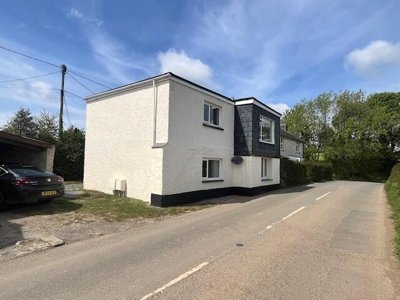
Browse 2 rental homes to rent in St. Pinnock from local letting agents.
Pinnock from local agents. The St. Pinnock property market offers detached, semi-detached, and terraced houses spanning various price ranges and neighbourhoods. Each listing includes detailed property information, photographs, and direct contact with the marketing agent.
St. Pinnock’s rental market mirrors the village itself, historic, Cornish, and quietly rural, with many tenants drawn to period homes. Most of the housing stock is Victorian or Edwardian, and the build dates run from 1800 to 1911. That brings original features, decent room proportions, and the sturdy craftsmanship associated with houses more than a century old. The postcode area has around 13 properties, a mix of houses and other dwelling types that suit different rental needs.
Sale values across PL14 4NA have shown real resilience, rising by 24.3% since December 2019. Individual valuations sit at about £267,631 for three-bedroom freehold houses and £684,162 for larger five-bedroom family homes. Those figures matter to the rental market, because landlords often set rents with the underlying investment value and local demand in mind. January 2026 recorded a modest 2.1% price adjustment after stronger growth periods.
There are no active new-build developments directly within St. Pinnock village, so renters after newer accommodation usually look a little further out. East Taphouse and Dobwalls, both within the wider PL14 postcode, offer contemporary homes, including semi-detached properties and new-build options. That gives renters more choice if they want village access without giving up modern specifications. Even so, for authentic period character and a traditional Cornish village setting, St. Pinnock is still the first pick for many people searching for properties to rent in this part of South East Cornwall.

St. Pinnock feels like rural Cornwall in its purest form, peaceful, green, and shaped by farmland rather than traffic. It is the sort of place where neighbours know each other and local events still matter through the year. Farms and fields dominate the landscape, and the village name itself reflects those agricultural roots. Well away from the tourist-heavy coastal routes, daily life moves at a gentler pace, from spring lambing in nearby fields to autumn harvest time.
For everyday errands, Liskeard is only a short drive away and covers the essentials. Supermarkets, independent shops, medical services, and banking are all on hand there. The town’s weekly market brings in local produce, while cafes and pubs give village residents somewhere to meet. Add in moorland walks and the growing appeal of South East Cornwall, and it is easy to see why families, couples, and individuals settle here without feeling cut off from modern conveniences.
The countryside around St. Pinnock opens the door to plenty of outdoor time. Public footpaths and bridleways run through local farmland and link into longer trails, so walking is part of daily life here. Golitha Falls is close by and makes for a striking route in any season. Bodmin Moor is within reach too, with sweeping moorland for hiking, wildlife watching, and other outdoor pursuits that attract visitors from across the region. For renters who want countryside living with room to explore, it is a strong base.

Families looking at rentals in St. Pinnock will find primary education within a sensible travelling distance. The village sits in the catchment for schools serving the surrounding rural communities, with several well-regarded options in nearby villages and in Liskeard. Primary schools in this part of Cornwall usually take children from reception through to Year 6, and smaller class sizes often allow for more personal attention and strong pastoral care. Many rural Cornwall schools also have good Ofsted ratings and build local heritage and the natural environment into the curriculum. Community links are often close, with children involved in village traditions and events.
Secondary provision is available in Liskeard and the wider area, where several schools offer education through to A-Level standard. Students from St. Pinnock can access institutions with solid academic programmes and extracurricular options that range from sport to performing arts. For families focused on schooling, checking Ofsted reports and admission catchment areas is an important part of the property search. School transport links from St. Pinnock to nearby secondary schools add useful flexibility. Saltash School and Liskeard School both serve the broader catchment and provide varied curriculum routes for students of different abilities.
Higher education is reachable thanks to the transport links that connect St. Pinnock with universities in Plymouth and Exeter. Plymouth University offers a broad spread of undergraduate and postgraduate courses, while rail links to Bristol and further afield open up more university choices. A commute to Plymouth by car takes around 40 minutes, or students can use the train from Liskeard for a more relaxed journey. For families planning a longer stay, that access to higher education adds another layer to the village’s appeal as a place to bring up children in Cornwall’s countryside.

Transport from St. Pinnock centres on nearby Liskeard, which acts as the main hub for the surrounding rural area. Liskeard railway station runs regular services to major destinations, including Plymouth, where passengers can connect to the wider national network. It sits on the Cornish Main Line, so direct travel to Bristol, Exeter, and London Paddington is all possible, with journey times that make day trips and business travel workable. For renters heading to Plymouth or other regional centres, the rail link is a practical alternative to driving. Direct trains to London Paddington take around three and a half hours.
Road travel still matters most in St. Pinnock, with the village linked to the A38 main road through nearby Liskeard. That route gives access west towards Plymouth and east into the broader Cornish road network. By car, Plymouth is usually 30-40 minutes away, while the beaches and coastline of South Cornwall can be reached within an hour. Bus services do run between St. Pinnock and neighbouring villages, though they are naturally less frequent in such a rural area, so some planning helps. For most households, having a car is a real advantage when it comes to schools, amenities, and leisure across South East Cornwall.
Living in St. Pinnock works well for people employed in Plymouth, because the commute is manageable and countryside living comes as part of the package. Many residents simply drive in via the direct A38 route, avoiding the congestion that city dwellers often face. Others park at Liskeard station and mix driving with rail travel for a more efficient journey. The village also gives fairly easy access to Plymouth’s port facilities for anyone travelling further afield by ferry. Exeter Airport is about 90 minutes away by car, with flights to European destinations and beyond.

Older Cornish homes in St. Pinnock need a careful eye. Properties built between 1800 and 1911 are often solidly made, but they can bring maintenance issues that are not part of modern housing. Roof condition deserves particular attention, as period properties may need more regular upkeep, and it is wise to check damp-proofing and the state of original windows too. Those details help renters make informed decisions and plan ahead for future maintenance requests. Many homes still have original sash windows, so any concerns about them should be discussed during viewings.
Because St. Pinnock is so rural, homes often come with generous gardens and countryside views, but the practical side deserves attention too. Hedge cutting, drainage, and off-road parking all need checking before a tenancy begins. Private drainage systems, including septic tanks, are common in rural Cornwall and bring their own maintenance duties and costs. Prospective renters should confirm the drainage set-up and budget for septic tank emptying, which usually happens annually or bi-annually. Energy efficiency matters as well, since period homes can cost more to heat than newer ones. Agreeing the rental budget before committing helps set out the true cost of living in a traditional Cornish home through all seasons.
Electrical systems in period properties often need proper scrutiny, because wiring laid down decades ago may no longer meet current standards or cope with modern demand. We would always ask about the age and condition of the installation, along with any recent testing or upgrades. Homes with older consumer units or fabric-covered wiring may need updating, and landlords remain responsible for electrical safety. Heating can vary just as much, from open fireplaces to older oil or electric systems that may be expensive to run. Knowing the setup and the likely energy costs makes budgeting more realistic for Cornwall’s cooler months and wet winters.
Budgeting for a move to St. Pinnock means looking beyond the monthly rent. The upfront bill usually includes a security deposit, often equal to four or five weeks rent depending on the annual rental amount, plus the first month’s rent. There may also be referencing charges, tenancy administration costs, and inventory check fees that record the property’s condition at the start and end of the tenancy. Those items can add several hundred pounds to moving costs, so a little planning goes a long way. Some letting agents also charge check-out fees when the tenancy ends, so a full breakdown of charges should be requested before anything is signed.
Running costs do not stop at the rent. Tenants in period properties should factor in council tax, utility bills, and any maintenance responsibilities set out in the tenancy agreement. Cornwall Council sets the council tax rates for homes in St. Pinnock, and payments are usually spread over monthly instalments across the year. Private drainage systems bring septic tank emptying and maintenance costs, while larger gardens can take time or money to keep in order. Energy bills may be higher where insulation is limited, so asking for Energy Performance Certificate details during viewings is sensible. Sorting out the rental budget before starting the search gives a clearer picture of what can be afforded, and speeds things up when the right home appears.
Renters also need to think about insurance and connections. Contents cover is usually the main policy for personal belongings, and premiums in Cornwall are often fairly reasonable compared with city postcodes. The tenancy agreement may also leave tenants responsible for routine maintenance tasks. Moving costs should include connection fees for services such as gas, electricity, water, and broadband, since some suppliers charge to open a new account. Rural homes can have fewer internet choices, so broadband availability and speed are worth checking well before a tenancy is agreed, especially for anyone working from home.

Before viewings begin, it helps to speak to lenders or brokers and secure an agreement in principle for the rental budget. That document shows landlords and letting agents that the finances are in place, which can make the application process smoother in St. Pinnock and across Cornwall. Getting the paperwork sorted early puts us in a stronger position in a competitive rental market, especially where period homes in quiet village locations are concerned.
Take time to explore St. Pinnock at different points in the day, check what Liskeard offers locally, and think through the route to work. The rural character changes with the seasons, and that matters when judging whether the village fits your day-to-day life. A walk along the lanes, a stop at the local pub if there is one, and a chat with people already living here can give a much better sense of what St. Pinnock is really like before any rental commitment is made.
Browse the available rental listings in St. Pinnock and book viewings so we can assess the property condition, garden space, and the village atmosphere in person. Homes built between 1800 and 1911 deserve careful inspection, especially for roof condition, damp-proofing, and electrical systems. Ask to see Energy Performance Certificates, and ask landlords about recent maintenance, the heating system, and any problems the property has had in earlier tenancies.
Once the right home is found, the letting agent will usually arrange referencing checks covering credit, employment, and landlord references. Having documents ready helps keep things moving in Cornwall’s competitive rental market. We would normally expect proof of identity, recent payslips or accounts, bank statements, and contact details for previous landlords or letting agents who can confirm tenancy history.
Read the tenancy agreement properly, paying close attention to the deposit amount, the rent payment schedule, and any conditions linked to the period property. Maintenance responsibilities and any restrictions relevant to rural Cornish homes should also be clear. Before signing, check the inventory carefully, photograph any existing damage, and make sure every verbal agreement with the landlord is written down so both sides are protected during the tenancy.
Specific rental price data for St. Pinnock is not publicly available, but the surrounding PL14 postcode gives useful context through sale values. Average property values in PL14 4NA sit at about £438,480, with three-bedroom houses usually around £267,631 and larger five-bedroom homes reaching £684,162. Rental prices in rural Cornwall generally reflect a percentage of those sale values, which keeps St. Pinnock attractive for renters who want period homes in peaceful surroundings. Properties to rent in nearby Liskeard offer a helpful comparison point for current rental market conditions, with a wider spread of property types and price points.
Properties in St. Pinnock fall under Cornwall Council, which handles council tax collection across the county. The band for any individual home depends on its assessed value, and period houses in the village are likely to sit across several bands depending on size, condition, and features. Cornwall Council publishes the annual rates for each band, so prospective renters should ask for the specific band before committing. Residents pay for local services through those payments while still enjoying the village and countryside setting. In Cornwall, council tax usually runs from April through March, with most tenants paying monthly alongside rent.
The St. Pinnock area offers schooling through primary options in nearby villages and in Liskeard, with secondary schools serving the broader South East Cornwall catchment. Standards in this part of Cornwall reflect the area’s commitment to education in rural communities. Families moving here should look at school performance data, Ofsted reports, and catchment boundaries to pin down the most suitable choices. Transport to schools in Liskeard and surrounding villages is another practical point to consider during the property search. Primary schools include Darite and St. Keyne, both of which serve the surrounding rural communities with small class sizes and close local links.
Public transport from St. Pinnock reflects its rural setting, with bus services linking the village to Liskeard and nearby communities. For broader travel, Liskeard railway station is the key option, with regular services on the Cornish Main Line to Plymouth, Exeter, Bristol, and London Paddington. In day-to-day terms, a car is still the most practical way to get around from St. Pinnock. Being off the A38 gives reasonable road access to Plymouth and the wider Cornish network for those with vehicles. Trains from Liskeard run throughout the day, and the regular city connections make occasional commuting realistic for people working further afield.
St. Pinnock gives renters a genuine Cornish village experience, with calm surroundings, a strong sense of community, and beautiful countryside close by. It suits anyone who wants period property, rural living, and the slower pace that Cornwall still offers away from the coast and the tourist trail. Liskeard is near enough for essential services, and the railway station there keeps major cities within reach for work or leisure. Families, couples, and individuals are often drawn to the character homes and real village community here. Privacy and quiet are part of the appeal, but so are the cultural amenities and transport links nearby.
In England, rental deposits are capped at five weeks rent where the annual rent is above £50,000, or four weeks rent where it is lower. Alongside the deposit, tenants often face referencing fees, administration charges, and possible inventory check costs. First-time renters in Cornwall need to budget for the deposit, the first month’s rent, and assorted admin fees. Getting a rental budget agreement in principle before starting the search helps clarify borrowing capacity and shows landlords that finances are in order in a competitive market. Some letting agents may also ask for a holding deposit while referencing is completed.
St. Pinnock’s housing stock is mostly made up of period properties built between 1800 and 1911, so anyone looking for a traditional Cornish home will find plenty to consider. These Victorian and Edwardian houses usually come with character features such as high ceilings, fireplaces, and solid construction that newer homes do not always have. Renting one does mean accepting some maintenance duties and, quite often, higher heating bills, but the charm is a major draw for many tenants. Generous room sizes and traditional layouts also suit families and people wanting more space than a modern apartment can offer.
Most day-to-day amenities are in Liskeard, a short drive from St. Pinnock, where residents can use supermarkets such as Tesco and Co-op alongside the town’s independent shops. A weekly market brings in local produce and artisan goods, and the town also has medical centres, dental practices, and pharmacies. Banking is available in the centre, together with cafes, pubs, and restaurants that act as a social hub for the local community. For bigger shopping trips or specialist services, Plymouth is reachable by car in 30-40 minutes.
Living in St. Pinnock feels very different from renting in Liskeard. The village offers peace and rural character, while the town brings more amenities and a wider supply of rental homes. Liskeard usually has greater variety across property types and price points, from flats to terraced houses, which can suit a range of budgets. St. Pinnock, though, is the place to look for that authentic village atmosphere and direct countryside access that many people want when moving to Cornwall. Those who want shops, restaurants, and entertainment close by may lean towards Liskeard, while those after quiet community living often choose St. Pinnock. Plenty of renters live in St. Pinnock and work in Liskeard, taking the best of both.
Rural living in St. Pinnock brings a few issues that city renters may not have had to think about before. Homes on private drainage systems need regular upkeep, and septic tank emptying, usually annually or bi-annually, comes with a cost. Broadband can be slower than in towns, so anyone working from home should check availability before signing up. Larger gardens mean hedge cutting and other maintenance matter more, and responsibility depends on the tenancy agreement. Even so, the rewards are clear, fresh air, dark skies for star watching, and the sort of community spirit that villages like St. Pinnock are known for.
From 4.5%
Our team would get pre-approved for the rental budget before we start looking at properties in St. Pinnock.
From £99
Quick referencing checks help us secure a St. Pinnock rental before someone else does.
From £80
We would ask for an Energy Performance Certificate before taking on any rental property.
Properties to Rent In London

Properties to Rent In Plymouth

Properties to Rent In Liverpool

Properties to Rent In Glasgow

Properties to Rent In Sheffield

Properties to Rent In Edinburgh

Properties to Rent In Coventry

Properties to Rent In Bradford

Properties to Rent In Manchester

Properties to Rent In Birmingham

Properties to Rent In Bristol

Properties to Rent In Oxford

Properties to Rent In Leicester

Properties to Rent In Newcastle

Properties to Rent In Leeds

Properties to Rent In Southampton

Properties to Rent In Cardiff

Properties to Rent In Nottingham

Properties to Rent In Norwich

Properties to Rent In Brighton

Properties to Rent In Derby

Properties to Rent In Portsmouth

Properties to Rent In Northampton

Properties to Rent In Milton Keynes

Properties to Rent In Bournemouth

Properties to Rent In Bolton

Properties to Rent In Swansea

Properties to Rent In Swindon

Properties to Rent In Peterborough

Properties to Rent In Wolverhampton

Enter your details to see if this property is within your budget.
Loans, cards, car finance
Estimated property budget
Borrowing + deposit
You could borrow between
Typical borrowing
Monthly repayment
Est. at 4.5%
Loan-to-value
This is an estimate only. Your actual budget may vary depending on interest rates, credit history, and personal circumstances. For an accurate affordability assessment, speak to one of our free mortgage advisors.
This calculator provides estimates for illustrative purposes only and does not constitute financial advice. Your home may be repossessed if you do not keep up repayments on your mortgage. Estimates based on 4.5% interest rate, repayment mortgage. Actual rates depend on your circumstances.
Homemove is a trading name of HM Haus Group Ltd (Company No. 13873779, registered in England & Wales). Homemove Mortgages Ltd (Company No. 15947693) is an Appointed Representative of TMG Direct Limited, trading as TMG Mortgage Network, which is authorised and regulated by the Financial Conduct Authority (FRN 786245). Homemove Mortgages Ltd is entered on the FCA Register as an Appointed Representative (FRN 1022429). You can check registrations at NewRegister or by calling 0800 111 6768.

We use cookies to show you personalised content and improve your experience of our website. Find out more in our Privacy policy and Cookie policy.