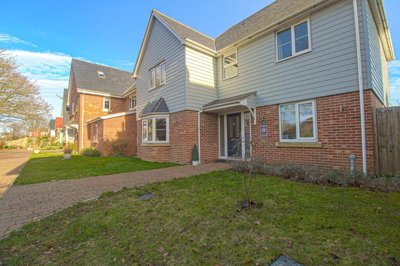
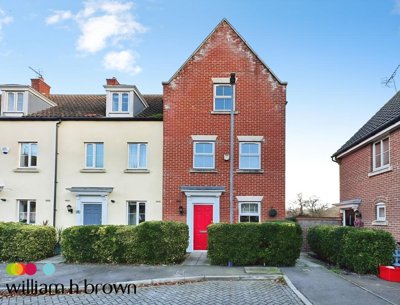
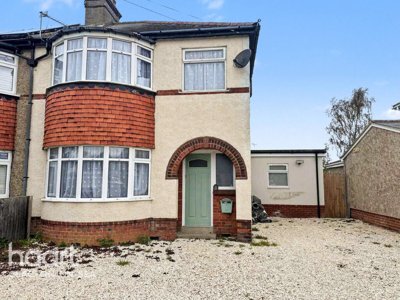
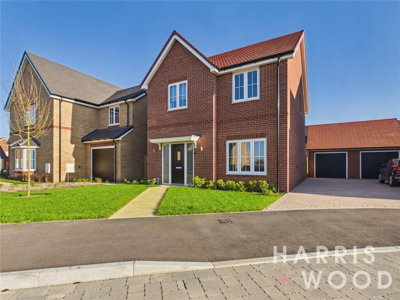
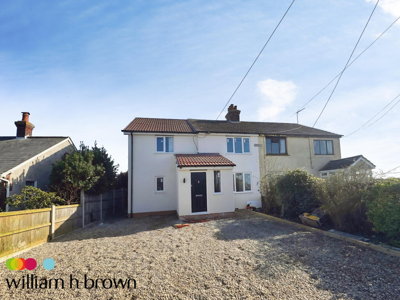
Browse 5 rental homes to rent in St. Osyth from local letting agents.
Osyth from local agents. The larger property sector typically features multiple bathrooms, substantial reception space, and private gardens or off-street parking. Four bedroom houses in St. Osyth span detached, semi-detached, and occasionally terraced configurations, with styles ranging from period properties to modern executive homes.
For renters, St. Osyth tends to offer older village houses, semi-detached family homes, plus a smaller run of flats and converted spaces. homedata.co.uk records in the research set put average sold prices at £252,631, with another reading of £279,253 over the last year, so this village sits above some inland Essex alternatives but still feels broadly reachable beside many seaside hotspots. The same type data points to detached homes at around £372,450, semi-detached homes at around £279,329 and terraced homes at around £189,100. Even before the coastal premium shows up in particularly well-kept homes, that spread gives the market real range.
New-build homes are part of the picture too. Priory Fields, close to St Osyth Priory, is bringing 2 to 5 bedroom homes into the area, with prices from £290,000 for a two-bedroom house and listings stretching up to £685,000. Over on Cockett Wick Lane, St Osyth Place is a gated lodge scheme offering 2 and 3 bedroom park homes from £179,995 to £199,995, and other new-build bungalows in St Osyth CO16 have come to market at £360,000 to £380,000. The sold-price trend data in the research also suggests a cooler spell, with a 7% fall over the last year and a 21% drop from the 2023 peak of £354,906. So the local market currently looks steadier than overheated.

About 4,600 people live in St. Osyth, although that number jumps in the holiday season as visitors head for the caravan and park-home sites along this part of the Essex coast. The parish itself covers 3,221 hectares, and at 1.28 persons per hectare it feels notably open once we get beyond the village centre. Much of the land is low-lying beside Flag Creek, the River Colne and the North Sea, which is why marsh, saltmarsh, mudflats and seawalls shape the place as much as streets and houses do. Open, breezy, and very much tied to the water.
What really anchors St. Osyth is its heritage, and that is often why people put down roots here. The conservation area takes in the Priory and Park, the church and former marketplace, then reaches out towards St. Osyth Creek and the surrounding marshland. Inside that designated area there are more than 60 listed buildings, and across the parish as a whole there are well over 100 listed buildings and structures. St Osyth Priory, the Church of St. Peter and St. Paul and the Tithe Barn all give the village a strong identity, while the wider coast sits within nationally important environmental designations including the Colne Estuary National Nature Reserve, SSSI and Ramsar site. Day to day, residents also have village shops, pubs, food outlets, plus straightforward access to sailing, fishing, paddleboarding, mountain biking and birdwatching.
Families weighing up St. Osyth usually start with the village primary schools, then look across to secondary choices in nearby Clacton-on-Sea and the wider Colchester area. The research set does not provide verified Ofsted ratings or live catchment maps, so we would always check admissions boundaries directly with each school before committing to a tenancy. In a parish like this, that matters, because school places can shift quickly as nearby coastal settlements expand and contract with the seasons. For sixth-form and further education, Colchester is often the main hub households turn to.
School planning here is not only about the names on the list, it is also about the drive. Short local trips are often straightforward enough, but households juggling multiple drop-offs may favour a home with easier parking and a cleaner route to the main roads. During viewings, we would ask what the school run feels like at peak times, because summer traffic and holiday visitors can slow journeys near the coast. In St. Osyth, a good rental needs to work with the day-to-day routine as well as on paper.

Anyone commuting from St. Osyth needs to think in village terms first. There is no station in the village itself, so many residents either drive or take the bus to Clacton-on-Sea for broader connections, while Colchester is the usual hub for longer rail trips. For a coastal parish of this size, the road links are fairly practical, with the A133 and the wider routes towards the A120 and A12 giving the clearest way out. The result is simple enough, the car still matters a great deal here, especially for work across Tendring, Colchester and other parts of Essex.
Parking and road conditions deserve a proper look, particularly if we are renting near the village centre or closer to the seafront. Summer changes the feel of the area, with more traffic, more visitors and tighter movement on the busiest routes, especially where holiday parks and tourist journeys meet everyday local trips. Cycling can be a good option on the flatter sections, although coastal wind and weather are part of normal life here. For renters who prefer quieter surroundings to a fast city commute, that balance often works, but it is still sensible to map out the regular journey before signing.
We would start with a rental budget agreement in principle, so the search stays within what you can comfortably afford before any viewings are booked. It keeps the focus tight and helps you move quickly when the right home appears in St. Osyth.
Check the exact street rather than stopping at the village name alone. Homes nearer the marshes, creeks or tourist routes can suit some renters far better than others, especially if quieter evenings or easier year-round access matter to you.
In a small parish, the stronger rentals do not always hang around for long, so we would line up viewings as soon as a property fits the brief. Take questions on parking, heating, broadband, flood history and any conservation-area restrictions with you.
Before committing, ask for the tenancy terms, deposit details, council tax band and EPC rating. Where the property is a flat or part of a converted building, read the service rules properly and check who is responsible for repairs.
Have ID, proof of income, references and right-to-rent documents ready to go. In a smaller market like St. Osyth, a strong application can make a real difference, particularly where landlords want tenants who can move on a clear timeline.
Once the home is secured, we would confirm the inventory, meter readings and check-in date, then keep copies of the lot. That last review helps protect both tenant and landlord as the move-in begins.
Older homes are a big part of what draws people here, but they need a more careful look than a modern estate house. In a village with a conservation area, listed buildings and such a long building history, we would ask about damp, roof condition, timber repairs and any previous structural movement, especially in cottages and conversions. St. Osyth also sits close to creeks, marshes and the North Sea, so flood history is a sensible line of enquiry for any home near the water. If there is older brickwork, traditional windows or an unusual roofline, make sure the maintenance responsibilities are clearly set out before moving in.
Coastal settings and heritage buildings often come with planning and management details that are easy to miss on a first viewing. A property inside the conservation area may be subject to tighter rules on external changes, so even small alterations can need permission or landlord consent. Flats and converted homes may also bring service charges, shared maintenance costs or building rules, and we would want those figures clear before the tenancy is signed. With newer homes around Priory Fields or elsewhere, it is worth asking about energy performance, parking layout and ongoing maintenance arrangements early on.
We do not have a verified live rental average in the research set for St. Osyth, so the best place to look for current asking rents is home.co.uk. For wider market context, homedata.co.uk records sold prices in the mid-£200,000s, including readings of £252,631 and £279,253 in the dataset. That points to a steady, character-led housing market rather than a bargain-basement one. Rent levels will still move around according to size, age, condition and how near the property is to the coast or the village centre.
Most homes in St. Osyth come under Tendring District Council, though the council tax band will depend on the individual property and its valuation. On the same road, a compact terrace, a converted flat and a larger detached house can all sit in quite different bands. We would always check the listing or ask the agent to confirm the band before an application goes in. It is worth folding council tax into the monthly budget from the start, because it can shift the true cost of renting more than many people expect.
For families, the usual pattern is to start with local primary provision in the village and then broaden the search to secondary schools in Clacton-on-Sea and Colchester. The research set does not include verified Ofsted ratings, so we would confirm admissions, transport and catchment details directly with each school. Older children needing sixth-form or further education are more likely to find broader choice in Colchester. If school travel is a deciding factor, try the journey at the exact time of day it would really happen.
Public transport has a role here, but this is still very much a place where the car matters. St. Osyth does not have its own station, so many residents rely on Clacton-on-Sea or Colchester for rail links and use buses for local trips. The road network, via the A133 and onward to the A120 and A12, often makes regional travel simpler than the rail map first suggests. Anyone commuting every day should check the timetable in advance, not just the route line.
St. Osyth can be an excellent fit for renters who want coastal scenery, a strong sense of history and a calmer pace than a busy town. The compromise is clear enough, seasonal tourist traffic, fewer rail choices and a greater need to check flood risk or conservation limits. Many people are drawn to the mix of village facilities, open landscapes and heritage homes, especially when they work locally or remotely. For the right tenant, it feels distinctive, not interchangeable.
In England, a holding deposit is usually capped at one week's rent, and the tenancy deposit is normally up to five weeks' rent where the annual rent is under £50,000. Unlawful admin fees should not be charged, so we would ask for a clear breakdown before any payment is made. It is also wise to budget for the first month's rent, the deposit, referencing costs if applicable and the moving expenses that come with setting up a new home. If several properties are in the frame, a rental budget agreement in principle can make the full cost of the move much clearer.
The housing stock in St. Osyth leans towards older houses, semi-detached homes, terraces, cottages and a smaller number of modern properties tied to recent development. Recent sold-price research from homedata.co.uk shows detached homes at £372,450, semi-detached homes at £279,329 and terraced homes at £189,100, which is a useful guide to the type of stock likely to come up. There are also newer schemes such as Priory Fields, along with some specialist lodge-style homes on the edge of the parish. That range helps if we are looking for anything from a compact base to a larger family house.
From 4.5%
Compare rental budget rates and find the best deal before booking viewings.
From £499
Check affordability, identity and tenancy readiness quickly
From £350
Particularly useful for older homes, conversions and properties with heritage features.
From £99
Check the energy performance and likely running costs of the new home before committing.
Renting costs in St. Osyth usually hinge on 3 main elements, the monthly rent, the deposit and the upfront moving expenses. Because the village includes older cottages, coastal homes and newer developments, rents can vary quite sharply from one property to the next, so it pays to compare more than the headline figure. A well-kept home near the conservation area may cost more than a similar-sized place farther out, while parking or newer insulation can make day-to-day costs easier to manage. Before agreeing terms, we would check the EPC, the deposit amount, whether bills are included and whether any extra charges apply.
The safest way to plan is to treat the first month as the biggest cash squeeze. First month's rent, a holding deposit, the tenancy deposit and moving costs may all land at once, so keeping a budget buffer makes sense even where the asking rent looks comfortable on paper. We would also ask for the inventory, deposit protection details and any special rules attached to the property, especially for a flat, a converted home or a place near the coast. Once the move is ready, keep the paperwork organised, confirm the condition of the home at check-in and make sure every agreed term is written down.
Properties to Rent In London

Properties to Rent In Plymouth

Properties to Rent In Liverpool

Properties to Rent In Glasgow

Properties to Rent In Sheffield

Properties to Rent In Edinburgh

Properties to Rent In Coventry

Properties to Rent In Bradford

Properties to Rent In Manchester

Properties to Rent In Birmingham

Properties to Rent In Bristol

Properties to Rent In Oxford

Properties to Rent In Leicester

Properties to Rent In Newcastle

Properties to Rent In Leeds

Properties to Rent In Southampton

Properties to Rent In Cardiff

Properties to Rent In Nottingham

Properties to Rent In Norwich

Properties to Rent In Brighton

Properties to Rent In Derby

Properties to Rent In Portsmouth

Properties to Rent In Northampton

Properties to Rent In Milton Keynes

Properties to Rent In Bournemouth

Properties to Rent In Bolton

Properties to Rent In Swansea

Properties to Rent In Swindon

Properties to Rent In Peterborough

Properties to Rent In Wolverhampton

Enter your details to see if this property is within your budget.
Loans, cards, car finance
Estimated property budget
Borrowing + deposit
You could borrow between
Typical borrowing
Monthly repayment
Est. at 4.5%
Loan-to-value
This is an estimate only. Your actual budget may vary depending on interest rates, credit history, and personal circumstances. For an accurate affordability assessment, speak to one of our free mortgage advisors.
This calculator provides estimates for illustrative purposes only and does not constitute financial advice. Your home may be repossessed if you do not keep up repayments on your mortgage. Estimates based on 4.5% interest rate, repayment mortgage. Actual rates depend on your circumstances.
Homemove is a trading name of HM Haus Group Ltd (Company No. 13873779, registered in England & Wales). Homemove Mortgages Ltd (Company No. 15947693) is an Appointed Representative of TMG Direct Limited, trading as TMG Mortgage Network, which is authorised and regulated by the Financial Conduct Authority (FRN 786245). Homemove Mortgages Ltd is entered on the FCA Register as an Appointed Representative (FRN 1022429). You can check registrations at NewRegister or by calling 0800 111 6768.

We use cookies to show you personalised content and improve your experience of our website. Find out more in our Privacy policy and Cookie policy.