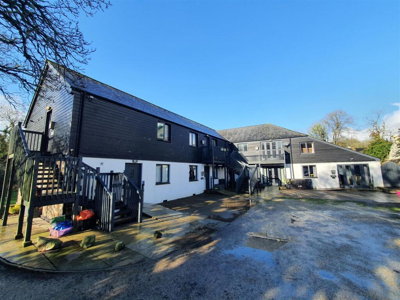
Browse 1 rental home to rent in St. Michael Penkevil from local letting agents.
Michael Penkevil from local agents. Studio apartments feature open-plan living spaces without separate bedrooms, incorporating sleeping, living, kitchen, and bathroom facilities. The St. Michael Penkevil studio market includes properties in modern apartment complexes, converted Victorian and Georgian buildings, and purpose-built developments.
The rental market in St. Michael Penkevil mirrors the village itself, small, exclusive and distinctly Cornish. With just 287 residents recorded in the 2021 census, the parish has only a limited pool of rental homes, and those that do come up tend to be carefully chosen. Historic property dominates here, with a strong cluster of listed buildings, including traditional stone cottages and farmhouses that date back to the 18th century and earlier. Being inside the Cornwall Area of Outstanding Natural Beauty also keeps development tightly controlled, which helps protect both property values and the village’s unmistakable look.
In St. Michael Penkevil, rentals usually mean cottages, farmhouses and period homes built from local materials such as killas stone and Pentewan stone. Delabole slate roofs and solid stone walls are common features, both of them very much part of Cornwall’s building tradition. Homes close to the Tregothnan estate have the bonus of being near one of the parish’s best-known landmarks. Bigger family rentals are often period farmhouses with sizeable gardens, while smaller options for couples or single occupants include converted agricultural buildings and old workers’ cottages.
Rental prices here tend to sit at the higher end because the village is in a designated AONB and still within easy reach of Truro. Across the wider Truro area, rents usually fall somewhere between £600 and £1,200 per month, depending on size, condition and property type. Old cottages with original features often attract a premium, while newer homes can be a little gentler on the monthly bill. Properties down in the River Fal valley bottom may also bring slightly higher insurance costs because of their proximity to watercourses, so it is sensible to keep that in mind when planning a budget.

St. Michael Penkevil has a remarkable setting in the valley of the River Fal, tucked among woodland between the River Truro and River Fal. Its name comes from the Church of St Michael, a Grade I listed building that dates to the 13th century and sits at the centre of parish life. The area has long been shaped by the Boscawen family, Lords Falmouth, whose wealth grew from Cornish mining during the 18th and early 19th centuries. Their influence still shows most clearly at Tregothnan, the great house built from local stone, including yellow Newham stone and grey Pentewan stone.
Set within the Cornwall Area of Outstanding Natural Beauty, the village sits in one of the most protected and picturesque parts of Britain. Woodland walks, riverside paths and rolling countryside are right on the doorstep, all of it typical of south Cornwall. The nearby Tregothnan estate has a sawmill making timber products and gives residents another place to explore. Even with that rural feel, Truro is only three miles away, so supermarkets, healthcare, shops and Truro Cathedral are close enough for regular use. The north Cornwall coast beaches are around 30 minutes drive away, and the south coast harbours are just as accessible.
Day-to-day life in St. Michael Penkevil suits people who want peace and countryside without being cut off. There are few immediate amenities, so most weekly shopping, banking and medical appointments mean a trip into Truro. The community is close-knit, with events often centred on the historic church and the Boscawen family still woven into local tradition. For renters, that means a car is needed for most errands. The trade-off is strong scenery, good walking and proper neighbourliness.

Families looking at rentals in St. Michael Penkevil will find school choices within a sensible distance. The village sits within the catchment for primary schools in the surrounding parishes, and the nearest ones are in nearby villages that serve these rural communities. Children of primary age usually attend schools in the local area, with transport arrangements available for families living further out. Small class sizes are common in rural Cornish schools, and that often means more individual attention and close links with the community.
Secondary schooling is available in Truro, reached by the A39 and local bus routes. Several secondary schools operate there, including grammar schools that take pupils from across the wider area. For private education, Truro also has independent school options. The University of Cornwall’s Truro campus offers higher education, while Falmouth University is within a short journey for arts and design courses. Parents should check current catchment areas and admissions policies, as these can change.
Anyone renting in St. Michael Penkevil needs to think through the school run carefully. The nearest primary schools are usually a 10-15 minute drive away, and eligible pupils can use school transport. Older children heading to secondary school face a longer journey to Truro, generally 20-30 minutes by car or bus. That is manageable for most families, but it matters when choosing a home in a rural spot like this. Some households even time the tenancy around school terms, especially where children are in examination years.

Transport in St. Michael Penkevil is built around the road network linking the village with Truro and the wider Cornwall system. The A39 is the main route north towards Wadebridge and Bude, while the A390 runs west towards Truro and Falmouth. The village itself sits at the meeting point of minor roads that thread through the Fal Valley and connect the scattered communities around this beautiful stretch of Cornwall. Bus services do run along key routes into Truro and neighbouring villages, though evening and Sunday frequencies can be thin.
Truro railway station is the main rail hub for the area, with services across Cornwall and direct trains to London Paddington via Exeter St Davids and Reading. Journeys to London usually take four to five hours, which keeps occasional commuting possible while still allowing for rural living. For people working in Truro, the three-mile trip is simple by car or by bus. Those travelling to other Cornish towns will usually rely on the road network, with parking available in Truro for anyone mixing rail and car travel. Exeter is the nearest international airport, about 90 minutes drive away, and Newquay Airport serves a range of UK and European routes.
Prospective renters should be clear that having a car is effectively part of comfortable daily life in St. Michael Penkevil. Bus links to Truro do exist, but the timetable is not strong enough for everyday work commuting. Most properties are within walking distance of the nearest bus stop, yet weekend shopping and evening plans still need some forward planning. For remote workers, mobile coverage is generally reasonable and broadband is improving, although speeds may fall short of what is normal in towns and cities.

Historic and listed buildings are a major part of what gives St. Michael Penkevil its character, and they shape the rental stock as well. The Church of St Michael, a Grade I listed building from the 13th century, sits at the spiritual centre of the parish. Around the village there are many Grade II and Grade II* listed cottages, farmhouses and estate buildings, all showing centuries of occupation and the Boscawen family’s careful stewardship. The Clocktower with Stable Yard and Office Yard next to Tregothnan speaks to the estate’s industrial past, while the smaller cottages across the parish show traditional building methods from this part of Cornwall.
Local building materials in St. Michael Penkevil include killas stone, a slate-like rock found in this corner of Cornwall, often paired with Pentewan stone for facings and decorative detail. Historic cottages such as numbers 16 and 17 in the village use painted slatestone rubble and rendered cob, with steep-pitched Delabole slate roofs above. These methods give the buildings plenty of thermal mass, though they also call for the right maintenance approach. Tenants in historic homes need to remember that solid stone walls do not have cavity insulation, and traditional lime mortar pointing needs different care from modern cement-based work.
Renting a listed building or period property in St. Michael Penkevil brings extra points to think about. Listed status means changes, improvements and some maintenance work may need consent from Cornwall Council or Historic England. As a tenant, the usual job is to keep the place in good repair, but anything affecting the historic fabric must be agreed with the landlord and the relevant authorities. Many landlords of listed homes also arrange specialist buildings insurance, and it is sensible to check those details before signing a tenancy agreement. For many people, the extra administration is a fair trade for the character and heritage of an authentic Cornish home.

Before starting a search in St. Michael Penkevil, we recommend getting a rental budget agreement in principle from a lender or using our rental budget calculator. It gives a clear idea of what rent is affordable and also shows landlords that the finances are in order. Planning should cover more than rent alone, including council tax, typically £1,800-£1,900 annually for band D properties under Cornwall Council, together with utilities and moving costs. In St. Michael Penkevil, rents range from around £600 per month for smaller cottages to £1,200 or more for period farmhouses with extensive gardens.
St. Michael Penkevil is a small rural place, so getting to know the area properly matters before a tenancy is agreed. Think about the commute to Truro or other workplaces, how close children will be to school, and how easy it is to reach shops and services in nearby towns. Visiting at different times of day can be useful, and it is worth walking the footpaths and looking over the surrounding countryside to see whether the lifestyle fits. Mobile coverage and internet speeds should also be checked, as they can vary a lot in rural locations.
Available rentals in St. Michael Penkevil can be browsed through our platform, with viewings arranged through letting agents or private landlords. During a viewing, it pays to look closely at condition, especially signs of damp in solid-walled historic homes, roof condition on properties with Delabole slate, and the general state of fixtures and fittings. Ask about the property’s history, including any previous flooding, because the village’s position in the Fal Valley means some homes near watercourses carry flood risk, plus any major repairs or recent upgrades. For listed buildings, it is also sensible to ask the landlord about planned maintenance and any existing consents for works.
Before signing any rental agreement, read the terms carefully. In St. Michael Penkevil, tenancy length is usually six months or one year at the start, and you should check notice periods, the deposit amount, capped at five weeks rent, and which bills are your responsibility. Historic properties in the village also call for clarity over who looks after traditional features such as stone walls, slate roofs, period windows and original fireplaces or staircases. The deposit should be protected in a government-approved scheme within 30 days of the tenancy starting.
Once a property has been agreed, the letting agent or landlord will normally start referencing checks. These usually cover credit checks, employment verification and references from previous landlords. It helps to have everything ready, including proof of identity, income evidence and any available landlord references. Self-employed applicants should allow extra time, as income checks can take longer. Our tenant referencing service can help speed this up for properties across St. Michael Penkevil and the surrounding area.
Move carefully and have utility connections in place, along with contents insurance, before moving day arrives. Take photographs at check-in and record the property’s condition, especially any existing damage to stone walls, slate tiles or period features, so the deposit record is clear. Then settle into your new St. Michael Penkevil home and start exploring this lovely corner of Cornwall, from woodland walks beside the River Truro to visits to the Tregothnan estate.
There is only limited rental price data for St. Michael Penkevil because the village is so small and turnover is low. In the wider Truro area, rents usually sit between £600 and £1,200 per month, depending on type and condition. Historic cottages in the village may attract a premium because of their character, listed status and position within the Cornwall Area of Outstanding Natural Beauty. Smaller converted agricultural buildings and traditional workers’ cottages often rent from around £600-£800 per month, while larger period farmhouses with gardens can reach £1,000-£1,200. For current market detail specific to St. Michael Penkevil, local letting agents in Truro are the best people to ask.
St. Michael Penkevil falls under Cornwall Council administration. Council tax bands here run from A to H, depending on property value, with most historic cottages and farmhouses usually sitting in bands B to D because of their age and traditional construction. The exact band for a property can be checked through the Cornwall Council website or confirmed with the landlord. Band D properties in Cornwall currently pay around £1,800 to £1,900 annually in council tax, while bands A and B pay less. Converted agricultural buildings and newer homes may sit in different bands.
Primary education for St. Michael Penkevil is served by schools in surrounding parishes, and the nearest are generally in nearby villages that can be reached by school transport. For most children, that means a 10-15 minute journey by school bus. Secondary schools are in Truro, including grammar schools with selective admissions, and the trip usually takes 20-30 minutes. Several independent schools also operate in the Truro area for families interested in private education. Rural Cornish primary schools often have small class sizes and a strong learning environment, but families should still check current catchment arrangements and transport provision with Cornwall Council before committing to a tenancy.
Public transport in St. Michael Penkevil is limited, as you would expect in a small rural village. Bus links run to Truro and nearby communities, but the frequency is much lower than in towns and there are no evening or Sunday services on many routes. Truro railway station, roughly three miles away, gives mainline links across Cornwall and to London Paddington, with journey times of four to five hours. Most people who commute every day will need a car for flexibility, though occasional rail users can combine bus travel with the train from Truro. The nearest bus stop is usually within walking distance of most homes in the village.
For anyone after peace and quiet without losing access to Cornwall’s main city, St. Michael Penkevil offers a very high quality of life. The village sits in the attractive Fal Valley, surrounded by protected countryside and within the Cornwall Area of Outstanding Natural Beauty. Truro is close enough for a full range of amenities, yet the day-to-day feel is still that of a historic village community. The main compromises are limited local services, the need for car ownership and the upkeep that comes with historic buildings built in traditional ways. Families with children at school also need to allow for transport arrangements.
In England, standard deposits on rental homes are capped at five weeks rent when the annual rent is below £50,000. On a typical St. Michael Penkevil cottage at £900 per month, that means a maximum deposit of £1,942. The deposit must be protected in a government-approved scheme within 30 days of the tenancy beginning, and written confirmation of where it is held should be provided. Other upfront costs can include referencing fees of around £100-£300, admin charges, which are now less common after recent regulations, and check-in fees of £75-£150. First-time renters should set aside roughly £2,500 to £3,500 for the initial outlay, including deposit, first month rent, referencing and moving expenses.
St. Michael Penkevil has an unusually high number of listed buildings, and many rentals will either carry listed status or sit within the AONB. Some listed properties need consent for alterations or improvements, although routine tenant maintenance is usually allowed. Historic homes often have solid stone walls without cavity insulation, so heating costs can be higher and ventilation matters if condensation and damp are to be avoided. Traditional lime mortar on stone walls should not be sealed with modern non-breathable paints or sealants. Landlords should give guidance on looking after period details such as original fireplaces, sash windows and staircase features.
St. Michael Penkevil lies in the River Fal valley, tucked between the River Truro and River Fal. Homes close to these watercourses can face some flood risk, especially in periods of heavy rainfall. Surface water flooding can also affect low-lying spots. Prospective tenants should ask landlords about any flooding history and check the Environment Agency flood risk maps for the exact property location. Houses higher up in the parish generally have lower flood risk. Buildings insurance near watercourses can also be more expensive, and that should be checked with the landlord before a tenancy is agreed.
From 4.5% APR
Get your rental budget in principle before you start looking for homes.
From £35
Complete referencing checks for landlords
From £85
Energy performance certificates for rental properties
From £95
Document property condition to protect your deposit
Renting in St. Michael Penkevil means thinking beyond the monthly rent and looking at the wider financial picture. Standard deposits in England are capped at five weeks rent when the annual rent is below £50,000. For a typical cottage in St. Michael Penkevil at £900 per month, the maximum deposit would be £1,942. That deposit must be protected in a government-approved scheme within 30 days of the tenancy start date, and you should receive full written details of where it is held. Your landlord also has to give prescribed information about the deposit protection scheme used.
There are other upfront costs too, including referencing fees covering credit checks, employment verification and previous landlord references. These often fall between £100 and £300, depending on the letting agent or landlord. Admin fees for preparing tenancy agreements vary, although they are less common now after regulations restricting letting fees. Check-in fees for inspections at the start and end of a tenancy usually come in at £75 to £150. First-time renters should budget about £2,500 to £3,500 for the initial costs, including deposit, first month rent, referencing and moving expenses. Some landlords may ask for the first month rent and deposit before releasing the keys.
Monthly budgeting should include council tax as well as rent. In St. Michael Penkevil, properties fall under Cornwall Council, and most historic homes sit in bands B to D. Band D properties currently pay around £1,800 to £1,900 each year, which works out at about £150-£160 per month. Utilities such as gas, electricity, water and internet also need to be covered, especially because many historic stone houses have higher heating costs due to solid wall construction without cavity insulation. Contents insurance is important for protecting belongings and is required by many landlords before move-in. Getting a rental budget agreement in principle before viewing homes helps make affordability clear and avoids disappointment when the right St. Michael Penkevil property appears.
Properties to Rent In London

Properties to Rent In Plymouth

Properties to Rent In Liverpool

Properties to Rent In Glasgow

Properties to Rent In Sheffield

Properties to Rent In Edinburgh

Properties to Rent In Coventry

Properties to Rent In Bradford

Properties to Rent In Manchester

Properties to Rent In Birmingham

Properties to Rent In Bristol

Properties to Rent In Oxford

Properties to Rent In Leicester

Properties to Rent In Newcastle

Properties to Rent In Leeds

Properties to Rent In Southampton

Properties to Rent In Cardiff

Properties to Rent In Nottingham

Properties to Rent In Norwich

Properties to Rent In Brighton

Properties to Rent In Derby

Properties to Rent In Portsmouth

Properties to Rent In Northampton

Properties to Rent In Milton Keynes

Properties to Rent In Bournemouth

Properties to Rent In Bolton

Properties to Rent In Swansea

Properties to Rent In Swindon

Properties to Rent In Peterborough

Properties to Rent In Wolverhampton

Enter your details to see if this property is within your budget.
Loans, cards, car finance
Estimated property budget
Borrowing + deposit
You could borrow between
Typical borrowing
Monthly repayment
Est. at 4.5%
Loan-to-value
This is an estimate only. Your actual budget may vary depending on interest rates, credit history, and personal circumstances. For an accurate affordability assessment, speak to one of our free mortgage advisors.
This calculator provides estimates for illustrative purposes only and does not constitute financial advice. Your home may be repossessed if you do not keep up repayments on your mortgage. Estimates based on 4.5% interest rate, repayment mortgage. Actual rates depend on your circumstances.
Homemove is a trading name of HM Haus Group Ltd (Company No. 13873779, registered in England & Wales). Homemove Mortgages Ltd (Company No. 15947693) is an Appointed Representative of TMG Direct Limited, trading as TMG Mortgage Network, which is authorised and regulated by the Financial Conduct Authority (FRN 786245). Homemove Mortgages Ltd is entered on the FCA Register as an Appointed Representative (FRN 1022429). You can check registrations at NewRegister or by calling 0800 111 6768.

We use cookies to show you personalised content and improve your experience of our website. Find out more in our Privacy policy and Cookie policy.