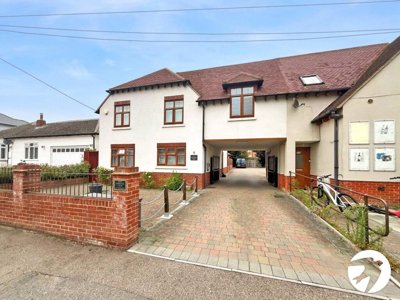
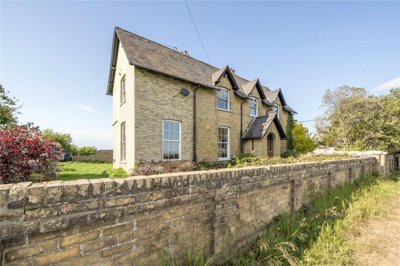
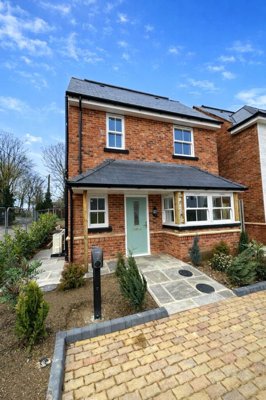
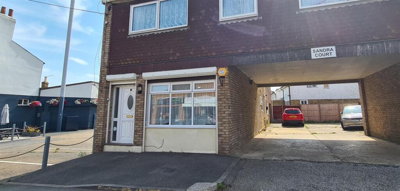
Browse 4 rental homes to rent in St. Mary Hoo from local letting agents.
St. Mary Hoo's rental market is shaped by a village that remains mostly owner occupied. The 2009 Housing Needs Survey found 95% of properties in the parish were owner-occupied, so lets are limited and tend to draw interest fast. That shortage helps keep the market steady, because homes rarely appear and the ones that do are valued highly. Recent sales put the average house price at £362,500, and that sits after a 47% decrease compared with the previous year and a 32% decline from the 2022 peak of £531,250.
Most homes that do come up for rent in St. Mary Hoo are sizeable family properties rather than compact flats. The housing stock is heavily weighted towards larger homes, with the vast majority offering three or more bedrooms. That makes the village a strong fit for families and professionals who want more space in a rural setting. Recent sales give a sense of the market, too, with 6 Margaret Cottage on The Street selling for £340,000 and homes in St Marys Cottages achieving around £400,000. In a conservation area like this, renters need to move quickly when something suitable appears.

St. Mary Hoo offers a way of life that feels far removed from busier urban centres, while still sitting within reach of the wider Medway Towns area. The village is on the Hoo Peninsula, jutting into the Thames Estuary and keeping its rural feel despite major infrastructure nearby. Its name comes from the historic church, the former Church of St Mary, which dates from the 14th and 15th centuries and is now a Grade II* listed building. Walk around the village and you will see timber-framed farmhouses, Kentish ragstone structures and open agricultural land that has shaped the area for centuries.
The local geology goes a long way towards explaining St. Mary Hoo's look and feel. The soils are clayey gravel with clay subsoil, which can leave the area damp and cold through autumn and winter months. The parish stretches north to low-lying marshes and foreshore along the River Thames, held back by concrete sea walls. Even though the village centre sits higher, the surrounding marshland can still see periodic wetness. Since the conservation area designation was established in 1984, modern development has been kept in check, and the village has held on to its Kentish character.
Day to day life here does call for a bit of adjustment if you are used to town conveniences. The nearest shops, GP surgery and pharmacy are in Rainham, around 5 miles away, so most residents drive for everyday errands. Even so, the 243 residents create a close community feel that goes some way to balancing the lack of local amenities. Marsh walks and the Thames foreshore offer plenty of outdoor space, while Rochester and Chatham are close enough for restaurants, cultural venues and work.

For anyone drawn to historic buildings, St. Mary Hoo has an unusually strong collection of listed properties and period houses. There are six listed structures in the parish, including the Grade II* former Church of St Mary, formally rebuilt around 1881 using local ragstone. Fenn Street Farm House is a Grade II listed property from the 15th and 16th centuries, with traditional timber framing and red brick cladding added in 1760. Newland's Farm House, The Old Rectory and St Mary's Hall all add to a streetscape that has changed very little over the years. The former Airship Shed at Moat Farm, clad in corrugated metal, points to the area's more industrial past.
Renting in a conservation area such as St. Mary Hoo brings both limits and rewards. Any major alterations usually need planning permission from Medway Council, so the village's appearance stays protected. Tenants in period homes may also find there are extra obligations around maintenance and changes. Even so, the trade-off is a setting that feels distinctive and rooted in history. Post-war development has barely touched the village, so residents get an authentic historical backdrop rather than suburban sprawl. That is a strong pull for people who want character and traditional English village life.

Families looking at St. Mary Hoo will find schools in the wider Hoo Peninsula area, though there is little within the village itself because the population is only 243 residents. The nearest primary schools sit in nearby peninsula villages, and families usually travel a short distance for early years and Key Stage 1-2 education. Secondary options are in the wider Medway Towns area, with schools serving the Hoo Peninsula reachable by local bus. Parents should check catchments and admission arrangements through Kent County Council's education portal before making any decisions.
For families renting here, school Ofsted ratings and admission policies matter just as much as the property itself. Because St. Mary Hoo sits on the Hoo Peninsula, travel times and school transport need to be part of the plan from the start. Some families may prefer homes nearer primary schools, while older children may need bus transport to schools in Rainham, Chatham or Rochester. The agricultural setting and strong community feel make it an appealing place for children, with open space and a calm atmosphere that is very different from more urban school runs.

Transport from St. Mary Hoo depends mainly on road links and local bus services, with the village sitting on the rural eastern side of the Hoo Peninsula. The main road through the village joins the peninsula's central road network, giving access to Rainham, Rochester and Chatham. For London commuters, the Medway Towns have railway stations with services to London St Pancras International, usually taking around 40-50 minutes. The nearest major road links include the A2, which connects to the M2 motorway and on to the rest of Kent and the wider national network.
Daily commuters should remember that local bus services are rural in nature and may run less often than urban routes. Many residents rely on private cars for most journeys, and parking at local stations is worth checking before settling on a property. Cycling can work for shorter trips because the peninsula is fairly flat, although the rural road network calls for care. The River Thames foreshore also gives scenic routes for walking and leisure cycling, and the village's position away from major roads helps preserve its quiet feel. For people working in the Medway Towns, it is a workable commute from a peaceful village base.

St. Mary Hoo has a very particular feel, with conservation area status, listed buildings and a rural setting all shaping daily life. Before booking viewings, spend time in the village so you can get a feel for its quiet atmosphere, its distance from amenities and its transport links. The 2021 Census recorded 243 residents across 94 households, so the community here works very differently from an urban neighbourhood. Try visiting at different times of day, and speak to people who already live there if you can.
Speak to local estate agents and mortgage brokers about rental budget agreements before you start viewing properties. With average house prices around £362,500 and most rental homes being larger family properties, it helps to know exactly what you can afford. Be ready with references, proof of income and, if needed, a guarantor, depending on what the landlord asks for. Because rental homes in St. Mary Hoo are scarce, having your finances in order gives you a real edge when you apply.
The rental market in St. Mary Hoo is so limited that properties can appear only infrequently. We would suggest working with local estate agents who cover the Hoo Peninsula area and being ready to view at short notice when a suitable home comes up. Heritage properties can also bring extra considerations because of conservation area restrictions. Register with more than one agent if you can, so you are more likely to hear about new listings quickly.
St. Mary Hoo is a designated conservation area, so certain restrictions may apply to properties. Tenants should speak to landlords about any plans for changes and remember that planning permission may be needed for external alterations. That protects the village's character, although it does limit how much you can personalise a home. Ask landlords which alterations would be allowed, and whether they have already taken planning advice on any proposed work.
Once you have chosen a property, you will need to complete tenant referencing, provide identification and sign a tenancy agreement. Most landlords ask for a security deposit equal to five weeks' rent, held in a government-approved deposit scheme. It is also sensible to read the tenancy terms closely, especially the parts dealing with garden maintenance and any period property features.
Renting in St. Mary Hoo calls for a close eye on the condition of older homes and the village's particular setting. Most of the housing stock dates from earlier periods, with buildings from the 15th, 16th and 18th centuries still standing. These heritage properties have plenty of character, but they can also bring maintenance issues such as damp penetration, ageing roof structures and outdated electrical systems. Before committing to a tenancy, inspect the property carefully for damp, especially given the clayey soils and impeded drainage that can affect buildings in winter months. The clay subsoil also means there may be a risk of ground movement, so check for signs of subsidence or structural cracking.
Flood risk and damp are worth particular attention when renting in St. Mary Hoo. The parish reaches low-lying marshes protected by sea walls, and properties in the northern areas may be vulnerable to surface water in heavy rain. The drainage ditch outside the northern boundary of the conservation area suggests that periodic water accumulation is possible. Ask landlords about any history of flooding or damp, and consider a professional damp survey because of the local soil conditions. Homes with basements or cellars may need extra care. Building materials vary from timber-frame with red brick to local ragstone, and knowing how a house is built helps when planning for repairs and costs.
Age matters here, so a few features deserve close attention during viewings. Check original timber windows and doors, as they often need repainting or repair in heritage properties. Roofs on older buildings should be looked at for slipped tiles or signs of previous leaks. Electrical systems in period homes are often outdated, so ask whether the property has been rewired recently or still depends on older installations. Garden boundaries in a rural setting may also need maintenance, and it is worth confirming who is responsible for boundary fence repairs before you sign anything.
There is no public rental price series for St. Mary Hoo itself, which is hardly surprising given how small the market is, but values broadly follow the wider Hoo Peninsula area. The average sold house price in St. Mary Hoo was £362,500 based on recent transactions, with most homes valued between £340,000 and £400,000. Comparable family homes in similar Kent villages usually rent for £1,200 to £1,800 per month, depending on size and condition. Since 86% of local properties have three or more bedrooms, the bigger homes sit towards the top of that range. Local estate agents are the best place to ask for current rental figures.
Properties in St. Mary Hoo sit within Medway Council's area and fall under council tax bands set by the Valuation Office Agency. The exact band depends on the property's assessed value, with bands running from A through H. Because the village includes older housing stock, period properties and listed buildings, council tax bands vary quite a bit from one home to another. Contact Medway Council directly, or use their online council tax calculator with the property address, to find the exact band for any home you are considering. Payments are usually made monthly or fortnightly, depending on your preference and the council's collection arrangements.
St. Mary Hoo has no schools of its own because the population is so small, with 243 residents, so families mainly rent here for the lifestyle and the commute to schools elsewhere. The nearest primary schools are in nearby Hoo Peninsula villages, and several are rated Good or Outstanding by Ofsted according to the latest inspection data. Secondary schools are accessible in Rainham, Rochester and Chatham, with school transport available for eligible pupils. Kent County Council's school admission portal gives detailed information on catchment areas, oversubscription criteria and transport entitlements for pupils living in St. Mary Hoo. Parents should check current performance data and admission policies before committing to a property.
Public transport is limited from St. Mary Hoo, which reflects the village's rural position on the eastern Hoo Peninsula. Local bus services link the village to nearby towns including Rainham, where residents can catch railway services to London St Pancras International. Bus frequency is lower than in urban areas, so anyone depending on public transport should check timetables carefully. The nearest railway stations are in Rainham and Gillingham, with journey times to London usually around 40-50 minutes. Many people in St. Mary Hoo drive for everyday commuting and errands, with the A2 and M2 giving access to the wider road network. For those working from home or keeping flexible hours, the quiet rural setting makes the trade-off easier.
St. Mary Hoo offers a high quality of life for renters who want a quiet village with strong heritage credentials. Conservation area status keeps the streetscape of period properties and traditional architecture intact, while the tiny population of 243 creates a real community feel. The village is also very safe and family-friendly, and the Hoo Peninsula gives residents marshland walks and riverside scenery. The obvious downside is the limited rental supply, with 95% of properties owner-occupied, so available homes are rare. Shops and everyday amenities are not on the doorstep either, so transport matters. For people who value rural character, heritage properties and community spirit over convenience, St. Mary Hoo is a strong option.
Deposits on rental homes in St. Mary Hoo are usually set at five weeks' rent and held in a government-approved deposit protection scheme such as the Deposit Protection Service, MyDeposits or TDS. This is all covered by the Tenancy Deposit Protection rules in England. You should also expect other costs, including references, credit checks and administration charges, which vary from one letting agent to another. Tenant referencing usually costs £100-200, while inventory check fees may add another £100-150. With family homes renting for £1,200 to £1,800 per month, the first move-in costs, including deposit and fees, could total £6,000 to £9,000. Ask for a clear breakdown from your chosen letting agent before you go any further.
Renting in St. Mary Hoo comes with a number of upfront costs, so it is wise to budget before you begin your search. The biggest one is the security deposit, which is capped at five weeks' rent under the Tenant Fees Act 2019. For a typical family home in St. Mary Hoo with monthly rent of £1,400-£1,600, that means a deposit of about £1,615-£1,846. The deposit must be protected in a government-approved scheme within 30 days of receipt, giving you financial protection and making sure it is returned at the end of the tenancy minus any legitimate deductions for damage or unpaid rent.
Beyond the deposit, renting in St. Mary Hoo still involves a range of fees that have been regulated since 2019 and need to be budgeted for. Permitted payments include holding deposits, capped at one week's rent, rent, utility bills, Council Tax and communication services such as TV and internet. Tenant referencing fees are capped at £300 including VAT, although some providers charge £100-200. Inventory check fees, when carried out by a third party, are capped at £300 including VAT. For a home with monthly rent of £1,500, total upfront costs including deposit, holding deposit and referencing could reach £7,000-£8,000. We recommend asking your letting agent for a clear quote that sets out all permitted fees before you commit to any property in this historic village.
From 4.5% APR
A rental budget agreement helps you work out how much rent fits your income and outgoings. Our advisors can provide a Decision in Principle to help you budget for properties in St. Mary Hoo.
From £99
Tenant referencing services are available to support your rental application in St. Mary Hoo. We work with local letting agents to provide fast, reliable referencing for prospective tenants.
From £400
For purchases in St. Mary Hoo, our RICS Level 2 survey provides a thorough inspection of the property's condition and highlights defects common in older period properties.
From £80
An Energy Performance Certificate is required for rental properties. Our assessors can provide this certification for properties throughout St. Mary Hoo and the surrounding Hoo Peninsula.
Properties to Rent In London

Properties to Rent In Plymouth

Properties to Rent In Liverpool

Properties to Rent In Glasgow

Properties to Rent In Sheffield

Properties to Rent In Edinburgh

Properties to Rent In Coventry

Properties to Rent In Bradford

Properties to Rent In Manchester

Properties to Rent In Birmingham

Properties to Rent In Bristol

Properties to Rent In Oxford

Properties to Rent In Leicester

Properties to Rent In Newcastle

Properties to Rent In Leeds

Properties to Rent In Southampton

Properties to Rent In Cardiff

Properties to Rent In Nottingham

Properties to Rent In Norwich

Properties to Rent In Brighton

Properties to Rent In Derby

Properties to Rent In Portsmouth

Properties to Rent In Northampton

Properties to Rent In Milton Keynes

Properties to Rent In Bournemouth

Properties to Rent In Bolton

Properties to Rent In Swansea

Properties to Rent In Swindon

Properties to Rent In Peterborough

Properties to Rent In Wolverhampton

Enter your details to see if this property is within your budget.
Loans, cards, car finance
Estimated property budget
Borrowing + deposit
You could borrow between
Typical borrowing
Monthly repayment
Est. at 4.5%
Loan-to-value
This is an estimate only. Your actual budget may vary depending on interest rates, credit history, and personal circumstances. For an accurate affordability assessment, speak to one of our free mortgage advisors.
This calculator provides estimates for illustrative purposes only and does not constitute financial advice. Your home may be repossessed if you do not keep up repayments on your mortgage. Estimates based on 4.5% interest rate, repayment mortgage. Actual rates depend on your circumstances.
Homemove is a trading name of HM Haus Group Ltd (Company No. 13873779, registered in England & Wales). Homemove Mortgages Ltd (Company No. 15947693) is an Appointed Representative of TMG Direct Limited, trading as TMG Mortgage Network, which is authorised and regulated by the Financial Conduct Authority (FRN 786245). Homemove Mortgages Ltd is entered on the FCA Register as an Appointed Representative (FRN 1022429). You can check registrations at NewRegister or by calling 0800 111 6768.

We use cookies to show you personalised content and improve your experience of our website. Find out more in our Privacy policy and Cookie policy.