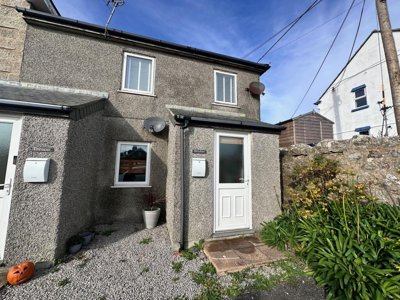
Browse 1 rental home to rent in St. Levan from local letting agents.
Levan from local agents. Studio apartments feature open-plan living spaces without separate bedrooms, incorporating sleeping, living, kitchen, and bathroom facilities. The St. Levan studio market includes properties in modern apartment complexes, converted Victorian and Georgian buildings, and purpose-built developments.
St. Levan’s rental market has its own feel, shaped by a historic Cornish parish and a stock of homes that reflects it. Detached houses make up a sizeable share of what is available, and they usually sit at the pricier end because they offer more room and, often, wide sea views over the surrounding countryside. Semi-detached and terraced homes, many built in the granite that marks so much of the local architecture, are the more approachable route in for renters who want to live in this part of Cornwall. Flats and apartments turn up less often in such a rural spot, but they do appear from time to time, giving singles and couples a lower-maintenance option.
Across the wider St. Levan and Penzance TR19 area, prices vary quite a bit with type and condition. Detached homes still sit at the top of the pile, with average sold prices reaching approximately £582,500 according to recent market data. There is also evidence of the higher end of the market staying busy, including luxury rural estates and Grade II listed farmhouses on the edges of traditional working farms. For renters, that means real choice, from character cottages that still need a bit of updating to beautifully refurbished homes that pair period detail with modern comfort. The market has held up well too, with prices staying steady and showing modest growth of around 2% compared with the 2021 peak.
Rental availability in St. Levan does not follow the same rhythm as sales. Homes tend to come up only when tenancies end or when landlords decide to move a property into the rental market. Summer can make things even less predictable, especially while the Minack Theatre is operating, as some landlords look at short-term holiday lets instead of longer tenancies. That seasonal pull means prospective renters often find more choice outside the peak summer period, although new homes do appear through the year.
St. Levan life is shaped by the remarkable landscape around it. The village feels calm and unhurried, a world away from urban living, yet it still has a connection to the cultural life of Penzance. Residents have access to some of Cornwall’s best coastline, and Porthcurno beach is regularly spoken of as one of the finest in the county. Above it all sits the Minack Theatre, dramatic on the clifftops and drawing visitors from across the country, with summer performances that give local residents high-quality culture practically on the doorstep.
Tourism plays a big part in the local economy around St. Levan, because the scenery and history bring visitors in all year. The village’s closeness to Porthcurno, once a major communications hub and a place with a pivotal role during the Second World War, adds another layer to the area’s story. We also see the kind of everyday amenities that make rural living workable, traditional pubs serving hearty Cornish food, artisan shops showing off local crafts, and a community spirit that is becoming harder to find. Beyond the village, the countryside gives excellent walking and cycling, while the coastal paths open up sweeping views across Mount's Bay toward the Isles of Scilly on clear days.
Community life is lively in its own way. From summer festivals to winter celebrations, there is a strong sense of belonging here. The village hall puts on regular quiz nights, craft fairs and seasonal parties, bringing together long-term residents and newer faces alike. The parish church, with its long history, also sits at the centre of local life through services and events. Moving into St. Levan is usually straightforward, helped by friendly neighbours and welcoming local businesses. The slower pace, along with the setting, leaves many residents settled for years.
Families thinking about St. Levan will find schooling options within a sensible travelling distance. Primary education is covered by village schools nearby, which tend to offer a supportive setting for younger children and keep close ties with their communities. In the wider Penzance area, primary schools have built solid reputations by combining strong academic standards with the individual attention that smaller classes can bring. For those who want faith-based education, there are primary schools linked to both the Church of England and Catholic traditions within the local catchment area.
Secondary-age pupils usually head into Penzance, where schools offer a broad curriculum and a good spread of extracurricular activities. Families in St. Levan and the nearby villages often rely on school transport if they live further from the town centre. There is also access to sixth form colleges for students moving on to A-level subjects and vocational courses. Cornwall’s independent schools give another route altogether, for families looking for different learning styles and academic goals.
Higher education in Cornwall has grown in recent years. The University of Exeter’s Penryn campus, close to Falmouth, offers undergraduate and postgraduate study across a range of subjects, so students from St. Levan do not need to head straight to a far-off city. That presence has helped Cornwall feel like a place where families can stay rooted while still having access to education at every stage. For younger children, after-school clubs and holiday activities are often arranged by community groups and the village hall, giving them extra social and learning opportunities beyond school hours.
Transport links from St. Levan reflect its position at the far southwestern tip of Britain. There is a balance here between quiet isolation and decent connectivity. Penzance is the nearest major railway station, with direct trains to major cities including London Paddington, and the capital journey takes around five hours. Regular services also run to Exeter, Plymouth and Bristol, so regional day trips are realistic. For flights, Newquay Airport covers a range of UK and European destinations, while Exeter Airport adds more connections further afield.
First Cornwall runs the local bus services, linking St. Levan with Penzance and other villages along the coast. That makes a real difference for anyone without a private vehicle. The network becomes especially useful in summer, when tourist traffic pushes up volumes on the narrow country lanes. Frequency is patchy, though, with some routes running several times a day and others on more limited timetables, so anyone relying on buses should check the routes and times that fit their routine. From Penzance bus station, the wider Cornwall network opens up travel beyond the immediate area.
For people commuting into Penzance, the drive is usually around 15-20 minutes depending on the exact location. The scenic coastal route makes it more of a pleasant daily run than a slog. The A30 trunk road is close to Penzance too, giving access to the rest of Cornwall and the motorway network beyond. Cyclists get a tough but rewarding route through the countryside, although the hills mean a decent level of fitness is needed. Parking varies from one rental to another, with some homes offering dedicated spaces and others relying on the on-street arrangements that are common in rural villages. Those working from home will find that superfast broadband is available in many parts of the St. Levan area, although speeds vary by exact location and by how the property connects into the local network.
Older homes in St. Levan deserve a close look before anyone rents them. So much of the stock uses traditional materials and building methods, with granite walls and stone details that add a lot of character, but may also call for a different maintenance approach from a modern build. During viewings, we would pay particular attention to any sign of damp or moisture penetration, which can be more common in older coastal buildings. Single-glazed windows and less advanced insulation are also typical in period properties, and that affects both comfort and heating costs.
The rural setting means conservation issues often come into play, and that can limit what tenants are able to change. Many of the traditional homes are listed, so landlords need listed building consent for certain works and tenants face restrictions on alterations. It is better to understand those planning limits before signing anything, rather than find out later. The coast brings its own pressures too, with salt air and strong winds likely to wear down external surfaces faster than in inland places, so maintenance can be more frequent.
Flood risk is not usually a major issue in St. Levan itself because of its elevated position, but it still matters for homes near watercourses or at lower levels. Surface water drainage on rural lanes can occasionally lead to localised flooding in heavy rain, so it is sensible to ask about the property’s history and any flood records. Cornwall’s ground conditions also vary, and hillside homes can present different concerns from those on flatter land. A RICS Level 2 survey, available through Homemove’s survey partner, can pick up structural or environmental concerns before you commit. That is especially useful for older properties, where traditional construction can hide problems that are not obvious at a standard viewing.
For period properties in St. Levan, we always suggest asking the landlord how the home has been maintained and what improvements have been made recently. A property that has been renovated or updated tends to give better comfort and energy efficiency than one that has been left untouched for years. That said, homes that keep their original features can offer a living experience newer properties simply cannot match. It is also worth discussing with the letting agent what sort of tenant requests the landlord would consider during the tenancy, because that can shape how comfortable the property feels over a longer stay.
Our rental budget service can help you work out exactly what you can spend each month. We can also point you towards local mortgage brokers so you have an agreement in principle before you start viewing homes, which tends to put you in a stronger position with landlords and letting agents. It shows you are serious and ready to move. Do not forget to include council tax, utilities and the other everyday costs of living in Cornwall when you set the figure.
It is well worth spending time in the village and the surrounding area before you commit. That gives you a clearer sense of the lifestyle, the amenities and the transport links. Distance to schools, shops and your workplace all matters, as does the feel of different parts of the parish. The rental market here moves at its own pace, so having a proper sense of local conditions helps you act quickly when the right place appears. A visit at different times of year can also tell you a lot about what day-to-day life would be like here.
We recommend speaking to local letting agents and property management companies to arrange viewings of suitable rentals. In a rural place like St. Levan, homes may be advertised through more than one channel, so it makes sense to check both major portals and local agent websites. Have questions ready about the condition of the property, any plans for renovation and the terms of the tenancy agreement.
After you have found a property you want, tenant referencing comes next. The checks normally cover identity, employment status, income and rental history. Some landlords also ask for a guarantor or extra references. It is sensible to build this time into your move, as the process can take a few days or, in some cases, a couple of weeks depending on your circumstances.
Read the tenancy agreement carefully before you sign. Pay close attention to the length of the tenancy, the rent amount and payment dates, the deposit amount and protection scheme, plus any restrictions on pets, smoking or changes to the property. Our Homemove legal partner can look over the contract for you and check that your interests are protected.
Before you move in, there will usually be an inventory check to record the condition of the property and everything in it. That gives both sides a clear starting point for the tenancy. Arrange buildings insurance if it is required, and get the utility accounts set up in your name.
St. Levan itself does not have rental price data that is aggregated in the same way as sales prices, but costs here in this part of Cornwall do reflect the premium nature of the coast. Detached family homes in the wider Penzance and coastal Cornwall area usually command rents of around £1,200-£1,800 per month, depending on size and condition, while smaller homes such as flats and terraced cottages offer a more accessible route in, from around £650-£950 per month. The sales market gives a useful guide, with average prices around £436,000-£489,000 showing the level of demand that feeds through into rental values. Homes with sea views, generous gardens or close access to the Minack Theatre tend to attract the strongest rents, especially during the summer tourist season when demand from short-term lettings rises.
For council tax, properties in St. Levan sit under Cornwall Council, which now covers the whole county after the merger of the former district councils. Bands run from A to H, and the specific band is set by the property’s valuation as of April 1991. Traditional granite cottages and older farmhouses often fall into lower bands because of their age and construction, while larger detached houses and converted farm buildings can be valued more highly. Most homes in the St. Levan area sit in bands A through D, so this is relatively affordable compared with many parts of the South East. We always suggest checking the exact band with the letting agent or landlord before you commit, because it can make a noticeable difference to monthly outgoings.
Families in St. Levan have decent educational options at every stage. Primary schools in the surrounding villages, including nearby Madron and Sancreed, offer a strong early education in small, supportive settings where children get individual attention. For secondary education, pupils usually move on to schools in Penzance such as Penryn College or Mount's Bay Academy, both well regarded for academic achievement and extracurricular provision. Rural communities give the local schools a lot of support, and they often perform well for their size. Cornwall also has a range of independent schools for families looking for a different approach, with several notable options within reasonable driving distance of St. Levan.
St. Levan is served by First Cornwall bus routes that link the village with Penzance and the surrounding coastal communities several times daily. That gives residents without private transport access to town centre amenities, schools and the railway station for onward journeys beyond Cornwall. Penzance railway station has direct services to London Paddington, Bristol and the wider national rail network, with the fastest trains to the capital taking around five hours. For most people, a private car is still the most practical choice for daily commuting, although the scenic coastal drive into Penzance only takes 15-20 minutes. Cyclists will find the routes through the countryside both tough and rewarding, though the Cornish hills demand good fitness and the right equipment.
St. Levan suits people who want a peaceful coastal lifestyle without losing touch with the basics. The village and its surroundings offer a real sense of community, striking scenery and quick access to some of Cornwall’s best beaches and cultural attractions, including the Minack Theatre right on the doorstep. The rental market is smaller than what you would find in major towns, but there is still enough variety to cover different budgets and needs, from compact cottages to larger family homes. The main trade-offs are limited local employment, which may mean commuting to Penzance or further afield, and a reliance on private transport for many everyday tasks. Older properties are common, so they may need more upkeep than newer builds, though that is often balanced by the character they bring.
Under the Tenant Fees Act 2019, standard deposits for rental homes in England are capped at five weeks' rent. The calculation is based on the annual rental value divided by 52 and multiplied by five. So a home rented at £1,000 per month would need a £2,500 deposit, held as security against damage or unpaid rent during the tenancy. That deposit has to be protected in a government-approved Tenancy Deposit Protection scheme within 30 days of receipt, which gives you legal protection if it is not returned properly. You should also budget for referencing fees, usually between £100-£300 per applicant depending on the provider and the depth of the check, and for an inventory check, which is normally between £100-£300. Some landlords also ask for a guarantor, which brings extra referencing costs, or require tenants to take out contents insurance as part of the tenancy. Our recommended service partners can provide competitive quotes for referencing and survey work.
From 4.5%
Our budget service helps you work out how much you can afford to spend on monthly rent before the search begins. It also links you with specialists who know the St. Levan rental market well.
From £99
These are the checks landlords usually want before they offer a tenancy. Our referencing service verifies your identity, employment and rental history quickly and reliably.
From £350
A full inspection of the property before you commit to the tenancy. It is particularly useful for older homes in St. Levan, where traditional construction can hide defects.
From £85
An energy performance certificate is required for all rental properties. Our assessors can sort this quickly, so you can see how efficient the property is.
Working out the full cost of renting in St. Levan means looking beyond the monthly rent and into the upfront and ongoing expenses that need to sit in your moving budget. The deposit is usually the largest initial outlay, capped at five weeks' rent under the Tenant Fees Act 2019, and it is held as security against damage or unpaid rent during your tenancy. You should get that money back in full at the end of the tenancy if the property is left in the same condition as it was at the start, subject to fair wear and tear allowances agreed during the check-out process. The deposit must be protected in a government-approved scheme within 30 days of receipt, giving you legal protection if the landlord does not return it properly.
Referencing fees pay for checks on your identity, employment status and rental history, and they usually range from £100 to £300 per applicant depending on the provider and how deep the checks go. More detailed referencing packages can include credit checks, right-to-rent verification and confirmation of employment, with prices changing to match. Some landlords ask for guarantors, especially where tenants are students, self-employed or do not meet employment-based referencing criteria, and that brings extra referencing costs for the guarantor too. An inventory check, carried out by a professional clerk, records the condition of the property and its contents at the start and end of the tenancy, which helps both sides avoid disputes about damage claims later on. This service normally costs between £100 and £300, depending on the size and complexity of the home.
Ongoing costs during your tenancy will include council tax, utility bills, internet and communications services, and contents insurance to cover your belongings throughout the tenancy period. Because St. Levan sits within Cornwall Council, the council tax bands are generally competitive compared with urban areas, though the exact band will affect what you pay each month. Energy bills can be higher in older homes with poorer insulation, although Cornwall’s mild coastal climate does cut heating needs compared with inland areas, especially in the winter months when the Atlantic has a moderating effect. Contents insurance remains important for protecting your possessions, and premiums in rural areas are usually comparable with urban equivalents despite the lower crime rate, with many providers offering specific policies for rental homes. Planning for these costs alongside your rent means you can settle into your new home in St. Levan without financial strain.
Properties to Rent In London

Properties to Rent In Plymouth

Properties to Rent In Liverpool

Properties to Rent In Glasgow

Properties to Rent In Sheffield

Properties to Rent In Edinburgh

Properties to Rent In Coventry

Properties to Rent In Bradford

Properties to Rent In Manchester

Properties to Rent In Birmingham

Properties to Rent In Bristol

Properties to Rent In Oxford

Properties to Rent In Leicester

Properties to Rent In Newcastle

Properties to Rent In Leeds

Properties to Rent In Southampton

Properties to Rent In Cardiff

Properties to Rent In Nottingham

Properties to Rent In Norwich

Properties to Rent In Brighton

Properties to Rent In Derby

Properties to Rent In Portsmouth

Properties to Rent In Northampton

Properties to Rent In Milton Keynes

Properties to Rent In Bournemouth

Properties to Rent In Bolton

Properties to Rent In Swansea

Properties to Rent In Swindon

Properties to Rent In Peterborough

Properties to Rent In Wolverhampton

Enter your details to see if this property is within your budget.
Loans, cards, car finance
Estimated property budget
Borrowing + deposit
You could borrow between
Typical borrowing
Monthly repayment
Est. at 4.5%
Loan-to-value
This is an estimate only. Your actual budget may vary depending on interest rates, credit history, and personal circumstances. For an accurate affordability assessment, speak to one of our free mortgage advisors.
This calculator provides estimates for illustrative purposes only and does not constitute financial advice. Your home may be repossessed if you do not keep up repayments on your mortgage. Estimates based on 4.5% interest rate, repayment mortgage. Actual rates depend on your circumstances.
Homemove is a trading name of HM Haus Group Ltd (Company No. 13873779, registered in England & Wales). Homemove Mortgages Ltd (Company No. 15947693) is an Appointed Representative of TMG Direct Limited, trading as TMG Mortgage Network, which is authorised and regulated by the Financial Conduct Authority (FRN 786245). Homemove Mortgages Ltd is entered on the FCA Register as an Appointed Representative (FRN 1022429). You can check registrations at NewRegister or by calling 0800 111 6768.

We use cookies to show you personalised content and improve your experience of our website. Find out more in our Privacy policy and Cookie policy.