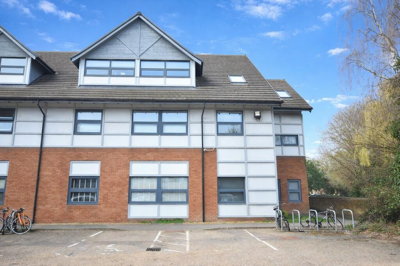
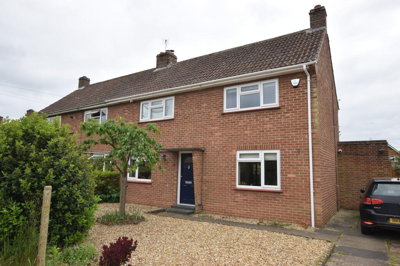
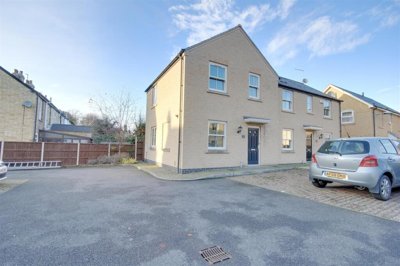
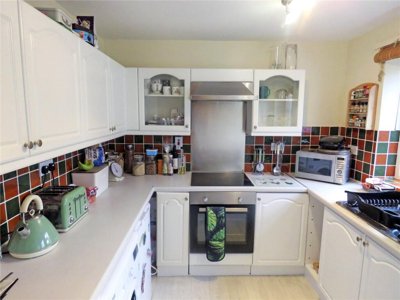
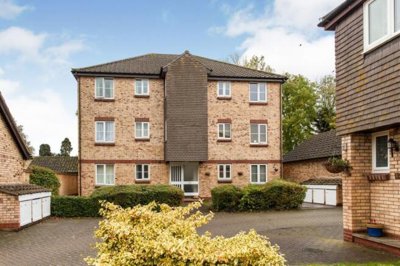
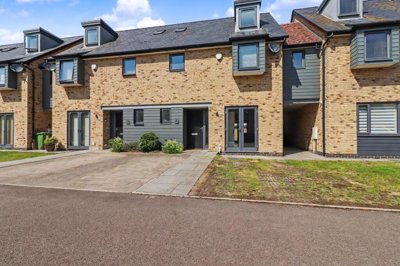
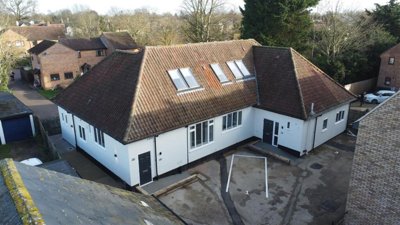
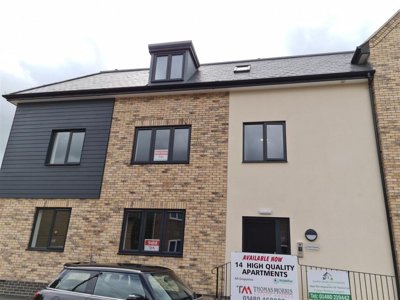
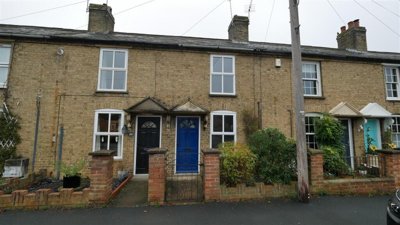
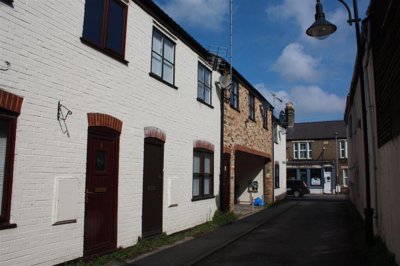
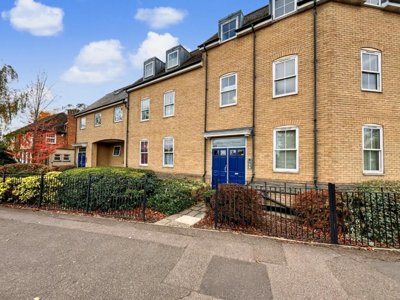
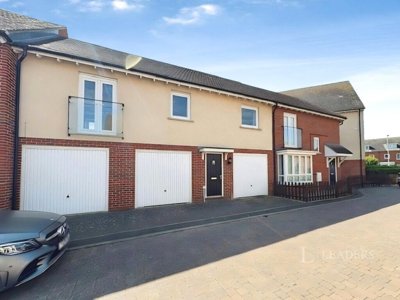
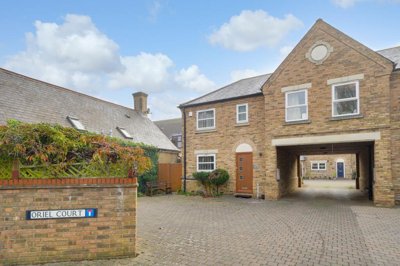
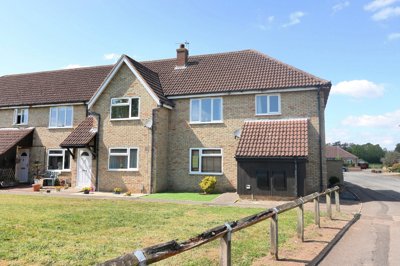
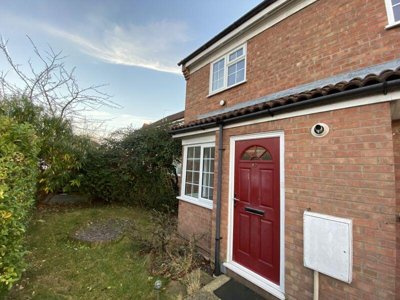
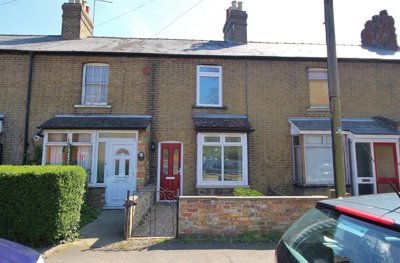
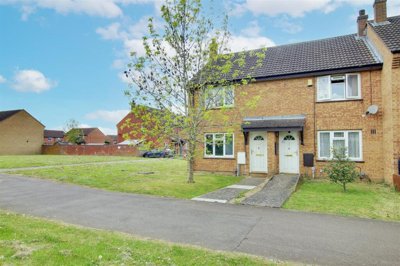
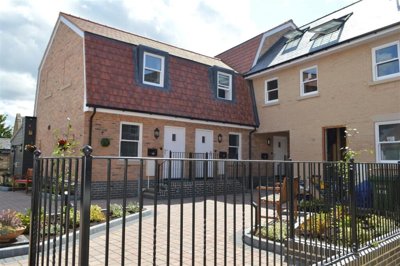
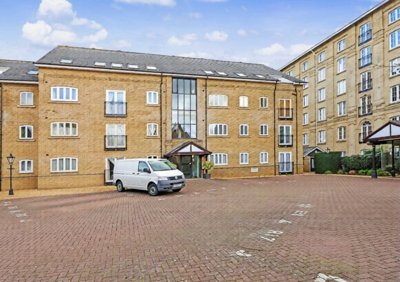
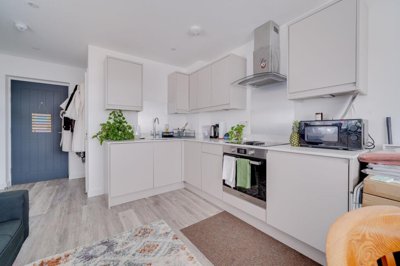
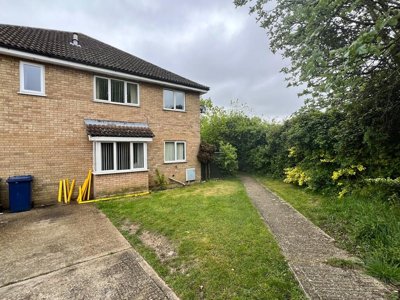
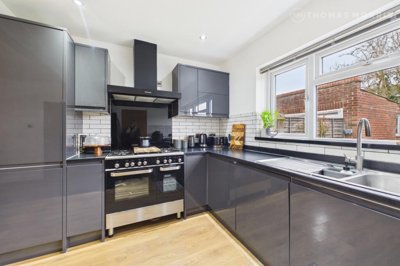
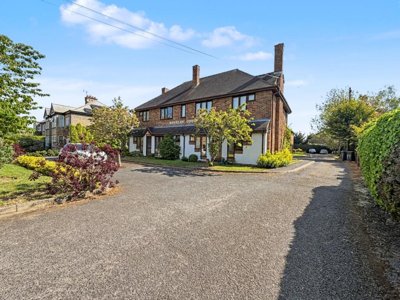
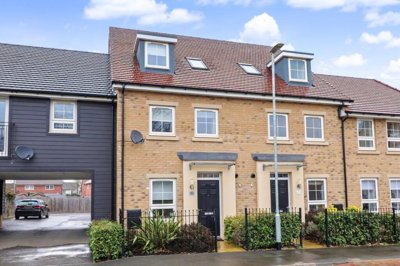
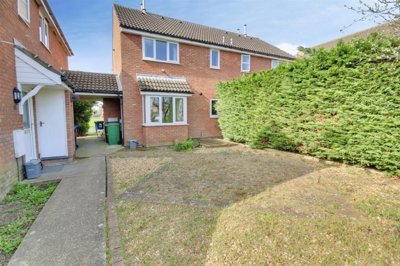
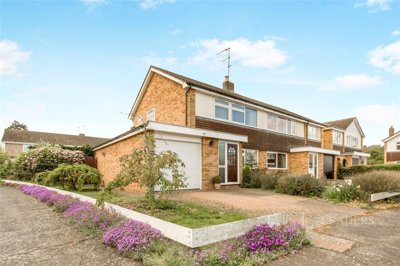
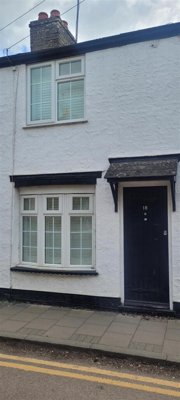
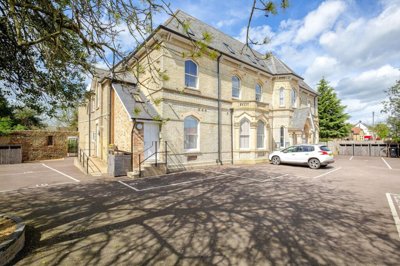
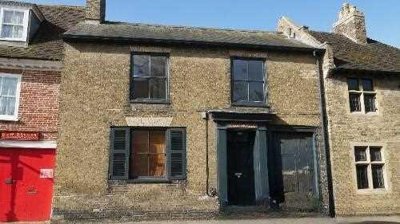
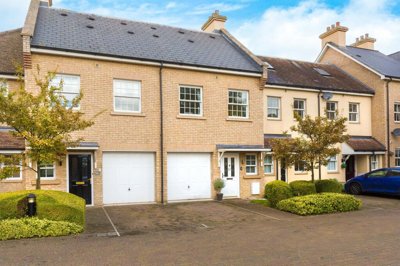
Browse 57 rental homes to rent in St. Ives from local letting agents.
St. Ives keeps attracting renters because it is a genuinely sought-after place to live in Huntingdonshire. For PE27 postcodes, detailed rental figures still need a local agent’s view, but the sales side gives us a decent steer on values. Early 2026 put the average sold price in St. Ives at £316,000. Terraced homes averaged £263,765, semi-detached properties came in at around £304,983, and detached houses sat higher again at approximately £430,994 to £456,649, which reflects the extra space and privacy they offer. Flats and apartments, at £158,786 to £190,333, sit at the more accessible end of the market for first-time renters.
Over the last twelve months, there were 187 residential property sales in St. Ives, a sign of steady movement in the local market. Prices have eased a touch overall, down by about 1.6% to 2% year on year, although the picture changes depending on the property type. Terraced homes were the stand-out performers, rising by 2.2%, while flats and apartments slipped by 6.3%. For renters, that softer backdrop can open the door to better terms, especially on larger family homes where demand is less intense. Since rents often shadow sale values, similar homes in St. Ives should still compare well with Cambridge.
Across the Huntingdon and St. Ives area, the housing mix is fairly balanced, which is part of the appeal. Detached properties make up around 37.6% of the market, semi-detached homes 24.4%, terraced properties 26.6%, and flats and apartments 11.4%. That spread means we see everything from roomy family houses with gardens to compact, more urban-style apartments in the same town. Recent sales activity has leaned towards terraces, which suggests strong demand for that type of home and, in rental terms, often some of the better value available.
St. Ives sits in the PE27 postcode area, and rental values can shift quite a bit from one part of town to another. Proximity to the river, the town centre, schools, and transport links all play a part. Homes by the Great Ouse, especially those with river views, usually command a premium. By contrast, properties on newer estates at the edge of town tend to come in lower and often have fresher fixtures and fittings. Pinning down which part of St. Ives suits you best will quickly narrow the search.
There is a proper English market town feel to St. Ives, but daily life is still very practical. The town centre gathers around the historic Market Square, where weekly markets have been running since medieval times and still bring in fresh produce, artisan goods, and crafts. Georgian and Victorian buildings give the streets a graceful look, and many of the period properties are recognisable for their red brick and sash windows. Grade II listed buildings are dotted through the centre too, keeping that sense of history intact. It feels established, without feeling stuck in the past.
The River Great Ouse shapes a lot of what makes St. Ives pleasant to live in. It brings riverside walks, quiet places to pause, and a good setting for waterside recreation. The Great Ouse Valley Path also runs through the town, linking walkers and cyclists to surrounding villages and open countryside. Day to day, you will find independent shops, well-liked pubs and restaurants, healthcare facilities, and a Waitrose that acts as the main food shop for many residents. Summer festivals, Christmas lights ceremonies, and other community events keep the calendar busy, while families are drawn by the safe streets, good schools, and the parks and recreation grounds spread across town.
Within Huntingdonshire, St. Ives sits in one of Cambridgeshire’s most desirable districts. It is close enough to Cambridge for work and leisure, yet it keeps a distinctly rural feel once you move away from the city itself. Renters arriving from bigger towns often appreciate the slower pace, without the sense of being cut off that comes with more remote villages. There is enough local population to support useful amenities, and still the neighbourly feel you get in a smaller community where people know one another by name.

Families have a decent spread of education options in St. Ives, from nursery age right through to further education. Primary schooling is covered by several local schools, and because state schools work within catchment areas, the exact rental address can make a real difference. Before committing to a property, parents should check the relevant catchment areas for their preferred schools, since places at the more popular primaries can be hard to secure. A number of schools in the area have a strong reputation for teaching quality and pupil progress, which helps make the town appealing to families with education high on the list. Faith-based primary choices may also be available.
Secondary provision includes St Ivo School, which serves the town and nearby villages as a secondary school and sixth form college. It teaches students aged 11 to 18, so pupils can stay local for sixth form rather than travelling elsewhere. Grammar school options are available in nearby Huntingdon and Cambridge, although those places depend on academic selection and may involve travel arrangements. We would always suggest checking the latest school performance data, Ofsted ratings, and admission policies directly with the schools, because those details can change and may affect which part of St. Ives suits a family best.
Because much of the housing stock in St. Ives is older, many families end up renting period homes close to the better schools in the centre, while newer houses tend to sit further out, beyond the traditional catchment areas. That makes it well worth visiting schools before signing anything, since the walk or drive from one side of town to the other can be very different. Some families choose to rent near their preferred school first, then adjust later as children move through the system.

Transport is one of St. Ives’ strongest points, which is why the town works so well for commuters. It sits just off the A1093, with quick access to the A14 trunk road running between Felixstowe and the Midlands via Cambridge. That road link is the main route into Cambridge, Huntingdon, and beyond, and the drive to Cambridge city centre usually takes 20 to 30 minutes, depending on traffic. The A14 also joins the M11 at Cambridge, giving access to London and Stansted Airport for longer journeys. Compared with Cambridge itself, the roads around St. Ives are often less congested.
Bus services add to that connectivity, with regular routes running between St. Ives and Cambridge, Huntingdon, and other nearby towns and villages. They are important for people without a car, linking to shopping, healthcare, and employment areas. Huntingdon is the nearest railway station, with East Coast Main Line services to London Kings Cross in about 50 minutes. Cambridge station gives even more choice, with faster trains into London that can reach the capital in under an hour. For cyclists, the guided busway and the traffic-free paths into Cambridge make commuting both practical and pleasant, especially in summer. Town-centre parking is available, though some rental homes have limited off-street space.
The Cambridgeshire guided busway gives this area a commuting option that is a bit different from the usual market town set-up. It runs traffic-free between St. Ives and Cambridge, so journey times are reliable and you avoid the congestion that can hit road travel. For renters working in Cambridge’s technology and research sectors, that makes St. Ives a very sensible base, with more affordable living and an easy daily connection. The route also serves stops in between, opening access to science parks and business districts along the way.

Start by working out what rent fits your budget, and getting a rental budget agreement in principle is a sensible way to do that. It tells landlords and agents that we are serious applicants with verified financial capacity. We also need to factor in the upfront costs, including a deposit, typically five weeks rent, plus admin fees and moving expenses. Having all the paperwork ready before the search begins puts us in a much stronger position when the right place comes up.
We would start by looking through listings on Homemove and speaking with local estate agents so we can see what is available in the neighbourhood you prefer. Schools, transport links, and access to town-centre amenities all matter, but so does the character of each part of St. Ives. The historic centre has period cottages and a very different feel from the modern residential estates on the outskirts. It is worth walking a few of these areas, because the atmosphere can change quite quickly from street to street.
Once suitable properties are on the shortlist, we arrange viewings and look at each home properly, not just through photographs. Condition, natural light, storage, and the feel of the neighbourhood at different times of day all matter. We also ask about lease terms, appliances that stay in place, and any rules on pets or smoking. Seeing a few homes side by side usually makes it clearer which details matter most and which ones do not.
When the right property comes along, speed matters, as good rentals in St. Ives can draw several applicants at once. We submit the rental budget agreement, references, proof of identity, and employment verification through the agent. Landlords usually ask for tenant referencing, and may want a guarantor if you are new to renting or have little rental history. Being ready with the documents in advance can make all the difference when a property has only been listed for a few days.
Before move-in, we would receive and sign the tenancy agreement, which sets out the rent, deposit protection scheme, maintenance responsibilities, and notice periods. A detailed inventory check records the condition of the property so that any later deductions are fair. For homes with lots of fixtures and fittings, it can also be wise to book an independent inventory report, especially where wear and tear could become a point of dispute at the end of the tenancy.
Renting in St. Ives means keeping an eye on a few local risks that can affect your day-to-day experience. Flood risk is the main one, because the town sits on the River Great Ouse and homes nearer the water can be more exposed to fluvial flooding when rainfall is heavy. Before agreeing to a tenancy, ask about any past flooding, check the property’s flood history, and think about whether insurance provisions are in place. Homes on higher ground or on newer estates at the edge of town may be less exposed, although that needs to be balanced against commute times and access to the centre. The Environment Agency flood risk maps are useful for checking which areas sit in higher-risk zones.
Conservation areas and listed buildings in the town centre bring their own set of points to check. If a property is listed, there may be planning restrictions that limit the changes you can make during a tenancy. So, if decorating or making alterations is on your list, we would check with the landlord and the local planning authority to see whether consent is needed. Older homes in St. Ives can also come with single-glazed windows, less effective insulation, or solid walls rather than cavity walls, all of which can affect warmth and energy bills. It is better to know that upfront than to be surprised by the heating costs later.
The geology around Cambridgeshire includes clay deposits, and that can matter for buildings in some parts of St. Ives. Clay soils are known for shrink-swell behaviour, which can affect foundations over time, although newer developments are usually designed with those conditions in mind. If we are viewing older properties, settlement cracking or uneven floors may point to past movement that has since stabilised, but it is still worth noting and discussing with the landlord. Our team can talk through what looks cosmetic and what might need closer attention during a viewing.
Construction in St. Ives varies quite a bit depending on the age of the home and where it sits in town. Victorian and Georgian properties in the centre often use traditional brick construction with timber roofs, while interwar and post-war homes on the edge of town may have been built differently. Knowing the construction type helps us judge maintenance needs and how efficient the heating is likely to be. Older period homes often have thicker walls and good thermal mass, but less insulation, while properties built from the 1970s onwards generally benefit from better construction standards. Those differences feed directly into comfort and running costs.
Budgeting properly for a tenancy avoids awkward surprises once you move into a new St. Ives home. The usual upfront cost is a security deposit, typically five weeks rent, which must be protected in a government-approved Tenancy Deposit Protection scheme within 30 days of receipt. The landlord is legally obliged to protect that deposit and tell you which scheme is being used. That protection means you should get the deposit back at the end of the tenancy, minus any legitimate deductions for damage or unpaid rent, and there is a route to challenge deductions if you disagree with them.
There are other upfront costs too, including tenant referencing fees, which cover credit checks, employment checks, and rental history checks carried out by the landlord or letting agent. These usually fall somewhere between £100 to £300, depending on the agency and how detailed the checks are. Some landlords still charge an administration fee to set up the tenancy, although regulations have trimmed those charges in recent years. An inventory check, done before you move in, creates a detailed record of the property and anything that comes with it, which protects both sides. We would also set aside money for moving costs, initial utility payments, and any furniture or equipment needed for an unfurnished or part-furnished home.
For renters in St. Ives, council tax is handled by Huntingdonshire District Council, and most rental homes fall within bands A through D. That usually puts monthly council tax somewhere around £100 to £180 per month, depending on the band. A landlord or letting agent can confirm the exact band for any property you are considering, and it needs to sit alongside rent, utilities, and the rest of the household budget. Some rentals include water rates or other bills, so always check what is covered in the advertised rent before you work out the figures.

Rental data for St. Ives can shift as the market moves, but the sales figures still give a useful guide. Terraced homes average £263,765, semi-detached homes £304,983, detached properties range from £430,994 to £456,649, and flats sit at £158,786 to £190,333. Rents usually sit at a proportion of those sale values, so a one-bedroom flat might go for £750 to £950 per month, while a three or four bedroom family house could ask £1,300 to £1,800 monthly. For the most up-to-date figures, local estate agents are still the best point of contact, because rental prices move on their own schedule.
St. Ives properties fall under Huntingdonshire District Council for council tax. Bands run from A to H according to property value, although most rental homes in the town sit in bands A through D. You can check the exact band on the Valuation Office Agency website, and Huntingdonshire District Council website lists the current rates for each band. Those bands are set by the government valuation agency and do not change because a home is rented rather than owned, so the band you move into is the same one that applied before.
Education in St. Ives is solid across the board, with several primary schools and St Ivo School covering secondary education through to sixth form. Suitability depends on a child’s needs and the postcode within the catchment area. We always recommend checking current Ofsted ratings, reading school websites, and talking to local parents as well, since that often gives a better sense of daily life than official figures alone. Families looking at grammar school access may also consider Huntingdon or Cambridge, which means meeting selection criteria and possibly arranging transport. The town’s location gives some flexibility, but school runs still need to be worked into household routines.
Public transport is another strong point for St. Ives, with regular buses linking the town to Cambridge and Huntingdon. Those services reach shopping centres, healthcare facilities, and employment areas across the region. Huntingdon is the nearest railway station, with East Coast Main Line trains to London Kings Cross taking about 50 minutes. Cambridge station offers more rail options and faster trains to London. The Cambridgeshire guided busway also runs through the area, giving cyclists and bus passengers traffic-free travel. In particular, the guided busway gives a reliable commute that avoids the unpredictable congestion that can build up on the roads between St. Ives and Cambridge at peak times.
For renters who want a balance between town and country living, St. Ives is hard to beat. There is a strong sense of community, useful local amenities, good transport links to Cambridge and London, quality schools, and a very attractive riverside setting. Housing runs from period homes in the historic core to newer developments, so there is a decent spread of styles and budgets. Demand stays steady because the town is so popular, which means desirable homes can move fast, so it helps to have referencing and the budget agreement ready. The average asking price of £441,821 for properties in St. Ives shows the premium buyers place on the town, and the rental market feels that same pull.
Standard rental practice in St. Ives follows the usual national rules. Deposits are typically five weeks rent and must sit in a government-approved Tenancy Deposit Protection scheme within 30 days of receipt. The landlord has to tell you which scheme is being used and what amount is protected. Tenant referencing fees, admin charges, and inventory check fees may also apply, and these can vary from one agent to another, usually adding up to between £200 and £400 in upfront costs on top of the deposit and first month’s rent. If you are new to renting or have little history, a guarantor who owns property may be asked for. Getting a rental budget agreement in principle before you start looking shows landlords that we are ready and can give the application an edge.
Because St. Ives sits on the River Great Ouse, properties near the water or in lower-lying spots can face higher flood risk during periods of heavy rain or prolonged wet weather. Before you commit to any tenancy, especially one marketed as riverside or with a garden close to the bank, check the Environment Agency flood risk maps for that exact location. Most newer developments on the edge of town are higher up and usually carry less risk. If flooding is a concern for a particular property, ask about previous incidents, any flood resilience measures, and whether the insurance in place covers tenants’ belongings.
The St. Ives rental market has a useful spread of property types, so different households can usually find something that fits. Terraced homes make up a sizeable chunk of the market and often give the best value for money, especially for first-time renters or smaller families. Semi-detached houses offer more room and usually have gardens on both sides, which suits families with children or people working from home. Detached properties sit at the premium end, with more privacy and space, often including generous gardens. Flats and apartments are a lower-cost entry point and can suit young professionals or people downsizing. In the town centre, many properties also keep period features like original fireplaces, exposed brickwork, and high ceilings.
From 4.5% APR
Pre-approval for your rental budget can strengthen your application.
From £99
Comprehensive referencing checks required by most landlords
From £85
An energy performance certificate is required for all rental properties.
From £150
A professional inventory helps protect your deposit when the tenancy ends.
Properties to Rent In London

Properties to Rent In Plymouth

Properties to Rent In Liverpool

Properties to Rent In Glasgow

Properties to Rent In Sheffield

Properties to Rent In Edinburgh

Properties to Rent In Coventry

Properties to Rent In Bradford

Properties to Rent In Manchester

Properties to Rent In Birmingham

Properties to Rent In Bristol

Properties to Rent In Oxford

Properties to Rent In Leicester

Properties to Rent In Newcastle

Properties to Rent In Leeds

Properties to Rent In Southampton

Properties to Rent In Cardiff

Properties to Rent In Nottingham

Properties to Rent In Norwich

Properties to Rent In Brighton

Properties to Rent In Derby

Properties to Rent In Portsmouth

Properties to Rent In Northampton

Properties to Rent In Milton Keynes

Properties to Rent In Bournemouth

Properties to Rent In Bolton

Properties to Rent In Swansea

Properties to Rent In Swindon

Properties to Rent In Peterborough

Properties to Rent In Wolverhampton

Enter your details to see if this property is within your budget.
Loans, cards, car finance
Estimated property budget
Borrowing + deposit
You could borrow between
Typical borrowing
Monthly repayment
Est. at 4.5%
Loan-to-value
This is an estimate only. Your actual budget may vary depending on interest rates, credit history, and personal circumstances. For an accurate affordability assessment, speak to one of our free mortgage advisors.
This calculator provides estimates for illustrative purposes only and does not constitute financial advice. Your home may be repossessed if you do not keep up repayments on your mortgage. Estimates based on 4.5% interest rate, repayment mortgage. Actual rates depend on your circumstances.
Homemove is a trading name of HM Haus Group Ltd (Company No. 13873779, registered in England & Wales). Homemove Mortgages Ltd (Company No. 15947693) is an Appointed Representative of TMG Direct Limited, trading as TMG Mortgage Network, which is authorised and regulated by the Financial Conduct Authority (FRN 786245). Homemove Mortgages Ltd is entered on the FCA Register as an Appointed Representative (FRN 1022429). You can check registrations at NewRegister or by calling 0800 111 6768.

We use cookies to show you personalised content and improve your experience of our website. Find out more in our Privacy policy and Cookie policy.