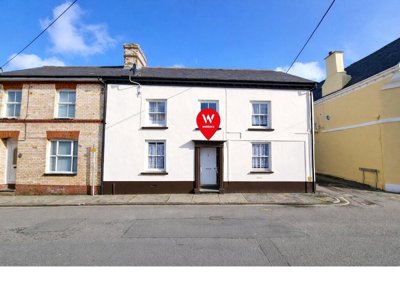
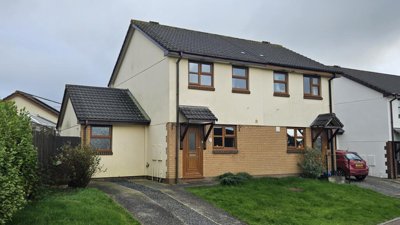
Browse 2 rental homes to rent in St. Giles in the Wood from local letting agents.
Giles In The Wood. The 2 bed house market features detached, semi-detached, and terraced properties with two separate bedrooms plus living spaces. Properties in St. Giles In The Wood range from Victorian and Edwardian period homes to modern new builds, with pricing varying across different neighbourhoods.
St. Giles in the Wood’s rental market mirrors the village’s rural Devon character, with homes ranging from historic terraced cottages to substantial detached family houses. Current available rental data puts average rent at £1,250 per month, although the small number of listings means that figure cannot show the full spread of properties on offer. What it does show is the premium attached to space and privacy in this countryside setting, where gardens and open views command strong interest from tenants who want genuine rural character. In the village core, Victorian terraced cottages built by the Rolle Estate, often of local stone or brick with slate roofs, still set the tone for renters looking for period detail rather than modern convenience. ---NEXT---
Prices in the EX38 7JP postcode area have proved resilient over the long term, with StreetScan data showing growth of 44.6% over the past decade and 21.6% over the past five years. The picture is cooler now, though, as values have slipped by around 3.2% over the past year and sit 9% below the 2023 peak of £259,441. Sales are rare here, with only three property sales recorded in EX38 7JP over the last 17 years, the most recent in July 2024, which says a lot about how infrequently homes change hands in this tiny area. Average rent in St. Giles in the Wood is currently £1,250 per month based on available rental data, and because listings are limited that figure may not capture the full range. The village housing mix is mostly owner-occupied, so rental homes can be thin on the ground, even though turnover still happens when residents’ circumstances change.

Budgeting for council tax is part of renting well in St. Giles in the Wood. Homes in the village sit under Torridge District Council, and the band is set from the property’s value as assessed in April 1991. Victorian terraced cottages usually land in bands A through C, which sit at the lower end of the scale and keep monthly costs more manageable for tenants. Larger detached houses spread across the parish may fall into bands D through F, reflecting their higher assessed values and the heavier annual contribution that comes with them.
Each financial year, Torridge District Council sets the council tax rates, and Band A properties pay less than half of Band H rates. Before taking a tenancy, tenants should check the exact band with the landlord or letting agent, because it forms part of the total monthly bill. The band is based on the 1991 assessed value, not today’s market value, so a sizeable detached home with land can still sit in a mid-range band if that earlier valuation was modest. Rent, utilities and council tax together give a much clearer picture of what the month will really cost before any tenancy agreement is signed.
Renting in St. Giles in the Wood means looking closely at the details of a very old rural housing stock, much of it Victorian or earlier. Homes built in the 19th century by the Rolle Estate often have solid brick or stone walls without cavity insulation, so poor ventilation can bring condensation problems in occupied rooms. Damp checks matter, especially in ground-floor rooms and basements where moisture gathers, and original sash windows should be inspected for repainting or repairs that sit with the landlord. The slate roofs on these older places are usually sound, but slipped tiles and failing pointing can lead to expensive, disruptive repairs.
Because St. Giles in the Wood sits in the River Torridge valley, flood risk should sit on the checklist when a rental is being considered. Check where the property lies in relation to the river, and ask about any past flooding before committing to a tenancy. Homes on higher ground towards the eastern edge of the parish may be better protected than places nearer watercourses and low-lying land. Historic buildings across the village may also come with listed building controls or conservation limits, which can affect what changes tenants can ask for and what permission the landlord needs for maintenance. If the property is a flat, ground rent and leasehold terms need clarifying too, since those costs vary sharply from one home to the next and are not always obvious from the advert.

For families, schooling is centred on nearby Great Torrington, around 2.5 miles west of the village. Several primary schools in the Torridge area hold good or outstanding Ofsted ratings, and the Great Torrington schools are the nearest option for most local households. That means younger children can get to school without long journeys, keeping the village’s community feel intact and leaving time for after-school clubs without a draining commute. Parents should still check current Ofsted reports and catchment boundaries before choosing a rental, as places are allocated by proximity and demand can outstrip supply in popular zones.
Secondary schooling is available in Great Torrington and across the wider Torridge district, with school transport running from outlying villages such as St. Giles in the Wood so students can reach the right provision. For sixth-form and further education, Barnstaple, about 12 miles away, is the usual destination, with all-round secondary schools offering sixth forms alongside the North Devon College campus for vocational and academic study. Families also need to think about the home itself, because many properties here date from the Victorian era or earlier. Homes built before 1919 may have solid walls without cavity insulation, which affects warmth and energy use, although many families are drawn to the generous room sizes and traditional features of these period houses.

Daily life in St. Giles in the Wood follows the pace of rural Devon, and the population of 547 residents gives the village a notably close-knit feel. Set in the River Torridge valley, the landscape has been shaped by centuries of farming and conservation, with rolling hills, mature hedgerows and traditional farmland creating a strong year-round backdrop. The area’s history runs deep too, with records showing settlement here since at least 1086, when Dodscott was noted in the Domesday Book, and Way Barton having been acquired before 1242. The Rolle Estate still leaves its mark on the village, not least through the Victorian terraces it built, which continue to define the centre.
The Royal Horticultural Society’s Rosemoor Garden, in the south-west of the parish, is both a major draw and a local employer, bringing visitors through the year for horticultural displays, educational events and seasonal exhibitions. Members of the RHS get reduced-price entry to Rosemoor, so residents can reach attractive gardens and cafes with only a short walk from the village centre. Great Torrington, the nearest market town, supplies the essentials, including a Co-operative supermarket on Market Street, independent shops, a pharmacy and the town library, while Barnstaple offers a wider range of retail and healthcare services about 25 minutes away by car. The Devon Wildlife Trust also works in the surrounding countryside, giving residents a chance to support environmental stewardship and enjoy protected natural spaces along the River Torridge.

Getting around from St. Giles in the Wood matches the village’s rural setting, so most residents depend on private cars, with local bus services filling in the gaps to Great Torrington and nearby villages. The A39 Atlantic Highway runs through Great Torrington, giving straightforward access to Barnstaple to the north and Exeter to the south for those who drive. For commuters, Barnstaple is around 25 minutes away by car, while Exeter can be reached in roughly one hour depending on traffic on the A361 and M5. Stagecoach and other local operators run the bus network, but services are limited compared with urban routes and do not always fit standard working hours.
Rail links are available from Barnstaple station on the Tarka Line, with services to Exeter St. David’s taking about one hour. From Exeter, fast trains open up Bristol, London Paddington and the wider national rail network, so village residents can still make business trips and day journeys. Cycling is possible too, with Devon’s quiet lanes and scenic routes offering rewarding local rides, although the hilly terrain demands a fair level of fitness and works better for leisure than for everyday commuting. Off-street parking or garage space is usually part of a rental property here, which is a welcome advantage in a rural area. Given the limited public transport, private vehicle ownership is close to essential for day-to-day life in St. Giles in the Wood.

Our team suggests speaking to local mortgage brokers or financial advisers to work out what fits within a monthly rent budget. Having a budget agreement in principle can strengthen an application and shows landlords that the figures have already been thought through, especially when several applicants are interested in the same property.
Spend time getting to know St. Giles in the Wood properly, from the feel of each street to the distance from Rosemoor Garden and Great Torrington amenities, as well as the condition of Victorian homes compared with newer ones. That kind of local research helps narrow the search and stops time being wasted on places that do not match the brief.
We’d contact the estate agents and landlords advertising properties in St. Giles in the Wood to book viewings. Rental stock is limited in this small village, so suitable places can go quickly, and it helps to see more than one property in order to compare condition and value before applying.
We book a RICS Level 2 Survey on any period property that feels worth serious consideration. Victorian cottages and historic farmsteads can hide damp, roof issues, outdated electrics and timber problems, all of which a professional survey can pick up before a commitment is made. Our surveyors know the construction methods common in Devon and understand what to look for in homes built by the Rolle Estate.
As soon as the right property comes along, complete the tenant application form promptly and have references, proof of income and identification ready. Agents working for landlords will carry out referencing checks before any tenancy is offered, so ready paperwork can speed the process up.
Read the Assured Shorthold Tenancy agreement closely, paying attention to the rent amount, the deposit amount capped at five weeks rent for properties with annual rent under £50,000, the term length and any special conditions before signing. Our team can talk through any clause that is unclear, so the rights and responsibilities of the tenancy are plain from the start. ---NEXT---
Hard rental figures for St. Giles in the Wood are thin on the ground because the village is so small, but comparable sales data for the EX38 7 postcode area shows detached homes at £324,655, semi-detached properties at £232,031 and terraced houses at £202,314. Average rent in St. Giles in the Wood is currently £1,250 per month based on available rental data, although the limited number of listings means that figure may not cover every type of home on the market. The recent 3.2% price reduction in the area may shape landlord expectations, and that could create room for tenants as the market adjusts. Local estate agents in Great Torrington can give current rental valuations for individual properties when viewings are being arranged. ---NEXT---
Properties in St. Giles in the Wood sit within Torridge District Council’s administration, with council tax bands set from the property’s value as of April 1991. Victorian terraced cottages in the village usually fall into bands A through C, while larger detached houses may sit in bands D through F. Torridge District Council fixes the annual rates, and Band A properties pay less than half of Band H rates. Before agreeing to a tenancy, tenants should confirm the exact band with the landlord or letting agent, because it contributes to the overall monthly cost of renting.
Primary schooling is available at schools in Great Torrington and nearby villages, and several of them hold good or outstanding Ofsted ratings for families in St. Giles in the Wood. Current Ofsted reports and catchment boundaries are worth checking before a rental is chosen, as places are allocated by proximity and demand can vary across the Torridge district. Secondary options include schools in Great Torrington, with transport available for residents who live outside the town’s catchment areas. For sixth-form study, Barnstaple, around 12 miles away, is the usual destination, with all-round options including schools with sixth forms and North Devon College for further education courses.
Public transport from St. Giles in the Wood is limited, which fits a village of just 547 residents but does shape everyday travel. Stagecoach buses link the village with Great Torrington, where passengers can pick up more routes and continue on towards Barnstaple. Frequencies are much lower than in towns and cities, so private vehicle ownership is close to essential for most people who need to commute or get to services regularly. Barnstaple, about 25 minutes away by car, is the nearest railway station, with Tarka Line services to Exeter St. David’s and onward links to London Paddington. Anyone without a car should weigh those transport limits carefully before renting in St. Giles in the Wood.
St. Giles in the Wood offers renters a rare mix of authentic rural Devon living and a strong community feel, where neighbours know one another and the countryside is right on the doorstep. RHS Garden Rosemoor brings lovely green space and cultural activity within the village boundary, so there is plenty to enjoy without heading far. The trade-off is clear enough, with limited rental stock, less public transport and regular trips needed to Great Torrington or Barnstaple for fuller services. For people who put countryside character, historic homes and community ahead of urban convenience, it is a strong place to rent.
Deposit rules for rental homes in St. Giles in the Wood follow the Tenant Fees Act 2019, which caps deposits at five weeks rent for annual rents under £50,000. A typical Victorian cottage at £1,250 per month would need a £1,442 deposit, held in a government-approved deposit protection scheme. Permitted fees are restricted to holding deposits capped at one week's rent, defaults on unpaid rent or bills, and reasonable costs for ending the tenancy early if the tenant asks for that. Tenants should also plan for moving costs, the first utility set-up and any professional cleaning that might be required at the end of the tenancy. ---NEXT---
Because Victorian and earlier homes are so common in St. Giles in the Wood, we strongly recommend a professional survey before any period property is taken on. Homes from the 19th century or earlier often have defects that a standard viewing will miss, including rising damp in solid-wall construction, wear to original timber windows and doors, and slate roofing that may be nearing replacement. A professional survey gives a detailed condition report, helping a tenant make a properly informed decision and budget for repairs the landlord is meant to carry out.
Our RICS Level 2 Survey starts from £350 and gives a solid assessment of the condition of traditional homes common in St. Giles in the Wood. It picks up urgent defects that need immediate attention, flags areas where maintenance is needed, and reviews the structure, roof, walls and systems as a whole. That information is especially useful when tenancy terms are being discussed or when a landlord is asked to fix specific issues before move-in. We also offer EPC Assessments from £85, which are needed for rental properties and set out the home’s energy efficiency so future utility costs can be estimated. ---NEXT---
Getting to grips with the financial side of renting in St. Giles in the Wood helps prospective tenants budget properly and avoid awkward surprises during the application process. The Tenant Fees Act 2019 controls what landlords and letting agents can charge, with deposits capped at five weeks rent for properties with annual rents below £50,000. For a terraced cottage at £1,250 per month, that comes to £1,442, held safely in a government-approved deposit protection scheme such as the Deposit Protection Service, MyDeposits, or the Tenancy Deposit Scheme. Holding deposits are limited to one week's rent and are refundable if the tenancy goes ahead or if the landlord decides not to proceed with the application.
New renters in St. Giles in the Wood should set aside money beyond the deposit and rent in advance so the move goes smoothly. If the letting agent asks for professional referencing, the cost is usually £100 to £200 per applicant for credit checks and employment verification. Gas, electricity, water and broadband set-up can also call for deposits and advance payments, and those can run to several hundred pounds depending on the provider. Contents insurance is sensible even in a rental home, especially where furniture and belongings would be costly to replace. Homes without mains gas may also need heating oil deliveries, an ongoing expense that moves with market prices and should sit in the monthly budget for the property.
From 4.5%
Get expert help with the rental budget and work out what fits comfortably
From £100
Have references ready before the application is submitted
From £350
Surveying Victorian and period properties common in St. Giles in the Wood is essential
From £85
An energy performance certificate is required for all rental properties
Properties to Rent In London

Properties to Rent In Plymouth

Properties to Rent In Liverpool

Properties to Rent In Glasgow

Properties to Rent In Sheffield

Properties to Rent In Edinburgh

Properties to Rent In Coventry

Properties to Rent In Bradford

Properties to Rent In Manchester

Properties to Rent In Birmingham

Properties to Rent In Bristol

Properties to Rent In Oxford

Properties to Rent In Leicester

Properties to Rent In Newcastle

Properties to Rent In Leeds

Properties to Rent In Southampton

Properties to Rent In Cardiff

Properties to Rent In Nottingham

Properties to Rent In Norwich

Properties to Rent In Brighton

Properties to Rent In Derby

Properties to Rent In Portsmouth

Properties to Rent In Northampton

Properties to Rent In Milton Keynes

Properties to Rent In Bournemouth

Properties to Rent In Bolton

Properties to Rent In Swansea

Properties to Rent In Swindon

Properties to Rent In Peterborough

Properties to Rent In Wolverhampton

Enter your details to see if this property is within your budget.
Loans, cards, car finance
Estimated property budget
Borrowing + deposit
You could borrow between
Typical borrowing
Monthly repayment
Est. at 4.5%
Loan-to-value
This is an estimate only. Your actual budget may vary depending on interest rates, credit history, and personal circumstances. For an accurate affordability assessment, speak to one of our free mortgage advisors.
This calculator provides estimates for illustrative purposes only and does not constitute financial advice. Your home may be repossessed if you do not keep up repayments on your mortgage. Estimates based on 4.5% interest rate, repayment mortgage. Actual rates depend on your circumstances.
Homemove is a trading name of HM Haus Group Ltd (Company No. 13873779, registered in England & Wales). Homemove Mortgages Ltd (Company No. 15947693) is an Appointed Representative of TMG Direct Limited, trading as TMG Mortgage Network, which is authorised and regulated by the Financial Conduct Authority (FRN 786245). Homemove Mortgages Ltd is entered on the FCA Register as an Appointed Representative (FRN 1022429). You can check registrations at NewRegister or by calling 0800 111 6768.

We use cookies to show you personalised content and improve your experience of our website. Find out more in our Privacy policy and Cookie policy.