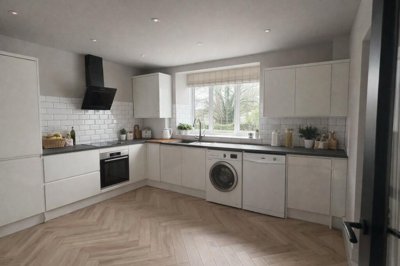
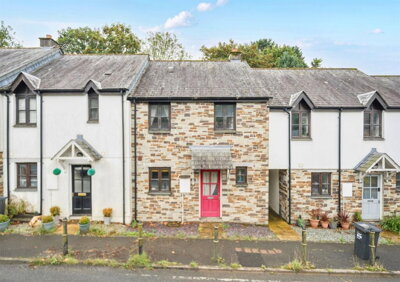
Browse 2 rental homes to rent in St. Germans from local letting agents.
Germans from local agents. Three bedroom properties represent a significant portion of the St. Germans housing market, offering space for families with multiple reception rooms and gardens in many cases. Browse detached, semi-detached, and terraced options ranging from period character homes to contemporary developments.
St. Germans has a rental market that mirrors the village itself, with traditional cottages, converted farm buildings and some newer homes all in the mix. Sales values show the premium attached to rural Cornish life, with the overall average currently around £387,713, although rents depend very much on property type, size and condition. Detached homes sit at the top end at about £526,900 on average, while terraced houses and flats tend to offer a more reachable way into the local market.
Prices have eased a little over the last year, with overall values down by around 2% over the past twelve months, which may mean more homes reaching the market. Semi-detached and terraced properties have softened a touch more, at around 3%, while detached homes and flats have held up better, with roughly 1% decreases. In practice, that can mean a bit more room for negotiation, and landlords often pitch rents keenly as a result.
For newer accommodation, The Saltings development by Burrington Estates brings 2, 3, and 4-bedroom homes into the village. A two-bedroom house starts from approximately £325,000, so buyers get modern fittings without leaving the traditional setting behind. Much of St. Germans, though, is older, with a large share of homes built before 1919, especially around the historic centre where stone walls and slate roofs give the village its distinctive look.
Local market conditions matter here. Historic stock, conservation area controls and strong interest from second-home buyers all shape the lettings picture, and availability is usually tight. We have seen perhaps 20 property sales complete in any twelve-month period, so anyone looking to rent should be ready to move fast when something suitable appears. Keeping in close touch with local letting agents is a sensible move if you want early notice of new listings.

St. Germans runs on community, countryside and a slower rhythm that feels far removed from city life. The village centre is a Conservation Area, protecting the historic feel that gives the place its appeal. Narrow lanes are lined with traditional stone cottages, many of them centuries old, leading towards the striking Priory Church of St Germanus. That Grade I listed church is both a place of worship and a centre for village life, from flower festivals to Christmas carol services that bring people together all year round.
Agriculture, tourism and small local businesses underpin the economy here. The Port Eliot Estate, a major employer and landowner, supports the rural economy and also hosts events that draw visitors from across the region. Plenty of residents travel to work in Saltash, Liskeard or Plymouth, which is why the village appeals to people who want countryside living but still need access to city jobs. With the Tamar Bridge close by, Plymouth’s employment and leisure options are usually within about 30 minutes by car.
Day to day, there is a village shop, a well-liked pub that doubles up as a social meeting point, and a range of community groups for different ages. Beyond the centre, footpaths cut across farmland and woodland, opening up wide views of the Lynher Valley. Families often notice the strength of the local social life, helped by the primary school, village hall and regular events that build lasting ties. St. Germans Feast Week is the big annual moment, and it pulls the whole community in.
Geology matters here more than many renters expect. The underlying Devonian slates and sandstones usually bring a low shrink-swell risk to foundations, although pockets of superficial clay can be found in some spots. In the village centre, many homes have traditional solid-wall construction rather than cavity walls, so upkeep needs are different from what people may be used to in newer properties. Knowing that helps explain why certain maintenance issues crop up, and how landlords tend to deal with them.

Schooling in St. Germans centres on St. Germans Primary School, which serves families in the village and the nearby rural area. It provides education from Reception through to Year 6, in a small and supportive setting where children can develop both academically and socially. Parents often praise the individual attention on offer, and the smaller class sizes mean teachers can give more targeted help across the ability range.
Children moving on to secondary school usually travel to nearby towns such as Liskeard, Saltash or Plymouth, and transport arrangements can be available for families in more remote spots. St. Germans Primary School works closely with several secondary schools in the area, so staff can talk parents through local choices during the transition. We would always suggest visiting open days, because the right school often comes down to fit as much as anything else.
Cornwall does have grammar schools in larger towns, with entry based on the 11+ examination, so selective education is available for families who want that route. The nearest grammar schools are in Plymouth and Truro, and admission depends on successful 11+ entry. For older pupils, sixth form and further education colleges in Plymouth and Truro offer plenty of course choices, while the University of Plymouth and Falmouth University are both within reasonable commuting distance.
Families renting in St. Germans should look carefully at admissions rules, because rural catchments can work differently from urban ones, and some schools have waiting lists because places are limited. Cornwall Council’s school admissions website sets out catchment areas and oversubscription criteria in detail. We have helped many families find rental homes that fit their school placement needs, and we know which parts of St. Germans give the easiest access to different secondary school options.

Transport from St. Germans strikes a workable balance between rural calm and day-to-day practicality. The village sits about 4 miles from Saltash, which crosses the River Tamar by the well-known Tamar Bridge and gives direct access to Plymouth on the eastern bank. That route links Cornwall to Devon and the wider motorway network, so Exeter, Bristol and London are all realistic for regular commuters. The A38 trunk road runs nearby too, giving a direct line towards Bodmin and the north coast, as well as links to the A30 for journeys across Cornwall.
Bus services do connect St. Germans with Saltash, Liskeard and Plymouth, but they are nowhere near as frequent as urban routes, so having a car or planning carefully is important if you rely on public transport. The village services are designed partly around school travel, which means weekend and evening journeys can be thin on the ground. Before giving up the car, we would check the current timetables with Traveline South West.
St. Germans railway station gives the village its own rail link, with services to Plymouth and onward connections across the UK through the national network. For anyone commuting into Plymouth, that makes rail travel a practical option, and reverse commuting can work too for people based in the city. The village also sits in the Lynher Valley, where road routes can include narrow lanes and single-track sections, so larger vehicles need a confident driver behind the wheel.
Cyclists have some appealing routes here, with changing terrain and good access to the Tamar Valley, which opens onto the national cycling network for both leisure rides and commuting. Through that network, the Camel Trail gives traffic-free cycling towards the north coast, while the river valleys offer tougher, but satisfying, routes for more experienced riders. We often find people moving from towns adjust quickly to rural driving, especially once they learn the quieter routes that avoid the tightest lanes.

Before arranging viewings, get a rental budget agreement in principle from a financial provider. It shows landlords and agents that you are ready to proceed, and sets out the maximum monthly rent you can afford from your income and spending. Having that in place before you start your search means you can focus on homes within reach and move quickly when the right one comes up. In a place like St. Germans, properties can be taken within days of listing, so we would sort this early.
It is worth thinking through what daily life in this Cornish village would actually feel like. Check commute times, school access if you need it, and how easy it is to reach the shops and other basics. Visit at different times of day if you can, so you can see the community atmosphere, local facilities and the seasonal shifts in traffic and visitor numbers that are part of rural Cornwall. We suggest spending at least one full day here, with time for the shop, the pub and the footpaths, before deciding if the lifestyle fits.
Once you have found a few suitable homes, book viewings so you can judge condition and suitability properly. For older properties in St. Germans, especially those in the Conservation Area or listed buildings, a RICS Level 2 Survey may be worth considering before you commit to a tenancy. These homes often have quirks that need a closer look. Our inspectors regularly assess properties in St. Germans and know the common local issues, from slate roof deterioration to damp penetration in solid-wall construction.
After you have chosen a property, tenant referencing comes next, and that usually includes credit checks, employment verification and landlord references. Get your paperwork ready first, including proof of identity, proof of address and employment details, so the process can move along without delay and you can show you are a reliable prospective tenant. We work with trusted referencing providers and can often speed things up when the documents are already in hand.
Before you sign anything, read the tenancy agreement carefully, with particular attention to the deposit amount, notice periods, maintenance responsibilities and any restrictions tied to the property. Some St. Germans homes will have extra conditions linked to rural living, nearby agricultural activity or conservation requirements that affect what alterations are allowed. We would ask for the draft agreement before move-in day, then note down any points that need clarifying with the landlord or letting agent.
Historic renting in St. Germans brings its own set of issues, and the geology is part of that picture. Our inspectors regularly come across conditions linked to the underlying Devonian slates and sandstones, which usually mean stable foundations, although local pockets of clay can still affect ground conditions in some places. Buildings set on or close to those superficial clay layers can show subtle subsidence symptoms, especially after long dry spells or where large trees have extensive roots.
Damp is one of the most common problems our inspectors pick up in St. Germans properties, particularly in older buildings without modern damp-proof courses. Rising damp can affect solid-wall homes where the original damp-proof membrane has failed or was never installed. Penetrating damp often shows up in traditional slate roofs as tiles wear or leadwork ages. Homes with solid floors can also suffer damp from the ground, and poor ventilation in older buildings can lead to condensation, especially in newer double-glazed properties where air exchange has dropped.
Across St. Germans, the traditional slate roofs need regular upkeep and, in time, replacement. During inspections, our team often notes slipped, broken or missing slates, particularly after bad weather. The timber battens beneath can also break down, and lead valley flashings often show wear that can let water in. Roof repairs are usually the landlord’s job, but any water staining or damp smells should be reported quickly, before a small issue turns into something more serious.
Electrical and plumbing systems in older St. Germans homes often need updating to meet current safety standards. Plenty of pre-1919 buildings still have original wiring and pipework that would not satisfy modern inspection requirements. Even though landlords must make sure electrical installations are safe at the start of a tenancy, anyone renting an older property should expect some dated infrastructure. If there are concerns about particular installations, our team can arrange a thorough electrical condition report during the tenancy.
Renting in St. Germans calls for a close look at the details that come with a historic rural place. The geology here is different from an urban setting, with properties built on Devonian slates and sandstones that usually bring low shrink-swell risk. Even so, localised clay deposits can still affect ground conditions in some areas. Older houses may sit on foundations that reflect the building methods of their time, so knowing whether the home is traditional stone or more modern in construction helps set expectations about maintenance and possible issues.
Flood risk needs proper attention in St. Germans, because the village sits on the River Tiddy and close to the Lynher estuary. Homes near watercourses can face fluvial flooding, and surface water flooding can also appear in parts of the village after heavy rain because of local topography and drainage patterns. We would strongly advise checking the Environment Agency flood maps for any exact address and talking through flood history with the landlord or current tenants before you agree to anything. Higher ground, such as properties near the church, may offer a better flood risk profile while still being handy for the village centre.
A high number of listed buildings and the Conservation Area status mean many St. Germans properties come with limits on alterations and improvements. For any home that is listed or within the Conservation Area, Cornwall Council permission may be needed for changes that would be straightforward elsewhere. Features such as traditional sash windows, original fireplaces and period detailing need proper maintenance, which the landlord should manage, although they can affect how the property presents compared with newer homes.
Cornwall is classed as a high radon area by Public Health England, so properties in St. Germans may have elevated radon levels. This radioactive gas occurs naturally in some geological formations and can build up in buildings, especially those with basements or poor ventilation. We would ask landlords about radon levels and any mitigation already in place, such as passive ventilation systems or radon sumps. If readings are above recommended thresholds, suitable mitigation should be installed before move-in.

Rent figures for St. Germans are best checked directly with letting agents, but the sales market gives a useful guide to relative values. The overall average price sits around £387,713, with detached homes at £526,900, semi-detached houses at £311,750, terraced properties at £290,000 and flats at £165,000. Rental levels usually sit at a percentage of those figures and are shaped by condition, size and how competitive the market is at the time. Homes in the Conservation Area, or with features such as original fireplaces or sea views, may attract a premium, while newer or less central properties can sometimes offer better value. We would budget 3-5% of a property’s assessed value each year for rent when looking at similar homes in this area.
Council tax bands in St. Germans are set by Cornwall Council and depend on the Valuation Office Agency assessment for each property. Bands run from A through H, with lower bands generally applied to lower-value homes. Older houses in the village centre, especially those of historical importance or with reductions linked to character limitations, may have been assessed using different criteria from modern equivalents. Anyone renting should check the property’s council tax band before committing, because it is part of the monthly outgoings alongside rent and utilities. You can confirm bands through the Valuation Office Agency website by entering the property address.
St. Germans Primary School serves the village and the surrounding area, offering Reception through Year 6 in a community setting that parents often praise for its nurturing approach. Secondary options include Saltash Community School in Saltash, Callington Community College in Liskeard, and Torpoint Community College, with transport available for eligible families through Cornwall Council. The nearest grammar schools are in Plymouth and Truro, and successful 11+ entry is needed for admission. Parents should check current admissions policies and catchment arrangements with Cornwall Council, as these can affect availability for families moving into the area. We keep up-to-date details on school transport routes and timings to help you plan the move more smoothly.
Public transport in St. Germans is limited but workable. Bus links run to Saltash and Plymouth, although frequencies are lower than in towns, so a car is sensible for everyday commuting. Those services are mainly shaped around school transport, which means weekend and evening journeys need a bit of planning. The village has its own railway station, with direct trains to Plymouth and connections to the wider national rail network, including services to London Paddington via Exeter. With the A38 and Tamar Bridge nearby, road access to the motorway network is good, and Plymouth is usually about 30 minutes by car. Anyone depending entirely on public transport should check current timetables carefully, as rural services often run at reduced frequencies.
St. Germans offers a strong quality of life for people who want rural Cornish living without losing too much connectivity. There is a clear sense of community, attractive historic surroundings and easy access to countryside and coastal landscapes. Conservation Area status and the many listed buildings create a lovely setting, though they can also bring restrictions on alterations. Good road links and proximity to Plymouth make commuting manageable for those working in the city or further afield. Renting here suits people who enjoy village life, walking and cycling, and a slower pace that puts community and environment ahead of urban convenience. The main drawback is the limited supply of rental homes, so patience and flexibility help.
In England, standard deposits for rental homes are capped at five weeks' rent where the annual rent is less than £50,000. For a typical St. Germans property, that deposit will be held in a government-approved scheme for the length of the tenancy and returned within ten days of the tenancy end, provided there is no dispute over condition or damage. You will also usually need the first month’s rent in advance before moving in, and there may be a holding deposit while referencing checks are carried out. Reference fees, admin charges and inventory check costs may still appear in some cases, although Tenant Fees Act rules limit what landlords and agents can charge. We give a clear breakdown of all costs before you commit.
Cornwall is also designated a high radon area by Public Health England, so homes in St. Germans may be exposed to elevated radon levels. This radioactive gas occurs naturally in the underlying geological formations and can build up in properties, particularly those with basements, limited ventilation or solid-wall construction that restricts air flow. Landlords in affected areas should have radon monitoring in place and act if levels rise above the recommended threshold of 200 becquerels per cubic metre. Before signing, prospective renters can ask about recent readings and any mitigation already installed. We would also ask what action the landlord will take if elevated levels are found during the tenancy.
Flood risk is another point to take seriously in St. Germans, given its position on the River Tiddy and its proximity to the Lynher estuary. Homes close to the rivers face fluvial flood risk, and the Environment Agency marks some areas as Flood Zone 2 or 3 where development may be restricted. Heavy rain can also bring surface water flooding in parts of the village because of the local topography and drainage capacity. We strongly advise checking the Environment Agency flood maps for any exact address and talking through flood history with the landlord or previous occupants. Homes on slightly higher ground may carry a lower risk while still being close to village amenities. Suitable buildings insurance should be in place, and tenants should know the emergency steps to take if flooding happens.
Knowing the financial side of renting in St. Germans helps you plan properly and avoid surprises when you move. Under Deposit Protection Service regulations in England, security deposits are capped at five weeks' rent where the annual rent is less than £50,000. For a typical St. Germans rental home, the deposit will be held in a government-approved scheme during the tenancy and returned within ten days of the tenancy end, as long as there are no disputes over condition or damages. Before moving in, you should receive a full inventory report setting out the property’s condition, which gives both sides a clear baseline for the deposit return process.
There will also be the first month’s rent, usually paid in advance before occupation starts, and possibly a holding deposit to reserve the property while referencing checks are completed. Reference fees, admin charges and inventory check costs may apply, although government Tenant Fees Act rules limit what landlords and agents can legitimately charge. We always give a full breakdown of all costs before you commit to a property, so the rental process stays clear from the outset.
For St. Germans properties, especially older homes in the Conservation Area or listed buildings, it is wise to think about possible maintenance costs that might arise during the tenancy, even though structural repairs and essential systems should remain the landlord’s responsibility as set out in the agreement. Renting a historic property can cost more than choosing a modern alternative, so understanding the age, construction and maintenance history of the home helps you judge the financial commitment involved. We recommend keeping a small contingency fund for unexpected issues in older properties, while remembering that most day-to-day maintenance still sits with the landlord under the tenancy agreement.
Properties to Rent In London

Properties to Rent In Plymouth

Properties to Rent In Liverpool

Properties to Rent In Glasgow

Properties to Rent In Sheffield

Properties to Rent In Edinburgh

Properties to Rent In Coventry

Properties to Rent In Bradford

Properties to Rent In Manchester

Properties to Rent In Birmingham

Properties to Rent In Bristol

Properties to Rent In Oxford

Properties to Rent In Leicester

Properties to Rent In Newcastle

Properties to Rent In Leeds

Properties to Rent In Southampton

Properties to Rent In Cardiff

Properties to Rent In Nottingham

Properties to Rent In Norwich

Properties to Rent In Brighton

Properties to Rent In Derby

Properties to Rent In Portsmouth

Properties to Rent In Northampton

Properties to Rent In Milton Keynes

Properties to Rent In Bournemouth

Properties to Rent In Bolton

Properties to Rent In Swansea

Properties to Rent In Swindon

Properties to Rent In Peterborough

Properties to Rent In Wolverhampton

Enter your details to see if this property is within your budget.
Loans, cards, car finance
Estimated property budget
Borrowing + deposit
You could borrow between
Typical borrowing
Monthly repayment
Est. at 4.5%
Loan-to-value
This is an estimate only. Your actual budget may vary depending on interest rates, credit history, and personal circumstances. For an accurate affordability assessment, speak to one of our free mortgage advisors.
This calculator provides estimates for illustrative purposes only and does not constitute financial advice. Your home may be repossessed if you do not keep up repayments on your mortgage. Estimates based on 4.5% interest rate, repayment mortgage. Actual rates depend on your circumstances.
Homemove is a trading name of HM Haus Group Ltd (Company No. 13873779, registered in England & Wales). Homemove Mortgages Ltd (Company No. 15947693) is an Appointed Representative of TMG Direct Limited, trading as TMG Mortgage Network, which is authorised and regulated by the Financial Conduct Authority (FRN 786245). Homemove Mortgages Ltd is entered on the FCA Register as an Appointed Representative (FRN 1022429). You can check registrations at NewRegister or by calling 0800 111 6768.

We use cookies to show you personalised content and improve your experience of our website. Find out more in our Privacy policy and Cookie policy.