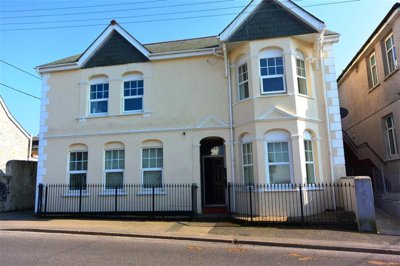
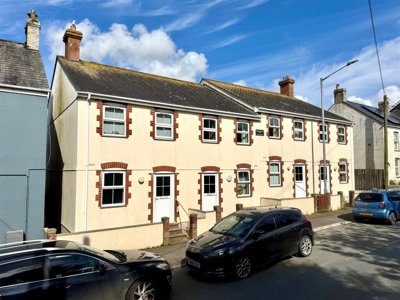
Browse 2 rental homes to rent in St. Enoder from local letting agents.
Enoder from local agents. Studio apartments feature open-plan living spaces without separate bedrooms, incorporating sleeping, living, kitchen, and bathroom facilities. The St. Enoder studio market includes properties in modern apartment complexes, converted Victorian and Georgian buildings, and purpose-built developments.
St. Enoder’s rental market has plenty of variety for anyone looking for a home in this pretty Cornish parish. There is not a great deal of parish-specific rental data, but the sales market gives a useful guide, with home.co.uk listings showing an average property price of £378,958 over the past year. Semi-detached homes sit around £326,474, detached properties average £504,833, and terraced homes, often the cheaper way into the market, come in at about £274,650. Put together, those figures point to rentals ranging from neat village homes for singles or couples to larger family houses with gardens.
Across St. Enoder, the stock available to rent mirrors the parish itself, with everything from old granite cottages, thick-walled and full of original detail, to newer estates built in more recent decades. Much of that growth followed the A30 bypass in the early 1990s, especially around Fraddon, Indian Queens, and St Columb Road. That gives renters a choice between character homes with fireplaces and exposed stone, and more modern places with better insulation, central heating, and open-plan layouts. Newquay is close enough for those who want the coast, but not the town-centre rent levels, so St. Enoder suits people trying to balance day-to-day costs with a decent lifestyle.
New build interest around the parish includes schemes such as Fistral Retreat on the edge of Newquay, where single-storey bungalow-style homes come with solar panels as standard. Within the parish settlements there are planning applications for a proposed three-bedroom bungalow at Highgate Farm in Indian Queens, alongside ongoing residential development at Fraddon. For renters, that means a chance to look at newer homes built with energy efficiency in mind. Even so, the older Cornish properties still draw plenty of interest from those who like period architecture.

St. Enoder is rich in Cornish history and landscape, and it has a proper sense of place. It is recorded in the Domesday Book of 1086, which says a lot about how long settlement and farming have shaped the parish. The Church of St. Enoder, Grade I listed and with origins in the 15th century, sits right at the centre of community life. Its tower, added in 1711, and the restorations carried out in 1869 and 1951, show how steadily it has remained in use. The parish includes Indian Queens, Fraddon, Summercourt, and St Columb Road, each with its own shops, pubs, and local facilities. Summercourt Fair, one of Cornwall's oldest livestock markets with roots going back to the early 1300s, still brings people in and keeps the agricultural tradition alive.
Mining heritage is as important to St. Enoder’s character as farming. The parish sits on the northern edge of the China Clay Area, and for centuries tin, iron, ochre, and china clay all played a part in the local economy. You can still see traces of that activity in engine houses, chimneys, spoil heaps, and the red-stained ground left by china clay work. For renters, the result is a built environment shaped by granite, squared rubble, granite dressings, and locally made brick from the many brickworks that ran alongside the clay pits. Burthy, Chytane, Gaverigan, Wheal Remfry, and St Columb Road all had brickworks, and their output still shows in the area today.
Population growth tells its own story. St. Enoder rose from around 4,400 in 2011 to 5,082 in 2021, which reflects the wider appeal of rural Cornwall to families, remote workers, and people who want more space without being cut off from the coast. Long-established Cornish families live alongside newer arrivals and commuters who like the transport links from the A30 trunk road. Day to day, there are village shops, traditional pubs serving Cornish ales and hearty food, community halls with year-round events, and larger centres within reach for fuller shopping trips. The social side matters too, neighbourliness and local events give the parish a real sense of community.

For families, renting in St. Enoder means looking at a practical mix of schools. The parish sits within the catchment areas for primary schools serving Indian Queens, Fraddon, and St Columb Road, and those village schools take children from reception through to Year 6. Small class sizes are common, and that usually means more individual attention and strong pastoral care. It is the kind of setting where teachers, pupils, and parents tend to know one another well. For secondary school, most students travel to Newquay or St Austell, both of which have comprehensive schools with sixth form provision for A-levels or vocational qualifications.
Cornwall also has a number of respected grammar schools for pupils who qualify, with options in Truro and elsewhere across the county. Admission depends on entrance exam performance, and places are limited. Families focused on schooling will want to look at Ofsted ratings, admissions rules, and performance data well before making any rental move. St. Enoder’s closeness to Newquay helps here, as the town’s secondary schools are within fairly easy reach and transport can be arranged for pupils living beyond walking distance. It is also sensible to weigh up clubs and activities, from sport and arts to STEM and Duke of Edinburgh Award Scheme involvement, because those extras can shape the whole school experience.

Transport is one of St. Enoder’s strongest points for a rural parish. The A30 trunk road runs through it, and that makes the parish exceptionally well connected for Cornwall. Truro lies to the west, while the M5 motorway and the rest of England are available via Devon to the east. That is a big draw for commuters heading to Truro, Exeter, or further afield, while still wanting rural Cornish life. By car, Truro is about 30 minutes away and Bristol is around three hours. For people working in hospitality or tourism, Newquay is only 15 minutes off, so daily travel is perfectly workable even without remote working.
Bus services do operate between St. Enoder’s settlements and Newquay, St Austell, and Truro, though not with the frequency you would see in a town. They tend to suit school transport and market day journeys more than spontaneous travel. The nearest railway stations are in Newquay, where the Atlantic Coast Line links to Par and then on towards Plymouth, Exeter, and London Paddington. For a London commute, people usually change at Exeter St Davids or drive to Plymouth for direct trains. Many residents prefer having a car, since it opens up the whole Cornish peninsula and still works for everyday travel. Cycling is developing locally, but the hilly terrain can make it hard work for less experienced riders.

Before starting a search in St. Enoder, it makes sense to arrange a rental budget agreement in principle from a lender or broker. It shows, in writing, how much rent you can afford from your income and existing commitments, and it also gives landlords confidence that you are serious when you make enquiries.
It pays to spend time on the parish’s different settlements, whether that means Indian Queens, Fraddon, or Summercourt. Think about how close each area is to your work, the school catchments, local bus routes, and the feel of the village itself. A visit at different times of day, and on different days of the week, gives a far better picture of what everyday life would be like there.
We would also suggest registering with letting agents in the St. Enoder and Newquay areas. Quite often, agents know about properties before they reach the major portals, which can give you an edge in Cornwall’s tight rental market. Homemove can put you in touch with local agents and set up instant property alerts for new listings that match your search.
As soon as something suitable comes up, arrange a viewing quickly, because rental homes in popular Cornish villages can go within days. At the viewing, check the condition, ask how long the tenancy is for, confirm what is included in the rent, and find out whether any maintenance or building work is planned. For older homes with plenty of original detail, booking a survey is worth considering.
Once you have found a property you want, get your application in without delay, together with full references, proof of income, right to rent documents, and your rental budget in principle. Cornwall landlords often have several applications to choose from, so preparing everything early can be the difference between getting the place and losing it.
Read the tenancy agreement closely before you sign. Pay particular attention to the deposit amount, the length of the fixed term, any break clause provisions, and what you are responsible for in terms of maintenance and utilities. The deposit must be protected in a government-approved scheme within 30 days of the tenancy start date. After that, all that is left is to sort the move and settle into your new St. Enoder home.
There are a few area-specific points worth keeping in mind when renting in St. Enoder, because they can affect how a tenancy feels in practice. The parish’s mining past means some homes may sit on, or close to, former mining sites, so ground stability can be a factor. Detailed current assessments are limited, but the history of tin mines, iron ore extraction, and china clay pits suggests that certain locations may need closer structural checking. When viewing rental properties, especially period homes or houses in older parts of Indian Queens or Fraddon, ask about construction history and any past structural issues. A RICS Level 2 survey is usually linked to purchases, but it can still be useful for renters signing up to longer agreements in older properties with lots of original features.
Flood risk in St. Enoder should not be ignored, although the parish’s inland position avoids the coastal erosion problems seen in some parts of Cornwall. Planning applications across the county regularly deal with flooding and drainage, which shows local authorities take water management seriously. It is worth checking where a rental property sits in relation to watercourses, drainage routes, and any record of flooding. Summer can also put pressure on Cornwall’s water supply as visitor numbers rise, so it helps to understand the property’s supply and whether any shared infrastructure responsibilities apply. Conservation matters come into play too, because St. Enoder has a number of listed buildings, including Grade II listed structures such as historic farmhouses, the Gateway with Flanking Walls at St Enoder Churchyard, Arallas Farmhouse, and buildings across the settlements. If the property is listed, restrictions on alterations and redecorating may apply, so those terms need to be clear before you commit.
Local building materials tell you a great deal about the parish. Older homes often use the squared granite rubble common to Cornish cottages and farmhouses, with granite dressings and, in some cases, brick made locally from the brickworks that once operated alongside china clay extraction. Those materials give the area its distinct look, though they may need different maintenance from a modern brick-and-block build. Knowing the age and construction type of a rental property helps you get a better idea of likely upkeep during the tenancy.

Although full rental price data for St. Enoder is limited, the sales figures give a useful reference point. The average property price has been £378,958 over the past year, with semi-detached homes at around £326,474 and terraced properties at approximately £274,650. In rental terms, St. Enoder is generally cheaper than coastal Newquay, which makes it appealing to people who want Cornish living at a more manageable cost. Prices still vary with size, condition, and exact location, so current listings are the best way to judge your budget. Homes nearer the A30 corridor, or with easy access to Newquay, may carry slightly higher rents because they suit commuters.
Cornwall Council handles council tax for St. Enoder. Across Cornwall, bands run from Band A for the lowest valued properties up to Band H for the most expensive, and most family homes in the parish fall within Bands A through D. The band for any rental property depends on its assessed value, and you can check this through Cornwall Council’s online council tax search tool using the property address. Tenants need to pay council tax on their rented home, so it should sit alongside rent and deposit in the moving budget. There are also council tax support schemes for eligible households, which may help if income is tight.
Primary education in St. Enoder is served by schools across the parish, with village schools usually covering Indian Queens, Fraddon, and St Columb Road. Parents often value the small class sizes and the close community links those schools provide. For secondary school, pupils generally go to Newquay or St Austell, both of which offer comprehensive education with sixth form provision. It is sensible to check performance data and Ofsted ratings before settling on a rental location, since catchment areas and school quality can vary. Truro is also close enough for grammar schools in the county capital to remain a realistic option for children who pass the entrance examinations.
Road links are another clear strength. St. Enoder sits on the A30 trunk road, giving direct access to Truro, Exeter, and the M5 motorway beyond. That makes the parish especially attractive for commuters who work in Truro or travel further afield but still want a rural base. Bus services connect the settlements with Newquay and St Austell, although they run less often than urban routes and are often shaped around school transport. The nearest railway stations are in Newquay, with the Atlantic Coast Line linking into the national rail network. For most people here, having a car is close to essential if they want to take full advantage of Cornish life.
For renters, St. Enoder offers a strong mix of genuine community life and practical access to larger centres. It combines historic character, with buildings that go back centuries and a deep mining and agricultural past, with modern amenities and good road links. There is still a clear sense of neighbourliness, helped by things like the historic Summercourt Fair, traditional pubs serving local produce, and local facilities that keep everyday life connected. Rental costs are usually lower than in coastal places such as Newquay, yet the beach and tourist attractions are still within easy reach. Anyone who likes Cornwall’s natural beauty, an outdoor way of life, and a slower pace will find St. Enoder a very appealing place to rent.
Current rules cap deposits for rental properties in England at five weeks' rent where the annual rent is below £50,000. In St. Enoder, a typical rental deposit is likely to be around four to five weeks' rent, with the first month’s rent paid in advance as well. There may also be referencing fees, admin charges from letting agents, and costs for inventories or check-in reports. Your deposit must be protected in a government-approved scheme, such as the Deposit Protection Service, MyDeposits, or the Tenancy Deposit Scheme, and confirmation should come within 30 days of your tenancy start date. We would always ask for a full breakdown of costs before a tenancy is agreed, just to avoid surprises later on.
Getting the upfront costs clear from the outset makes a real difference when renting in St. Enoder. The deposit is usually the largest initial payment, and it is capped at five weeks' rent where annual rent comes in below £50,000. So, for a home at £1,000 per month, the cap would be £2,500. The Tenant Fees Act 2019 restricts what landlords and letting agents can charge, so you should not come across unexpected admin fees during the tenancy. You can still be charged for references, right to rent checks, and early termination of the tenancy where relevant. We would always ask for a full written breakdown of all costs before going ahead with any application.
The deposit is protected in a government-approved Tenancy Deposit Protection scheme within 30 days of receipt, and you should be given the MyDeposits, DPS, or TDS certificate to show that it has been protected. When the tenancy ends, the deposit should be returned within ten days of you and the landlord agreeing the final amount, with any deductions for damage beyond normal wear and tear or unpaid rent listed and explained. Before you move in, a thorough check-in inventory is essential, because that record becomes the benchmark for any later damage claims. An independent inventory service can help keep the record accurate and fair for both sides. First-time renters should also set aside money for the first month's rent in advance, removal van costs, and possibly some furnishing costs if the property is unfurnished or part-furnished.
From 4.5%
Arrange your rental budget in principle before searching for properties in St. Enoder.
From £499
Complete reference checks to strengthen your rental application in Cornwall's competitive market.
From £350
Get a thorough property assessment before committing to a longer tenancy on an older property.
From £60
Check the energy efficiency rating of any rental property you are considering.
Properties to Rent In London

Properties to Rent In Plymouth

Properties to Rent In Liverpool

Properties to Rent In Glasgow

Properties to Rent In Sheffield

Properties to Rent In Edinburgh

Properties to Rent In Coventry

Properties to Rent In Bradford

Properties to Rent In Manchester

Properties to Rent In Birmingham

Properties to Rent In Bristol

Properties to Rent In Oxford

Properties to Rent In Leicester

Properties to Rent In Newcastle

Properties to Rent In Leeds

Properties to Rent In Southampton

Properties to Rent In Cardiff

Properties to Rent In Nottingham

Properties to Rent In Norwich

Properties to Rent In Brighton

Properties to Rent In Derby

Properties to Rent In Portsmouth

Properties to Rent In Northampton

Properties to Rent In Milton Keynes

Properties to Rent In Bournemouth

Properties to Rent In Bolton

Properties to Rent In Swansea

Properties to Rent In Swindon

Properties to Rent In Peterborough

Properties to Rent In Wolverhampton

Enter your details to see if this property is within your budget.
Loans, cards, car finance
Estimated property budget
Borrowing + deposit
You could borrow between
Typical borrowing
Monthly repayment
Est. at 4.5%
Loan-to-value
This is an estimate only. Your actual budget may vary depending on interest rates, credit history, and personal circumstances. For an accurate affordability assessment, speak to one of our free mortgage advisors.
This calculator provides estimates for illustrative purposes only and does not constitute financial advice. Your home may be repossessed if you do not keep up repayments on your mortgage. Estimates based on 4.5% interest rate, repayment mortgage. Actual rates depend on your circumstances.
Homemove is a trading name of HM Haus Group Ltd (Company No. 13873779, registered in England & Wales). Homemove Mortgages Ltd (Company No. 15947693) is an Appointed Representative of TMG Direct Limited, trading as TMG Mortgage Network, which is authorised and regulated by the Financial Conduct Authority (FRN 786245). Homemove Mortgages Ltd is entered on the FCA Register as an Appointed Representative (FRN 1022429). You can check registrations at NewRegister or by calling 0800 111 6768.

We use cookies to show you personalised content and improve your experience of our website. Find out more in our Privacy policy and Cookie policy.